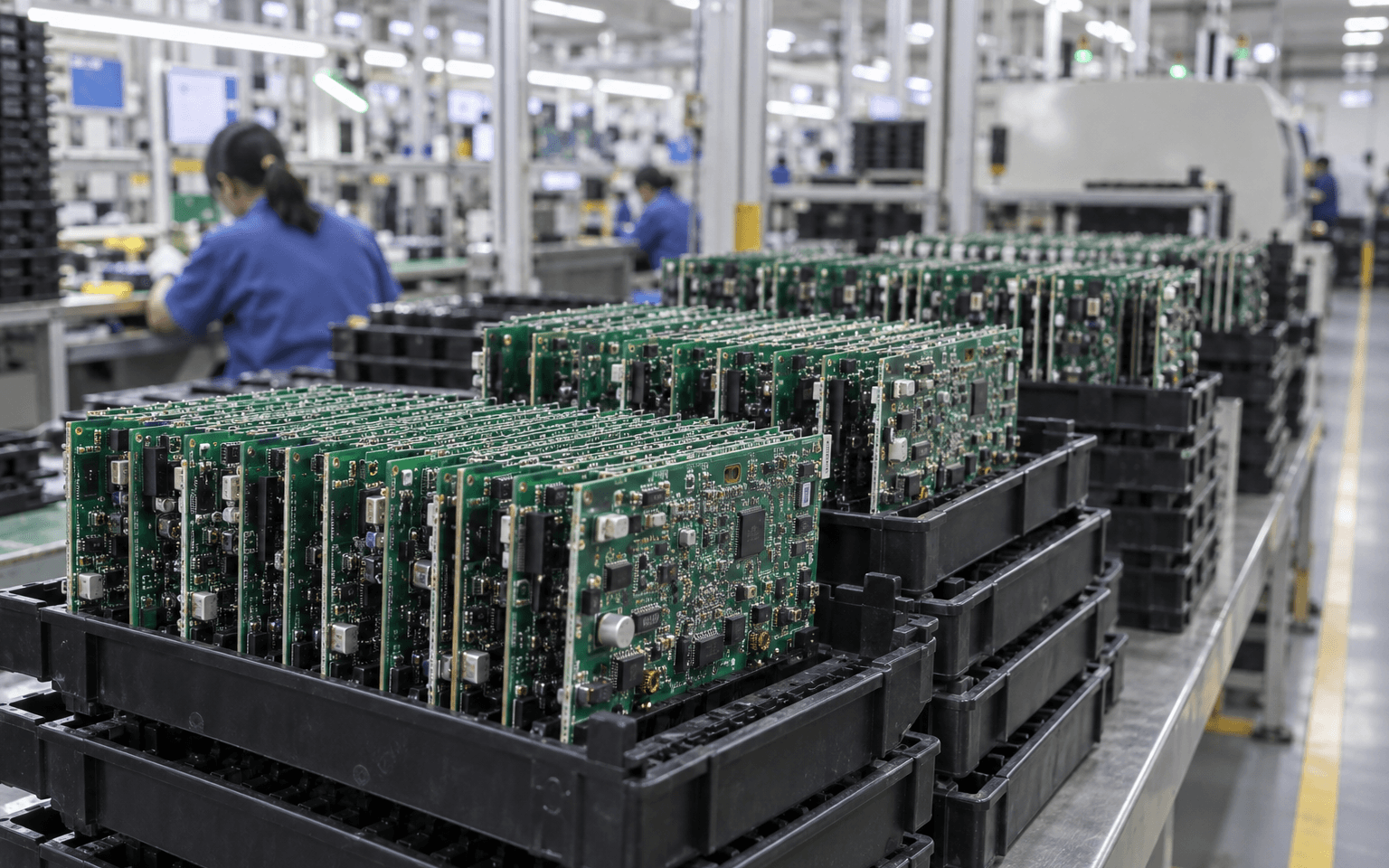
A PCB assembly (PCBA) quote is built from a few parts. Once you can see them separately, you can compare shops fairly and know where your money goes.
The five parts of a PCBA quote
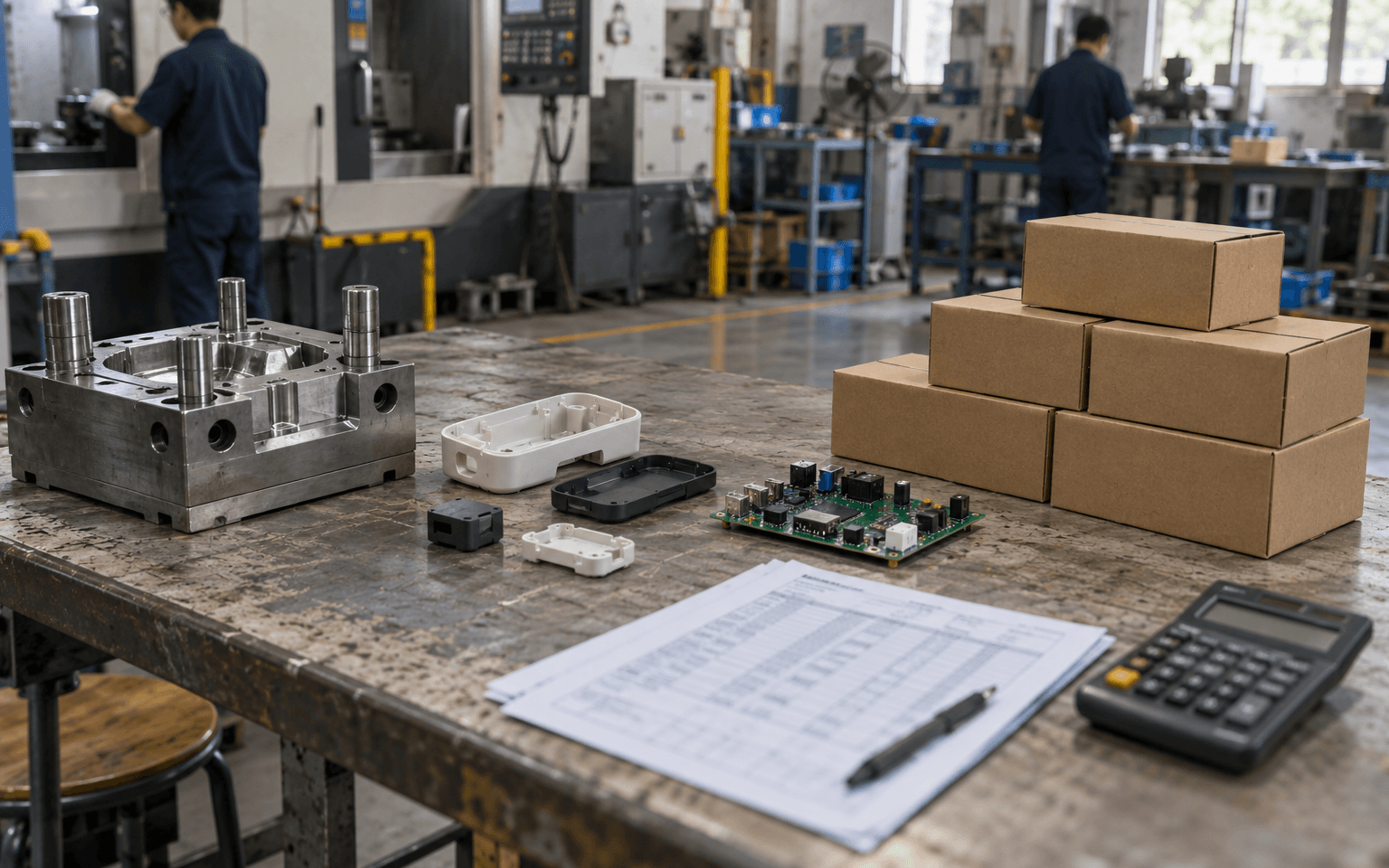
- Bare boards (PCB): depends on size, number of layers, thickness, surface finish and quantity. Simple 2-layer prototype boards are very cheap; complex multilayer boards cost much more.
- Components: often the biggest part of the cost, and completely driven by your BOM. One expensive chip can outweigh everything else.
- Setup (one-time): the stencil (the metal sheet used to print solder paste) and machine programming. It's paid once per design, so it's a big share of small orders.
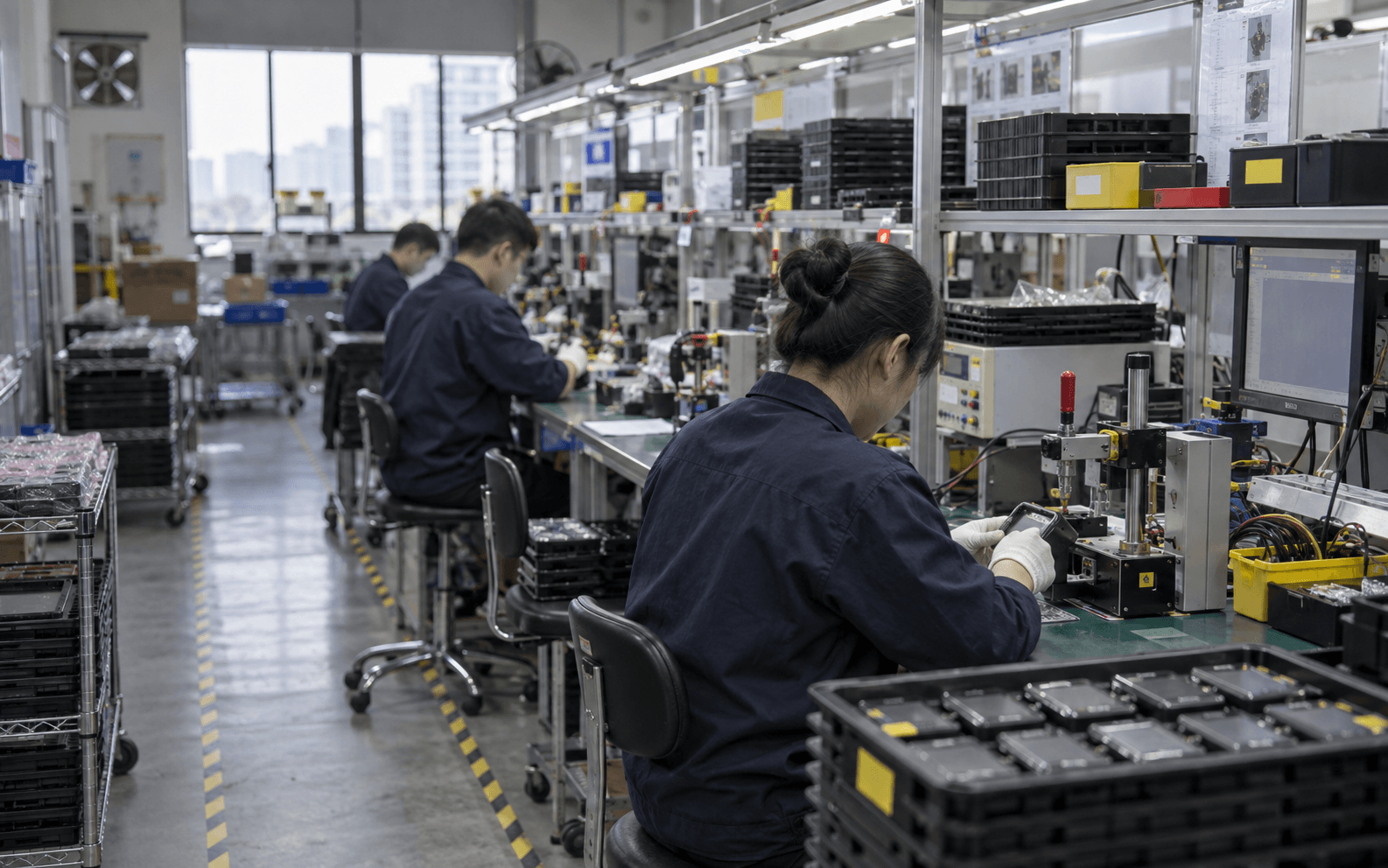
- Assembly: usually priced by the number of parts placed (placements) and joints soldered, plus any hand soldering.
- Testing and extras: X-ray, functional testing, programming firmware, conformal coating, special packing.
Why prototypes are expensive per board
For 5 boards, the setup cost is split five ways. For 500, it's split 500 ways. Components also get cheaper per piece in larger quantities (full reels vs cut tape). So don't judge production pricing from a prototype quote. Ask for a quote at your production quantity too.
How to lower the price
- Use common, in-stock components. Many assemblers keep a library of common parts, which is cheaper and faster than sourcing special ones.
- Stick to standard board specs (1.6 mm FR-4, green solder mask, common finishes).
- Reduce the number of unique parts. Using the same resistor value in several places cuts costs.
- Avoid parts that need hand soldering where possible.
- Put components on one side of the board. Assembly on both sides costs more.
- Combine orders. Boards plus assembly from the same supplier often saves on shipping and setup.
Watch out for
- Component substitutions: if a part is out of stock, the factory may suggest an alternative. Cheaper isn't always equivalent, so check it.
- Shipping and duties on the finished boards.
- Minimum order quantities on specific components (you may have to buy a full reel).
Next steps
Updated 29 September 2026