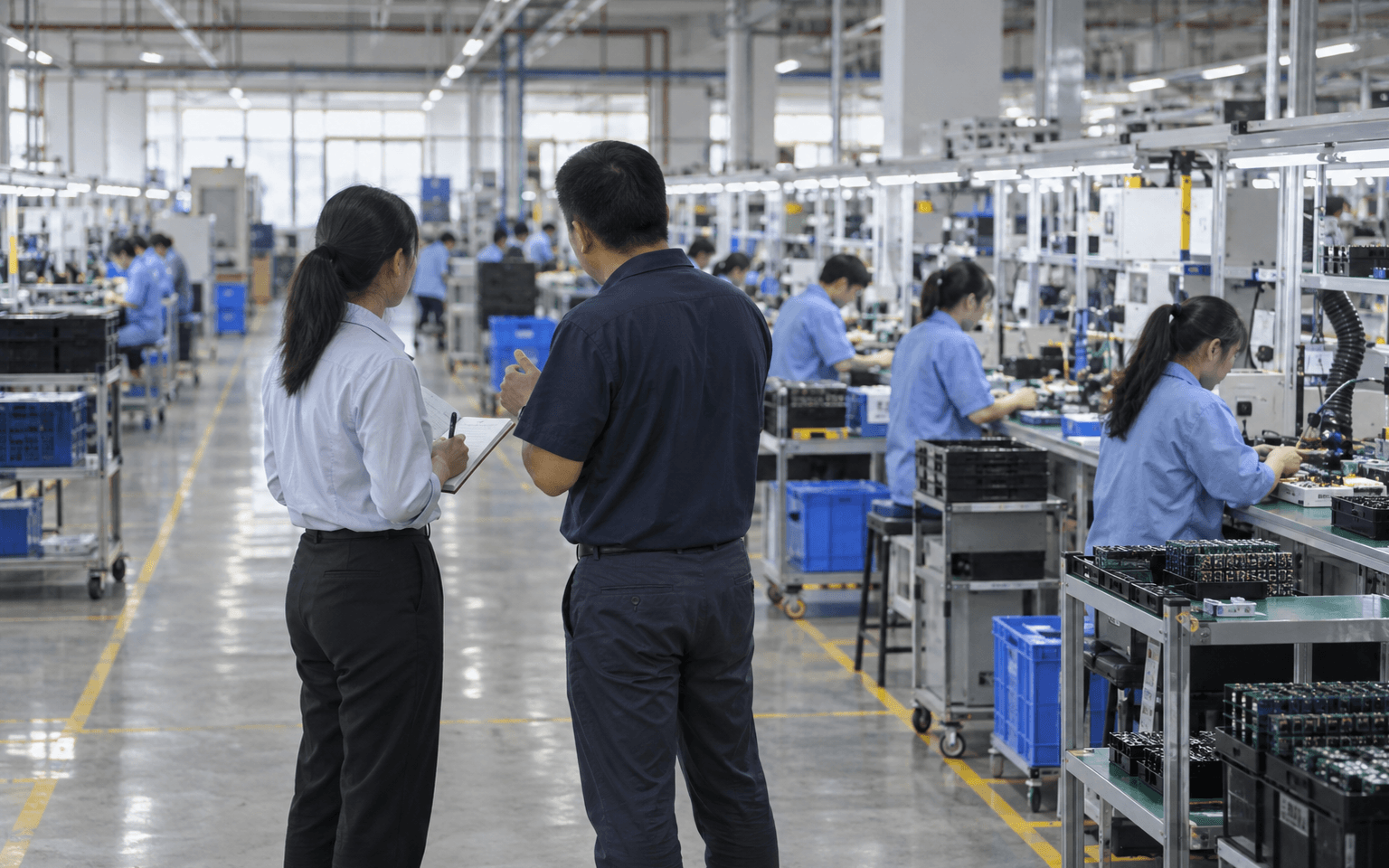
Choosing a factory is one of the biggest decisions in a hardware project. The right partner catches design problems early, keeps quality steady and tells you bad news quickly. The wrong one can cost months.
There's no perfect checklist that guarantees a good result, and no directory (including this one) can vouch for a supplier. What you can do is reduce risk step by step. This guide shows how.
Step 1: know exactly what you're buying
Before searching, write down:
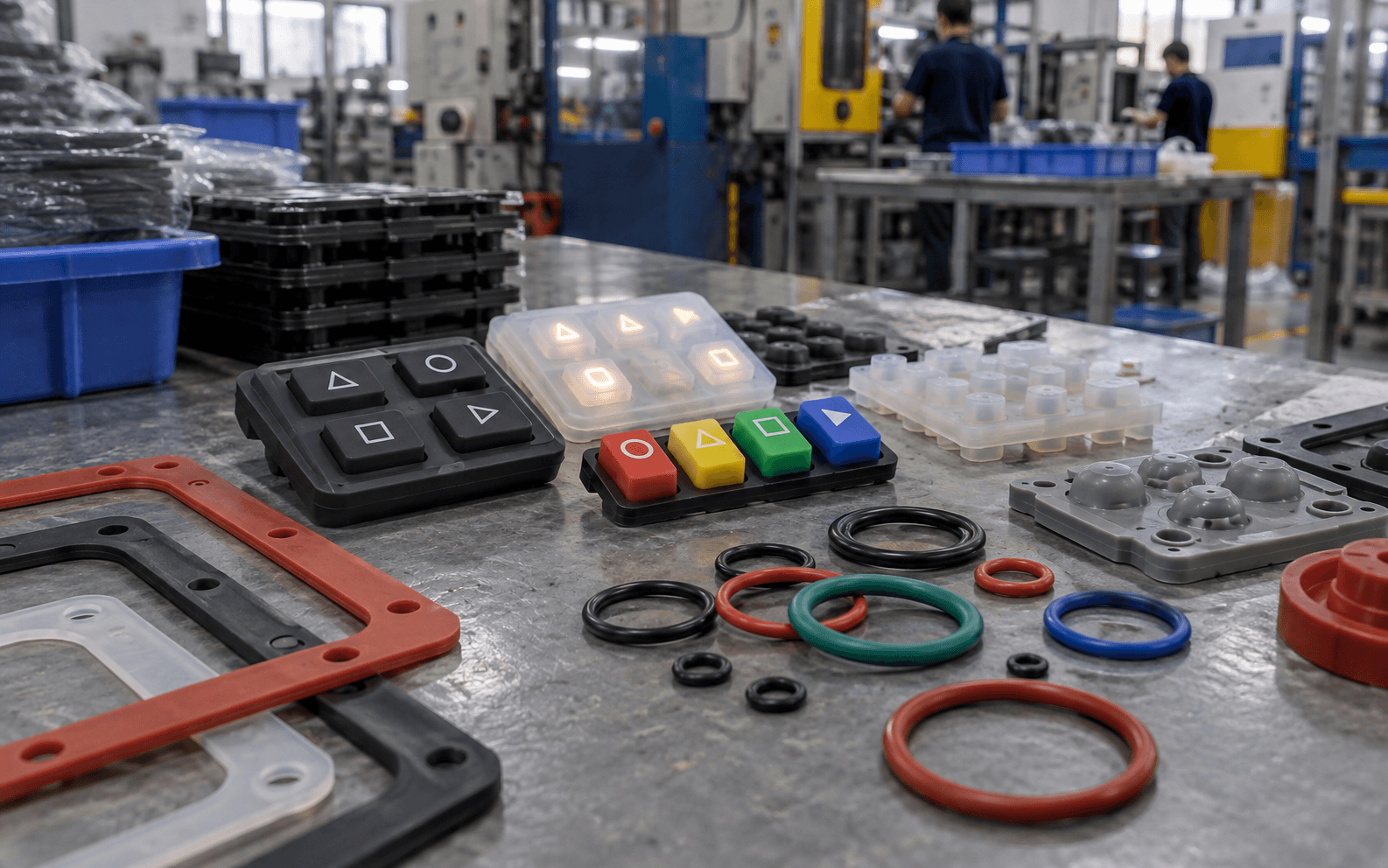
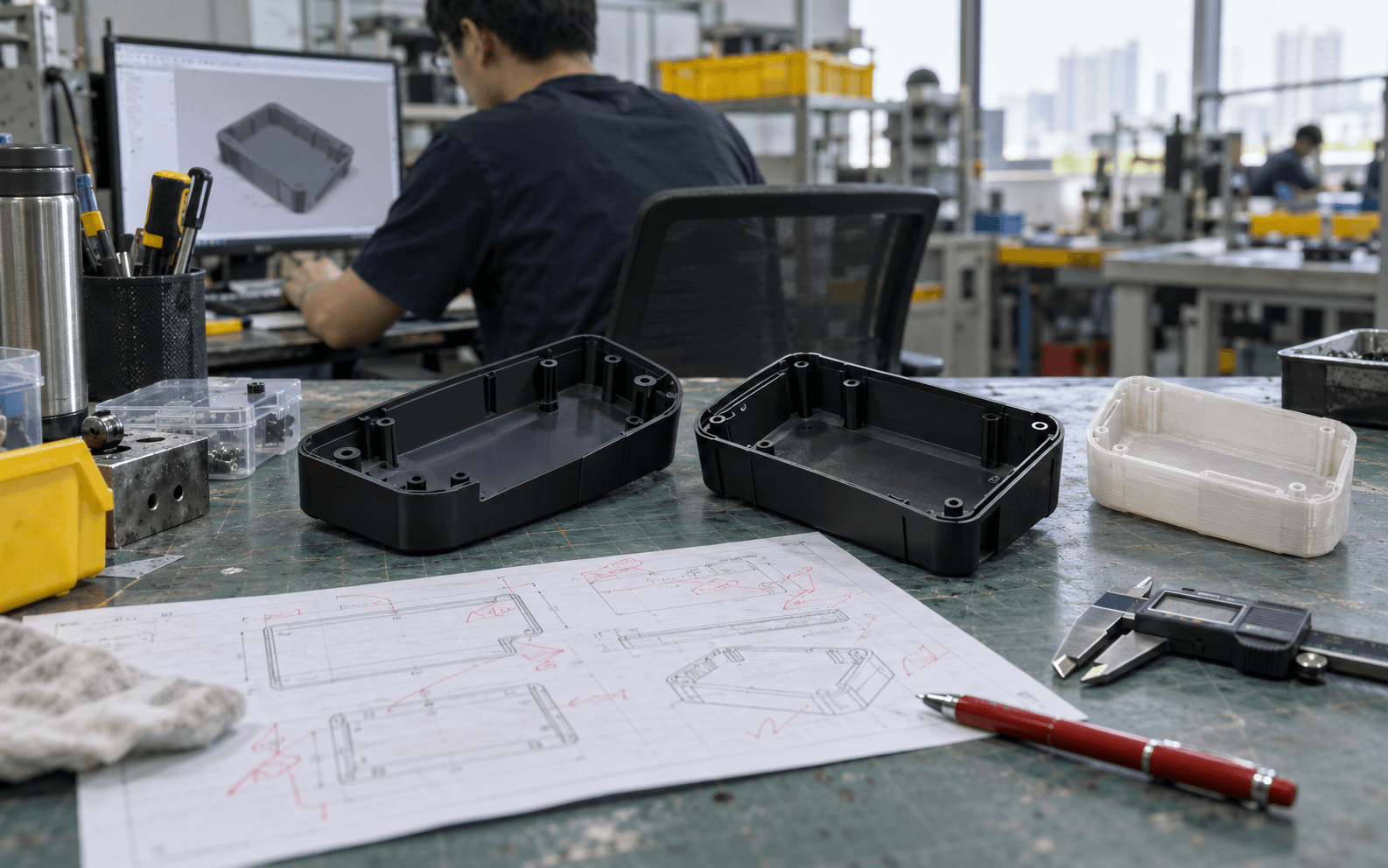
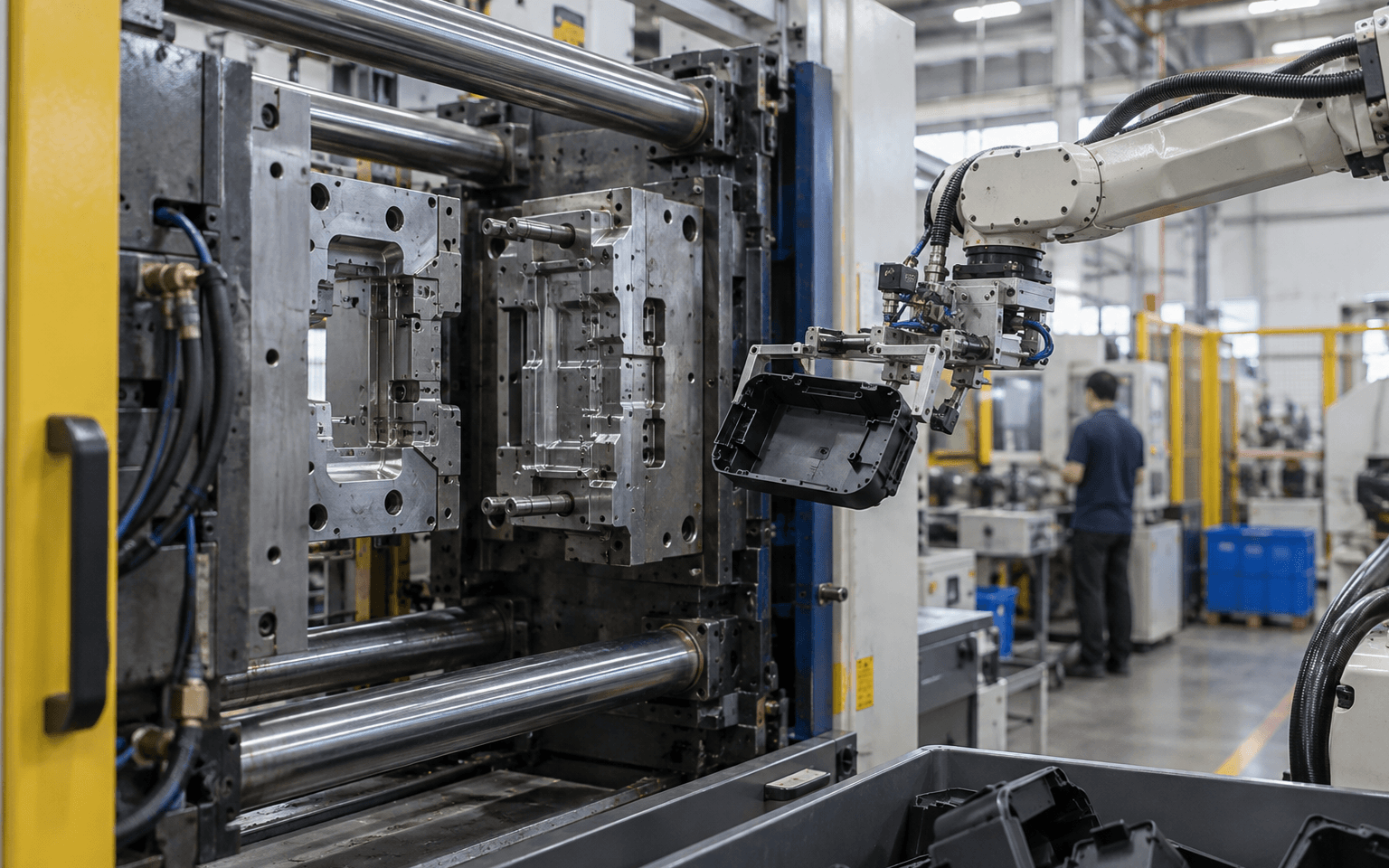
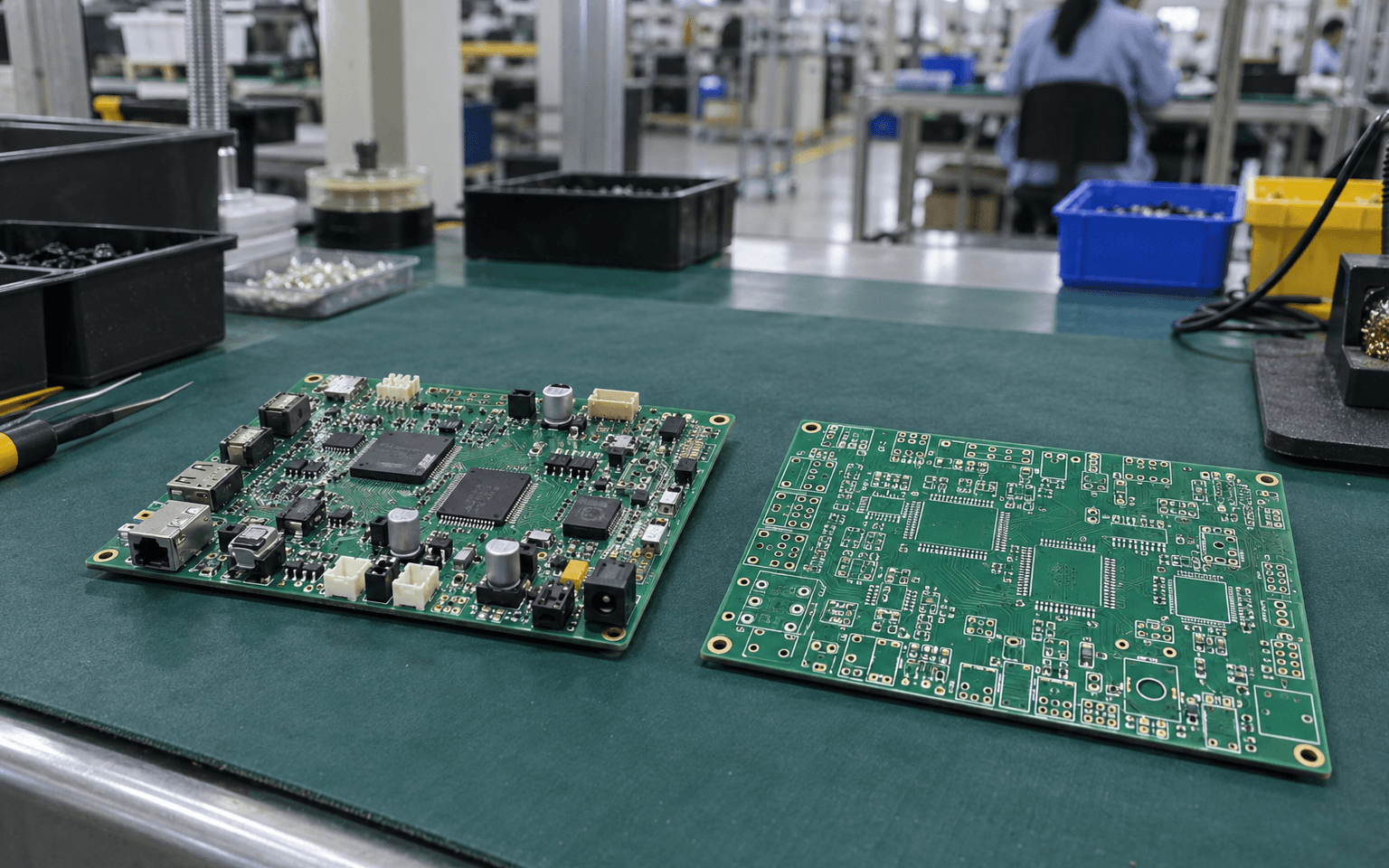
- The process you need: CNC machining, injection molding, PCB assembly, die casting, full product assembly, or several of these.
- The quantity: 50 prototypes and 50,000 production units need very different partners.
- Your stage: prototype, pilot or mass production. See EVT, DVT, PVT explained.
- What matters most: price, speed, precision, cosmetic quality, English communication, or engineering help.
A factory that is excellent at millions of simple parts may be a poor fit for 200 complex ones, and the reverse is also true. Fit matters more than size.
Step 2: understand who you're talking to
Suppliers in China come in a few types, and they often look similar online:
- Factories: own the machines and make the parts. Usually best for price and technical conversation, once you're at volume.
- Trading companies: sell parts made by other factories. They may offer easier communication and a wider range, but add a margin and a layer between you and production. Some are open about this; some present themselves as factories.
- Sourcing agents: work on your behalf to find and manage suppliers, usually for a fee or commission. Useful if you can't be on the ground.
- Contract manufacturers (CMs) / EMS: build and assemble your whole product, often managing sub-suppliers for plastics, metal and electronics.
None of these is "good" or "bad"; they suit different needs. What matters is knowing which one you're dealing with. Ask directly: "Do you make this in your own facility? Which processes do you do in-house and which do you outsource?"
Step 3: build a longlist
Common starting points:
- Directories like this one, filtered by process and location (browse factories).
- Online B2B platforms, where many suppliers list services.
- Instant-quote platforms for prototypes, which give you a baseline price.
- Referrals from other hardware founders, accelerators and meetups.
- Trade fairs and visits to industrial areas in Shenzhen and Dongguan.
Aim for five to ten names. Look for evidence they do your process and your type of part: photos of similar work, an equipment list, and relevant industries.
Step 4: send a clear RFQ
Send the same package to everyone: files, quantities, material, finish, quality needs and delivery terms. See How to write an RFQ. How suppliers respond is itself useful information:
- Did they reply within a reasonable time?
- Did they ask sensible questions, or just send a number?
- Did they give DFM feedback (suggestions to make it easier to manufacture)?
- Is the quote broken down clearly?
Step 5: check what you can
You can't know everything from a distance, but you can check a lot:
- Business licence (营业执照, yíng yè zhí zhào). Ask for a copy. Check that the company name matches the one on your contract and bank details, and that the registered business scope covers manufacturing, not just trading.
- Bank details. The receiving account should normally be in the name of the company you're contracting with. Be very cautious if a supplier asks you to pay a personal account or a different company, or suddenly changes bank details by email.
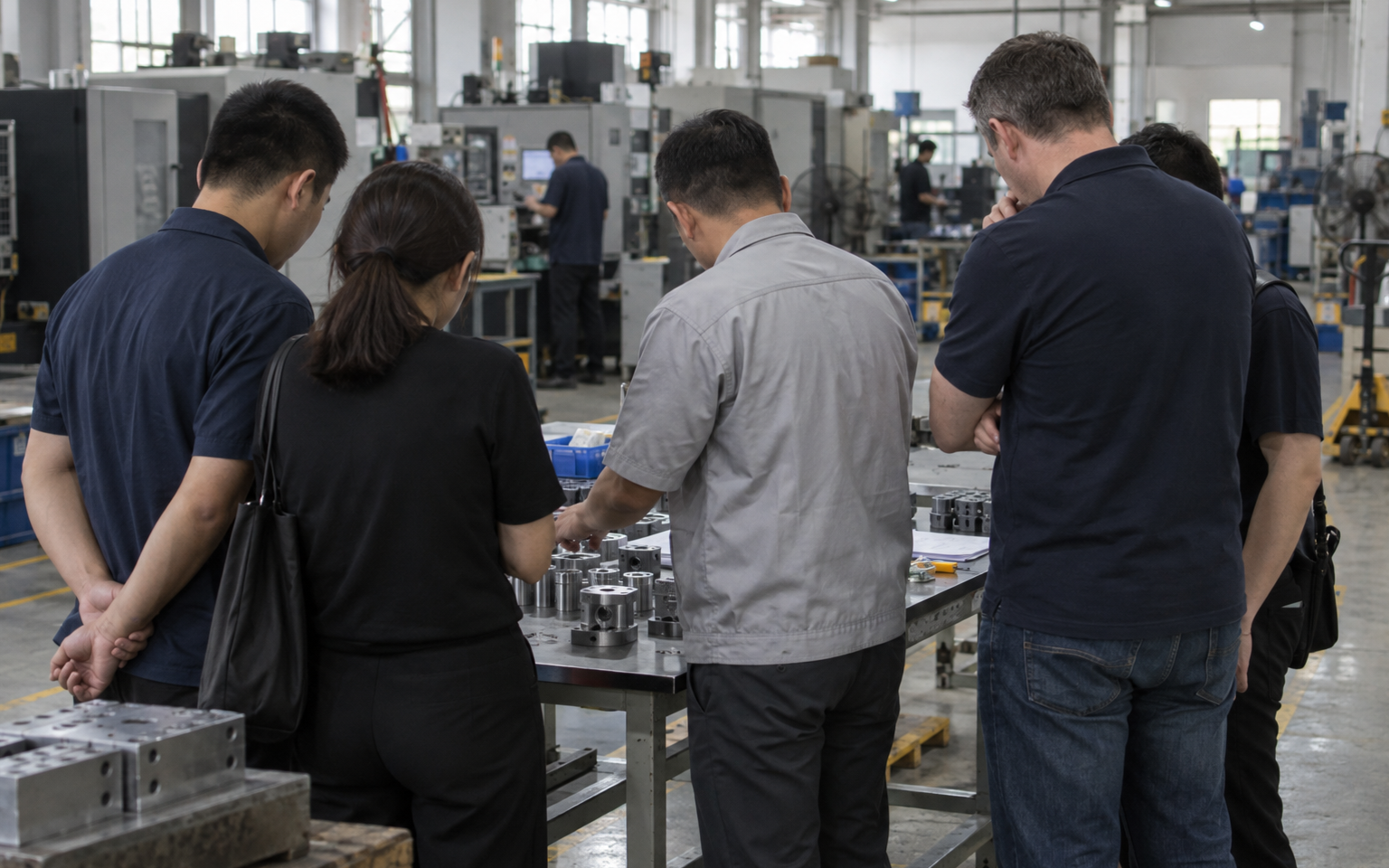
- Video call tour. Ask to see the production floor, the machines for your process, and the inspection area. It's quick and free.
- Samples of similar work. Ask for photos or physical samples of parts like yours.
- References. Ask if you can speak with an existing customer.
- Certifications such as ISO 9001 (a quality management standard) if your industry needs them. Ask for the certificate and check it with the issuing body where possible.
- A factory audit (验厂, yàn chǎng). For bigger commitments, you or a third-party inspection company can visit and assess the site. See Quality inspection explained.
Step 6: compare quotes properly
Put the quotes side by side in a spreadsheet: tooling cost, unit price at each quantity, lead time, MOQ (起订量), payment terms, what's included, and who owns the tooling.
Be careful with a quote that is far below the others. It may be a genuine advantage, or it may mean a different material, skipped finishing, or a price that rises later. Ask why.
Step 7: start small
Don't jump straight to a large order:
- Order samples (打样, dǎ yàng) or a small first batch.
- Inspect them carefully against your drawing.
- Sign a golden sample (金样) as the reference for production.
- Run a pilot (试产) before mass production.
This costs a little time and money, and it's the most reliable way to learn how a supplier actually works.
Step 8: put key terms in writing
Before production, agree in writing:
- Price, quantity, specs and drawing revision
- Payment terms (a deposit, 定金, then balance, is common)
- Lead time and what happens if it slips
- Quality standard and inspection method
- Tooling ownership
- Confidentiality and IP protection (see NNN agreements explained)
Warning signs
- Pressure to pay quickly, or to pay a personal or unrelated account
- Unwillingness to do a video call or show the production floor
- No questions at all about a complex part
- Prices far below every other quote with no clear reason
- Vague answers about which processes are in-house
One warning sign isn't proof of a problem, but it's a reason to slow down and ask more.
Keep reading
- How to write an RFQ
- NNN agreements explained
- Quality inspection explained
- Shenzhen factory tours for founders
Next steps
- Read the contract manufacturing hub
- Browse factories and sourcing agents in the directory
- See the Production stage of the Path
- Glossary: 验厂 factory audit, 打样 sampling, 试产 pilot production
- Not sure where to start? Get an intro
Updated 29 September 2026