Skip to content
Shenzhen Makers深圳创客

PR-02 · Process hubs

Injection molding 注塑

How most plastic parts are mass-produced: an expensive mold up front, then very cheap parts, thousands at a time.
Injection molding
Next meetup
SZDIY open night (weekly)Details →
Typical lead time (how long it takes)
3–6 weeks to T1 samples, then production
Typical cost
Tooling from a few thousand to tens of thousands of US dollars; parts cost cents to dollars
Minimum order (MOQ: the smallest order a shop will accept)
Often 500–1,000+ per run
Best for
Plastic parts from a few thousand to millions of units

What is it?

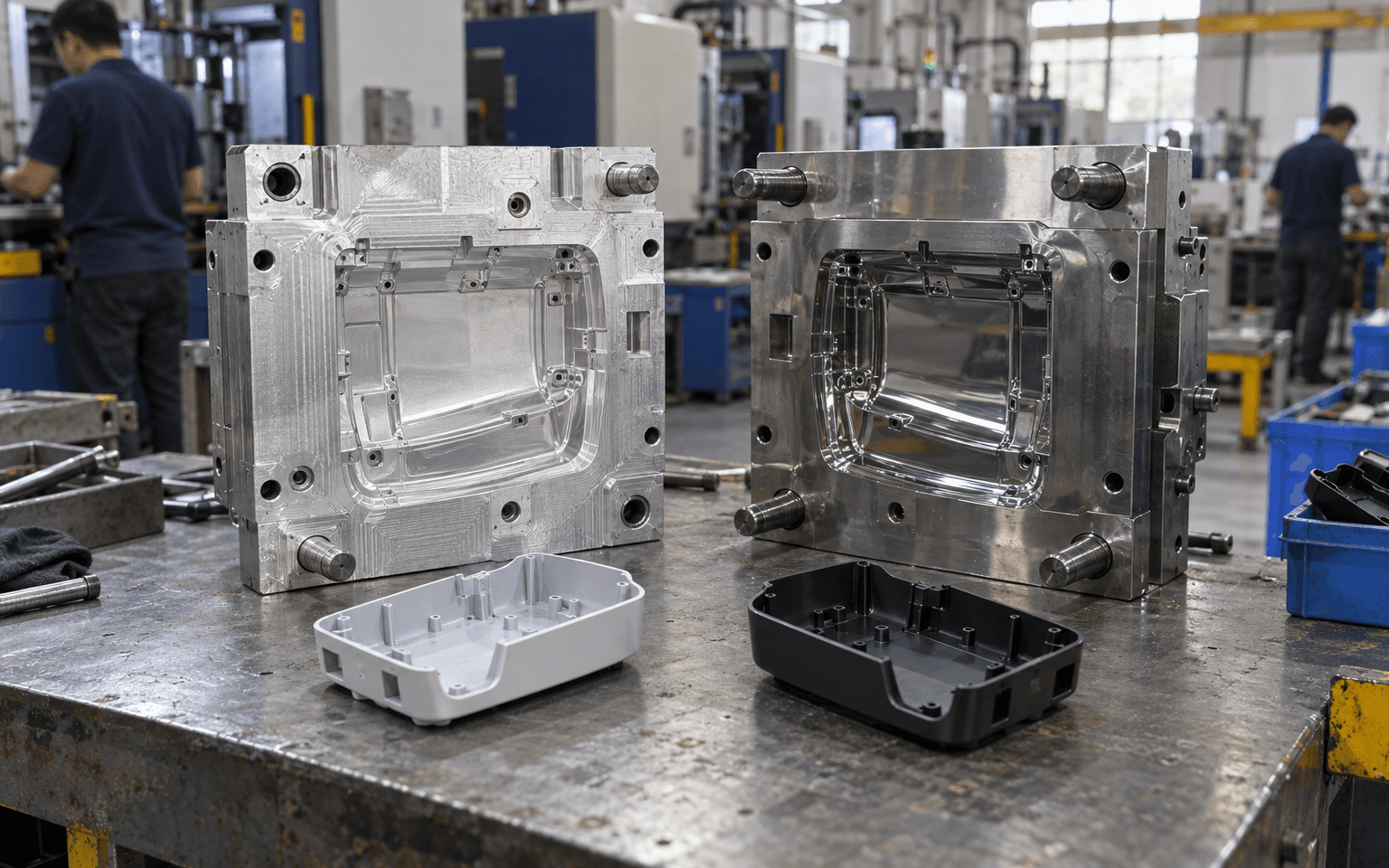
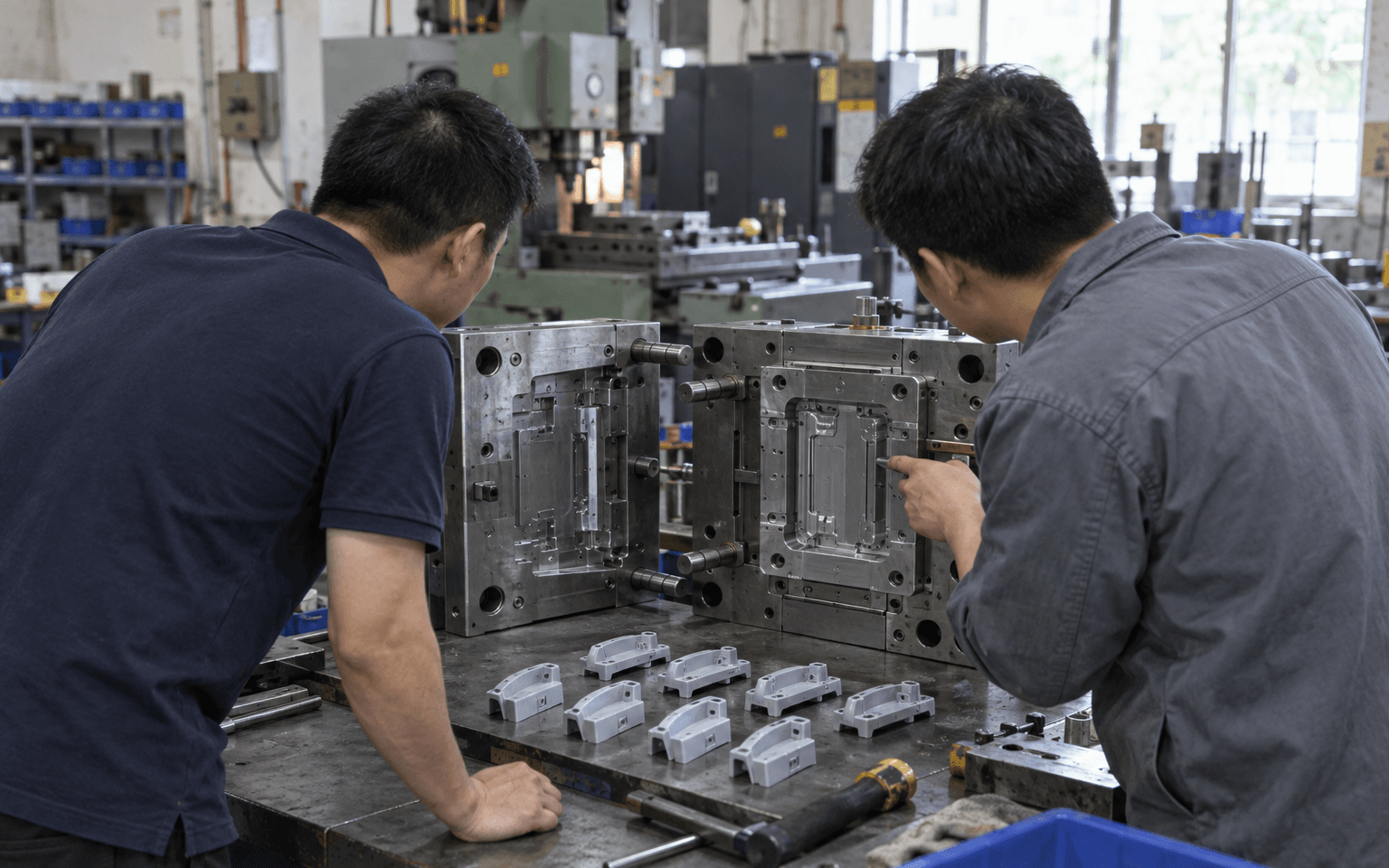
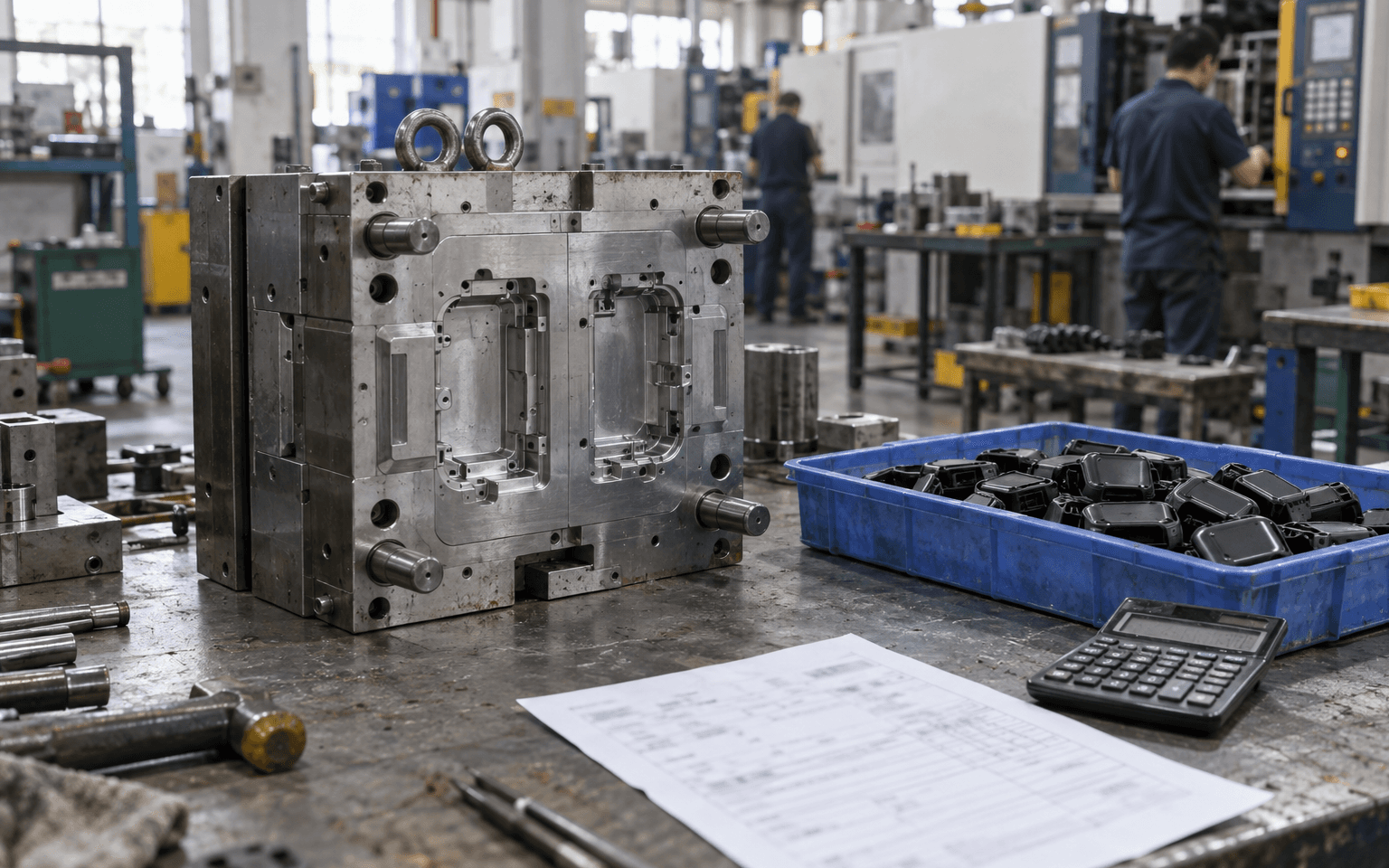
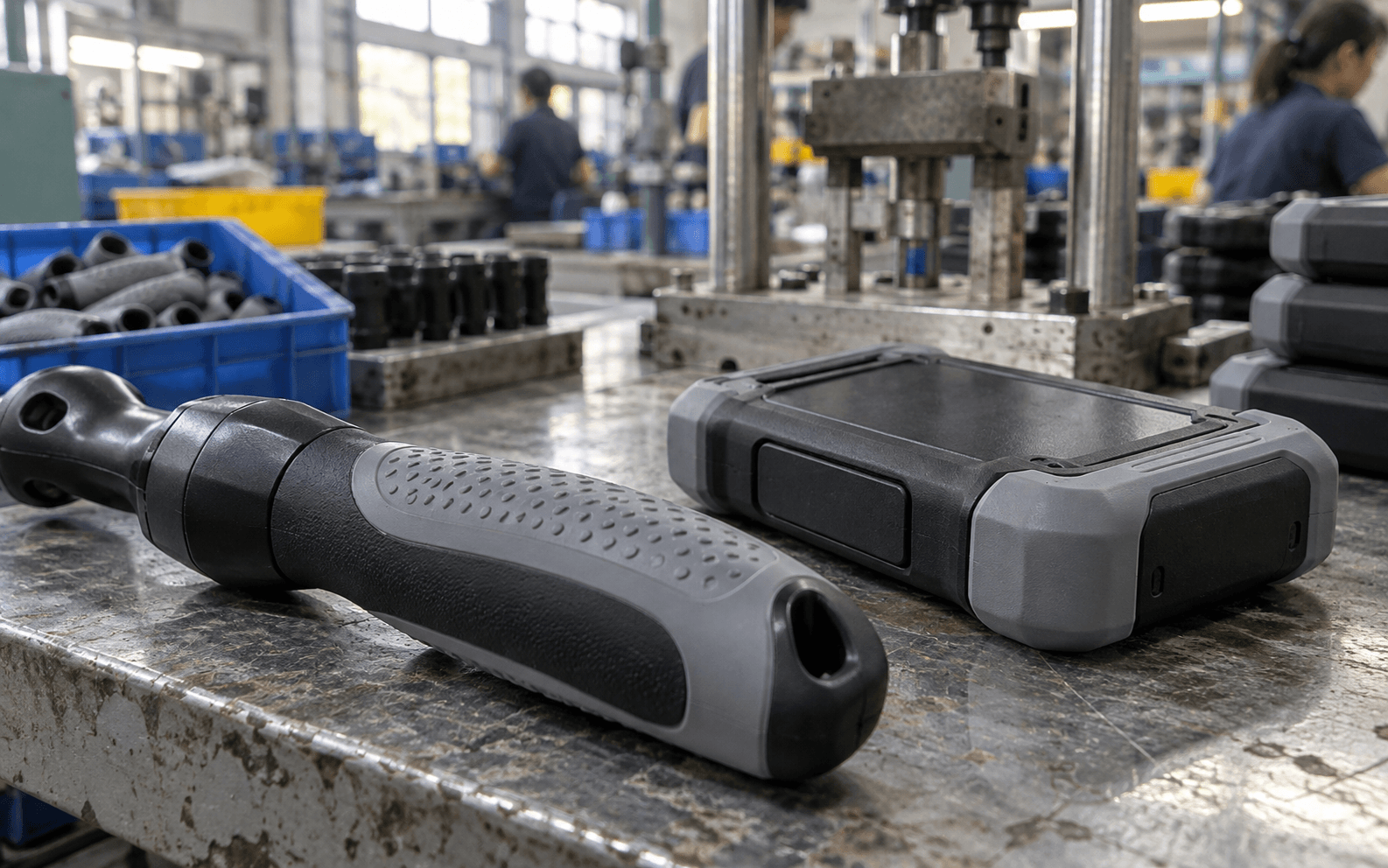
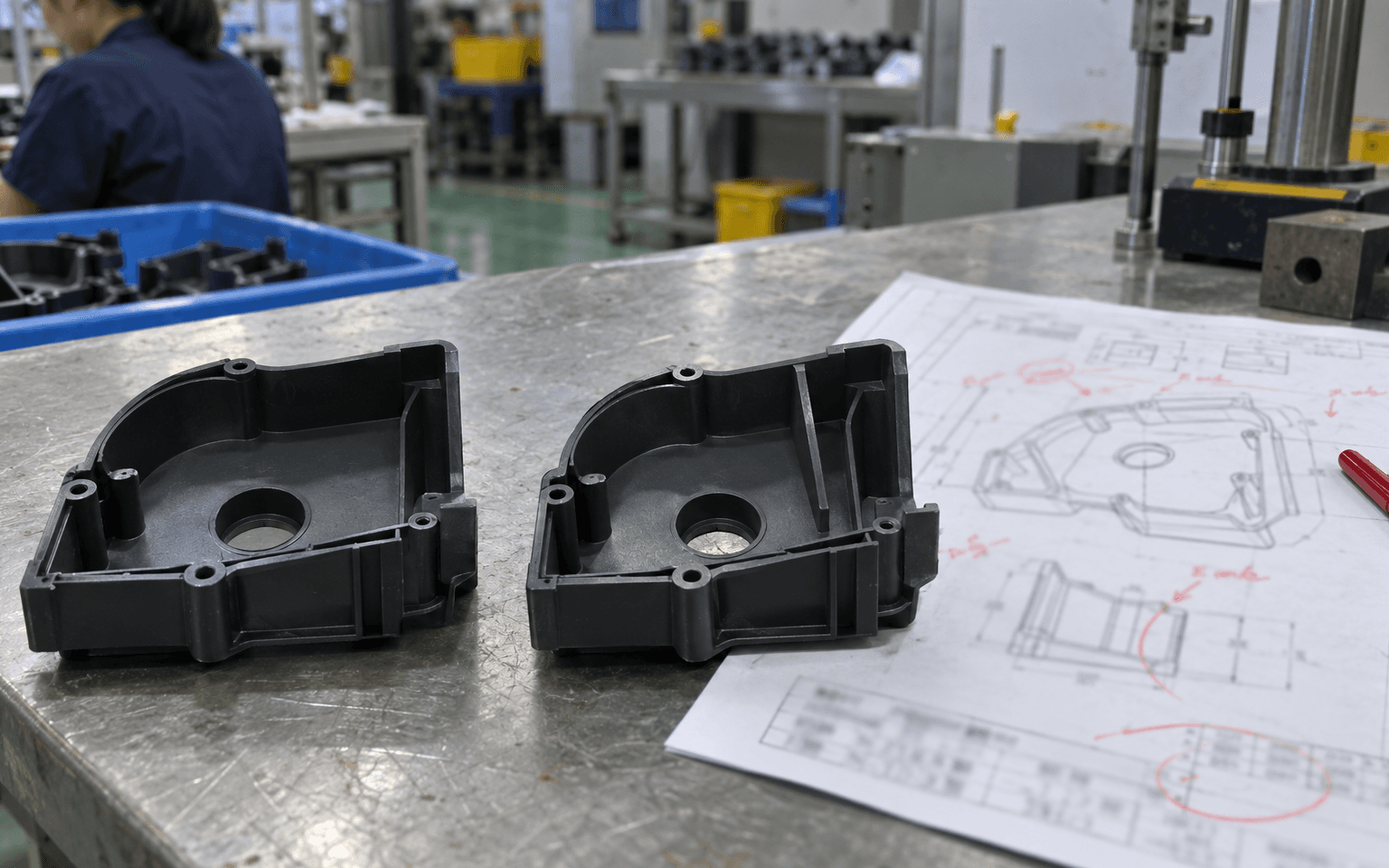
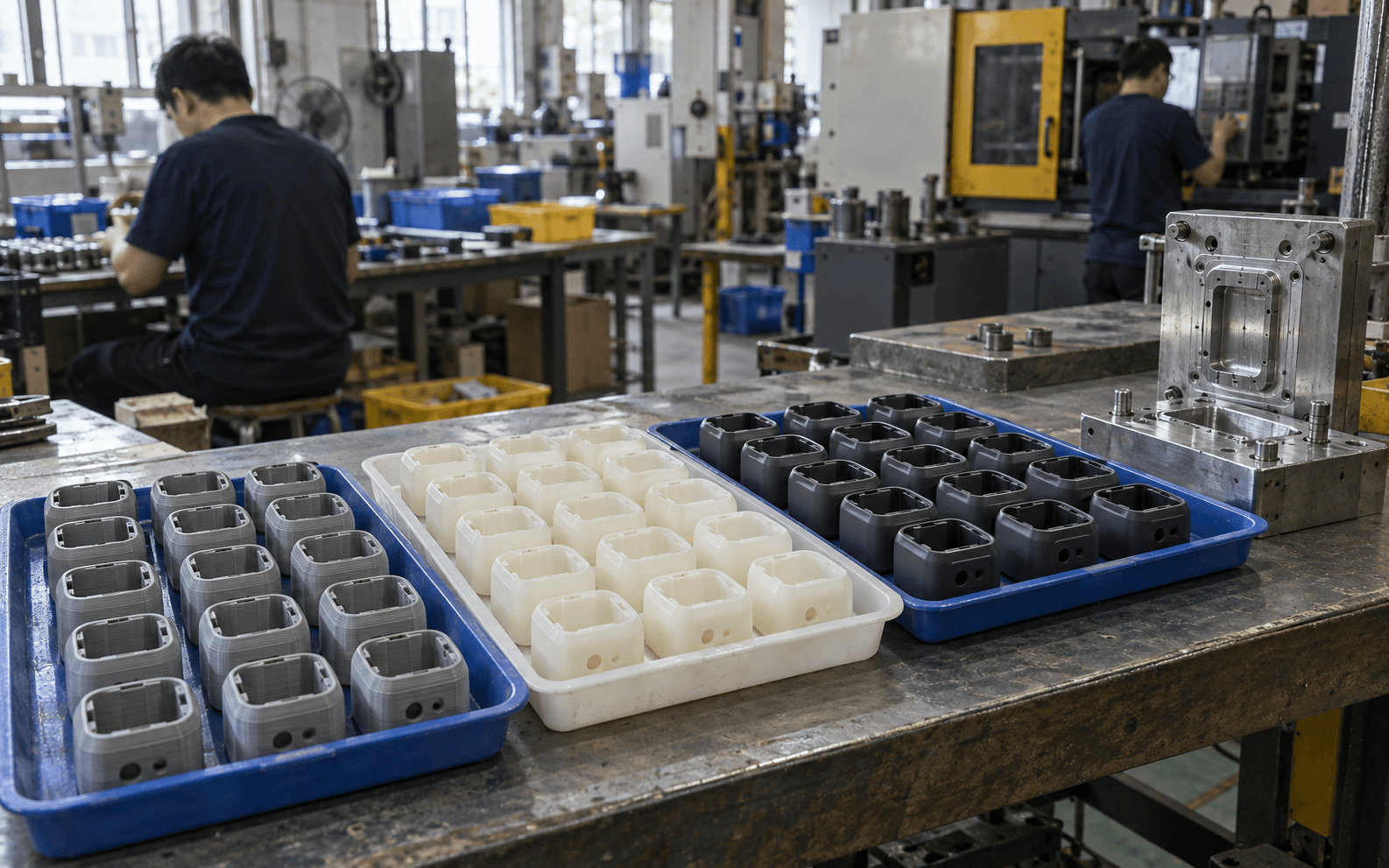
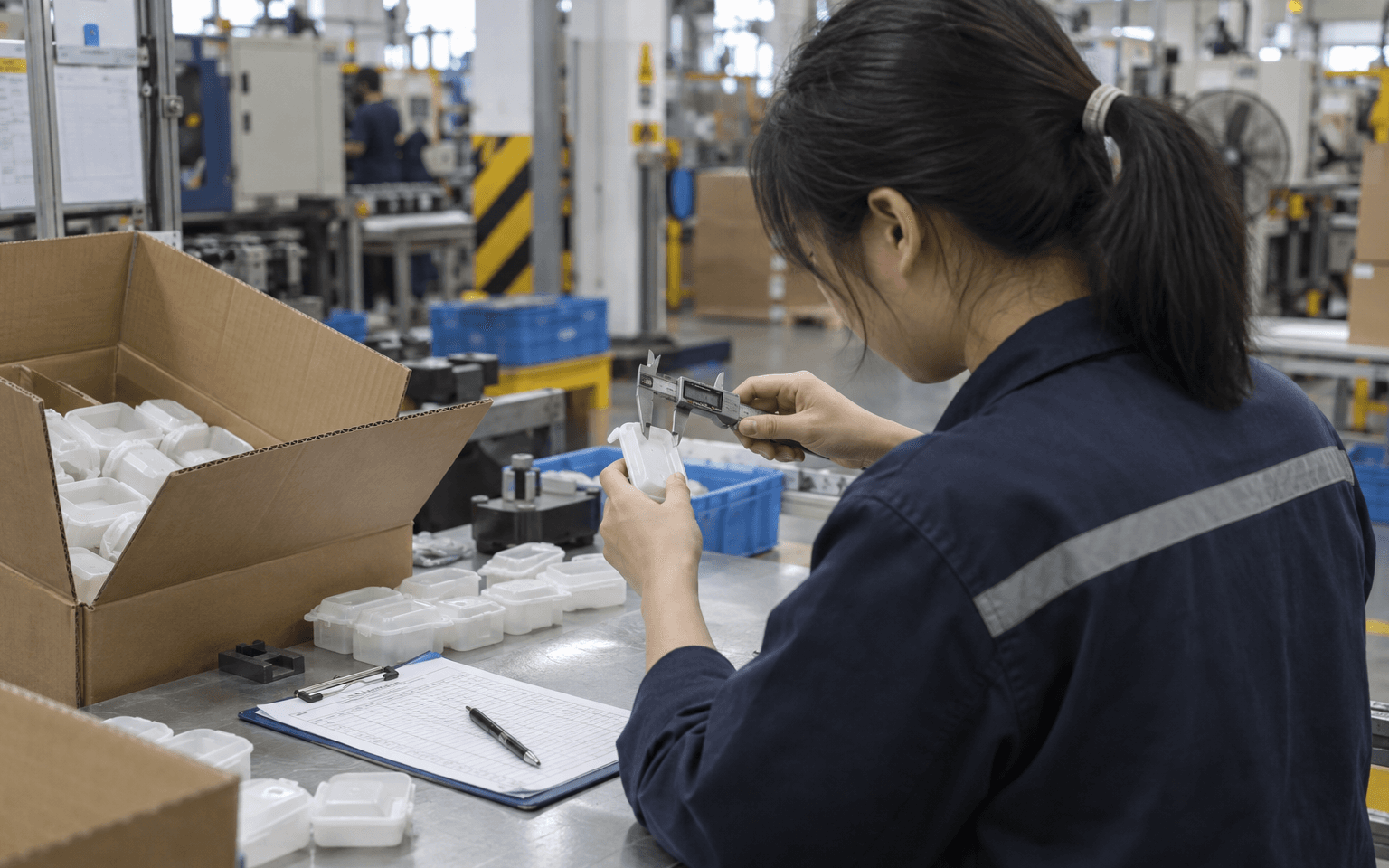
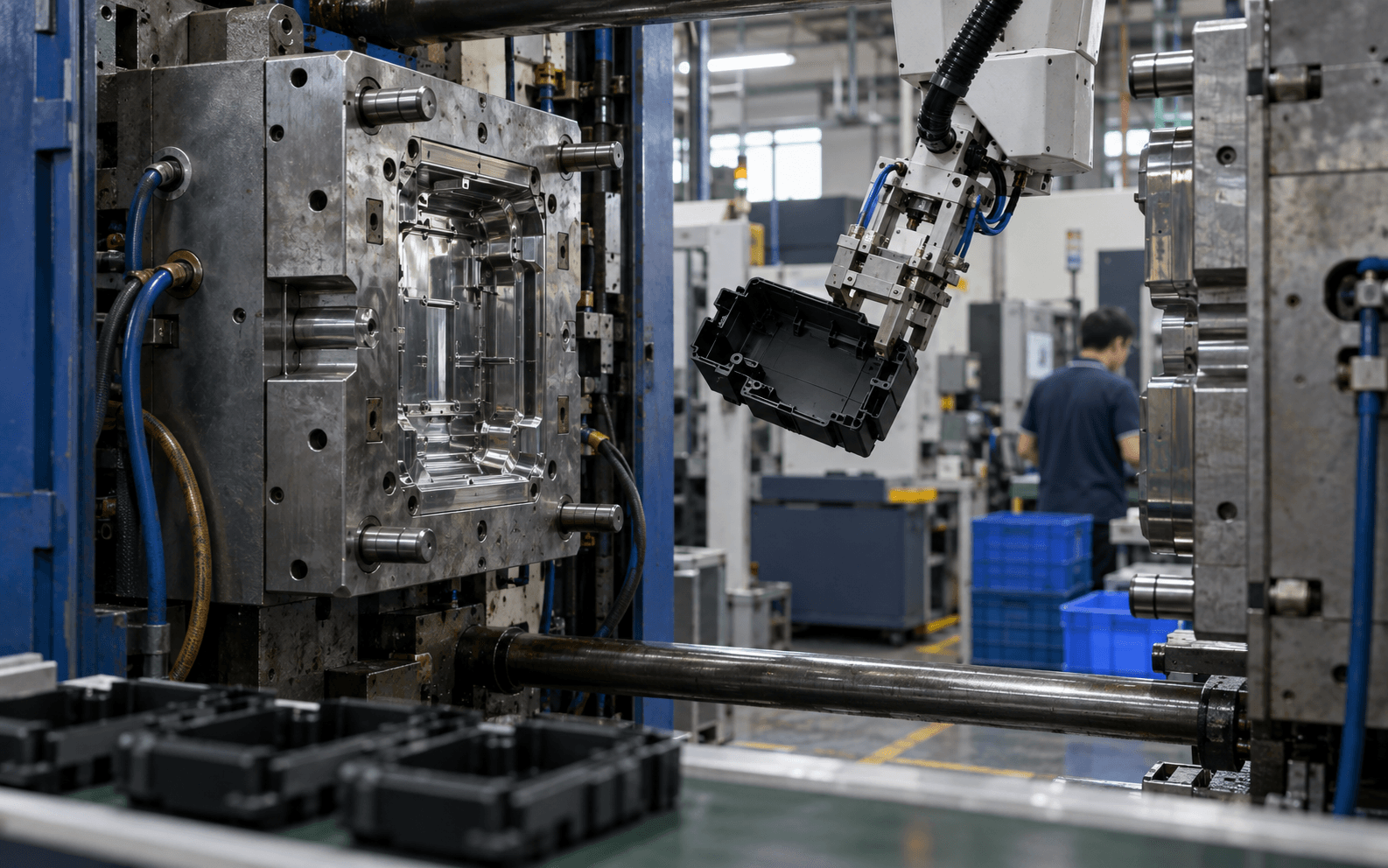
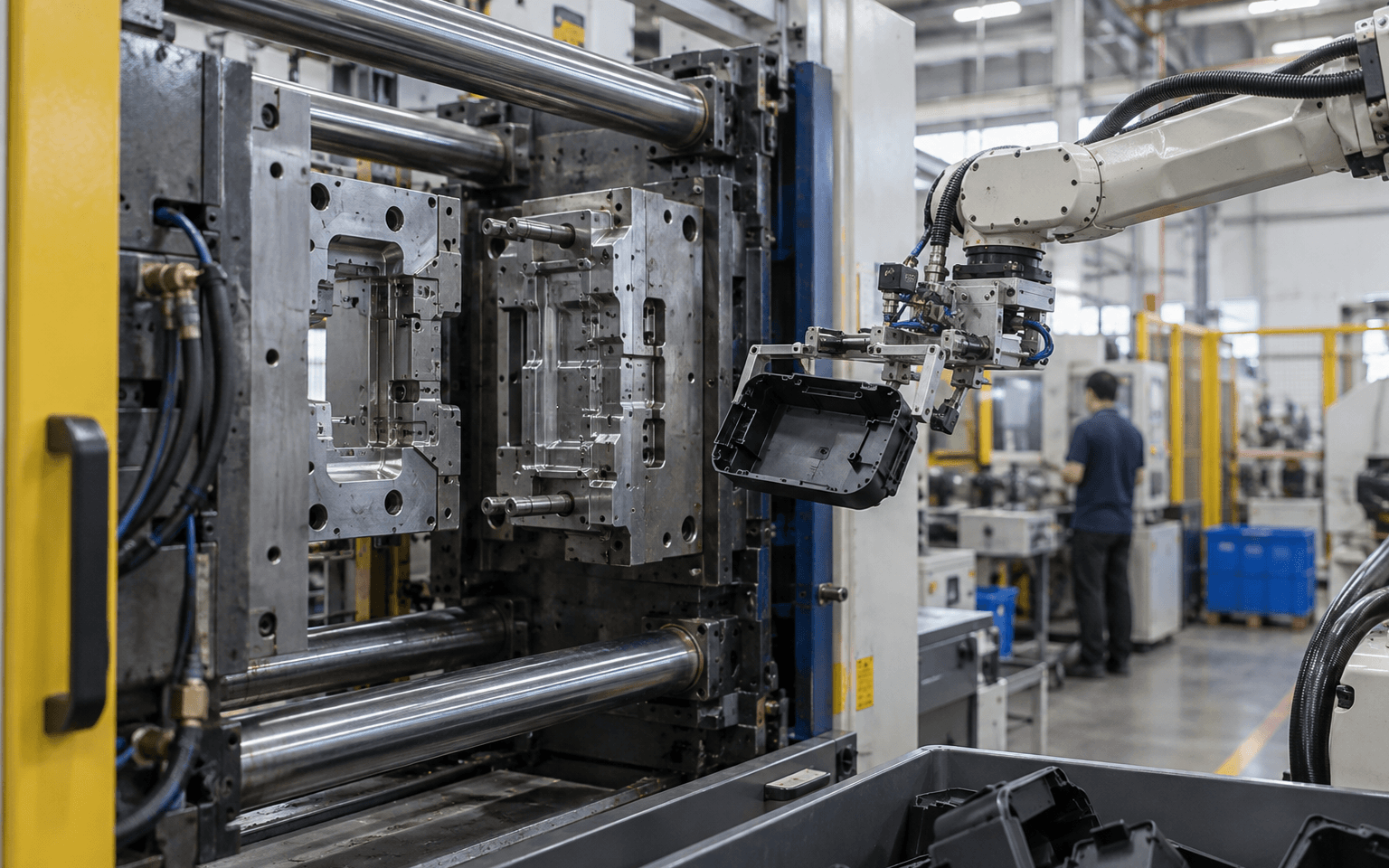
Injection molding is how most plastic parts are mass-produced. Melted plastic is forced into a steel mold shaped like your part, cools in seconds, and pops out, over and over. The mold is expensive and takes weeks to make, but after that each part costs very little. It makes sense once your design is final and you need thousands of parts. Read our guide on getting a mold made before you start.

Design tips (DFM: designing so it's easy to make)

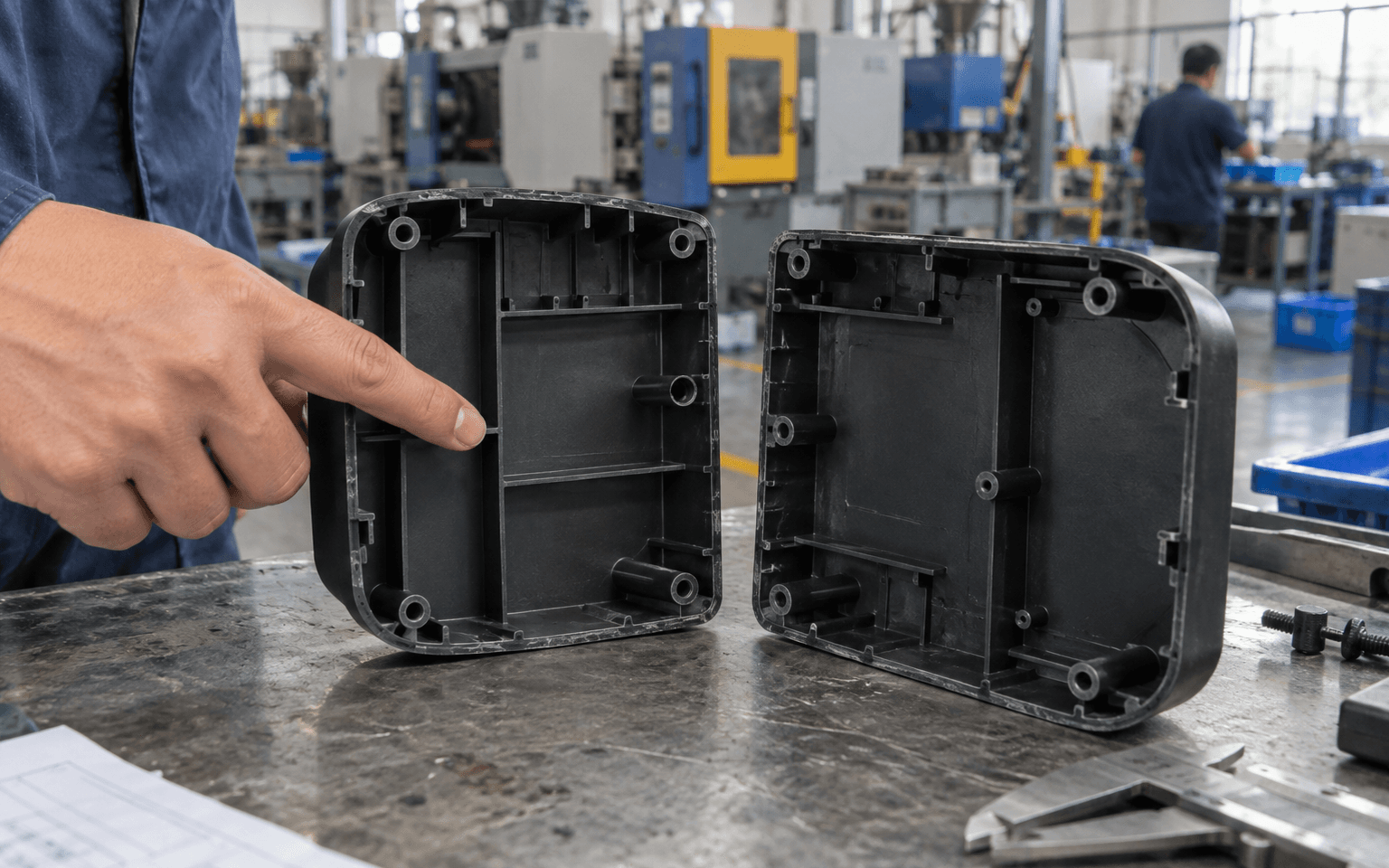
  1. 01Add draft angles to all walls in the pull direction
  2. 02Keep wall thickness uniform to avoid sink and warp
  3. 03Minimise undercuts (each slide or lifter adds cost)
  4. 04Agree gate location and cosmetic A-surfaces before steel is cut

Shops for this process

Foreign-owned

Foreign-owned, foreign-managed factory (Sofeast group) with English-speaking staff in every department

Dongguan · Chang'an
Makes in-housePrototypesLow volumeMass production
Contract manufacturing / box buildPCB assembly (SMT/PCBA)Injection moldingSilicone & LSR molding
Native-English project managerSource ↗
Chinese

DMG 5-axis and rows of 3-axis CNC in a 5,000 m² Chang'an base

Dongguan · Chang'an
In-house + partnersPrototypesLow volumeMass production
CNC machiningUrethane / vacuum castingSheet metal fabrication3D printing
English-speaking salesSource ↗
Foreign-owned

Proprietary zinc multi-slide die casting, invented in 1936

Dongguan · Dalang
In-house + partnersMass production
Die castingInjection moldingCNC machiningSurface finishing
English-speaking salesSource ↗

Fanstar Mold

范仕达
Foreign-managed

Multi-cavity pen molds and two-shot keycap molds

Dongguan · Chang'an
Makes in-houseMass production
Injection moldingSurface finishingMold / tool makerFactory
English-speaking salesSource ↗

Silver contacts and electrical contact assemblies, riveted or welded in the mold

Dongguan · Fenggang
Makes in-housePrototypesLow volumeMass production
Metal stampingCNC machiningSheet metal fabricationInjection molding
English-speaking salesSource ↗

Sino-British founders (CEO Vader Yu and James Murphy) and English-speaking project managers

Shenzhen · Bao'an
Makes in-housePrototypesLow volumeMass production
CNC machining3D printingUrethane / vacuum castingSheet metal fabrication
English-speaking salesSource ↗

Custom screws and fasteners at scale: 120 screw machines, about 1.2 million pieces a day

Shenzhen · Longhua
Makes in-housePrototypesLow volumeMass production
CNC machiningInjection moldingFactory
English-speaking salesSource ↗

Industrialman

工业人
Chinese

Automotive white-body stamping prototypes and full-size show-car models

Shenzhen · Bao'an
Makes in-housePrototypesLow volume
Rapid prototyping (multi-process)CNC machiningSheet metal fabricationMetal stamping
English-speaking salesSource ↗

Kaierwo

凯尔沃
Chinese

New-energy prototypes: battery packs, charger housings, inverters, cooling modules

Shenzhen · Guangming
Makes in-housePrototypesLow volumeMass production
Rapid prototyping (multi-process)CNC machiningUrethane / vacuum casting3D printing
English-speaking salesSource ↗
See all (17) →

Get 3 quotes

Get 3 quotes: Injection molding

Describe the part once. We send it to up to 3 shops that fit, and they quote you directly.

By sending this you agree we can share these details with up to 3 shops. Some shops pay us per request or a commission; that never changes your price. See the privacy policy and referral disclosure.

21 guides

Guides & articles

Everything we've written about Injection molding, starting with the basics.

Injection molding guides →
Start here
10 min

What is injection molding? A plain-English guide

How injection molding works, why it makes plastic parts so cheap at volume, what the catch is, and when your product is ready for it.

→
01Choosing · 7 min

Aluminum vs steel molds (rapid tooling explained)

The difference between aluminum "rapid" tooling and hardened steel production molds, with cost, speed and lifetime compared in plain English, and how to choose for your first run.

02Working in China · 18 min

How to get an injection mold made in China

A plain-English walkthrough for first-timers. What an injection mold is, when you need one, what it costs, how long it takes, and how to make sure the mold belongs to you.

03Cost · 9 min

How much does injection molding cost?

The two costs of injection molding (the mold and each part) explained for first-timers, with a simple way to work out when molding becomes cheaper than prototyping methods.

04Design · 10 min

Design rules for injection-molded parts

The handful of design rules that make plastic parts moldable and cheap. Draft, wall thickness, ribs, bosses and undercuts, explained simply with the reason behind each.

05Basics · 6 min

Overmolding and insert molding explained

How products get soft-touch grips, rubber seals and molded-in metal parts. Overmolding, two-shot molding and insert molding explained simply.

06Basics · 10 min

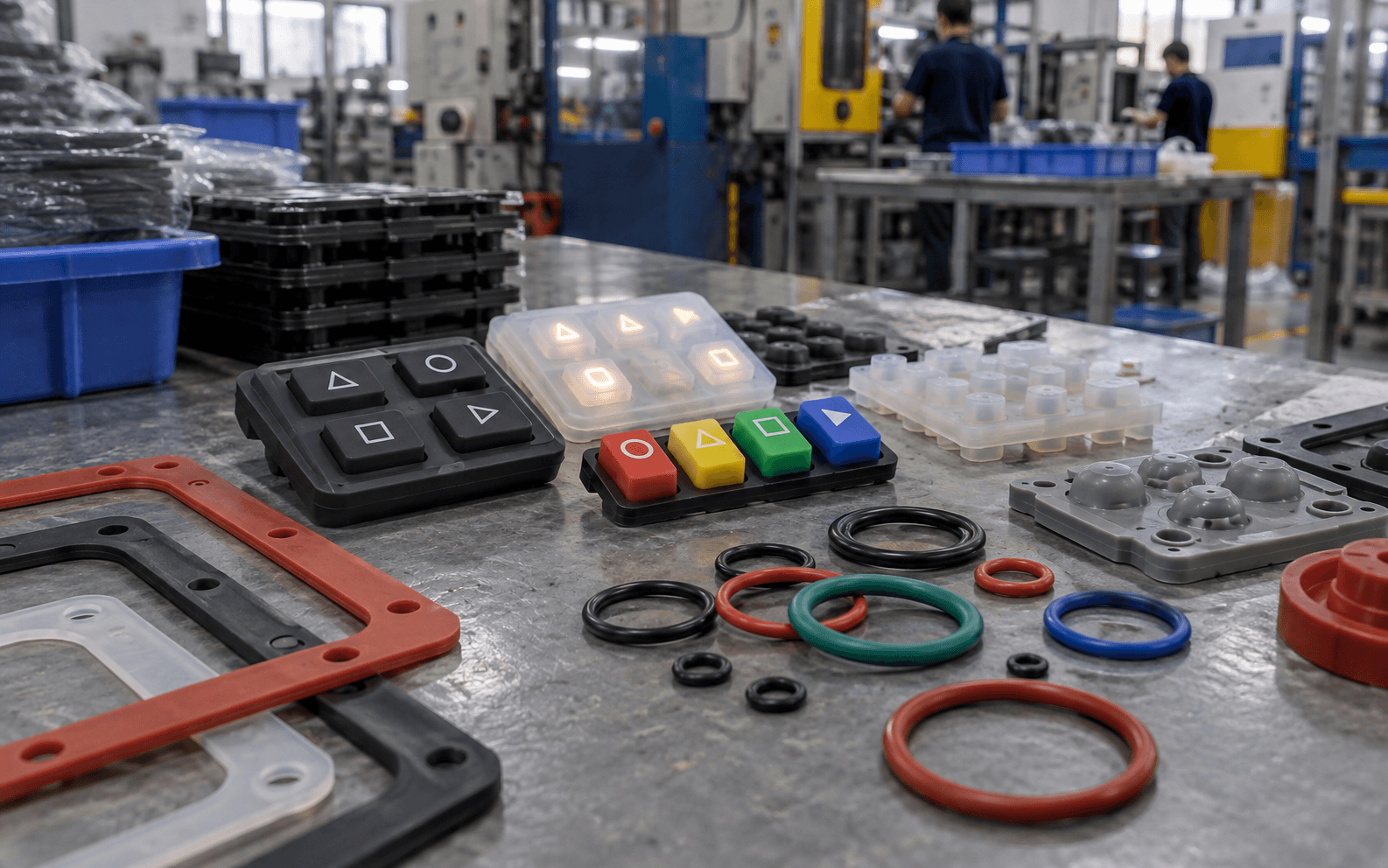
Silicone keypads and seals: a beginner's guide

How custom silicone parts like keypads, buttons, gaskets and seals are made, what hardness and key feel mean, compression molding vs LSR, and how to order them in Shenzhen and Dongguan.

07Design · 9 min

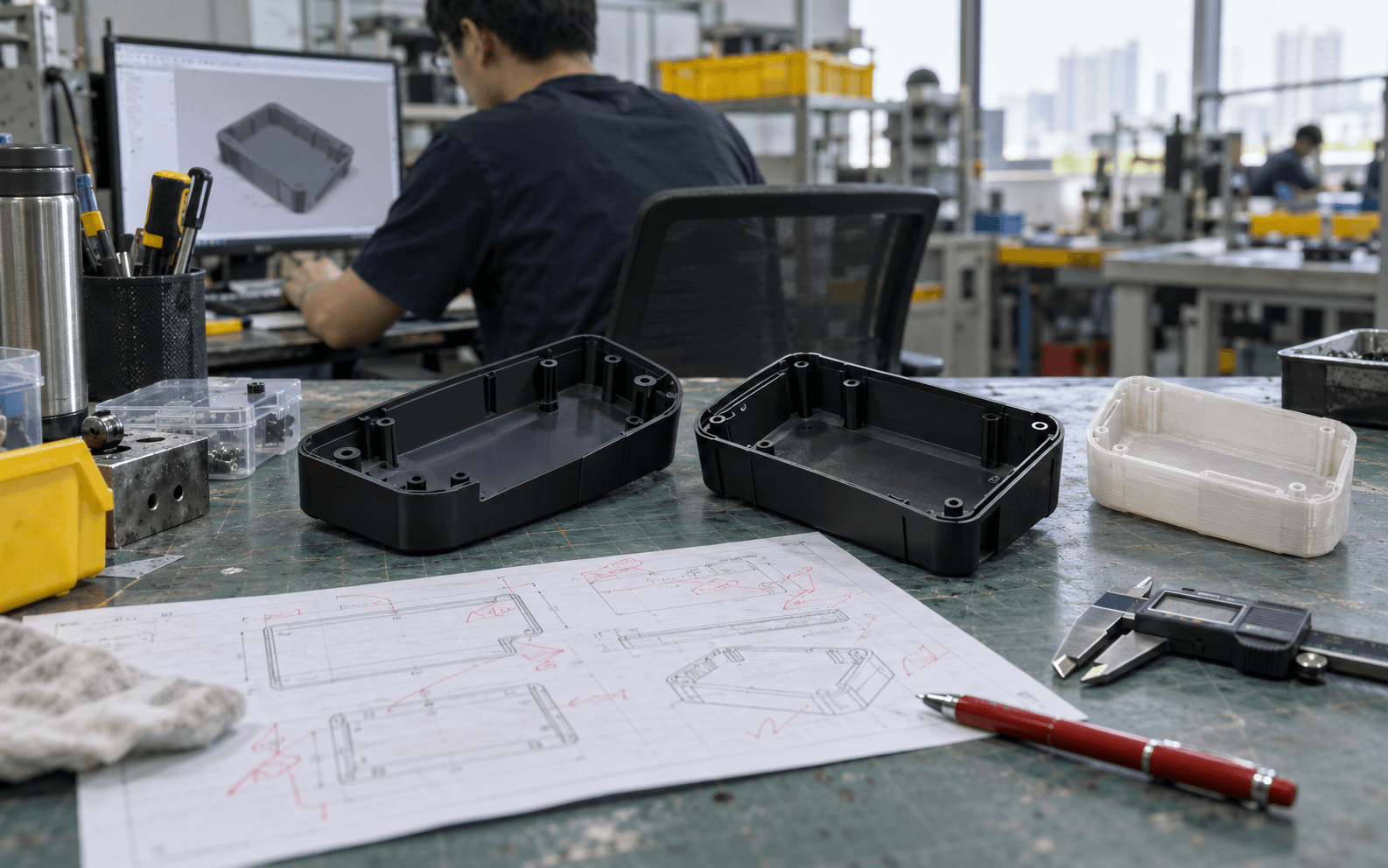
What is DFM? Design for manufacturing explained

What design for manufacturing (DFM) means, why it decides most of your product's cost, the core rules, when to do a DFM review, and how DFM feedback from Shenzhen suppliers works.

08Design · 7 min

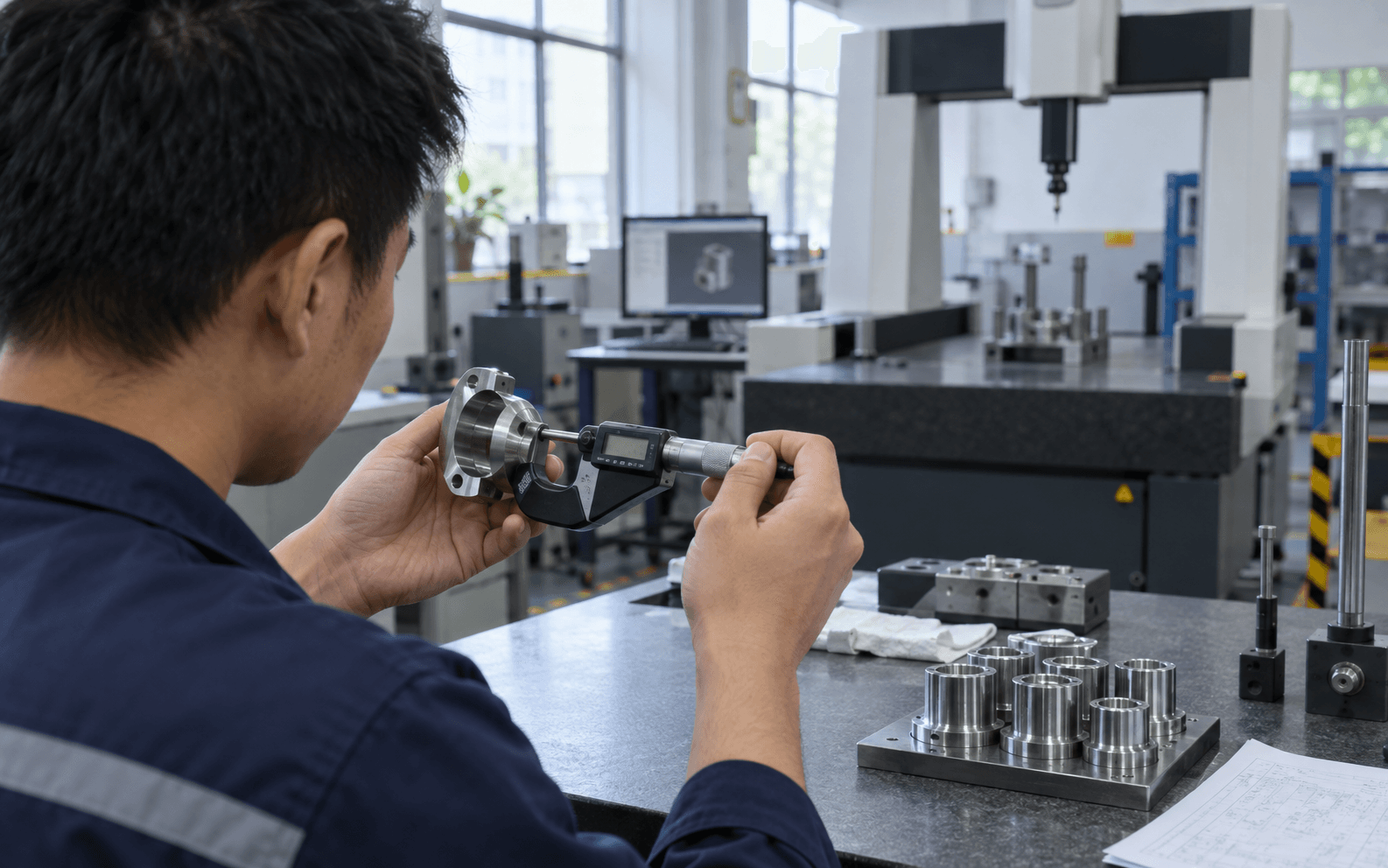
Tolerances explained for first-timers

What "±0.05 mm" means, why tighter tolerances cost more, and how to decide which features of your part actually need them.

09Design · 9 min

Engineering change orders (ECOs) and design freeze, explained

What design freeze means, why late changes are so expensive in hardware, and how engineering change requests, orders and notices (ECR, ECO, ECN) keep you and your factory on the same version.

10Basics · 12 min

EVT, DVT, PVT explained

The three test builds between a working prototype and mass production, explained for first-time founders. What each build is for, roughly how many units you make, and what usually goes wrong.

11Cost · 8 min

50 parts: casting vs printing vs molding

You need around 50 plastic parts. Should you 3D print them, vacuum cast them, or make a mold? A plain-English comparison of cost, speed, looks and material, with a simple way to compare quotes.

12Cost · 10 min

How much does it cost to develop a hardware product?

The cost buckets of developing and manufacturing a hardware product, explained for first-timers. Design, prototypes, tooling, certification and the first production order, with typical ranges where they're widely published, plus the costs people forget.

13Basics · 9 min

How long does it take to develop a hardware product?

A realistic timeline for bringing a hardware product to market, stage by stage, for first-time founders. Where the time actually goes, what slows projects down in Shenzhen, and how to save weeks.

14Working in China · 10 min

How to choose a factory in China

A step-by-step, neutral guide for first-time hardware teams. How to find suppliers, tell factories from trading companies, check what you can, compare quotes, and start small.

15Design · 8 min

How to specify colour and finish

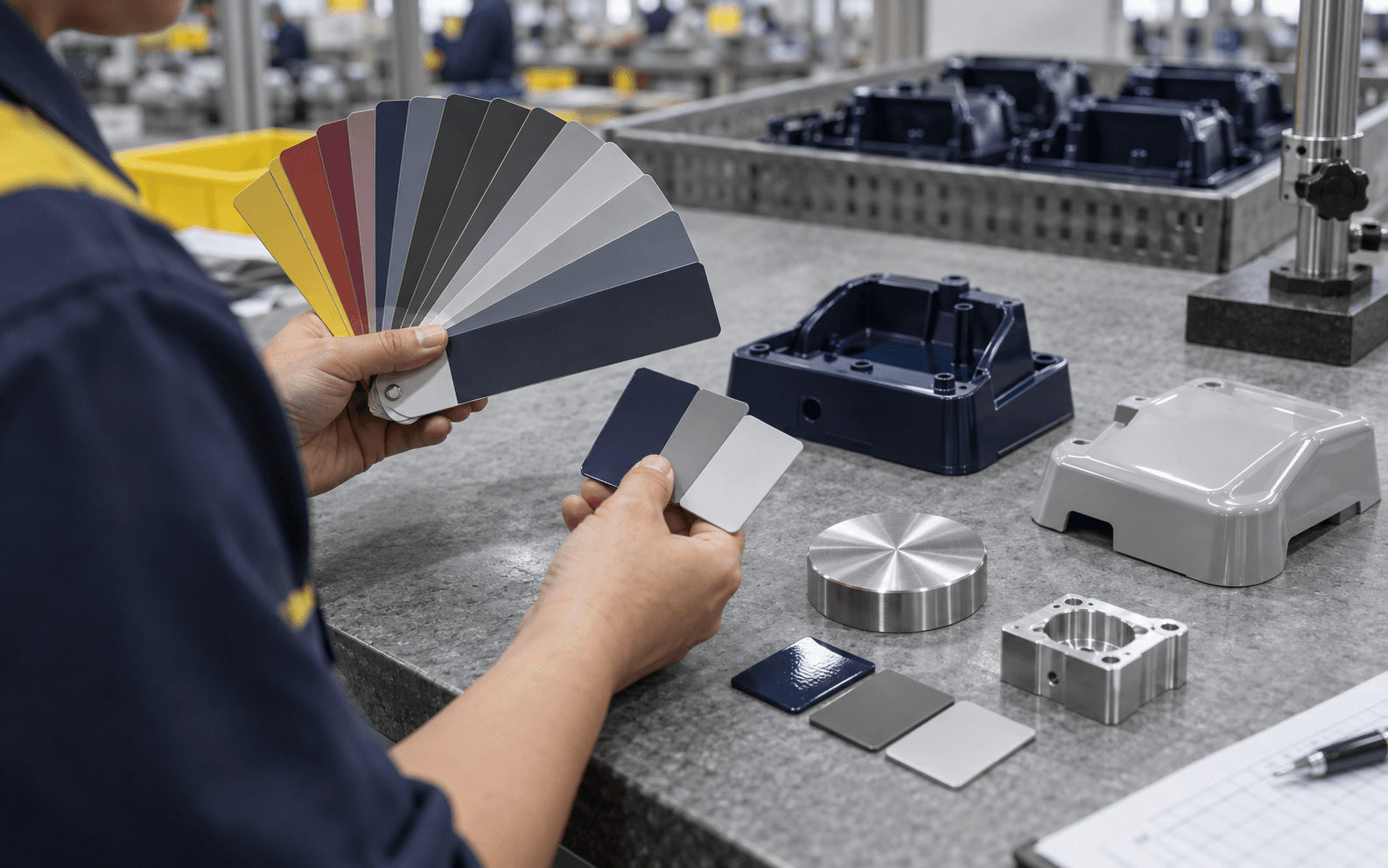
How to tell a factory exactly what colour, gloss and texture you want, using colour codes, physical samples, texture standards and a simple written spec. For first-time hardware teams.

16Choosing · 8 min

How to write an RFQ

What a request for quotation (RFQ) is, what to put in it, and how to write one that gets clear, comparable quotes from Shenzhen suppliers. With a checklist you can copy.

17Working in China · 8 min

NNN agreements explained

What an NNN agreement is, how it differs from a standard NDA, why it's commonly recommended when working with Chinese manufacturers, and what it can and can't do. Plain-English background, not legal advice.

18Basics · 11 min

Product development stages: how to make a physical product from idea to finished product

The stages of making a physical product, from first sketch to boxes on a ship, explained for first-timers. What happens at each stage, why it matters, what you get out of it, and who in Shenzhen helps.

19Basics · 10 min

Prototype to production: what changes when you scale from 10 units to 1,000

Why a product that works as 10 prototypes can fail at 1,000 units, what changes in parts, people, testing, documents and cash as you scale, and the steps between a working prototype and your first production run in Shenzhen.

20Working in China · 10 min

Quality inspection explained: pre-shipment checks and AQL

What pre-shipment inspection is, when to inspect, how AQL sampling works in plain words, what an inspector checks, and how to prepare so the report is actually useful. For first-time importers.

Common questions

Who owns the mold?

You should. Put mold ownership (私模) and the transfer terms in the contract.

What are T1 samples?

The first parts from the new tool, used to find defects before modifications.