There's no single number. A simple plastic gadget and a wireless medical device can differ in cost by a factor of a hundred. What you can do is understand the buckets your money goes into, roughly what drives each one, and which ones catch first-timers off guard.
This guide won't give you an invented total. It gives you a way to build your own estimate, with typical ranges where they're widely published.
Two kinds of cost: one-off and per-unit
Every hardware budget has two halves, and mixing them up is the most common budgeting mistake.
- One-off costs, often called NRE (non-recurring engineering): money you spend once to get ready to make the product. Design work, prototypes, molds, test fixtures, certification. You pay these whether you sell 100 units or 100,000.
- Per-unit costs: what each finished unit costs to make. Parts, assembly, testing, packaging, shipping. These repeat with every unit.
Why it matters: one-off costs are spread across every unit you sell. A $20,000 mold adds $20 to each unit if you sell 1,000, and $0.20 if you sell 100,000. That's why low volumes are expensive per unit.
Bucket 1: design and engineering
Turning your idea into production-ready CAD files, circuit designs and a BOM (bill of materials, the list of every part).
- What drives cost: the number of disciplines involved (industrial design, mechanical, electrical, firmware, app), and how many rounds of changes you need.
- Typical range: from a few thousand dollars for a simple product with no electronics, to much more for connected devices. Products with radios, batteries and apps often need several specialists.
Bucket 2: prototypes
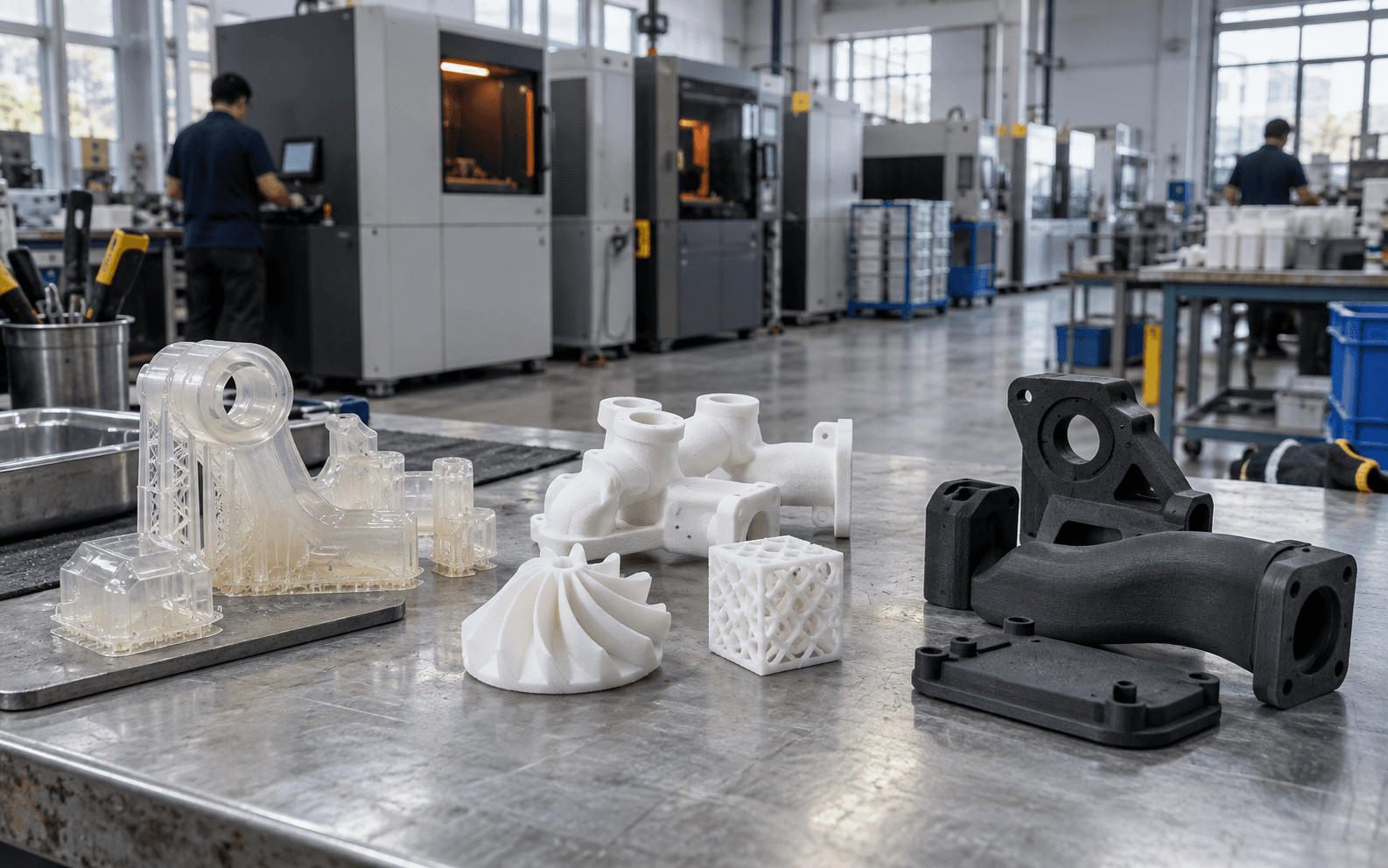
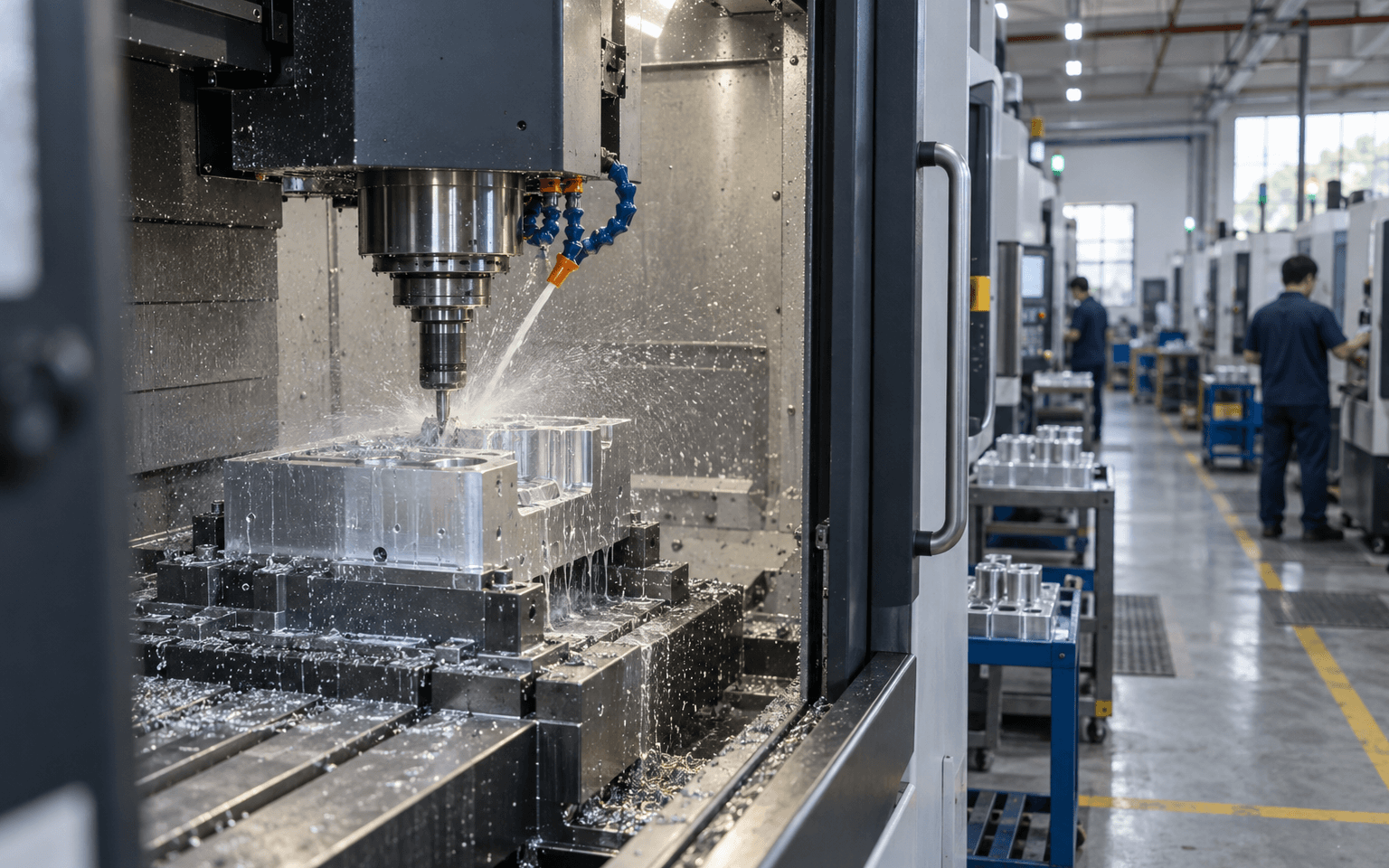
Physical versions made by 3D printing, CNC machining and urethane casting, plus early circuit boards.
- What drives cost: part size, material, finish, quantity per round, and the number of rounds.
- Typical range: single prototype parts often cost from tens to hundreds of dollars each in Shenzhen, more for large or finely finished parts. Multiply by parts per product, units per round, and two to four rounds.
See What is rapid prototyping?, CNC machining cost and PCB assembly cost.
Bucket 3: tooling
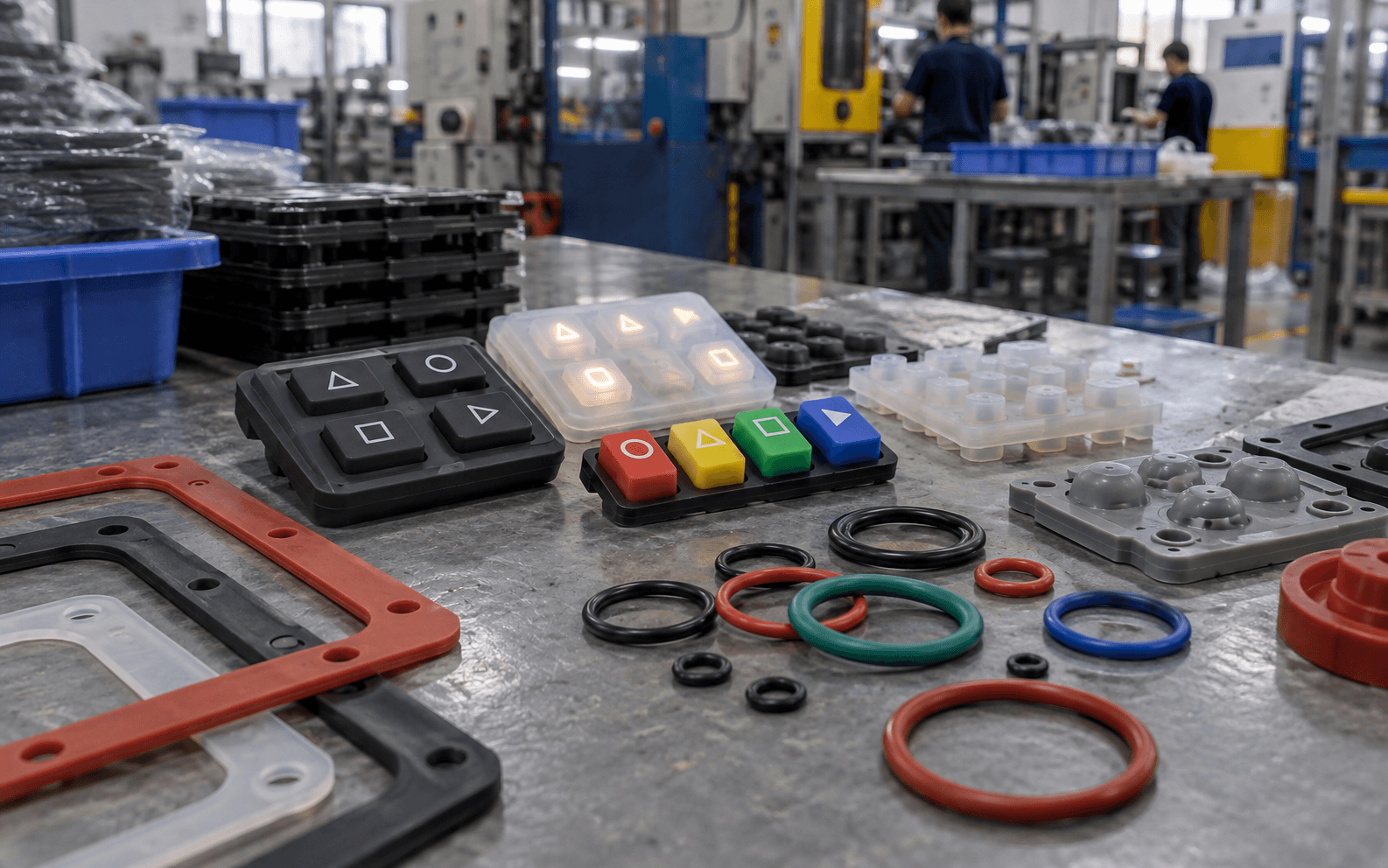
Custom molds and dies for mass production. Usually the biggest single up-front cost.
- What drives cost: how many custom parts you have, their size and complexity, the steel used, and how many parts each mold makes per cycle (its number of cavities).
- Typical range: from a few thousand to tens of thousands of dollars per mold. A product with five custom plastic parts may need several molds.
- Don't forget: mold modifications after the first samples, and making sure you own the mold in writing.
See Injection molding cost and Aluminum vs steel molds.
Bucket 4: pilot builds and test fixtures
The EVT, DVT and PVT trial builds, plus fixtures: custom rigs the factory uses to hold, assemble and test your product.
- What drives cost: the number of units per build, how many builds, and how complex your testing is.
- Typical range: varies too much to give a useful number. Get it quoted by your contract manufacturer as a separate line.
Bucket 5: certification
Safety, radio and other tests needed to sell in each market, such as FCC (USA) and CE (Europe).
- What drives cost: whether the product has a radio (Wi-Fi, Bluetooth, cellular), batteries, mains power, and how many markets you sell in.
- Typical range: simple products in a few markets can be a few thousand dollars. Wireless products cost more, and a failed test means paying to retest.
- Tip: using a pre-certified wireless module (a ready-made radio board that's already been tested) can reduce testing cost.
Bucket 6: the first production order
Now the per-unit costs kick in, for real, all at once.
- Parts (the BOM cost): every component, often the largest share of unit cost. See What is a bill of materials?
- Assembly and testing labour.
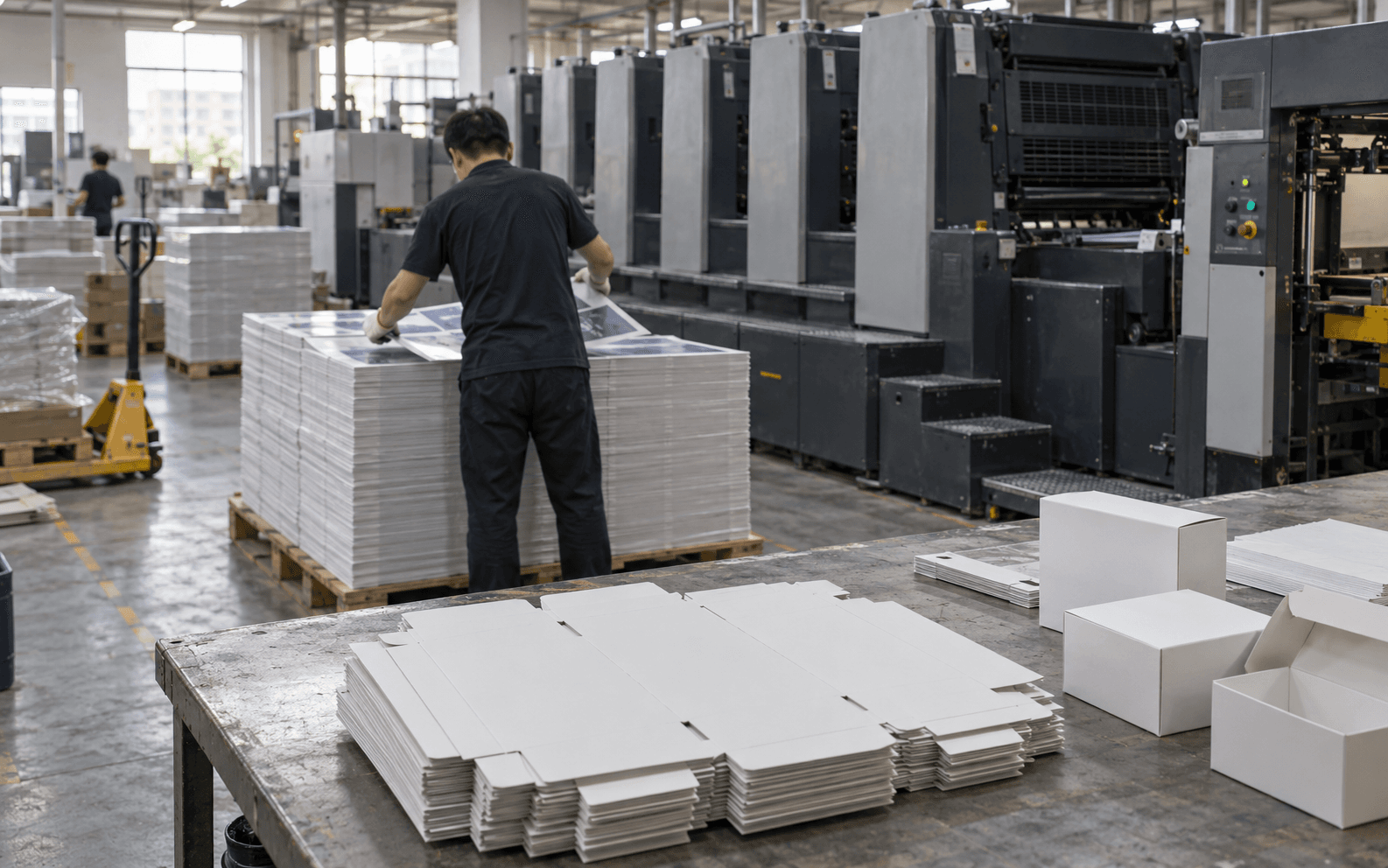
- Packaging: boxes, inserts, manuals. Printed boxes usually have minimum orders.
- Inspection: third-party inspectors are typically charged per inspector-day, often a few hundred dollars. See Quality inspection explained.
- Minimum order quantities (MOQ): suppliers often won't make fewer than a set amount, so your first order may be larger than you'd like.
Factories in China commonly ask for a deposit (定金, dìng jīn) before starting and the balance before shipping, so you'll need cash well before any revenue arrives.
The costs people forget
- Shipping, duties and import taxes. Sea freight is cheap per unit but slow; air is fast and expensive. See Shipping from Shenzhen: sea vs air and Incoterms for first-timers.
- Spare units and scrap. Not every unit comes off the line good, especially early on.
- Engineering changes. Each late design change can mean mold work, new parts and retesting.
- Travel to Shenzhen for key builds.
- Legal and IP: trademarks, contracts, confidentiality agreements. See NNN agreements explained.
- Returns and warranty once you're selling.
- Your own time. It usually takes longer than planned, and that has a cost too. See How long does it take to develop a hardware product?
Putting it together
| Bucket | One-off or per unit? | Typical scale |
|---|---|---|
| Design & engineering | One-off | Thousands, more with electronics |
| Prototypes | One-off | Tens to hundreds of dollars per part, times several rounds |
| Tooling | One-off | Thousands to tens of thousands per mold |
| Pilot builds & fixtures | One-off | Quoted per project |
| Certification | One-off (per market) | Thousands, more for wireless |
| Parts, assembly, packaging | Per unit | Depends on your BOM and quantity |
| Inspection | Per order | Often a few hundred dollars per inspector-day |
| Shipping & duties | Per order | Depends on mode, weight and destination |
A simple way to build your own estimate:
- List your custom parts and get rough mold quotes for each.
- Price your BOM at your first order quantity.
- Ask a contract manufacturer for an assembly and pilot-build estimate. Send a clear RFQ.
- Ask a test lab what your product will need.
- Add a buffer for changes and surprises. Many planning guides suggest 20–30%.
How to keep costs down
- Do DFM early so molds are simpler and need fewer fixes. See What is DFM?
- Use fewer custom parts and more standard ones.
- Start with simpler tooling (for example, aluminum molds) when volumes are uncertain.
- Get several quotes and compare them line by line, not just the total.
- Don't change the design after tooling unless you must.
FAQ
What does it cost to make a prototype? A single 3D-printed part can cost very little; a fully finished multi-part prototype with electronics can cost hundreds or more. Budget for several rounds, not one.
Why is the first unit so expensive? Because all the one-off costs land on it. The cost per unit only falls as you spread those costs over more units.
Is it cheaper to manufacture in China? Often, especially for parts and electronics, thanks to the dense supply chain around Shenzhen and Dongguan. Shipping, duties, travel and communication time also count, so compare total landed cost, not just unit price.
Keep reading
- Product development stages: from idea to finished product
- Injection molding cost
- Prototype to production: what changes from 10 units to 1,000
- How to choose a factory in China
Next steps
- Browse design and engineering firms, mold makers and test labs for quotes
- See the Funding & legal stage of the Path
- Not sure where to start? Get an intro
Updated 3 October 2026