LKK Design
洛可可Founded in 2004 by Jia Wei, profiled as a winner of golds at five major design awards
Shenzhen · FutianProduct design & engineeringDesign & engineering firm
Chinese onlySource ↗
Station 01 / 10
You turn an idea into a design that can actually be built: how it looks (industrial design), how the parts fit and move (mechanical engineering), and how the electronics work (electrical engineering). The output is a set of 3D CAD files, circuit designs and a first BOM (bill of materials: the list of every part in your product).
Almost every later cost comes from decisions made here. A design that ignores how things are manufactured can need expensive changes later, or a second set of molds.
Freelance or studio design work ranges widely, from a few thousand dollars for a simple product to much more for complex electronics. Plan on 2–8 weeks for a first complete design, plus rounds of changes after prototypes.
Design and engineering firms in Shenzhen can do all three disciplines under one roof, and many work in English. NPI partners (companies that guide first-time teams from prototype to production) often include design too.
Founded in 2004 by Jia Wei, profiled as a winner of golds at five major design awards
Shenzhen · FutianMedical-device contract design and manufacturing since 2002
Hong KongFounded by quality engineer Renaud Anjoran, author of QualityInspection.org
Hong KongEnglish-speaking NPI partner for startups, builds from 5 units
Shenzhen · LonghuaGerman-founded (2012) design-to-production firm with Berlin and Shenzhen offices
Shenzhen · Bao'anOpen-hardware maker brand (400+ own boards) that also assembles customers' PCBs
Shenzhen · Bao'anUK-educated founders bridging Western design and Shenzhen manufacturing
Shenzhen · FutianForeign-owned, foreign-managed factory (Sofeast group) with English-speaking staff in every department
Dongguan · Chang'anSamples and small orders with fast quotes
Shenzhen · Bao'anMulti-cavity pen molds and two-shot keycap molds
Dongguan · Chang'anMolds in about 7 days and short molded runs in 7–15 days
Dongguan · Chang'anSister PCB and PCBA factories in the same Fuyong industrial park
Shenzhen · Bao'an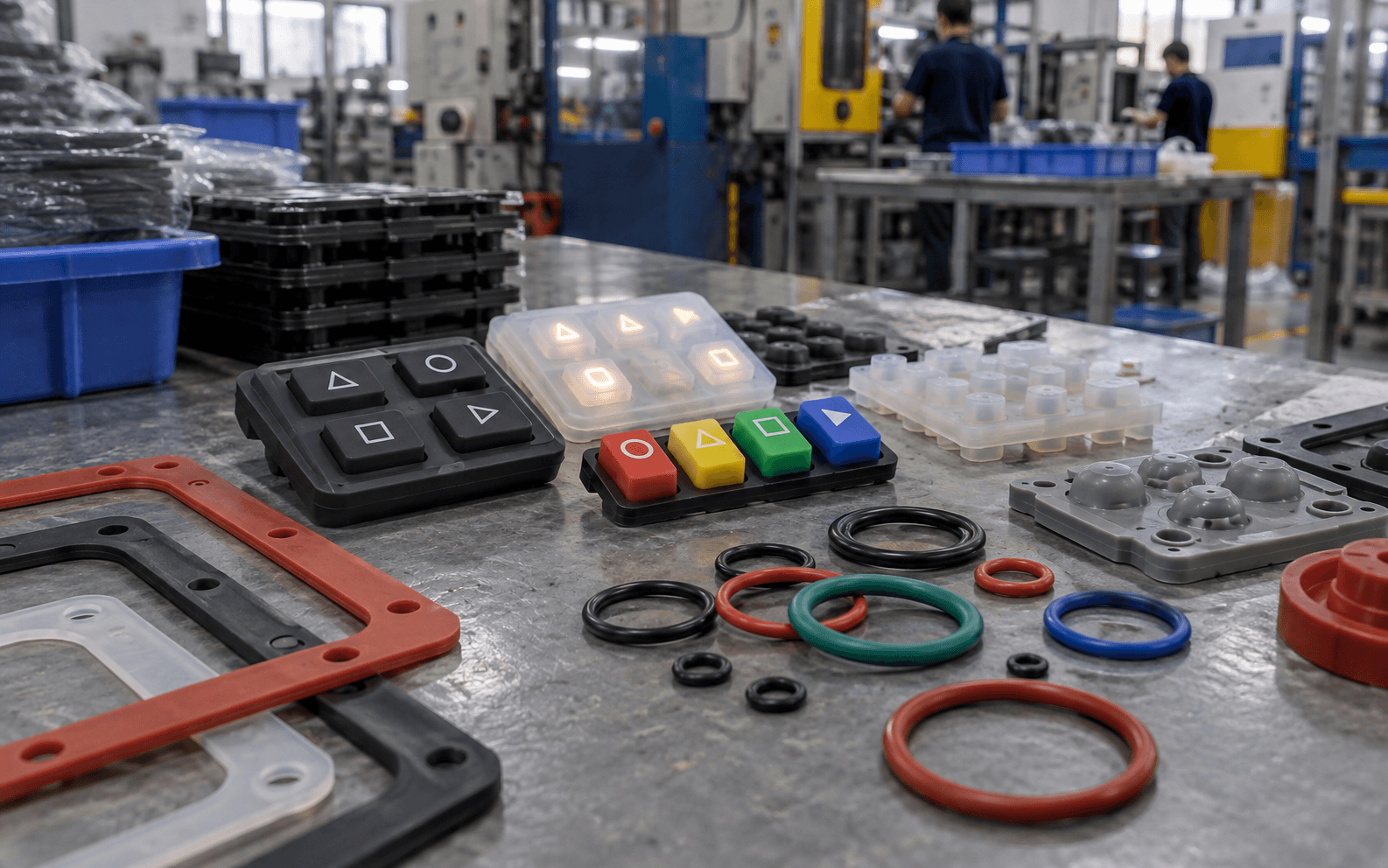 01Basics · 10 min
How custom silicone parts like keypads, buttons, gaskets and seals are made, what hardness and key feel mean, compression molding vs LSR, and how to order them in Shenzhen and Dongguan.
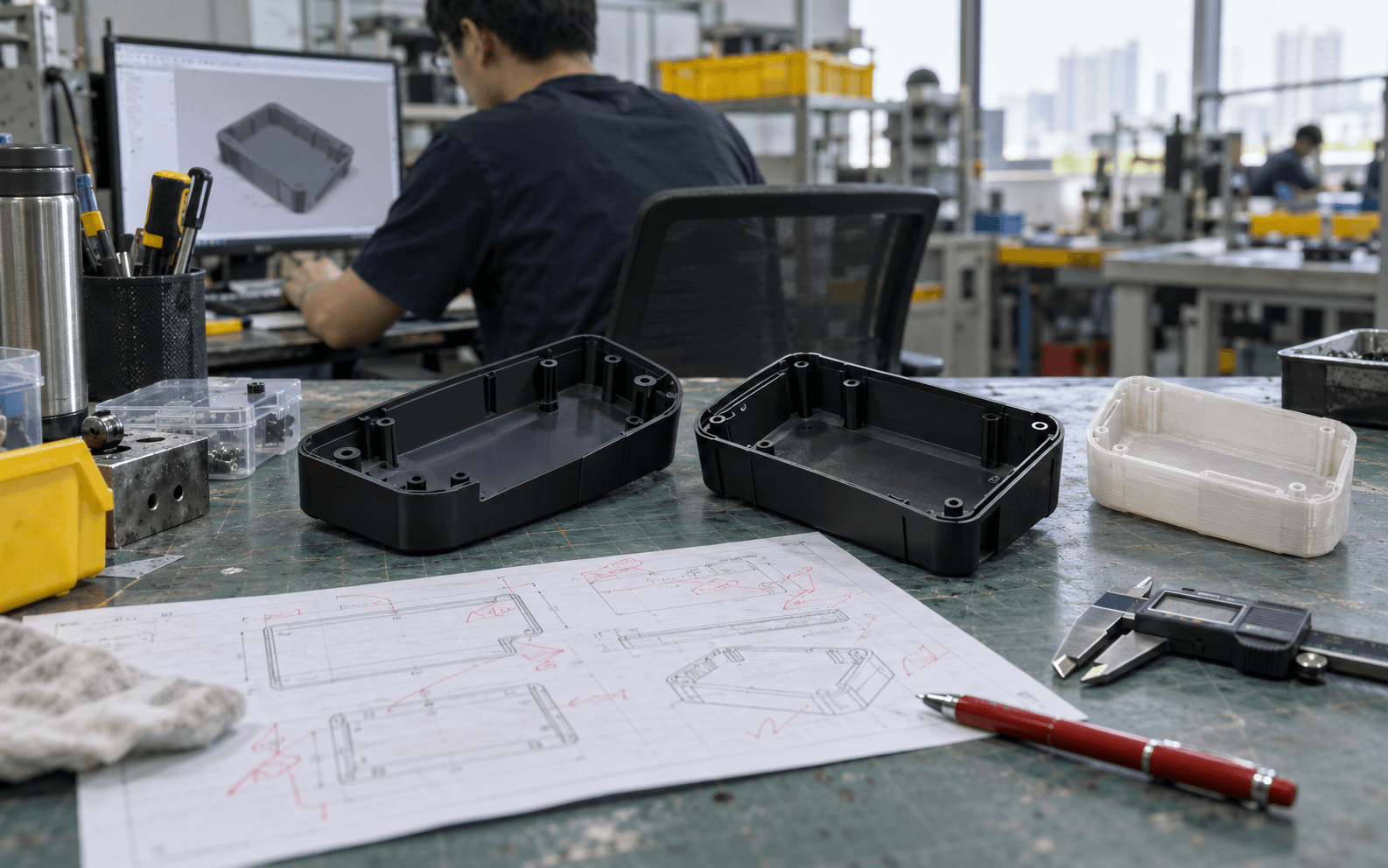 02Design · 9 min
What design for manufacturing (DFM) means, why it decides most of your product's cost, the core rules, when to do a DFM review, and how DFM feedback from Shenzhen suppliers works.
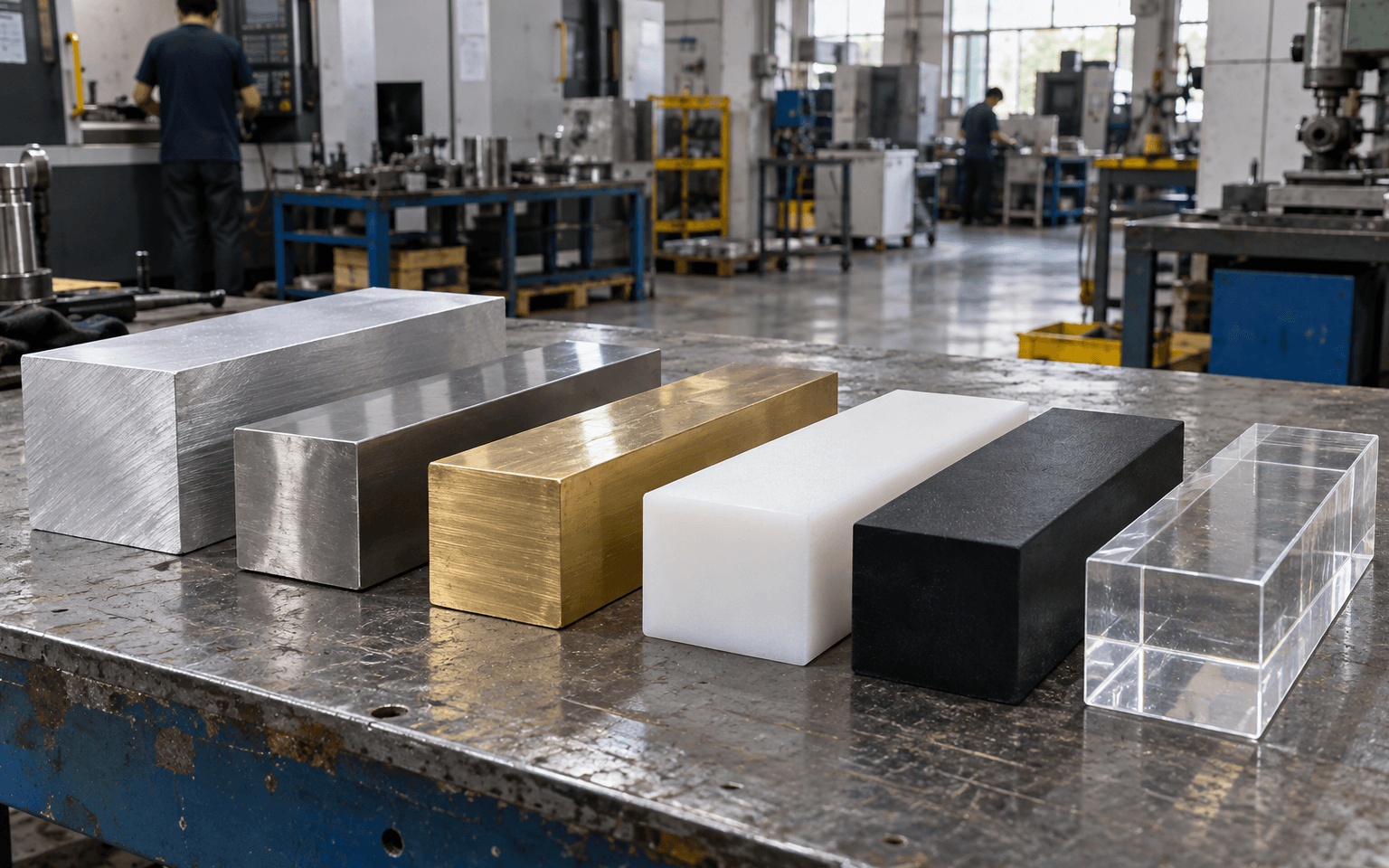 03Design · 8 min
A beginner's guide to the most common CNC materials (aluminum, steel, brass and engineering plastics), what each is good for, and how they affect price.
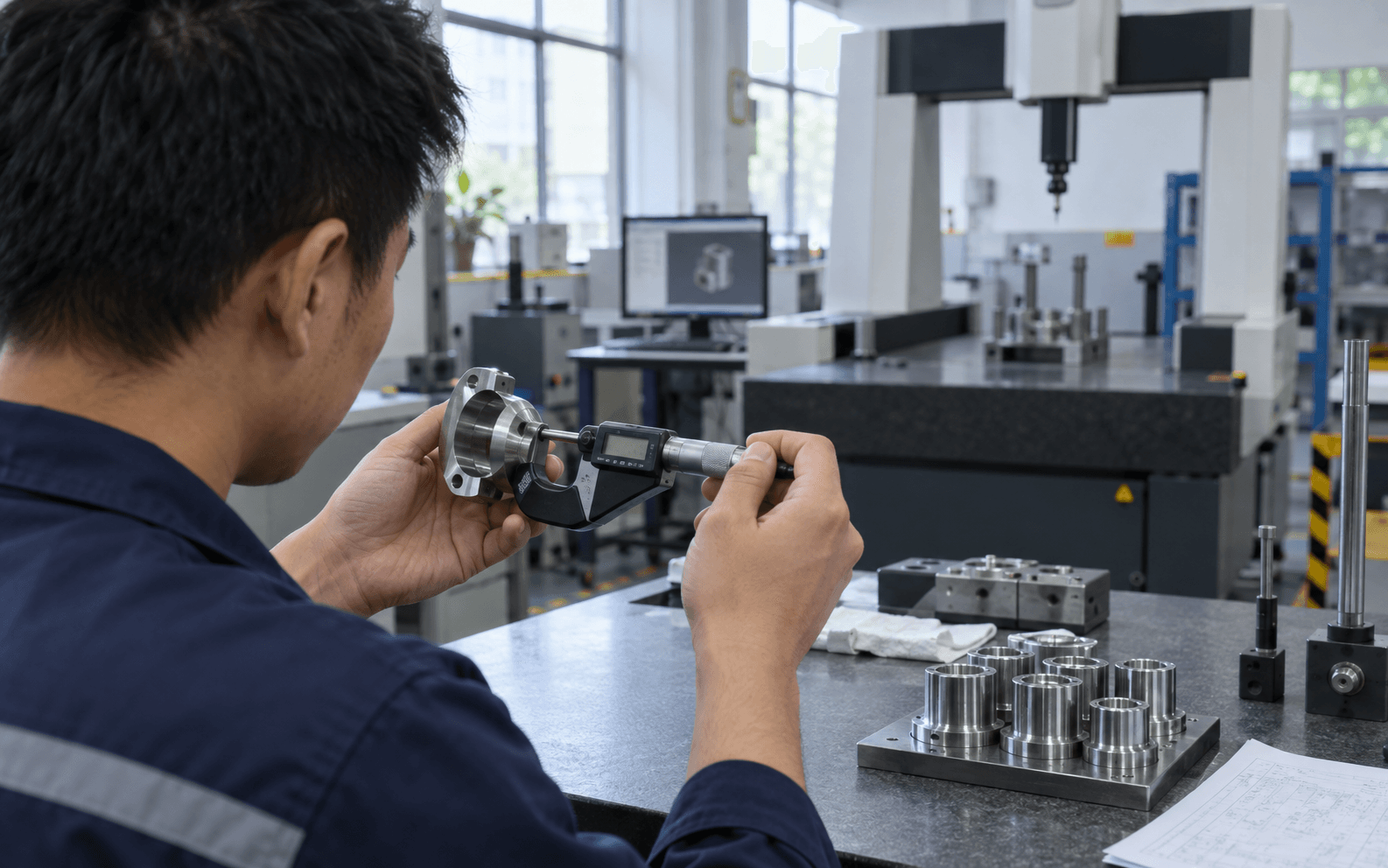 04Design · 7 min
What "±0.05 mm" means, why tighter tolerances cost more, and how to decide which features of your part actually need them.
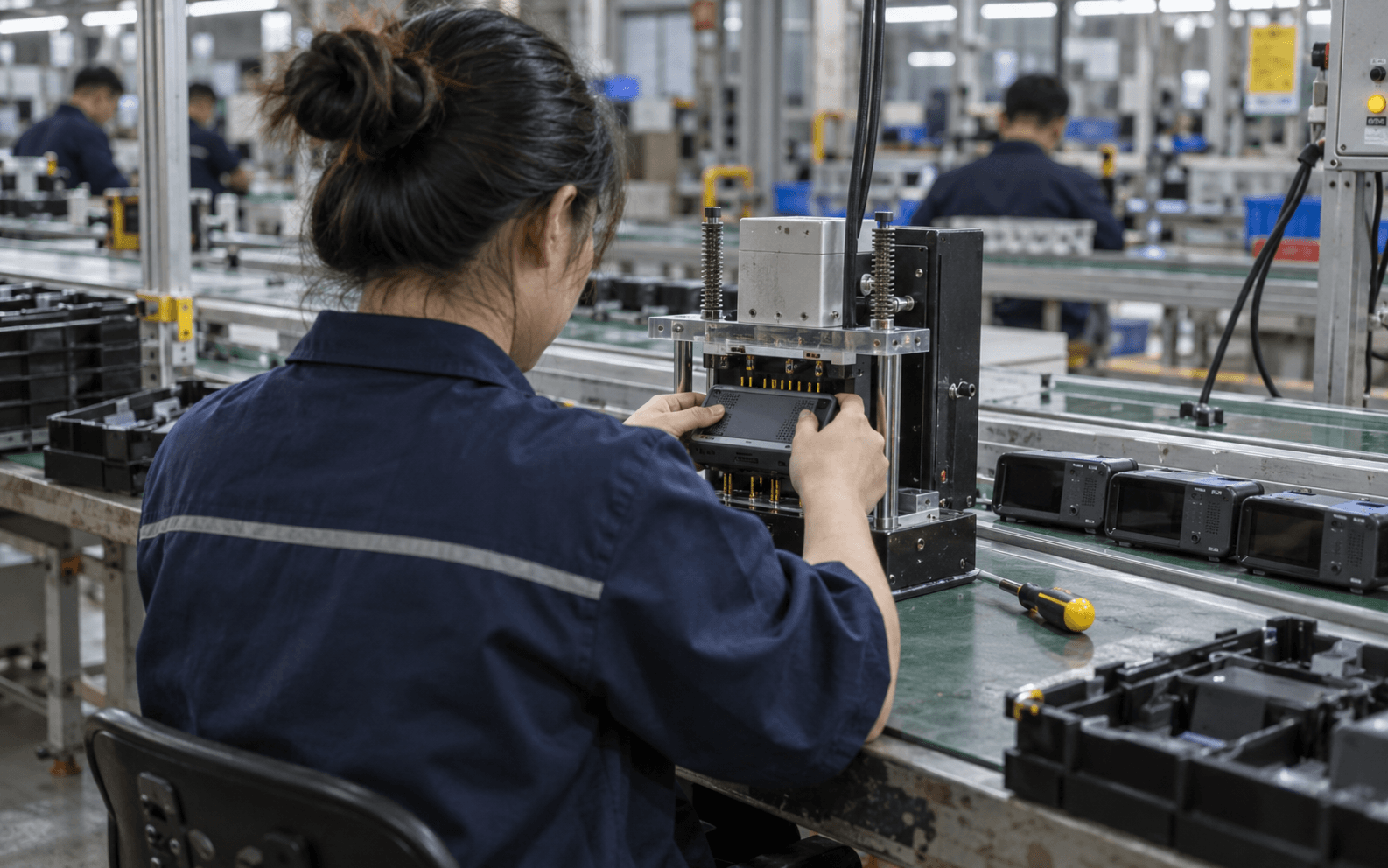 05Design · 9 min
How to design a product that's quick to put together and easy to test on a production line. The core design-for-assembly rules, what design for test means for circuit boards and finished products, and how Shenzhen factories use test fixtures.
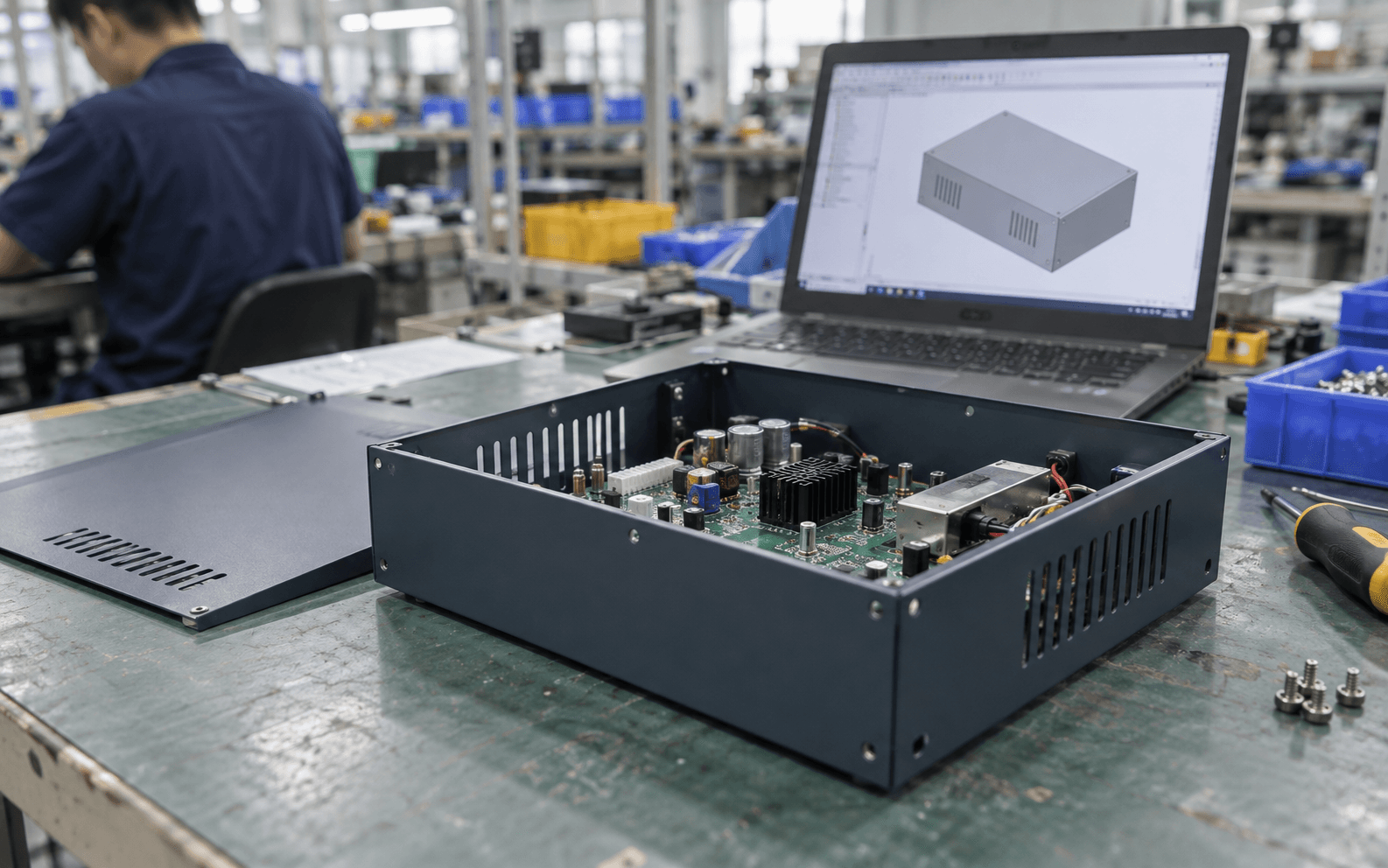 06Design · 9 min
Practical design rules for a first sheet-metal enclosure, explained in plain words. Bends, flanges, holes, hardware, vents, grounding and finishing, so your first quote comes back without surprises.
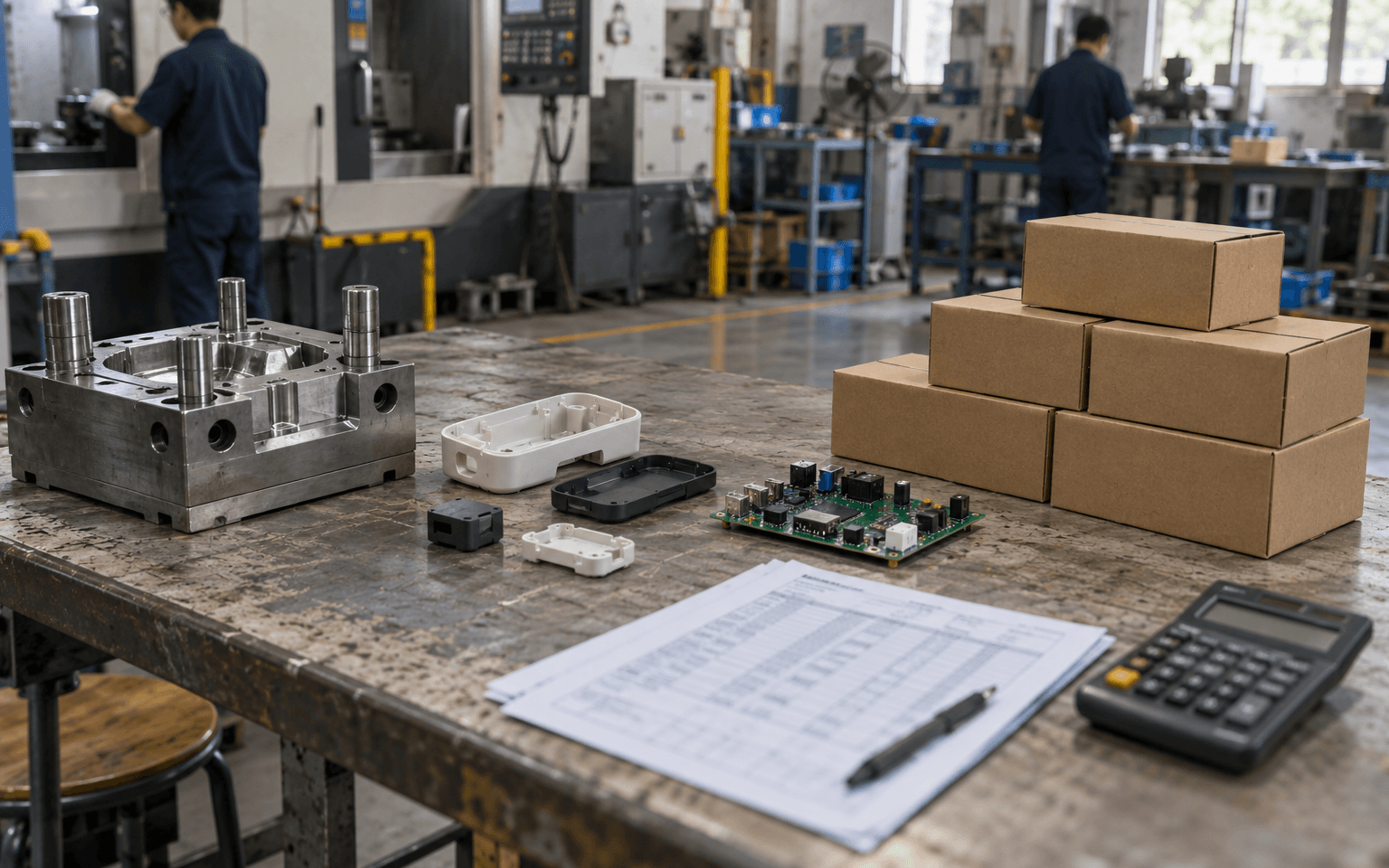 07Cost · 10 min
The cost buckets of developing and manufacturing a hardware product, explained for first-timers. Design, prototypes, tooling, certification and the first production order, with typical ranges where they're widely published, plus the costs people forget.
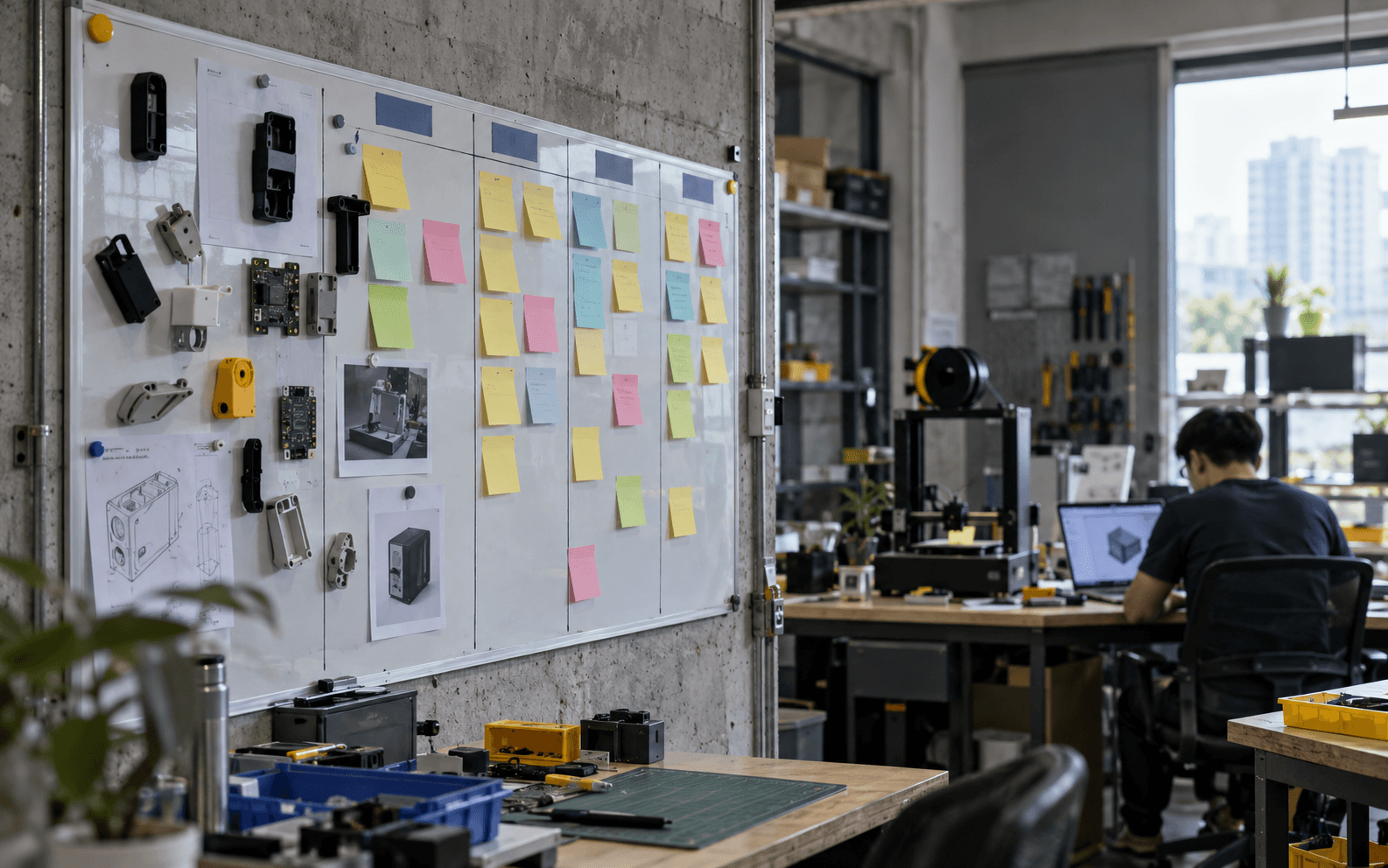 08Basics · 9 min
A realistic timeline for bringing a hardware product to market, stage by stage, for first-time founders. Where the time actually goes, what slows projects down in Shenzhen, and how to save weeks.
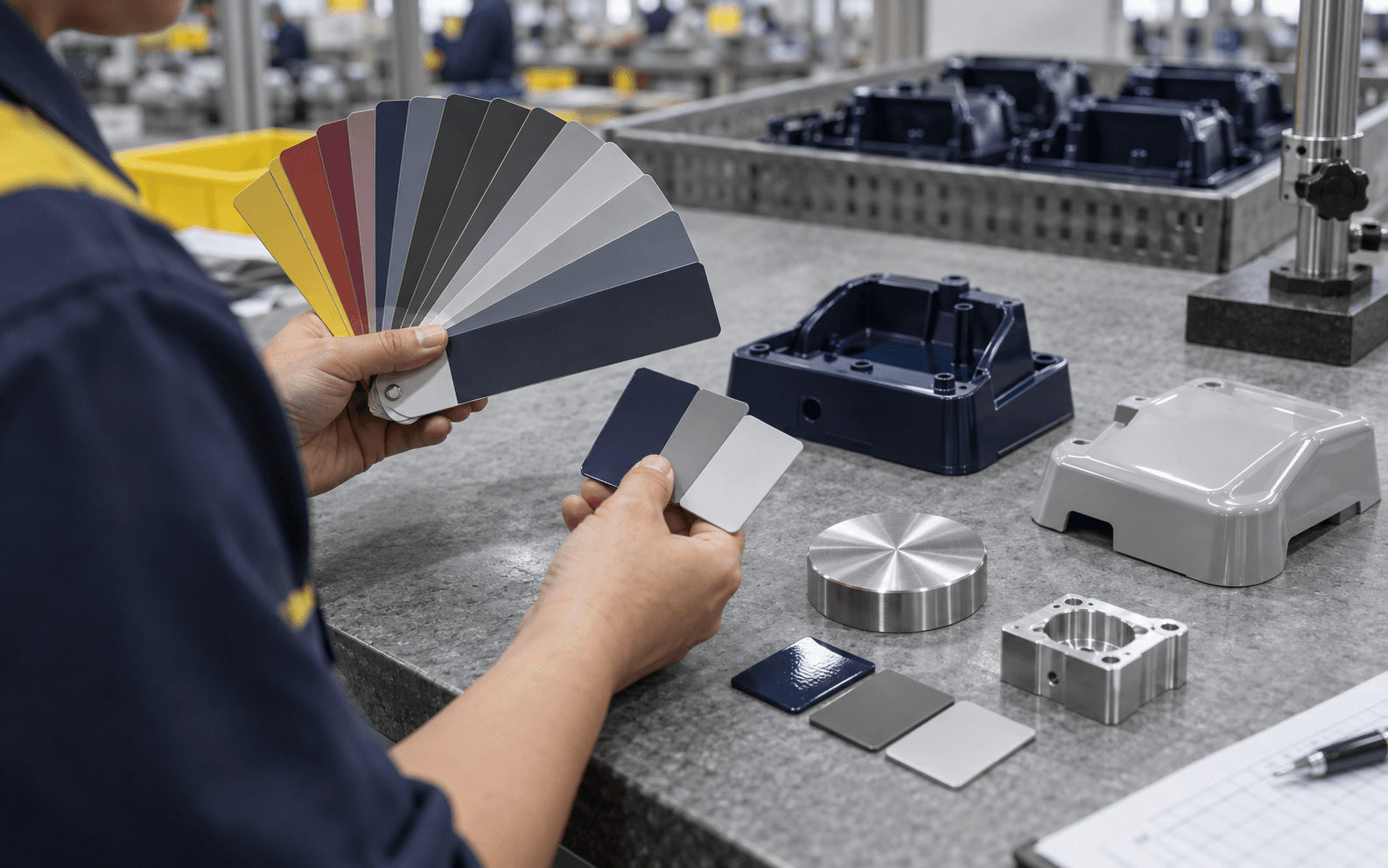 09Design · 8 min
How to tell a factory exactly what colour, gloss and texture you want, using colour codes, physical samples, texture standards and a simple written spec. For first-time hardware teams.
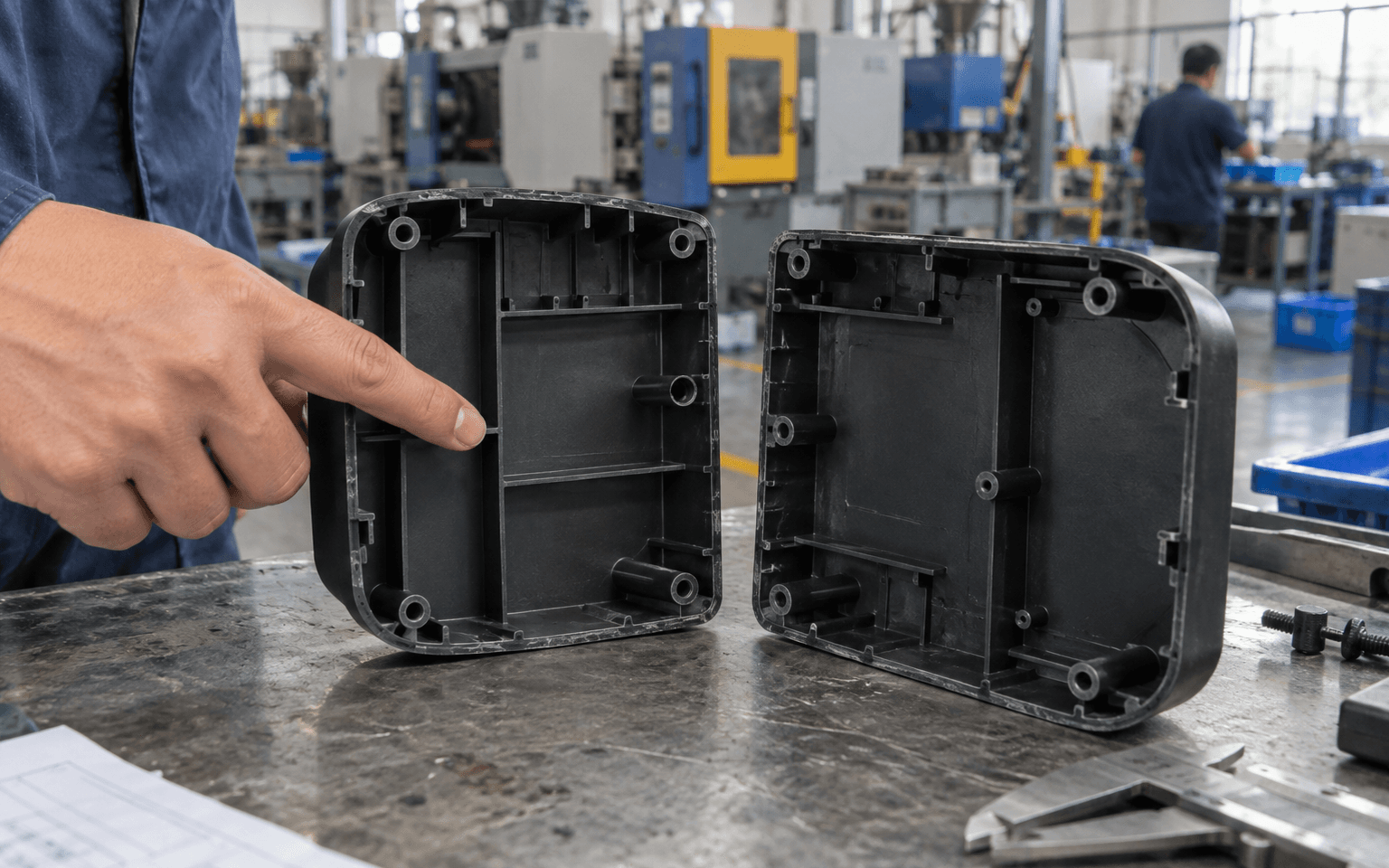 10Design · 10 min
The handful of design rules that make plastic parts moldable and cheap. Draft, wall thickness, ribs, bosses and undercuts, explained simply with the reason behind each.
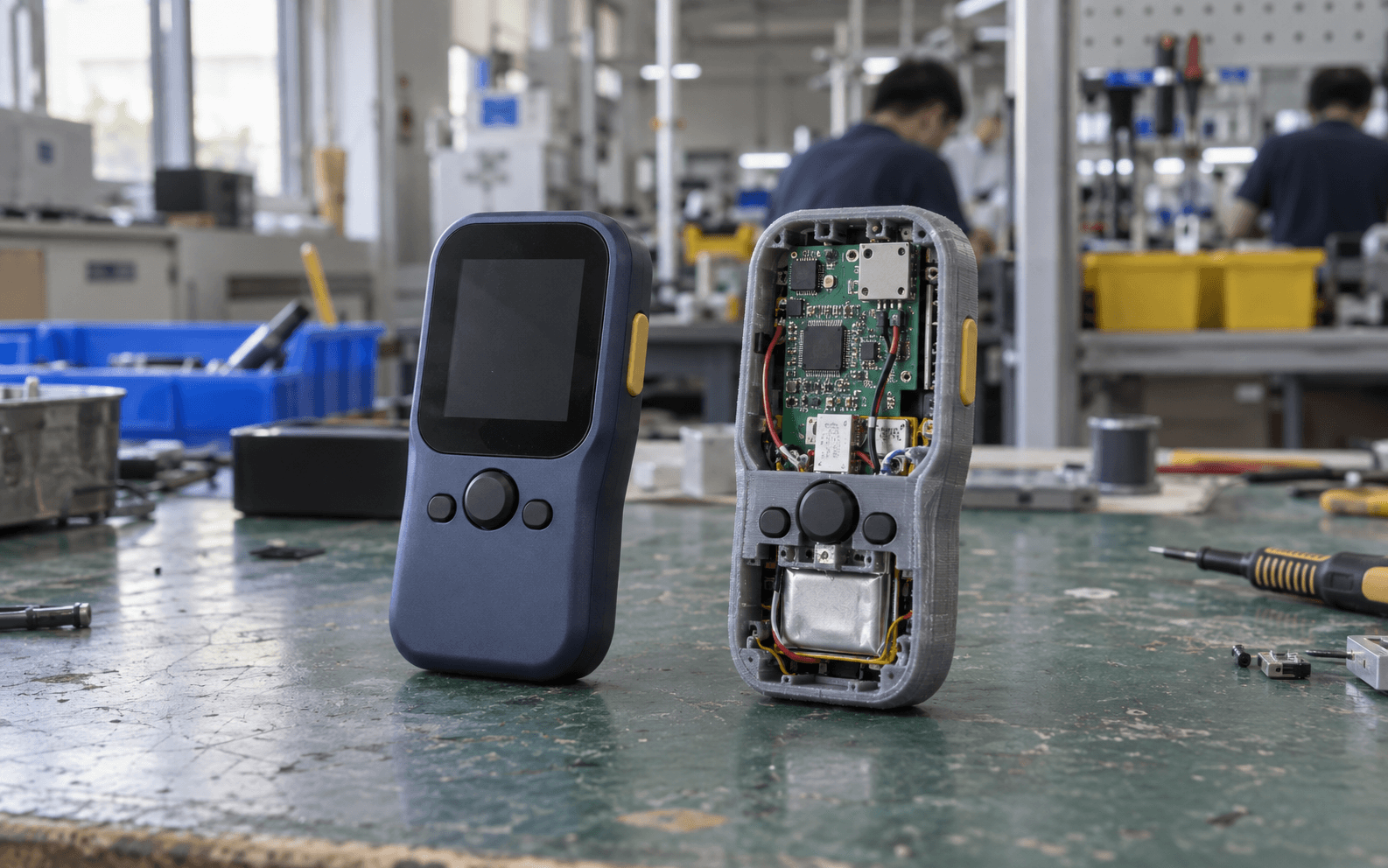 11Basics · 6 min
Why most hardware teams build two different kinds of prototype, what each one is for, and when to combine them into a single "looks-like, works-like" build.
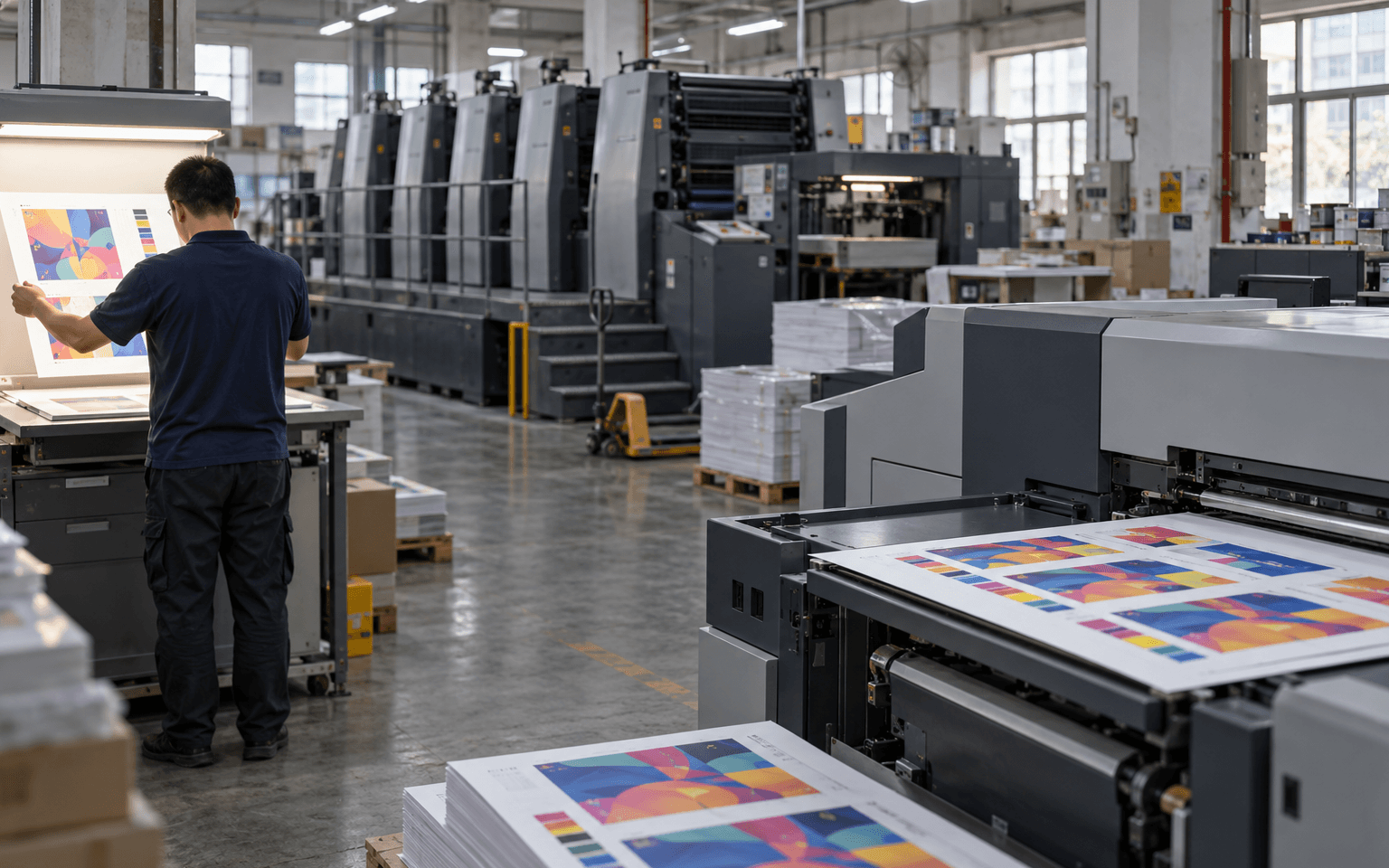 12Choosing · 9 min
How offset and digital printing differ for custom boxes, when each makes sense, what CMYK and Pantone spot colours mean, and how to get your box colours right with a Chinese printer.
 13Basics · 6 min
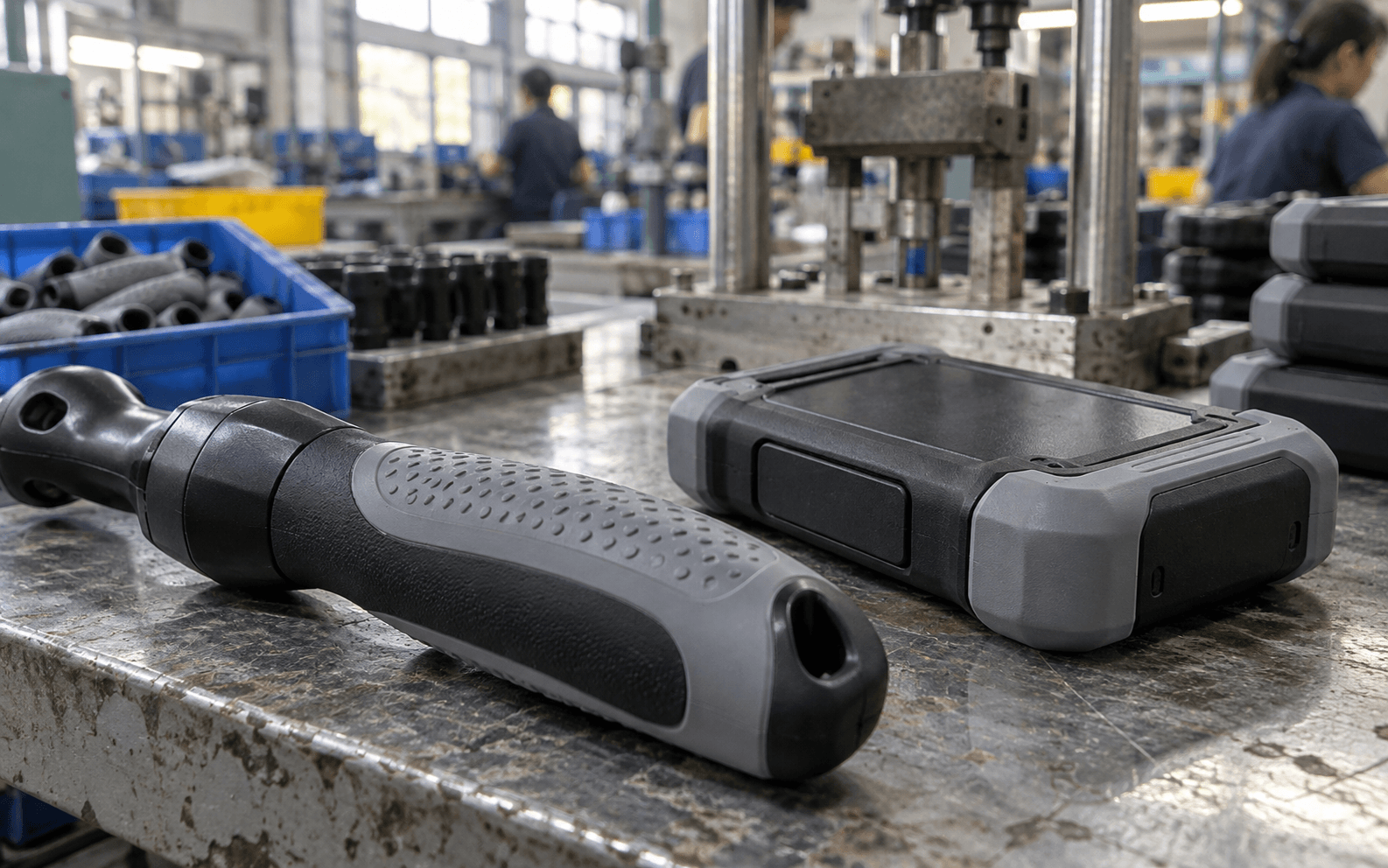
How products get soft-touch grips, rubber seals and molded-in metal parts. Overmolding, two-shot molding and insert molding explained simply.
 14Basics · 11 min
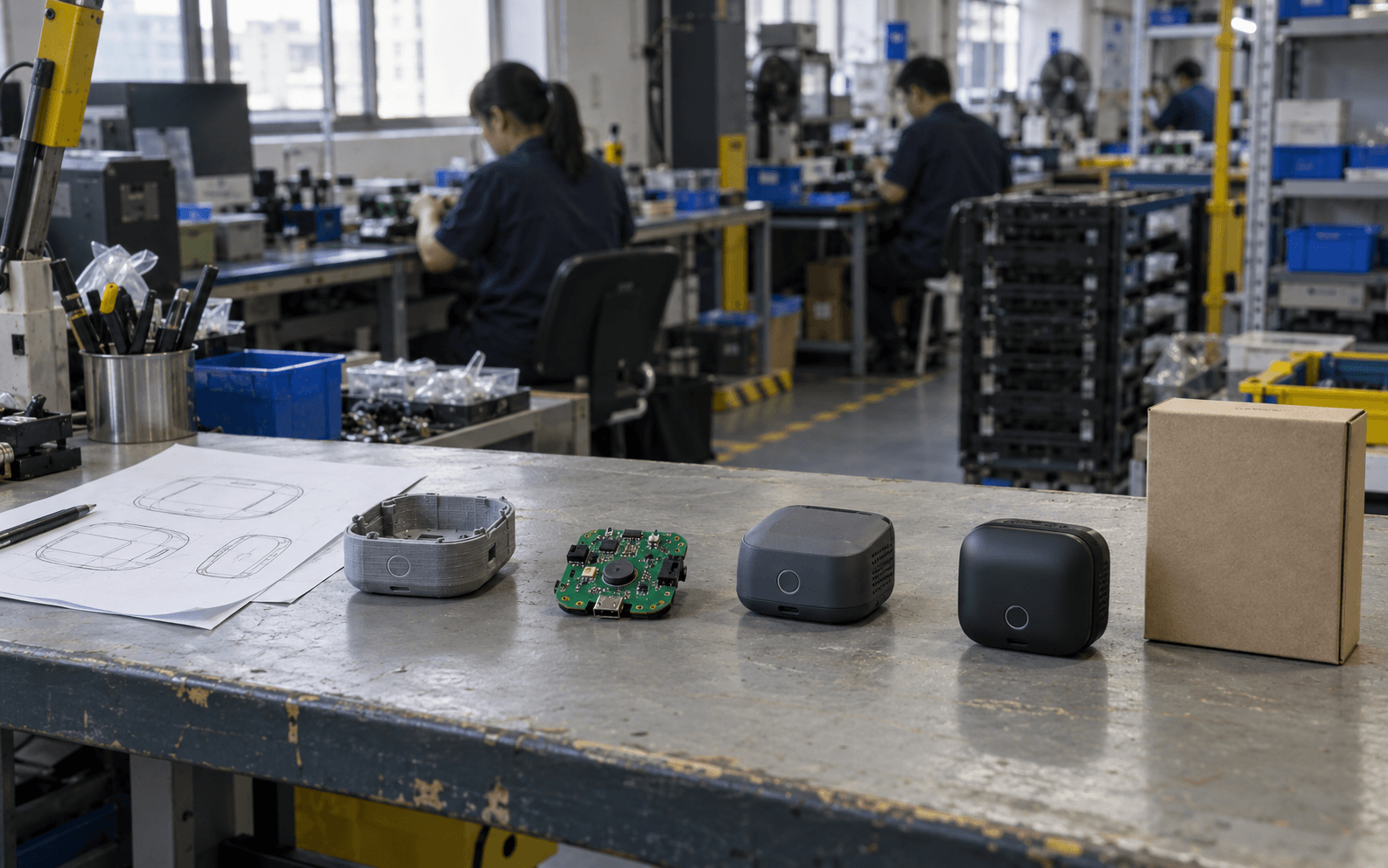
The stages of making a physical product, from first sketch to boxes on a ship, explained for first-timers. What happens at each stage, why it matters, what you get out of it, and who in Shenzhen helps.
 15Design · 9 min
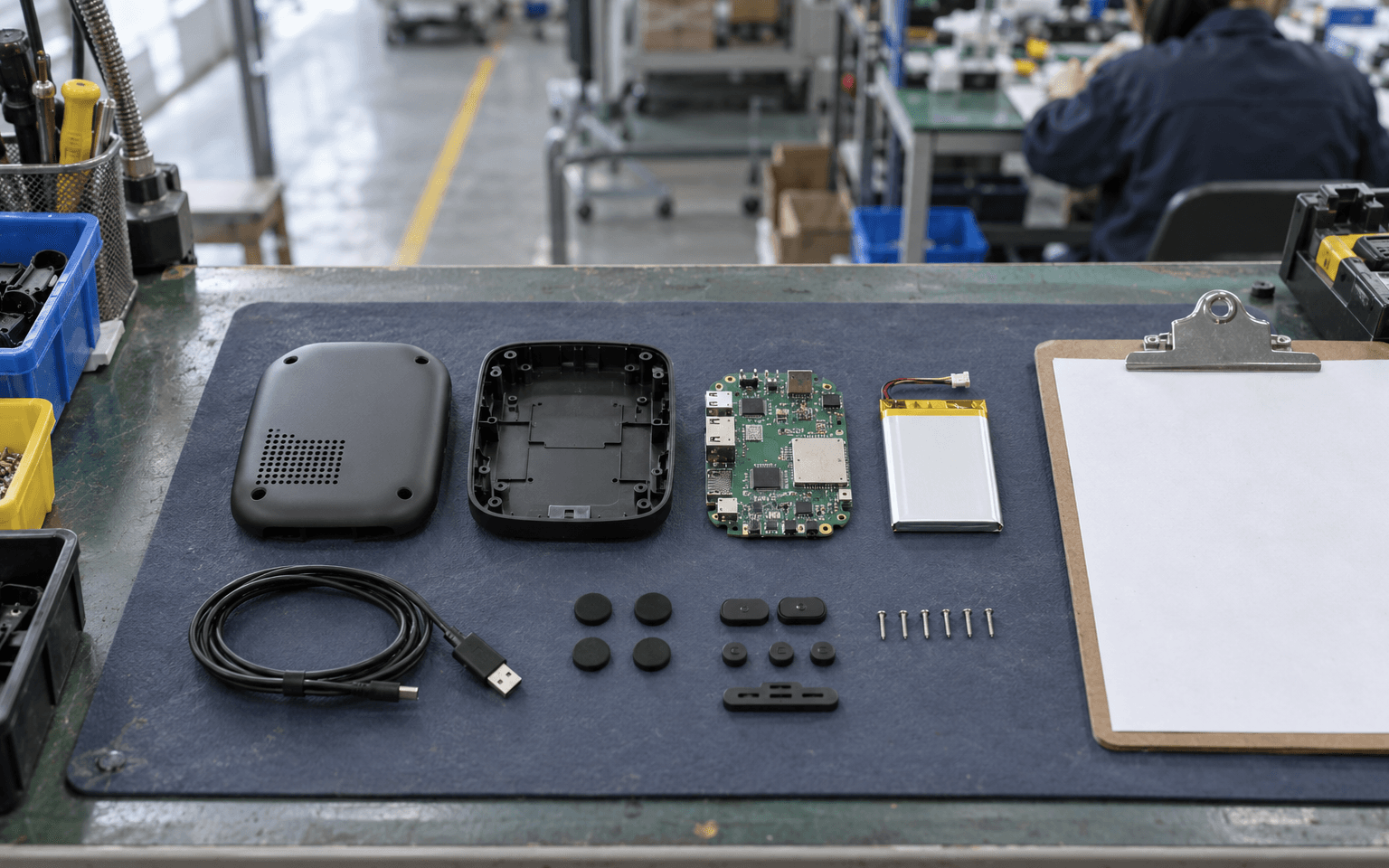
What a BOM is, why factories in China build and quote from it, the columns a good BOM needs, how to structure one for a hardware product, and the mistakes that cause wrong parts and delays.
 16Design · 8 min
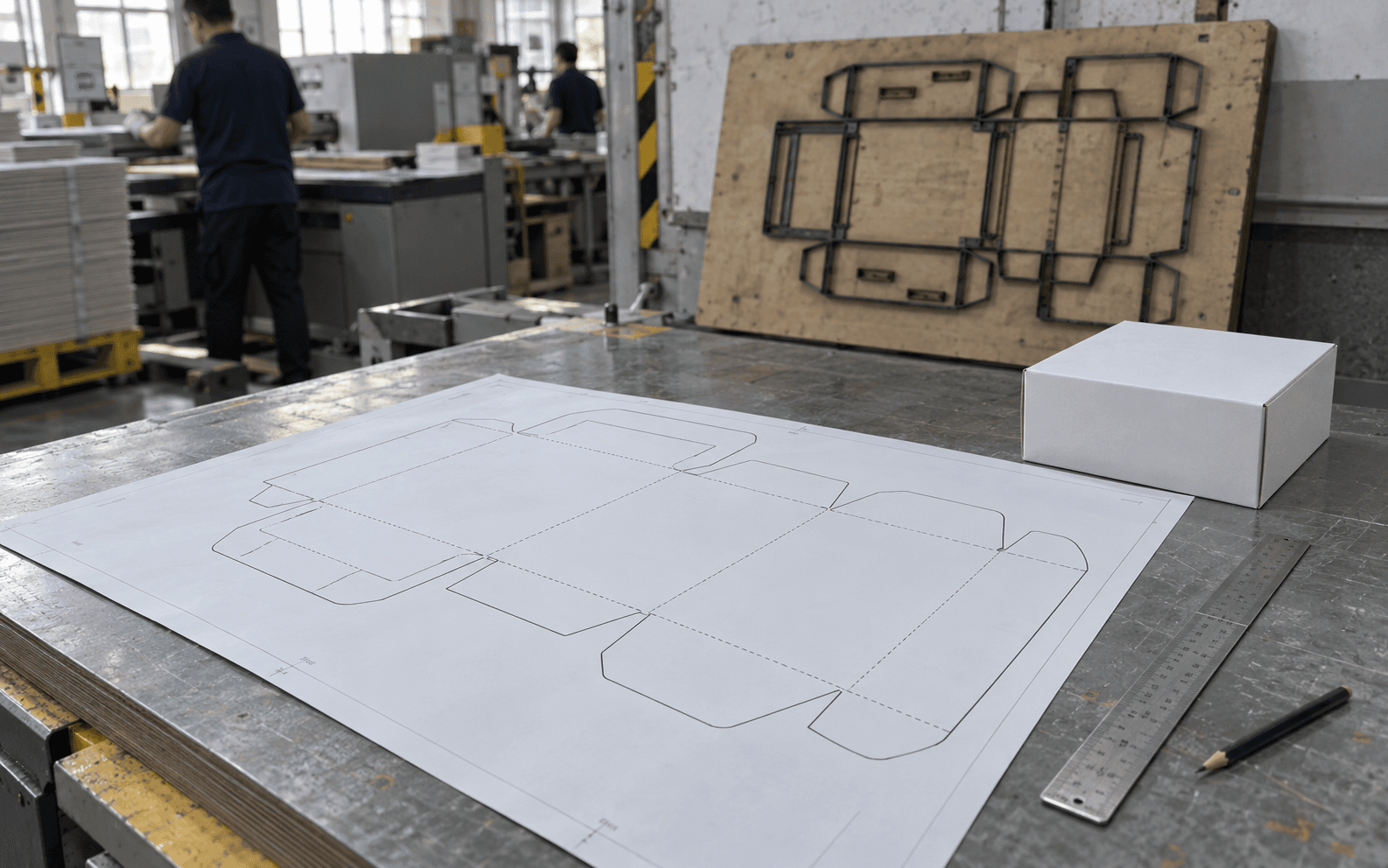
What a packaging dieline is, how to read its cut, fold and bleed lines, how to put artwork on it, and how proofing works with a Chinese box factory, from PDF proof to white sample (白样) to signed printed sample.
 17Choosing · 7 min
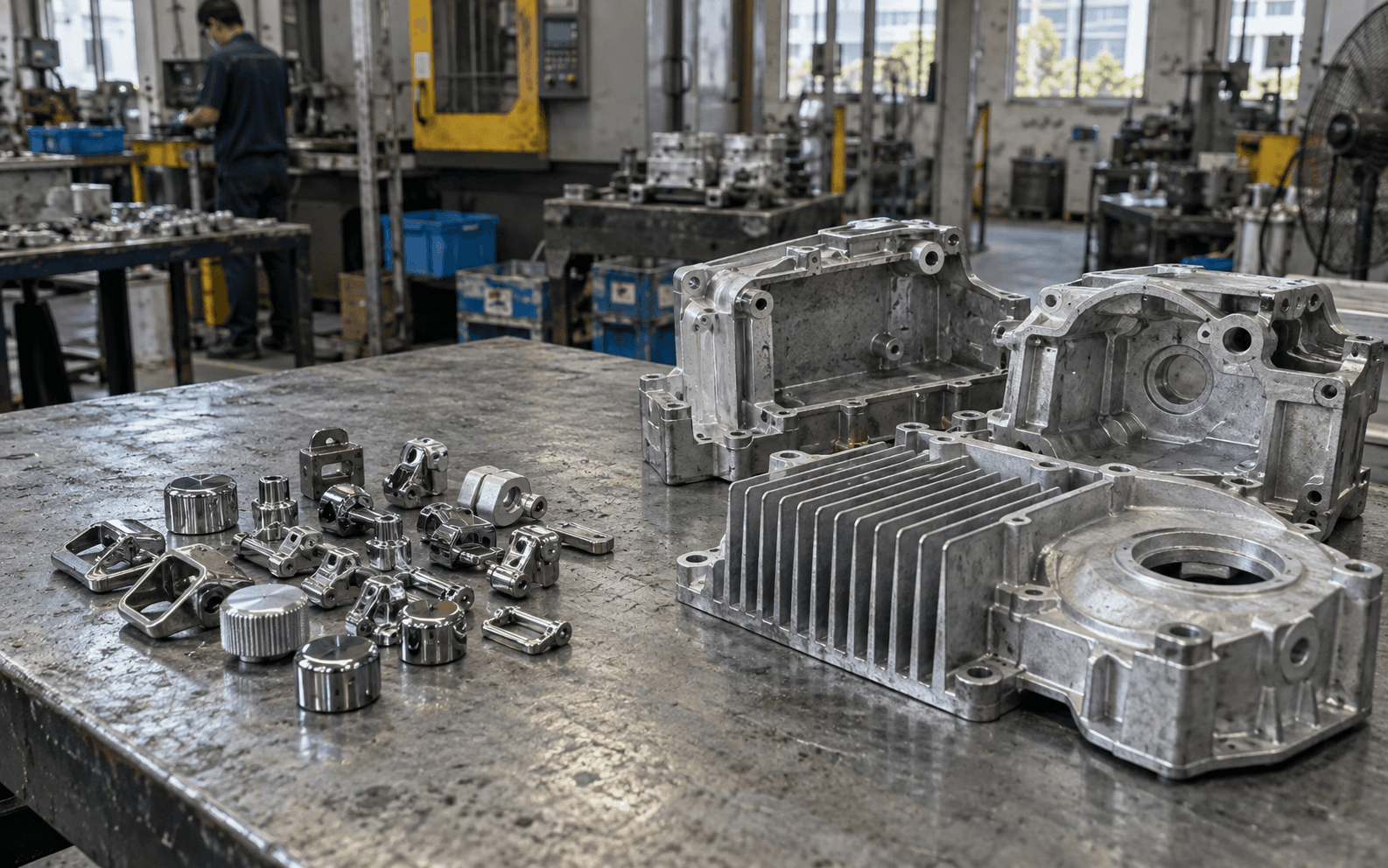
Should your die-cast part be zinc or aluminum? Weight, detail, finish, tooling life and cost compared in plain words, with a simple way to decide.