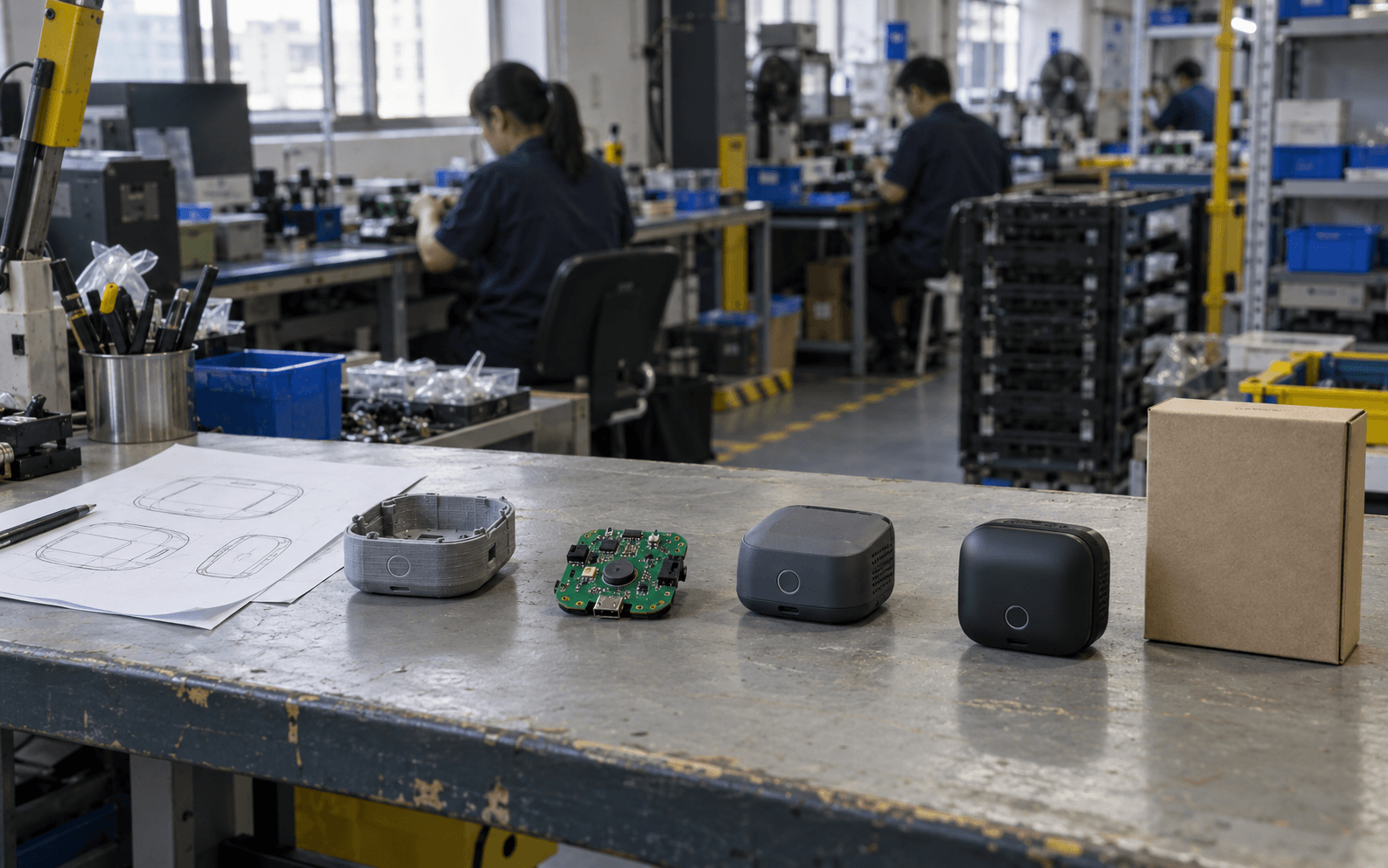
Making a physical product isn't one big step. It's a chain of smaller ones, and each one answers a question before you spend money on the next. Skip a step and the problem doesn't go away. It just turns up later, when it costs more to fix.
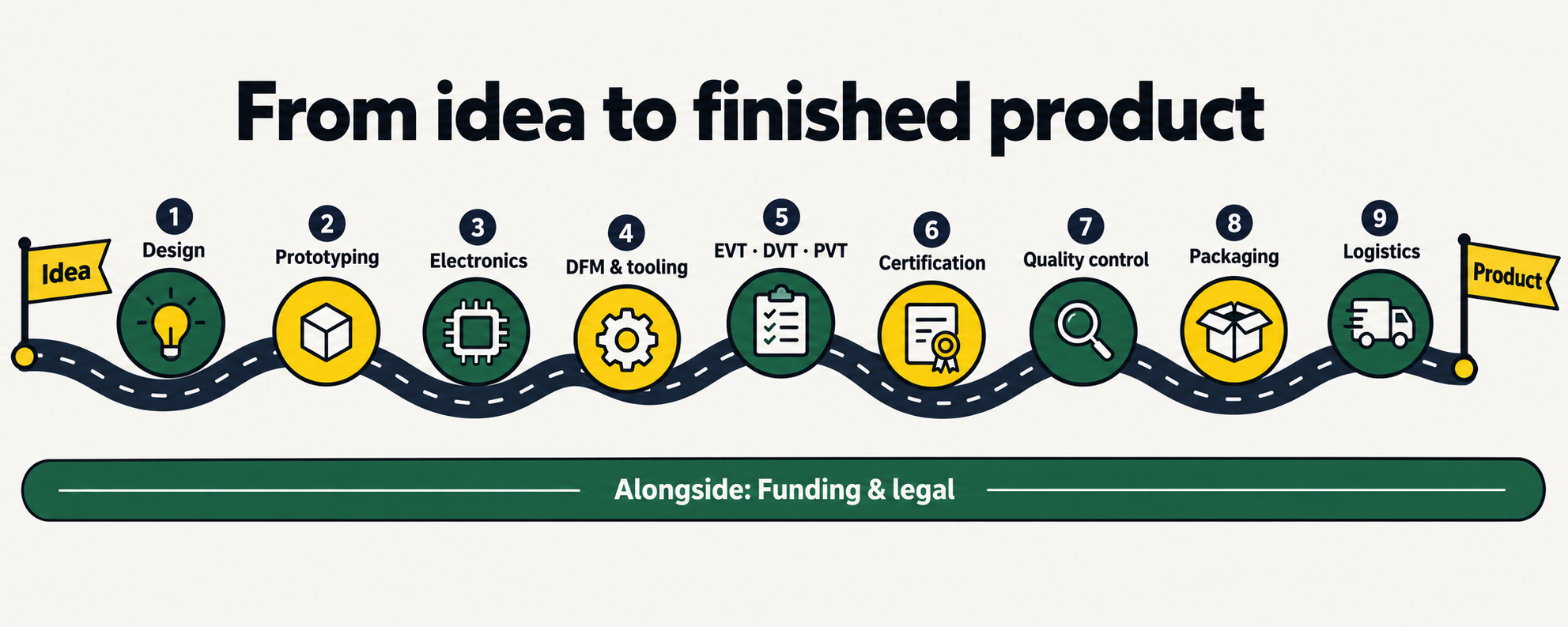
This guide walks through the whole journey in the order most hardware teams follow. We call it the Path, and each stage below has its own page on this site with the companies that help at that stage.
Before you start: is the idea worth building?
Before any CAD, it's worth answering a few plain questions:
- Who is it for, and what problem does it solve? Talk to potential buyers, not just friends.
- What would people pay? A rough rule many hardware founders use is that the retail price needs to be several times the cost of making it, to cover shipping, retailers, returns and your own margin.
- What's the simplest version that's still useful? First products almost always try to do too much.
This isn't a formal stage on the Path, but it shapes every decision after it.
1. Design
What happens: the idea becomes a buildable design. That covers three skills: industrial design (how it looks and feels), mechanical engineering (how parts fit, move and survive drops) and electrical engineering (the circuits). The output is 3D CAD files, circuit designs and a first BOM, the bill of materials: a list of every part in the product.
Why it matters: most of your product's cost is decided here. Designing with manufacturing in mind from the start is called DFM (design for manufacturing). See What is DFM? and What is a bill of materials?
2. Prototyping
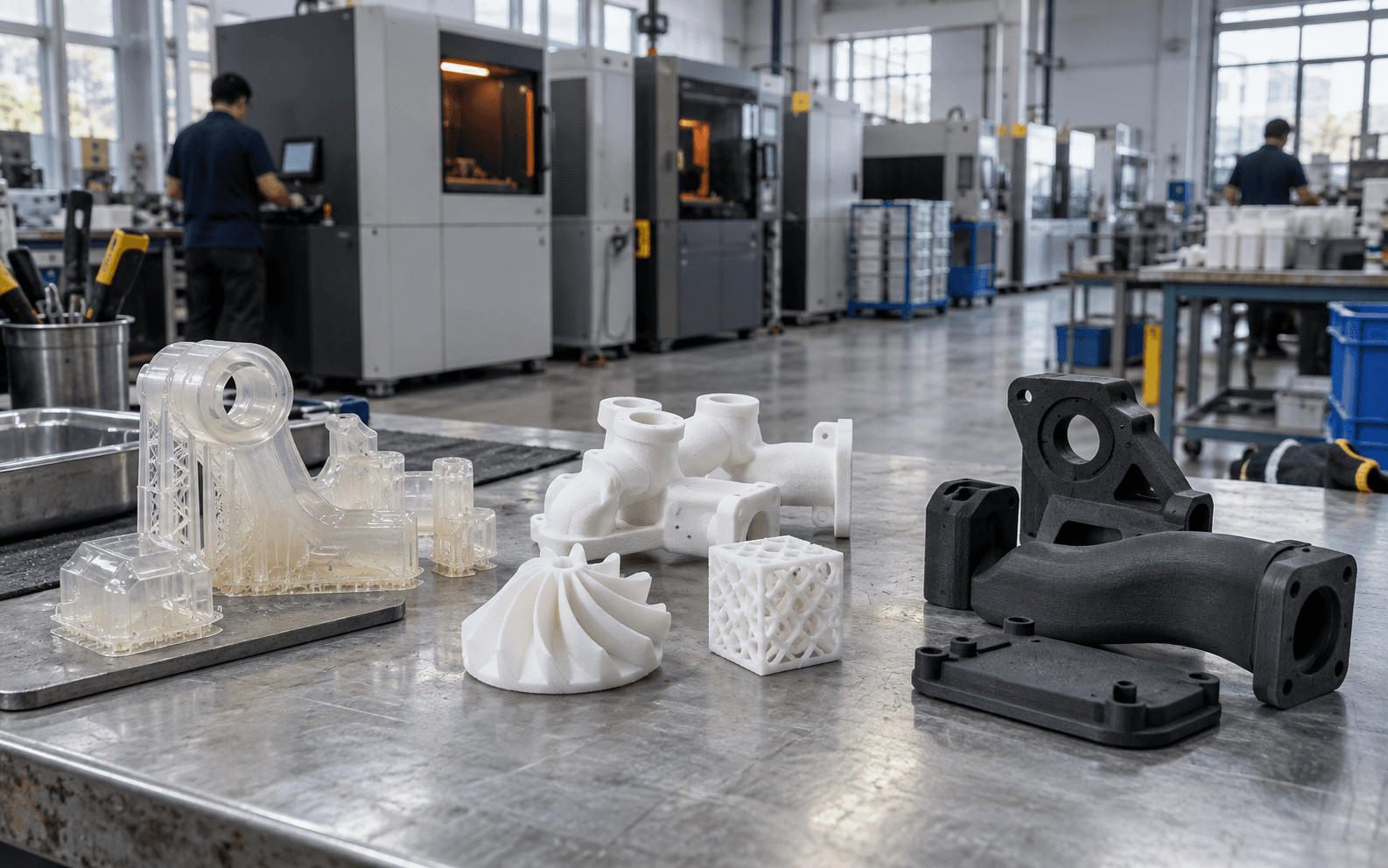
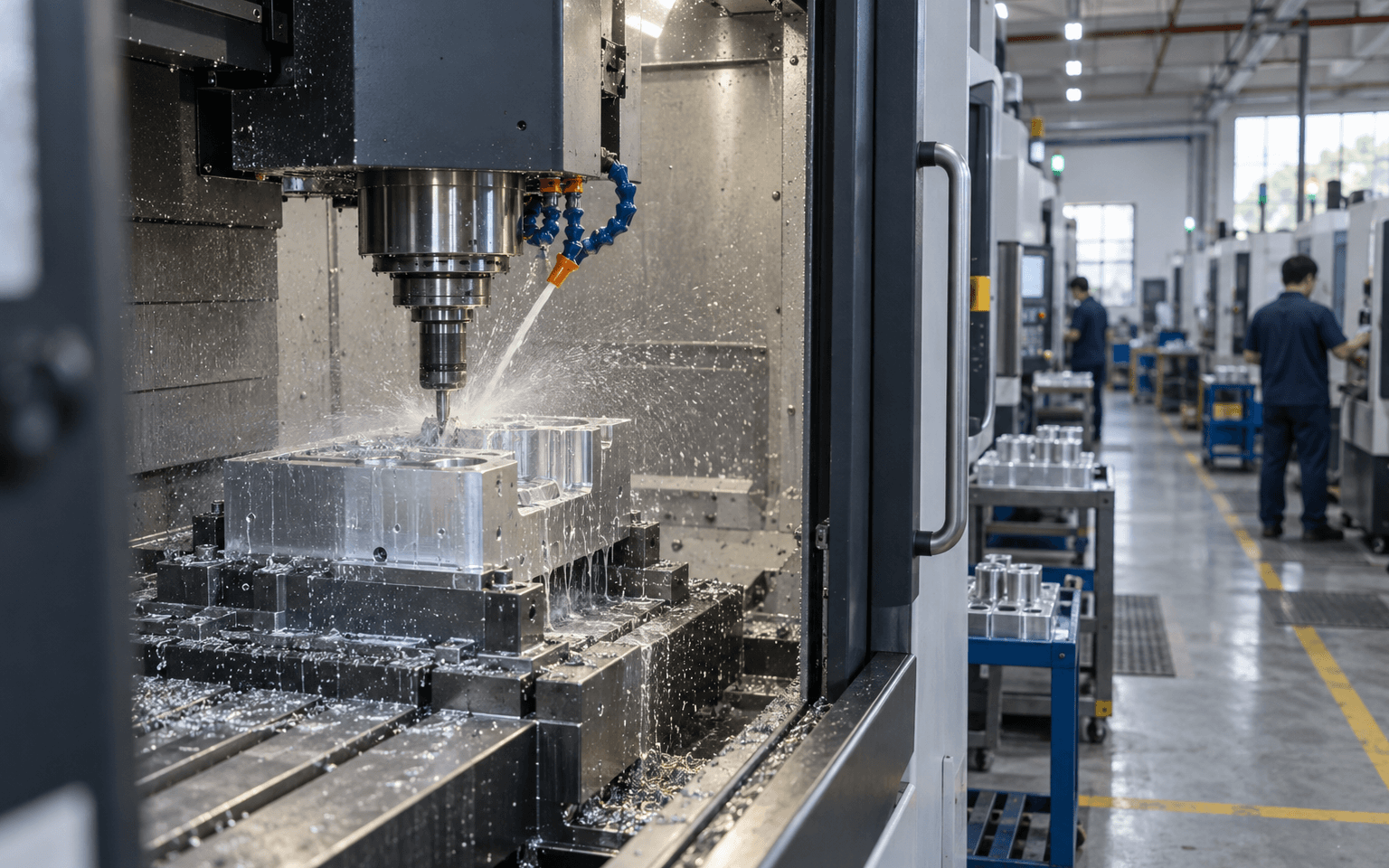
What happens: you make physical versions quickly, using methods that don't need expensive tooling: 3D printing, CNC machining and urethane casting. Early on you might build a looks-like model (right shape and finish, doesn't work) and a separate works-like model (works, but ugly).
Why it matters: a screen can't tell you whether parts fit, the button feels right, or the product is too heavy. Finding out now costs hundreds of dollars, not thousands.
What you get: a design that's been tested in your hands, usually over several rounds. See What is rapid prototyping? and Looks-like vs works-like prototypes.
3. Electronics
What happens: if your product has a circuit board, the design is turned into real boards. A PCB is the bare board; PCBA is the board with all its components soldered on. You'll go through several board revisions, and firmware (the software running on the chip) is written alongside.
Why it matters: electronics is where parts shortages, radio interference and battery safety problems tend to show up. Shenzhen's huge electronics supply chain is one of the main reasons founders come here.
See What is PCBA? and How to order PCB assembly.
4. DFM and tooling
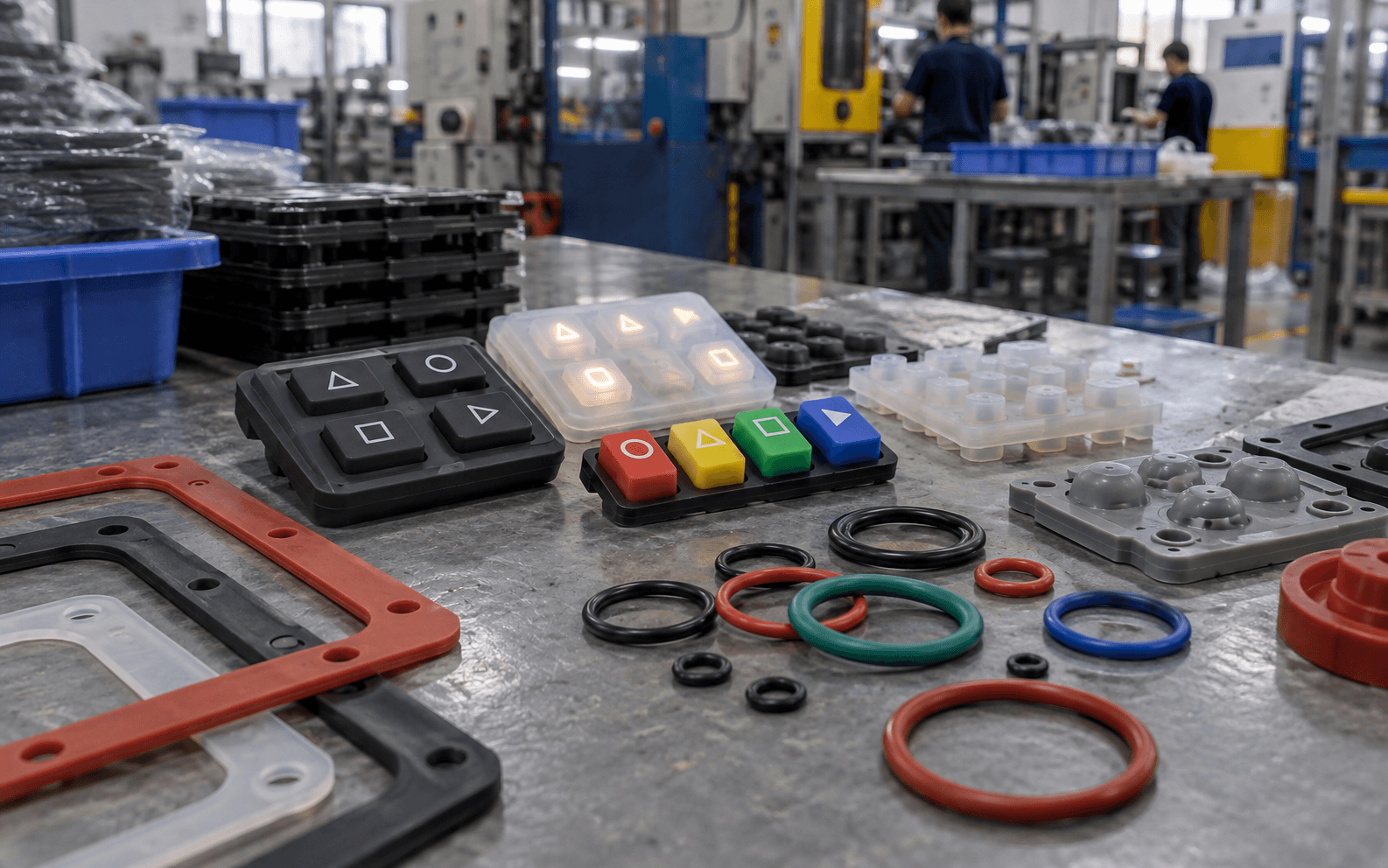
What happens: you order tooling, the custom molds and dies that mass-produce your parts. For plastic parts this is an injection mold, called 开模 (kāi mó, "opening a mold") in Chinese factories. Before cutting steel, the toolmaker sends a DFM report suggesting changes.
Why it matters: tooling is often the biggest single up-front cost, and after this point design changes get slow and expensive. Only open a mold when the design is really settled. See How to get an injection mold made in China.
5. Pilot builds: EVT, DVT, PVT
What happens: a factory builds small batches in three rounds. EVT (engineering validation test) checks the design works. DVT (design validation test) checks it meets every requirement using real molded parts. PVT (production validation test) checks the factory can build it at speed and good quality.
Why it matters: these trial builds (试产, shì chǎn) catch problems while the batches are still small. See EVT, DVT, PVT explained and Prototype to production.
6. Certification
What happens: a test lab checks the product is safe and doesn't cause radio interference. Which tests you need depends on the product and where you sell, for example FCC for the USA and CE for Europe. Products with batteries often need extra transport tests.
Why it matters: you usually can't sell, or even ship, without it. Testing is done on units that match what you'll sell, so it normally happens during DVT.
7. Quality control
What happens: you agree what "good" means, sign a golden sample (a reference unit everyone approves) and inspect production, often with a third-party inspection company before goods leave the factory.
Why it matters: it's much easier to fix problems at the factory than after they've reached customers. See Quality inspection explained.
8. Packaging
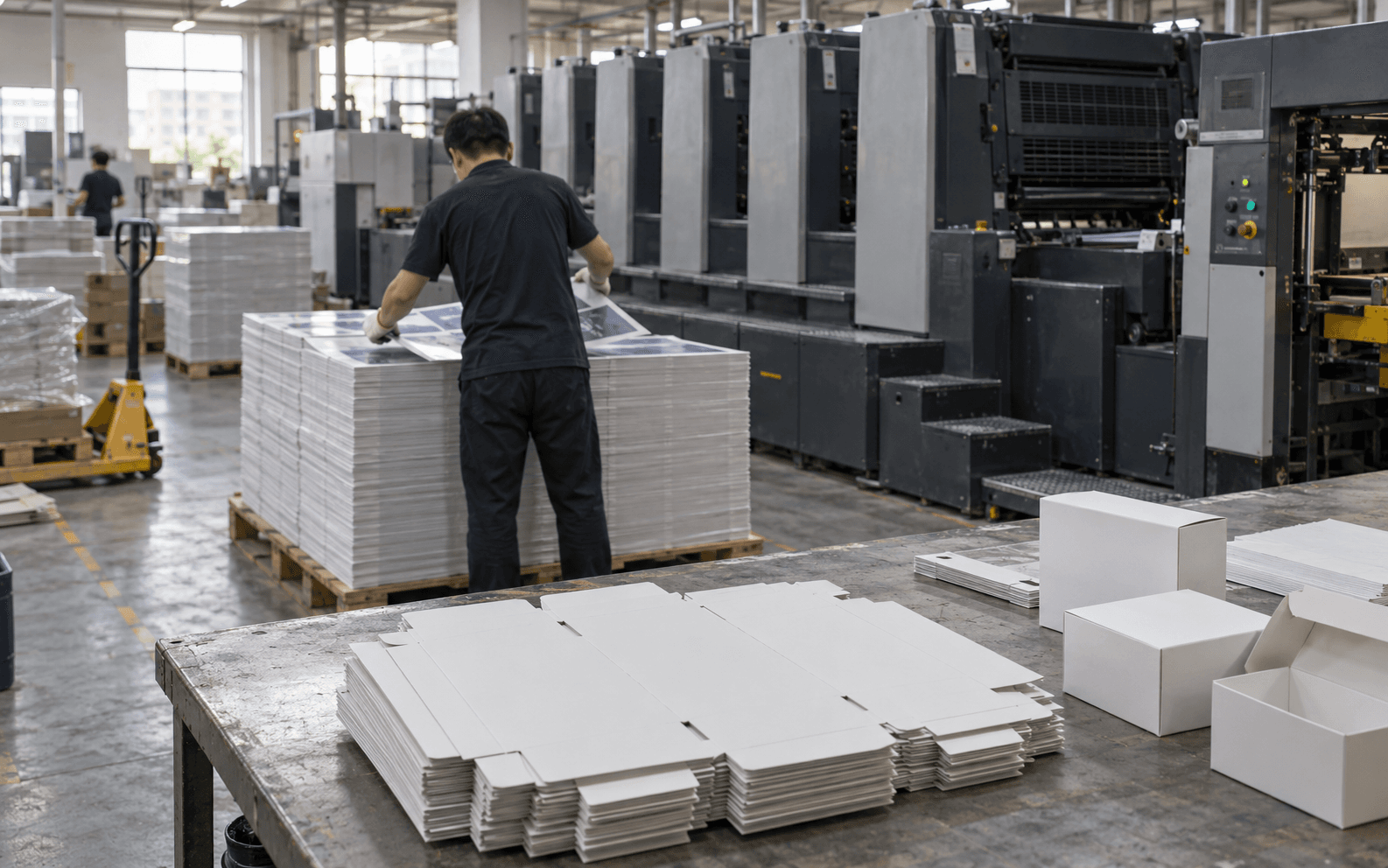
What happens: retail boxes, inserts, manuals and labels are designed, sampled and printed. Packaging suppliers usually have minimum order quantities.
Why it matters: packaging protects the product in shipping and is the first thing a buyer sees. It's also a common last-minute delay, so start it during pilot builds.
9. Logistics
What happens: finished goods are shipped by sea or air, cleared through customs and delivered to a warehouse. You'll agree Incoterms, the standard rules for who pays for and is responsible for each leg of shipping.
Why it matters: shipping costs, duties and transit time all affect your price and launch date. See Incoterms for first-timers and Shipping from Shenzhen: sea vs air.
10. Funding and legal (alongside everything)
What happens: this isn't really a step at the end. Trademarks, contracts, confidentiality agreements and funding run in parallel from the start. Hardware needs cash before revenue: you pay for tooling and the first production run before you sell anything.
The stages overlap
The list above is in order, but real projects overlap. Packaging design starts during pilot builds. You book a certification lab during DVT. Firmware runs alongside everything. Many teams also loop back: a pilot build reveals a problem, and you return to design for a change.
What doesn't work is skipping a stage entirely. For a sense of how long the whole thing takes, see How long does it take to develop a hardware product?, and for the money side, How much does it cost to develop a hardware product?
Who helps at each stage
| Stage | Who usually helps |
|---|---|
| Design | Design and engineering firms |
| Prototyping | Prototype shops |
| Electronics | PCB and PCBA shops |
| DFM & tooling | Mold makers |
| Pilot builds | Contract manufacturers |
| Certification | Test labs |
| Quality | QC and inspection firms |
| Packaging | Packaging suppliers |
| Logistics | Freight forwarders |
| Funding & legal | Legal and IP services |
Some companies, often called NPI partners (new product introduction), guide first-time teams through several of these stages at once. You'll find them in the directory with the NPI partner filter.
FAQ
What are the main stages of product development? In short: design, prototype, finalise electronics, make tooling, run pilot builds, certify, set up quality control, then package and ship. Funding and legal work runs alongside.
Can I go straight from prototype to mass production? For very simple products with no electronics, sometimes. For most products, the pilot builds are where you find the problems a handful of prototypes can't show.
Do I need to be in Shenzhen? Not for every stage. But being present, or having someone you trust on the ground, matters most at tooling, pilot builds and quality inspection.
Keep reading
- What is DFM? Design for manufacturing explained
- EVT, DVT, PVT explained
- How to choose a factory in China
- How to write an RFQ
Next steps
- Start at the first stage of the Path
- Browse the directory by stage or process
- Not sure where to start? Get an intro
Updated 3 October 2026