Simcone
世弘Custom silicone rubber keypads since 2008
Shenzhen · GuangmingMakes in-houseMass production
Silicone & LSR moldingSurface finishingFactoryMold / tool maker
English-speaking salesSource ↗
Station 04 / 10
You commission tooling: the custom molds and dies that mass-produce your parts. For plastic parts that's an injection mold (开模, "opening a mold"). For metal it can be a die-casting die or a stamping tool. Before steel is cut, the toolmaker reviews your design (DFM) and suggests changes so the part can be made reliably.
Tooling is usually the biggest single up-front cost, and the point where design changes become expensive. Getting ownership, steel choice and payment terms right protects you for years.
From a few thousand to tens of thousands of dollars per mold, depending on part size and complexity. Typically 3–6 weeks to first samples (called T1), then one or more rounds of fixes.
Our guide How to get an injection mold made in China walks through every step for first-timers.
Custom silicone rubber keypads since 2008
Shenzhen · GuangmingNew-energy prototypes: battery packs, charger housings, inverters, cooling modules
Shenzhen · GuangmingAutomotive stamping dies since 2004 (chassis, body, door, seat, sunroof)
Shenzhen · Bao'anMulti-cavity connector molds with up to 64 cavities
Dongguan · Chang'anAutomotive white-body stamping prototypes and full-size show-car models
Shenzhen · Bao'an130+ CNC centres, SLA printers, vacuum casting and molding on a 10,000 m² site
Shenzhen · Bao'anFounded in 1990 by China Aerospace Industry Corporation
Shenzhen · LonghuaMulti-cavity pen molds and two-shot keycap molds
Dongguan · Chang'anMolds in about 7 days and short molded runs in 7–15 days
Dongguan · Chang'anIn-house tool shop next to the casting floor
Dongguan · Dongguan (other town)Medical-device contract design and manufacturing since 2002
Hong KongSilver contacts and electrical contact assemblies, riveted or welded in the mold
Dongguan · Fenggang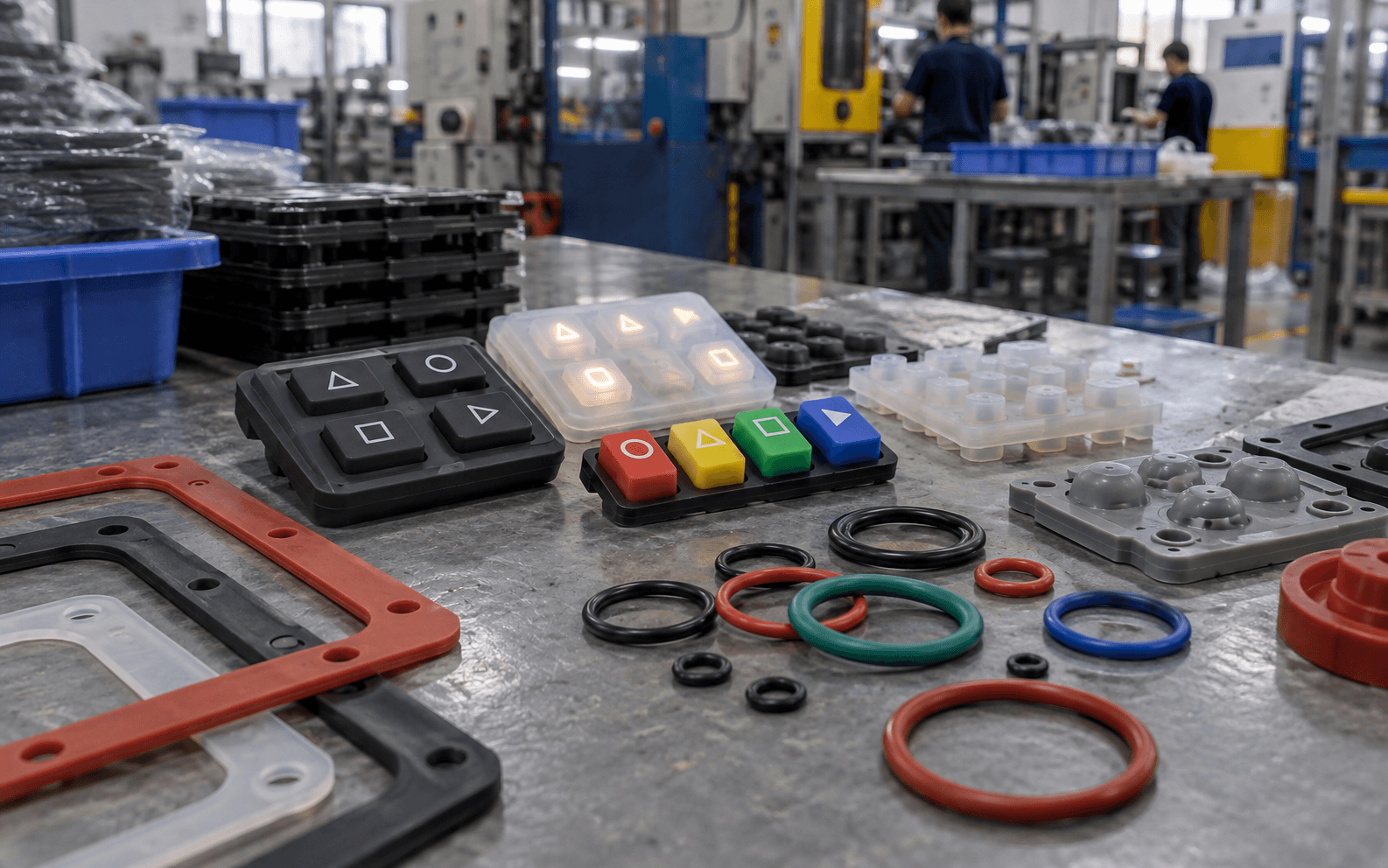 01Basics · 10 min
How custom silicone parts like keypads, buttons, gaskets and seals are made, what hardness and key feel mean, compression molding vs LSR, and how to order them in Shenzhen and Dongguan.
 02Design · 9 min
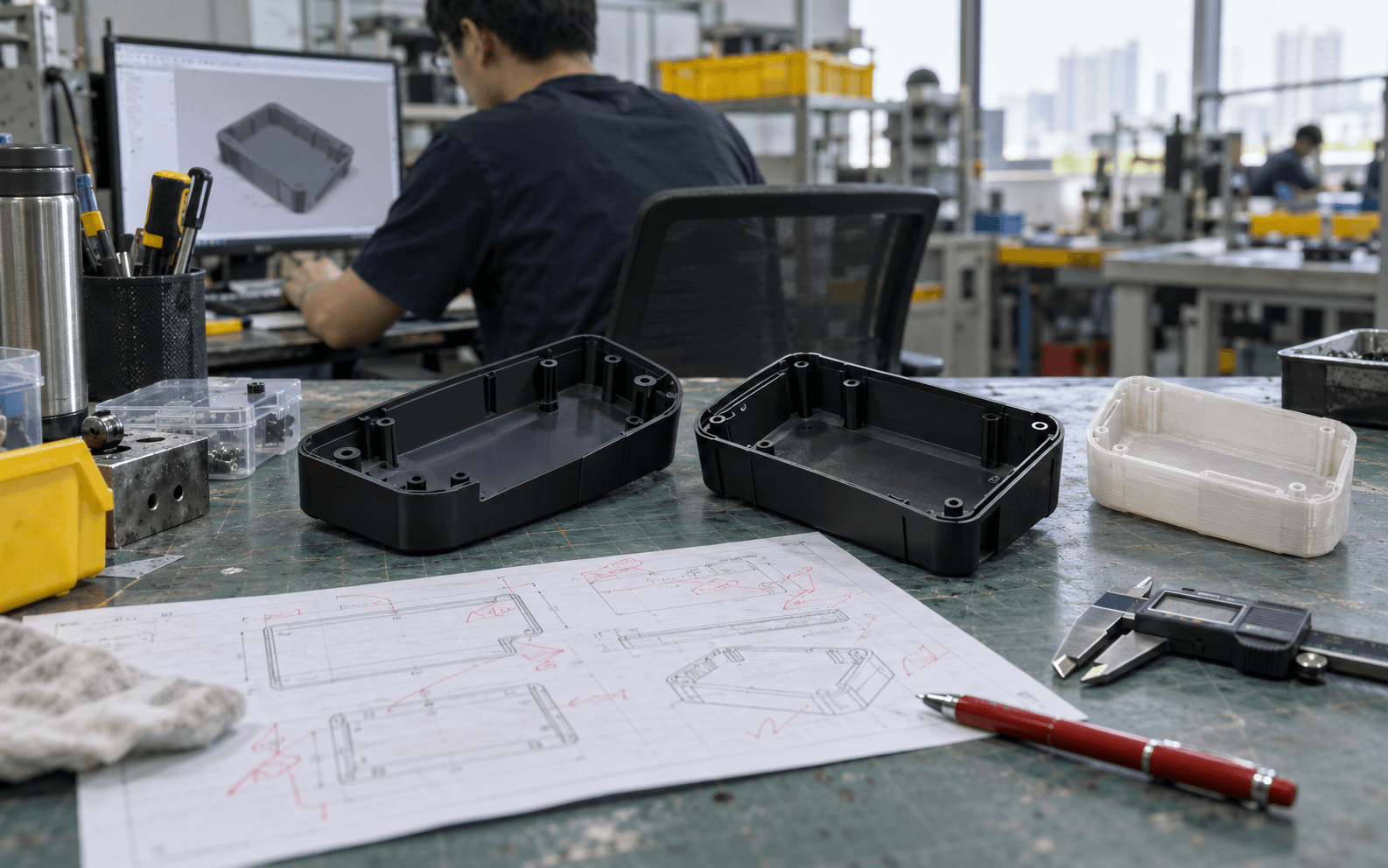
What design for manufacturing (DFM) means, why it decides most of your product's cost, the core rules, when to do a DFM review, and how DFM feedback from Shenzhen suppliers works.
 03Basics · 10 min
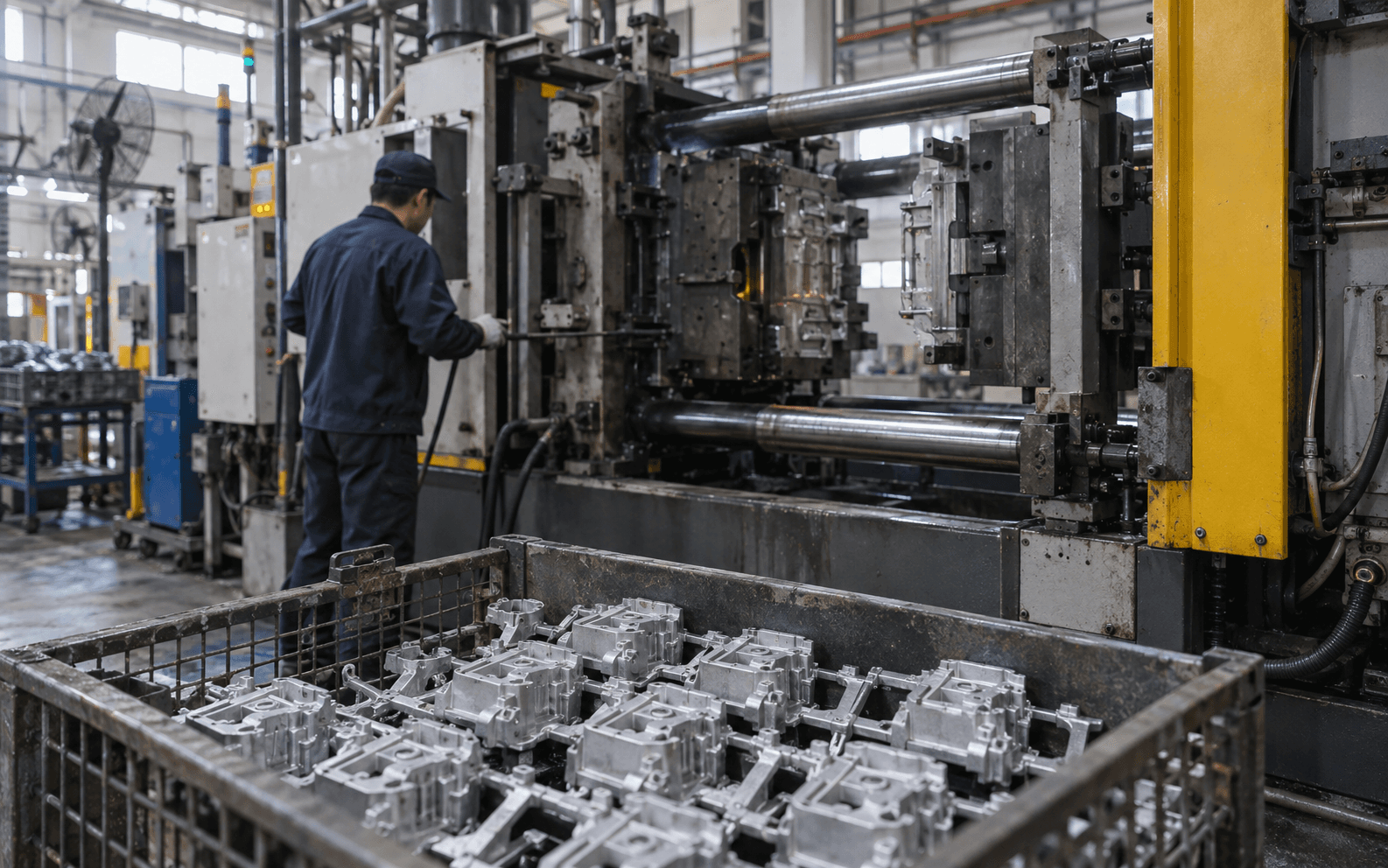
How die casting works, which metals it uses, what it's good and bad at, what drives the cost, and how to get die-cast parts made in Shenzhen and Dongguan. Written for first-timers.
 04Basics · 10 min
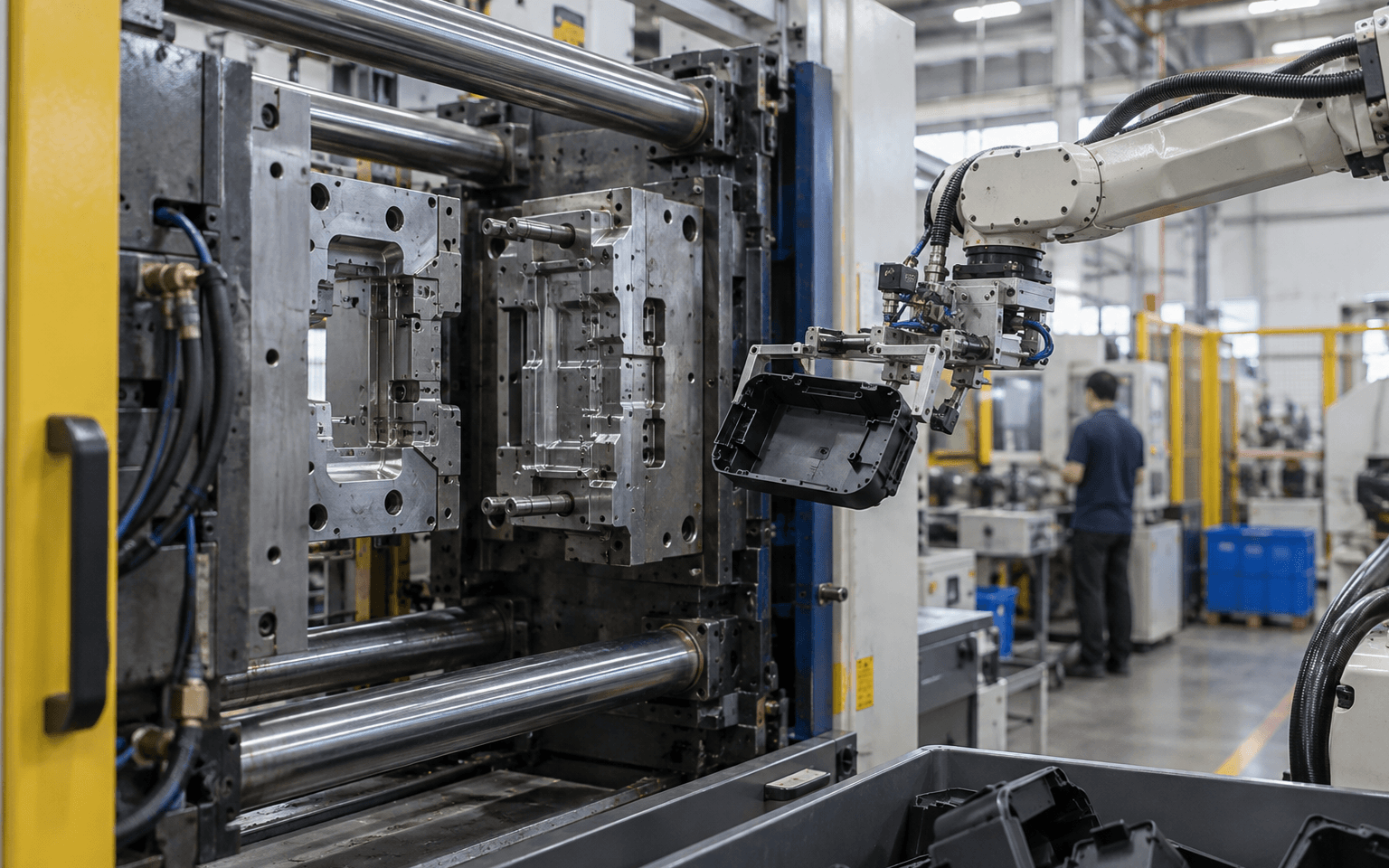
How injection molding works, why it makes plastic parts so cheap at volume, what the catch is, and when your product is ready for it.
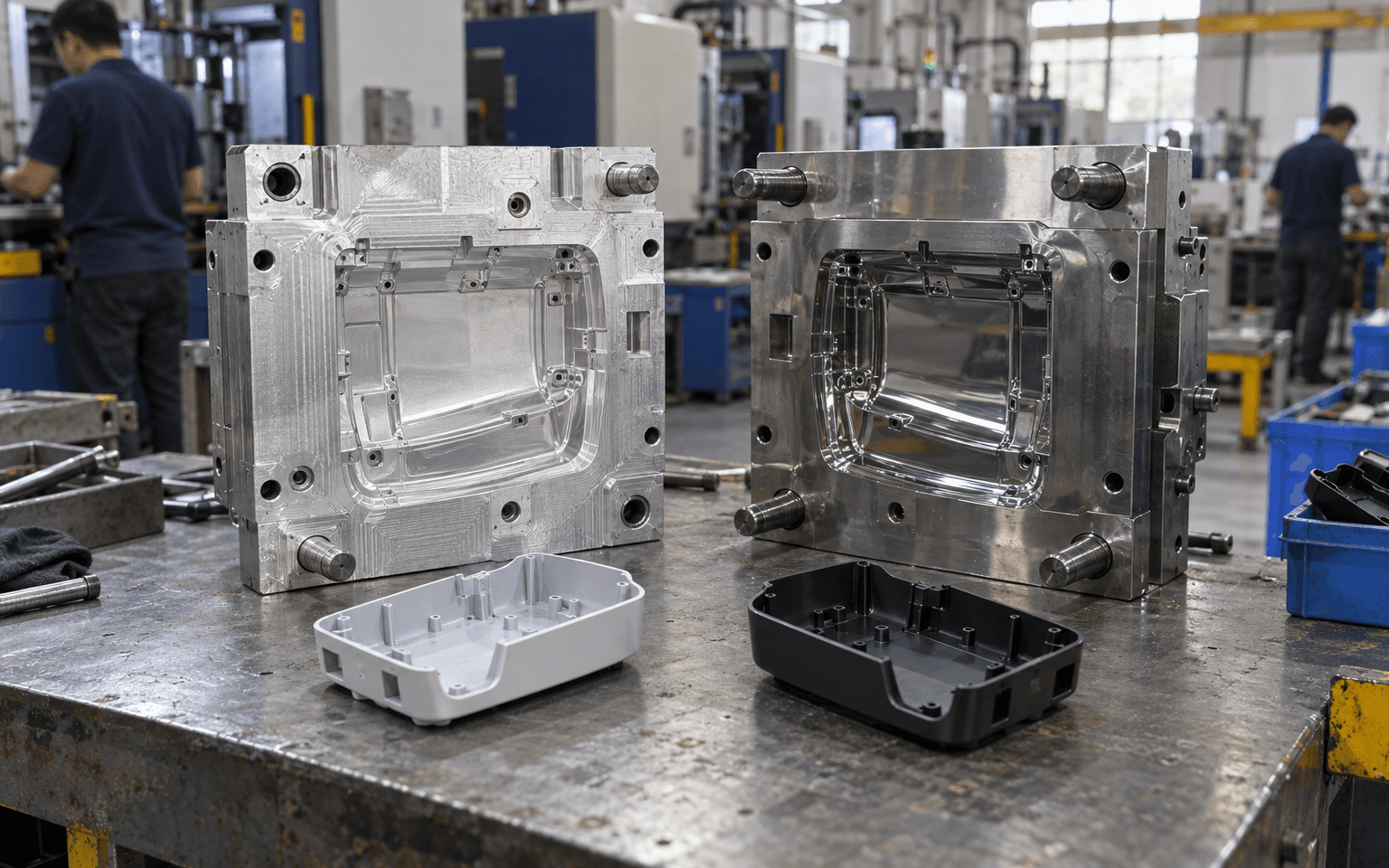 05Choosing · 7 min
The difference between aluminum "rapid" tooling and hardened steel production molds, with cost, speed and lifetime compared in plain English, and how to choose for your first run.
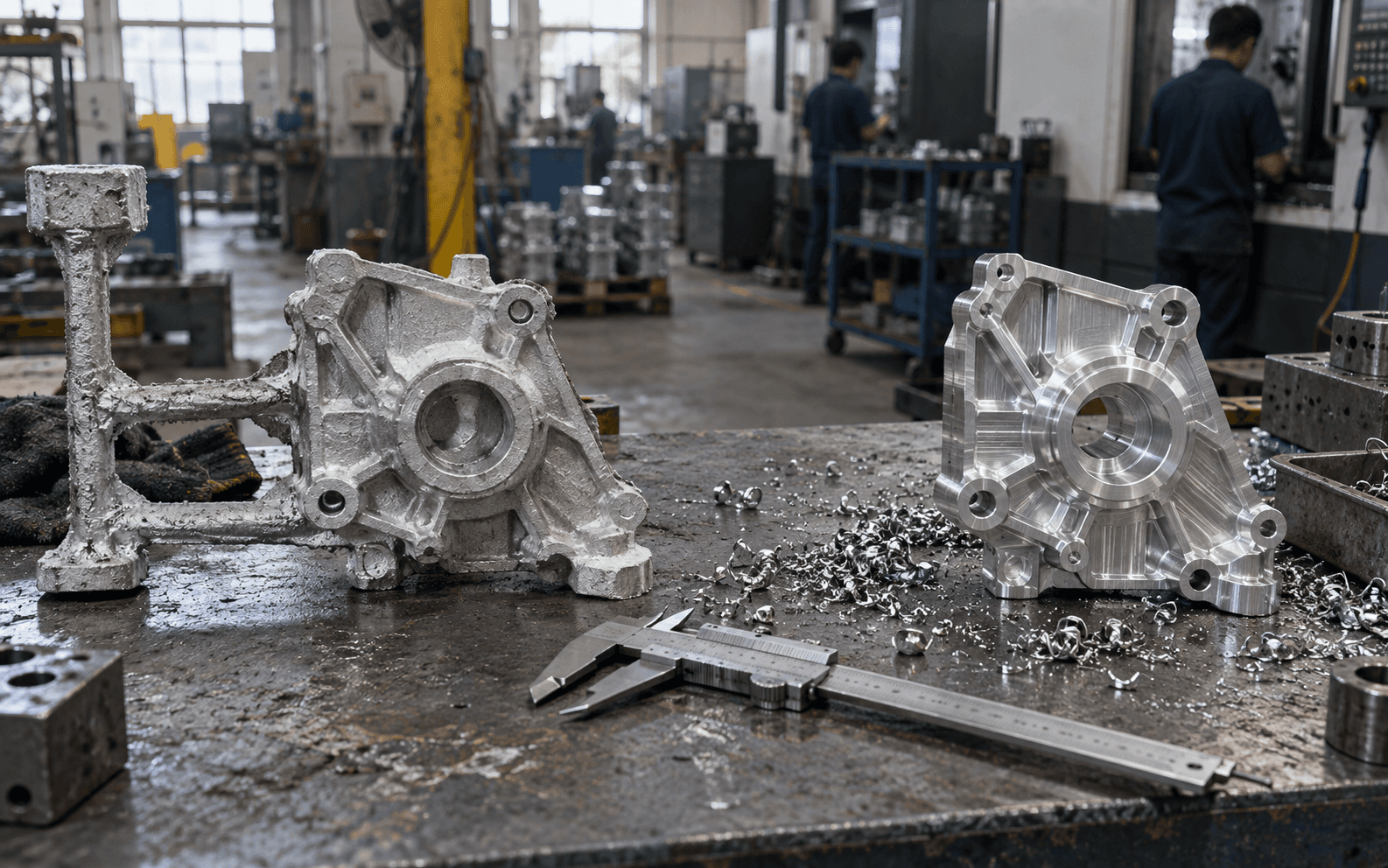 06Choosing · 7 min
When should a metal part be CNC machined, and when is it worth paying for a die-casting tool? A plain-English comparison of cost, quantity, quality and finish, with a simple break-even method.
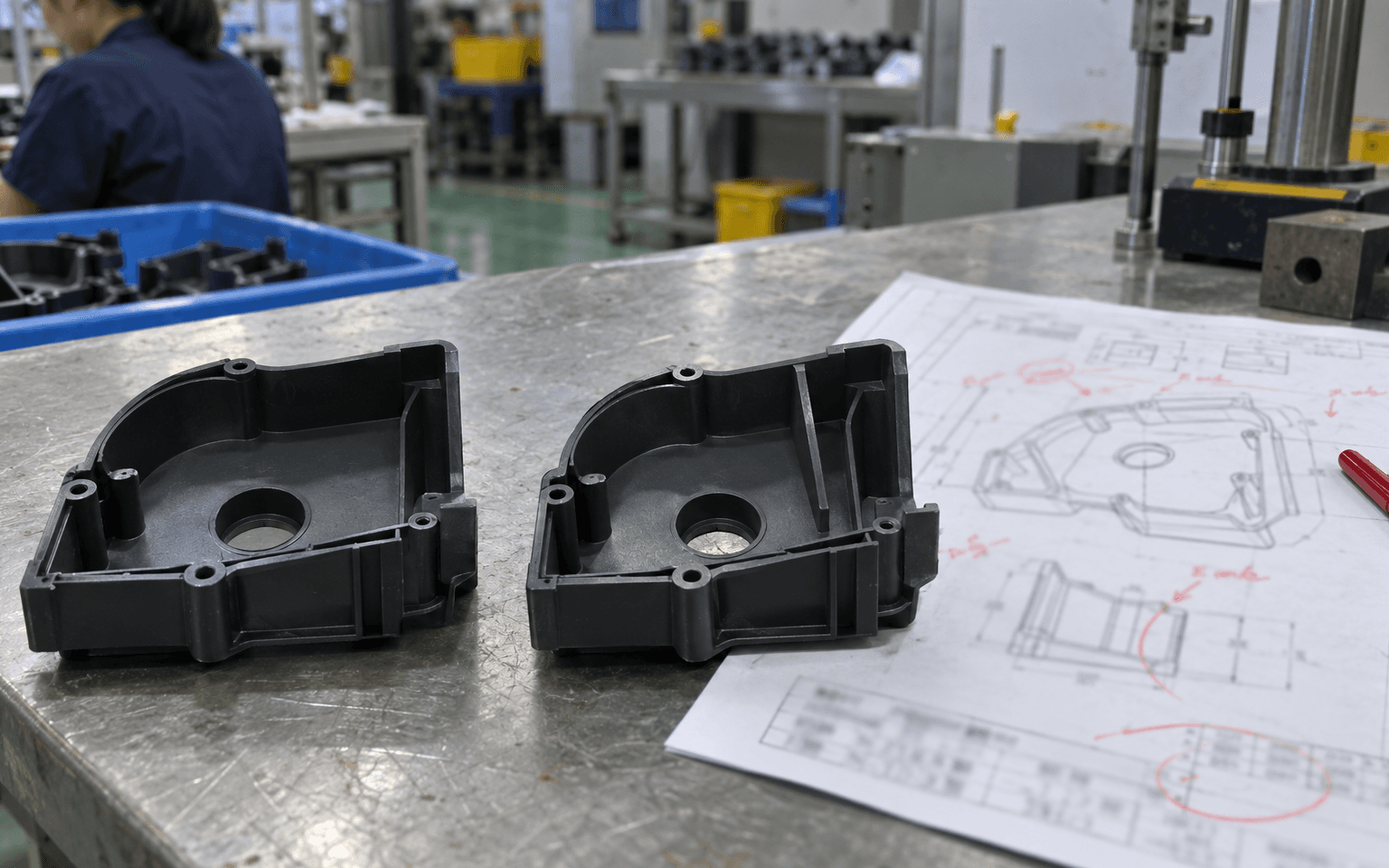 07Design · 9 min
What design freeze means, why late changes are so expensive in hardware, and how engineering change requests, orders and notices (ECR, ECO, ECN) keep you and your factory on the same version.
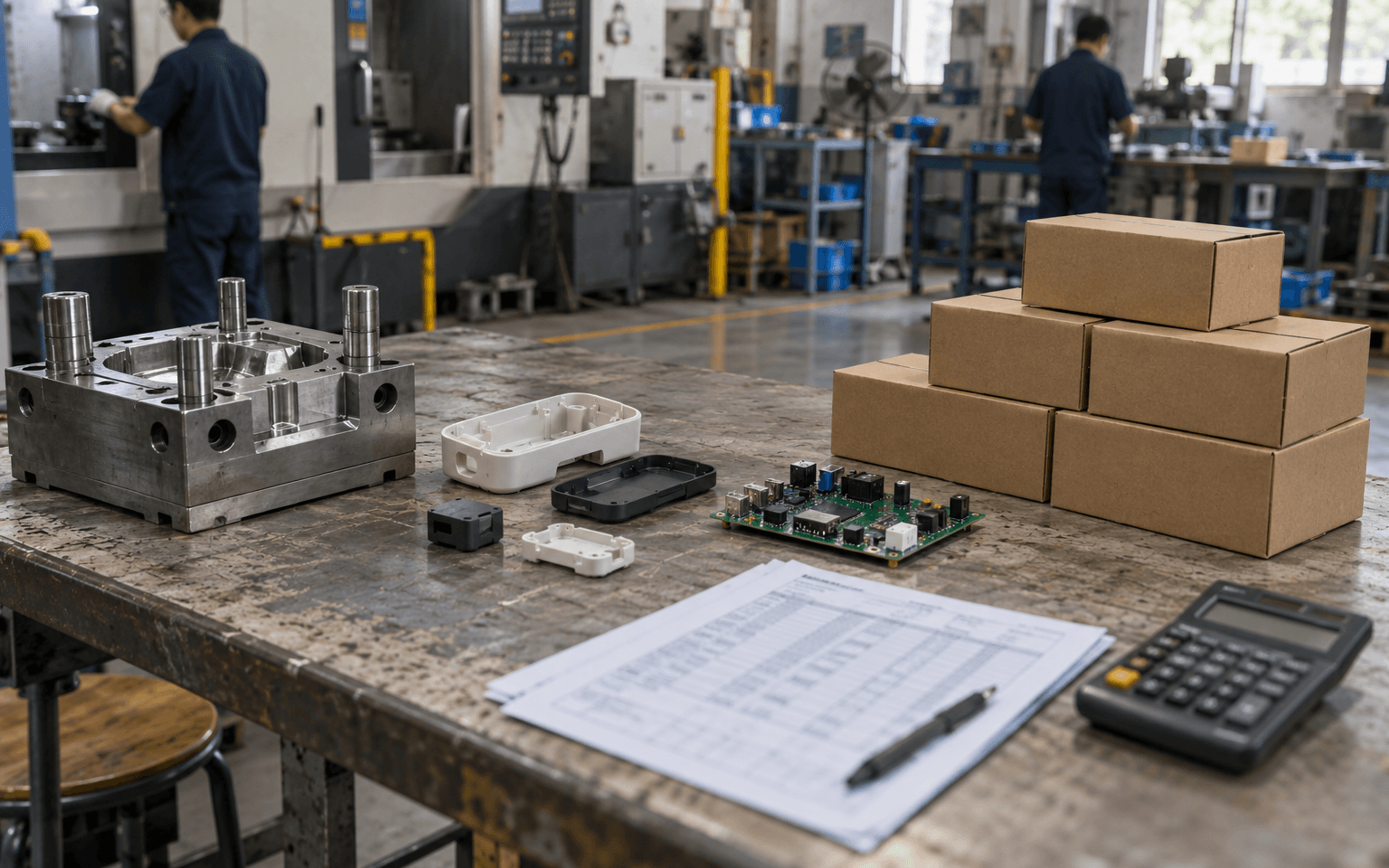 08Cost · 10 min
The cost buckets of developing and manufacturing a hardware product, explained for first-timers. Design, prototypes, tooling, certification and the first production order, with typical ranges where they're widely published, plus the costs people forget.
 09Basics · 9 min
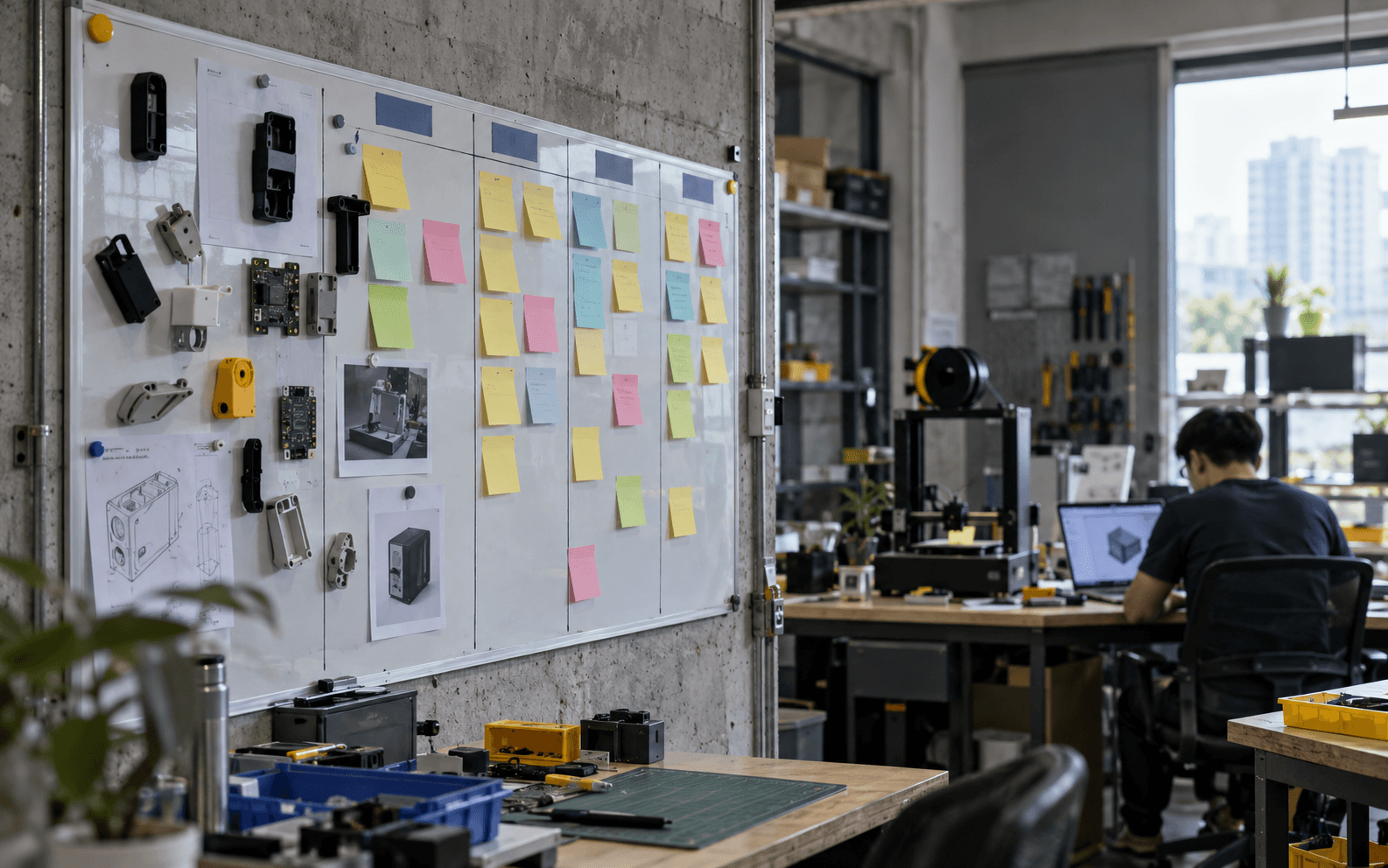
A realistic timeline for bringing a hardware product to market, stage by stage, for first-time founders. Where the time actually goes, what slows projects down in Shenzhen, and how to save weeks.
 10Working in China · 18 min
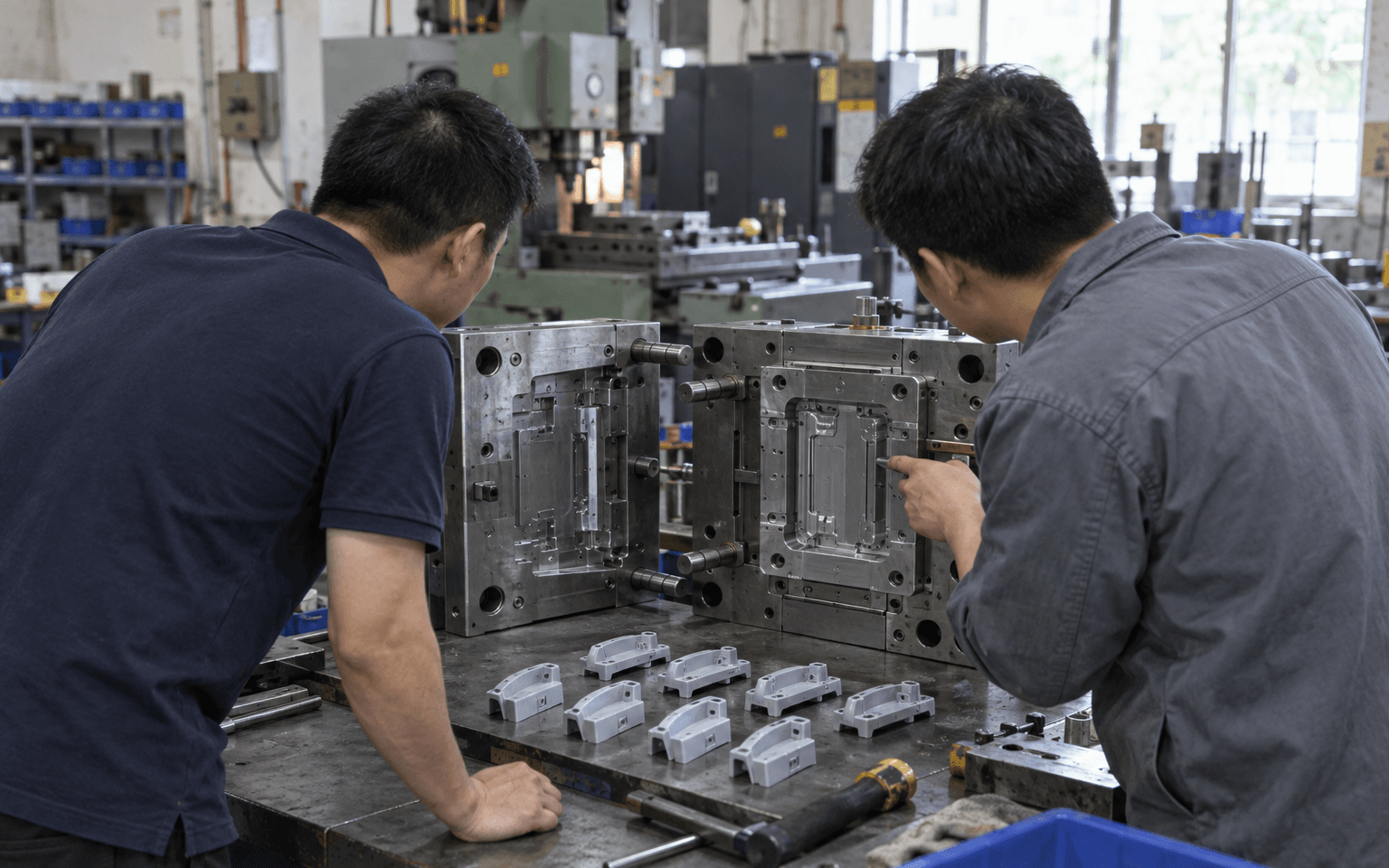
A plain-English walkthrough for first-timers. What an injection mold is, when you need one, what it costs, how long it takes, and how to make sure the mold belongs to you.
 11Choosing · 8 min
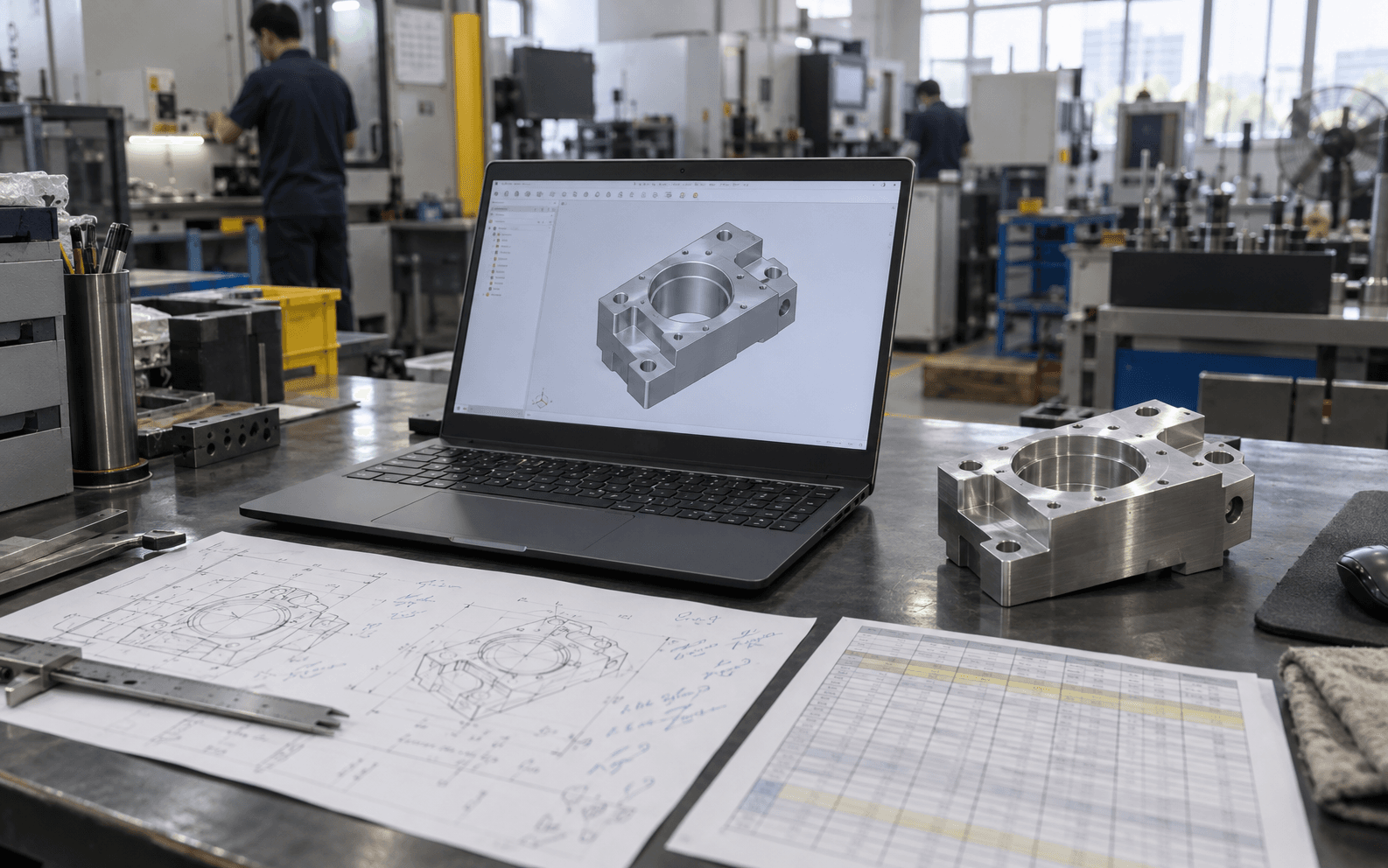
What a request for quotation (RFQ) is, what to put in it, and how to write one that gets clear, comparable quotes from Shenzhen suppliers. With a checklist you can copy.
 12Cost · 9 min
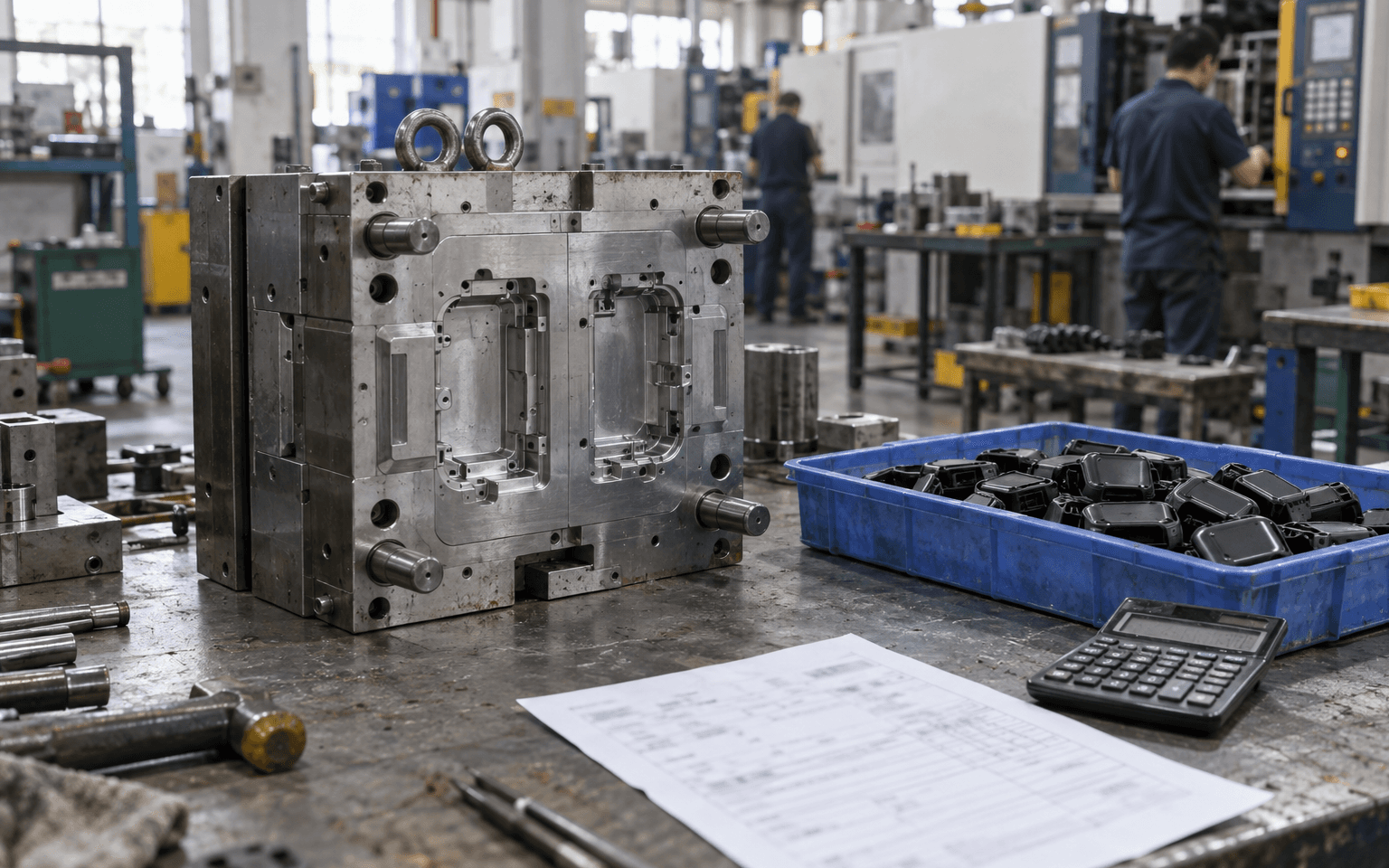
The two costs of injection molding (the mold and each part) explained for first-timers, with a simple way to work out when molding becomes cheaper than prototyping methods.
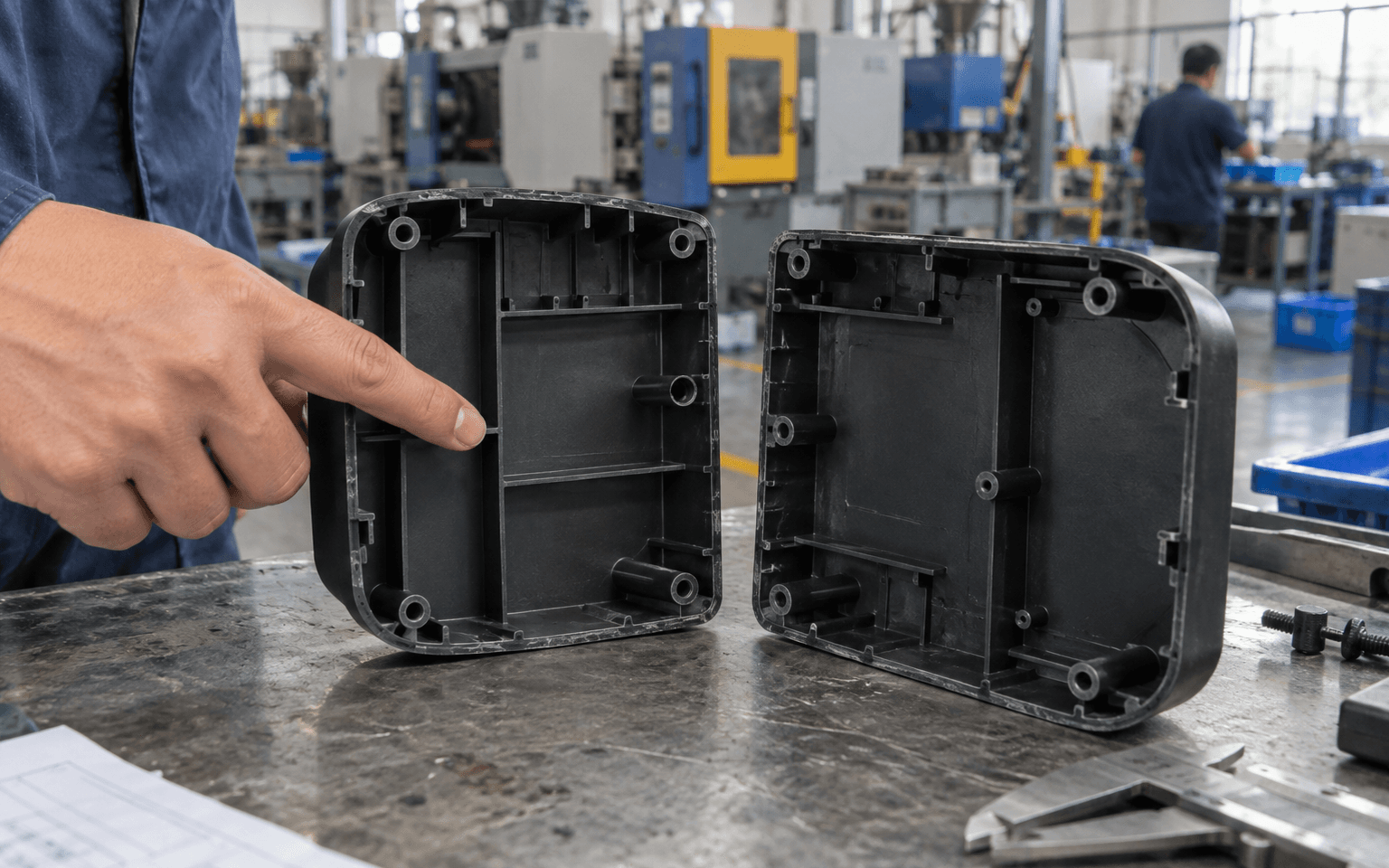 13Design · 10 min
The handful of design rules that make plastic parts moldable and cheap. Draft, wall thickness, ribs, bosses and undercuts, explained simply with the reason behind each.
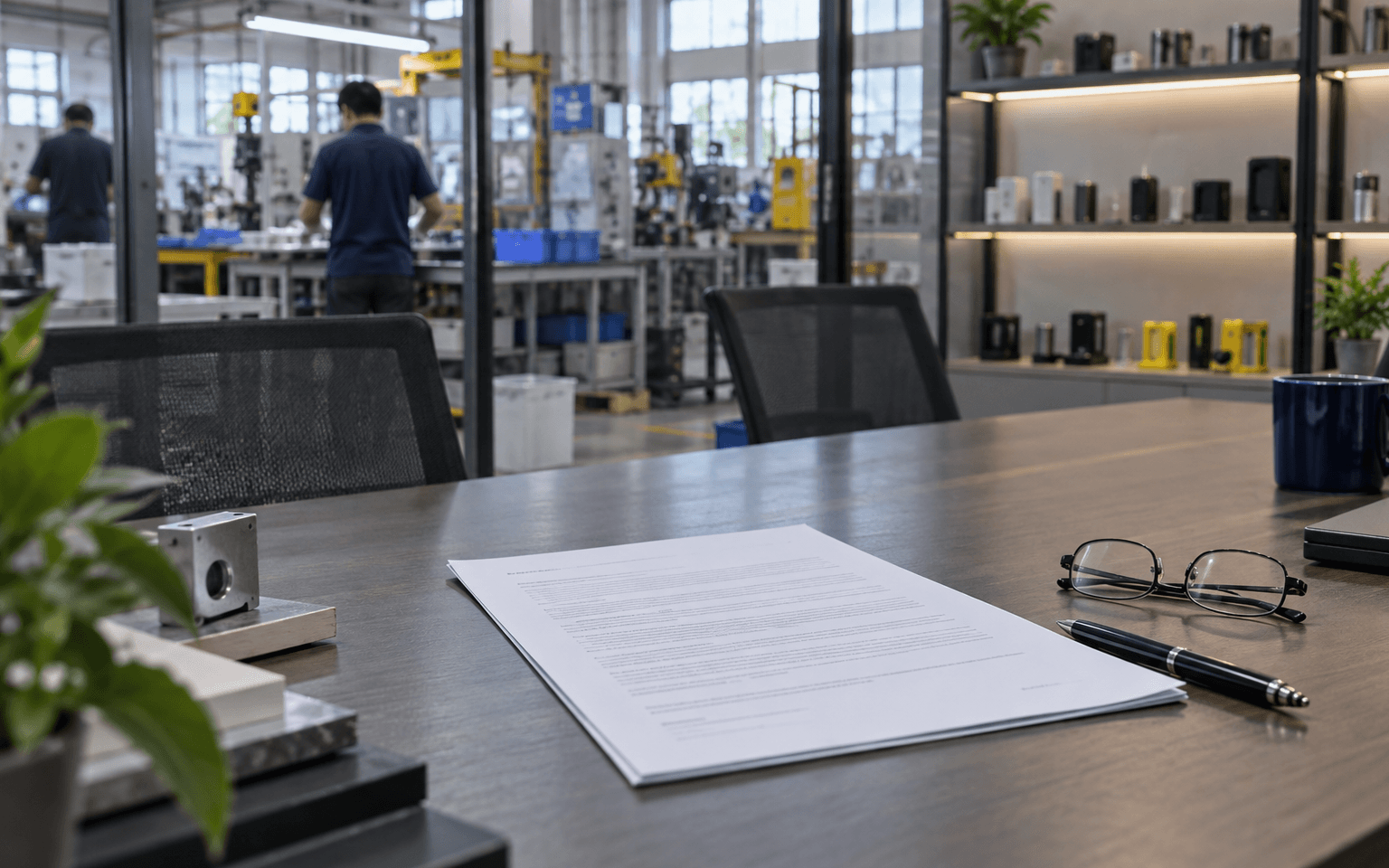 14Working in China · 8 min
What an NNN agreement is, how it differs from a standard NDA, why it's commonly recommended when working with Chinese manufacturers, and what it can and can't do. Plain-English background, not legal advice.
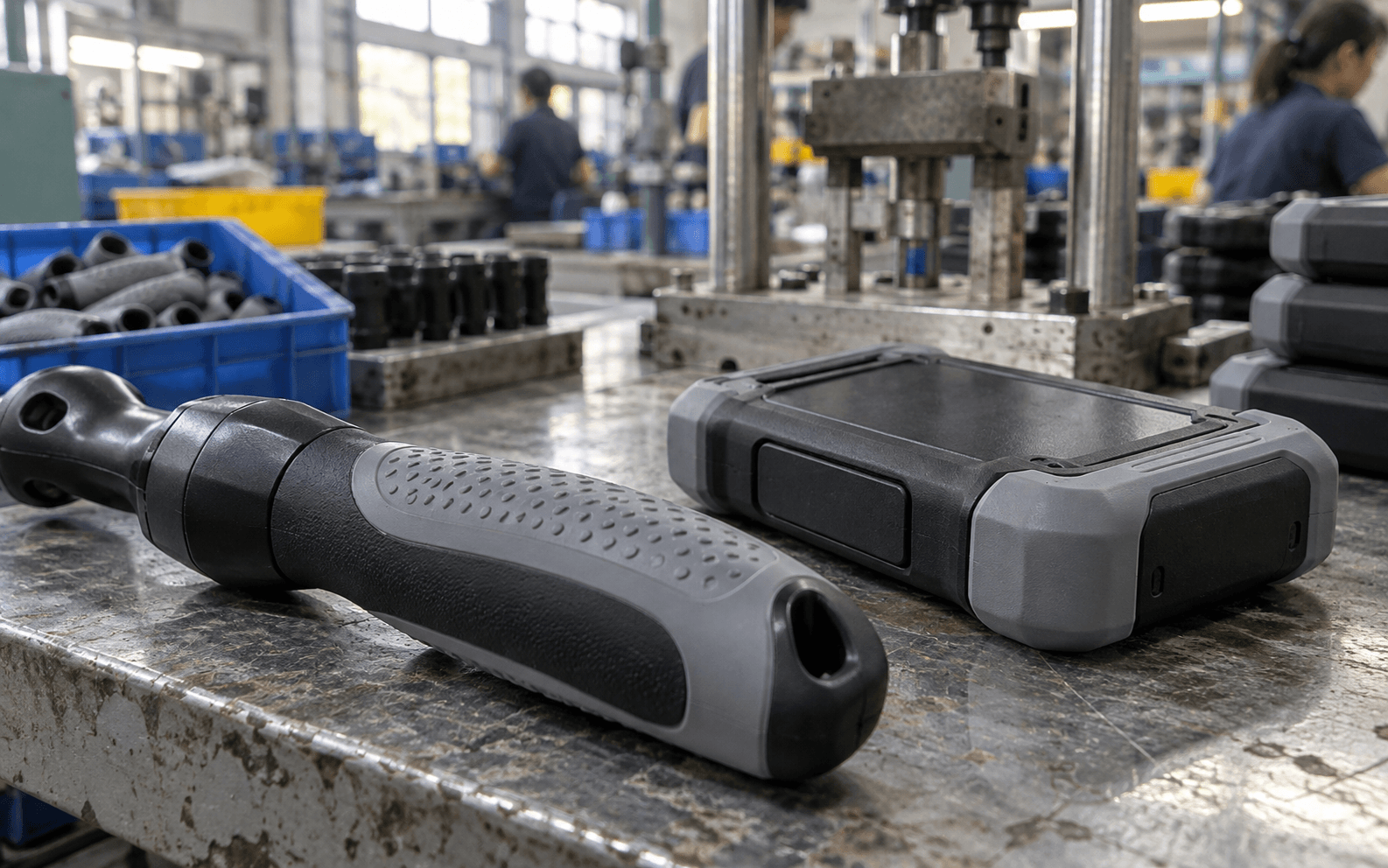 15Basics · 6 min
How products get soft-touch grips, rubber seals and molded-in metal parts. Overmolding, two-shot molding and insert molding explained simply.
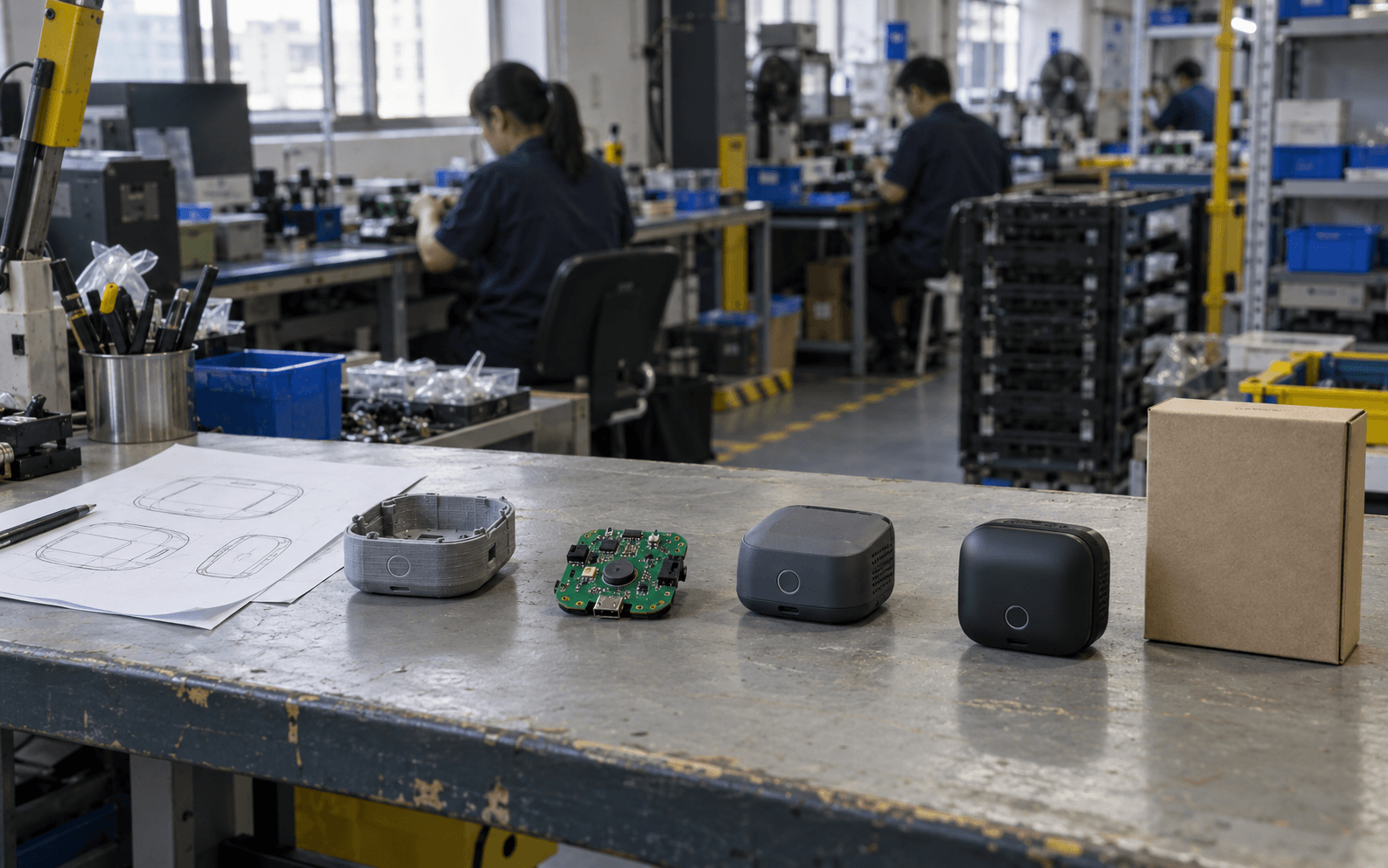 16Basics · 11 min
The stages of making a physical product, from first sketch to boxes on a ship, explained for first-timers. What happens at each stage, why it matters, what you get out of it, and who in Shenzhen helps.
 17Basics · 10 min
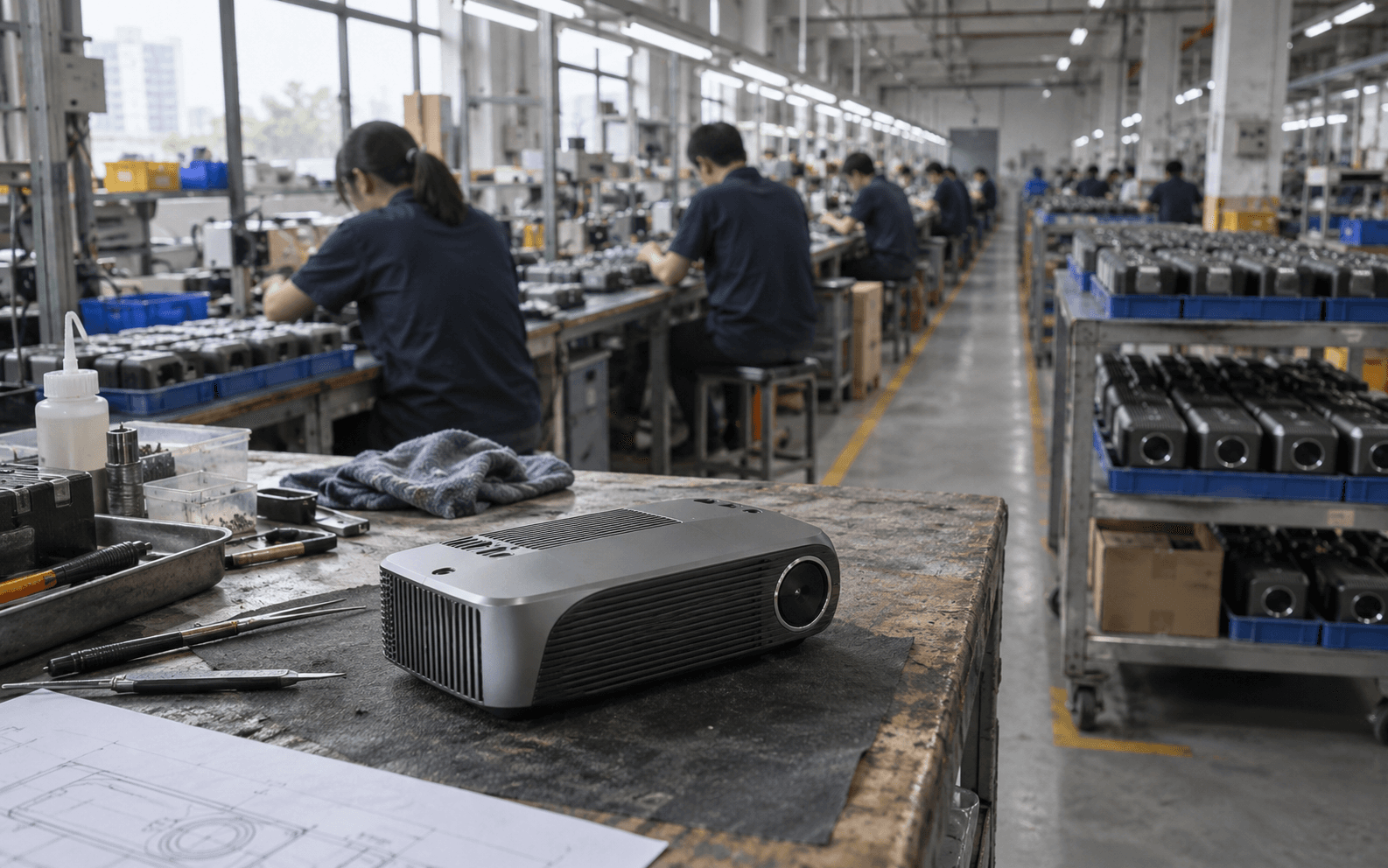
Why a product that works as 10 prototypes can fail at 1,000 units, what changes in parts, people, testing, documents and cash as you scale, and the steps between a working prototype and your first production run in Shenzhen.
 18Choosing · 7 min
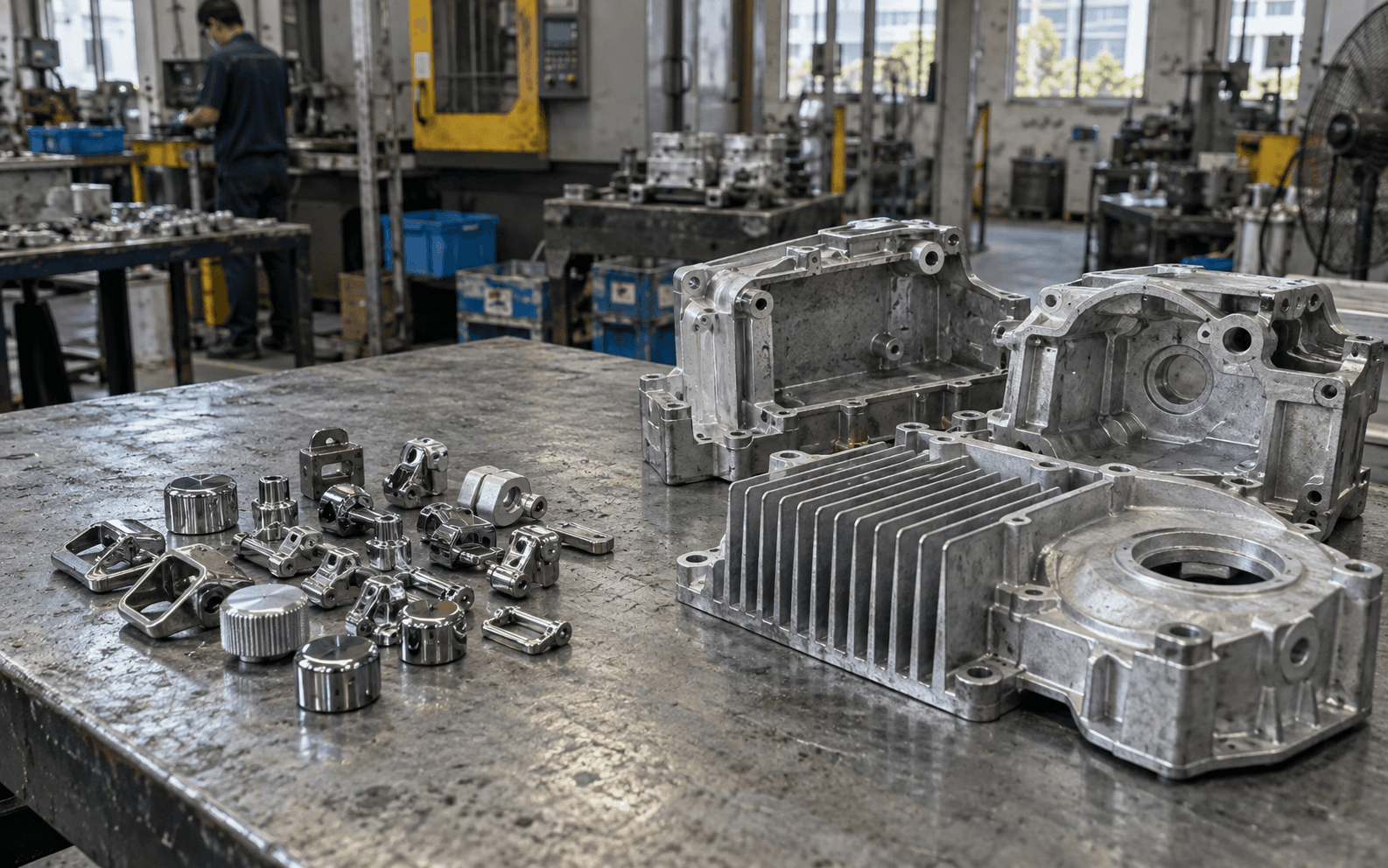
Should your die-cast part be zinc or aluminum? Weight, detail, finish, tooling life and cost compared in plain words, with a simple way to decide.