Guides
Read before you fly.
Browse by process
 Start here
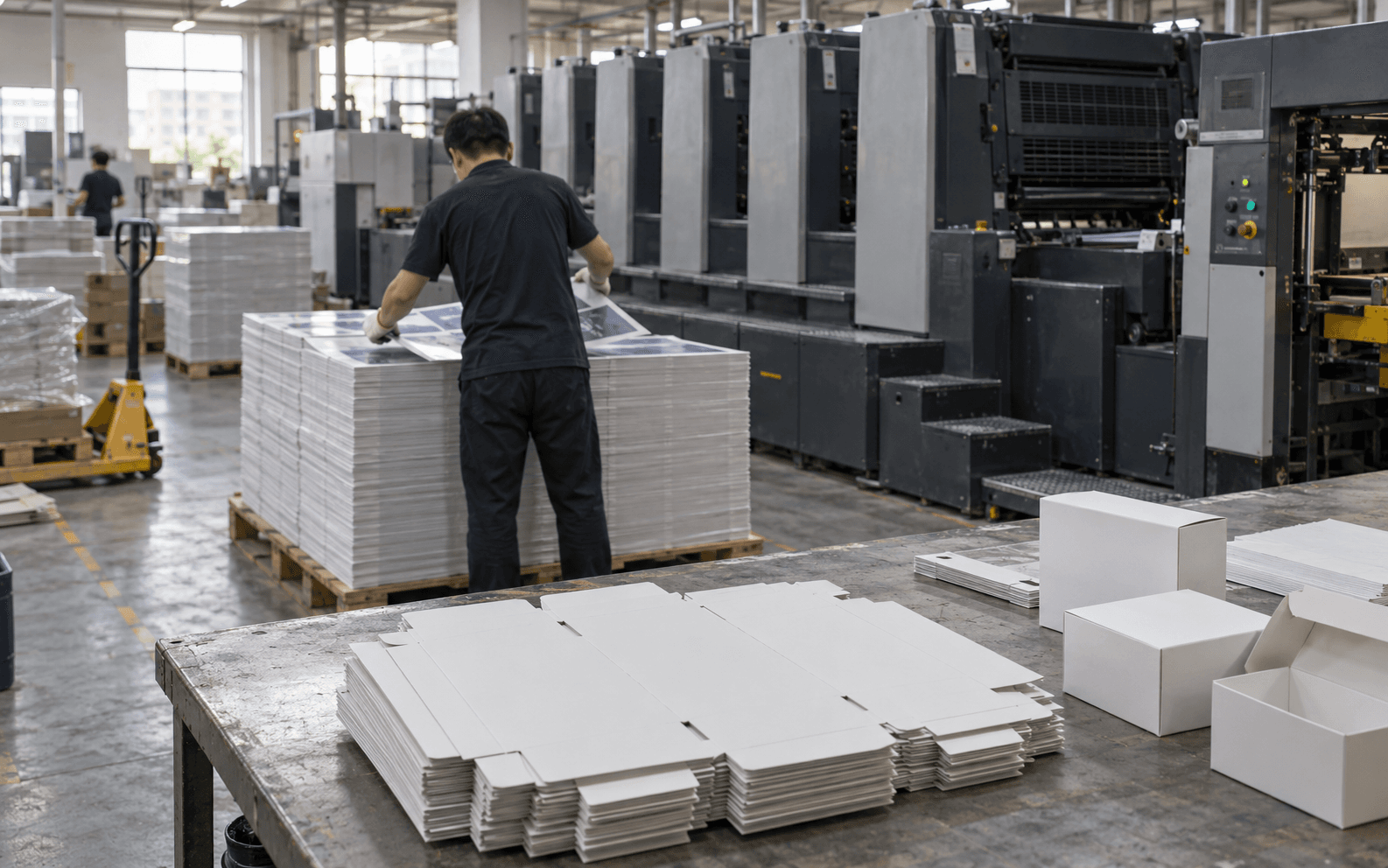
How custom packaging is made: from dieline to finished box
The custom packaging process explained for hardware founders doing their first retail box. Box structures, printing, finishes, inserts, samples, MOQs and lead times, plus the Chinese words factories use.
→ 01Design · 8 min
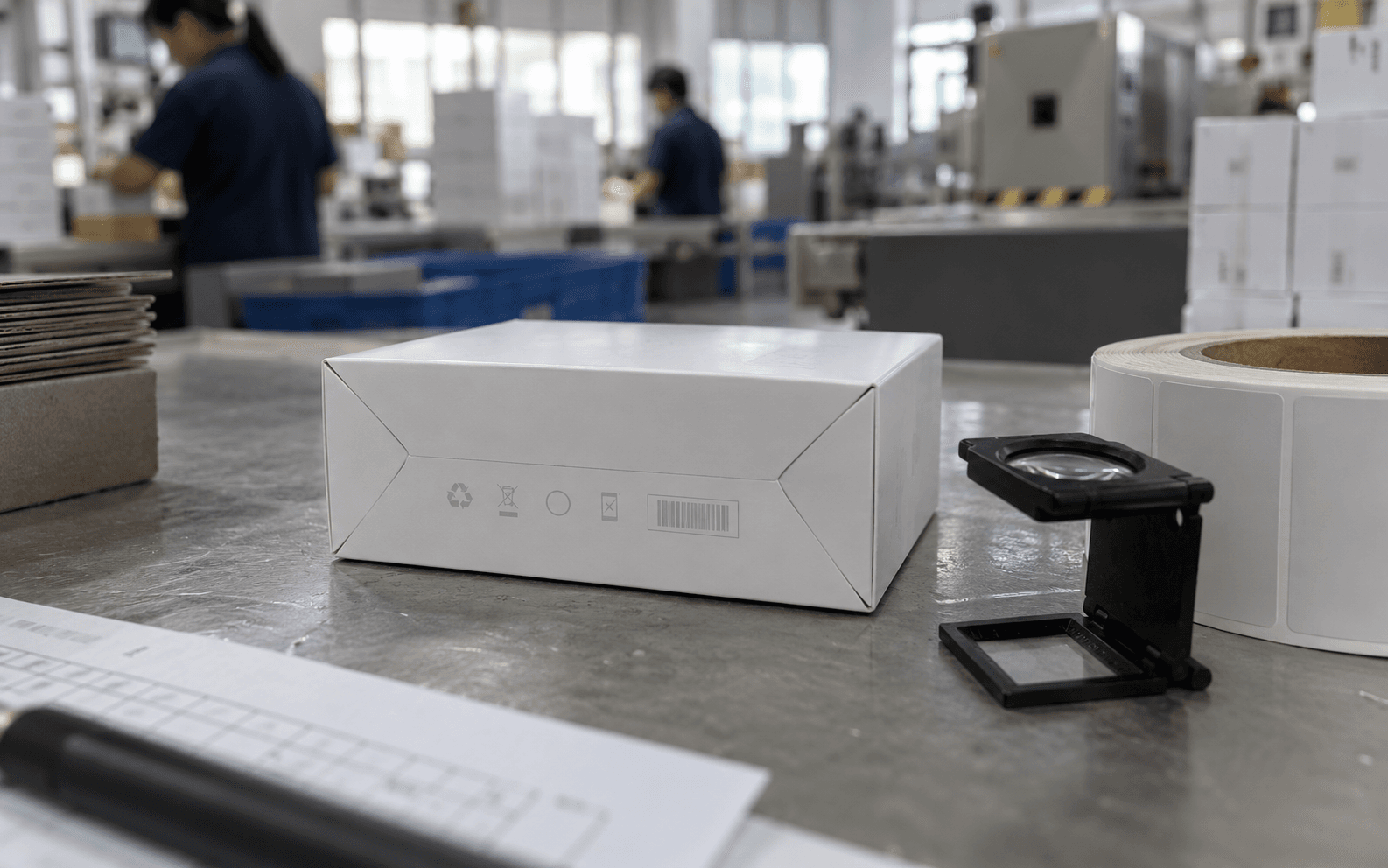
Symbols and labels on electronics packaging: a beginner's checklist
The common marks and labels on electronics boxes explained: CE, UKCA, FCC, the WEEE bin, recycling symbols, barcodes, country of origin and carton marks. General guidance only; confirm the rules for your market.
 02Choosing · 7 min
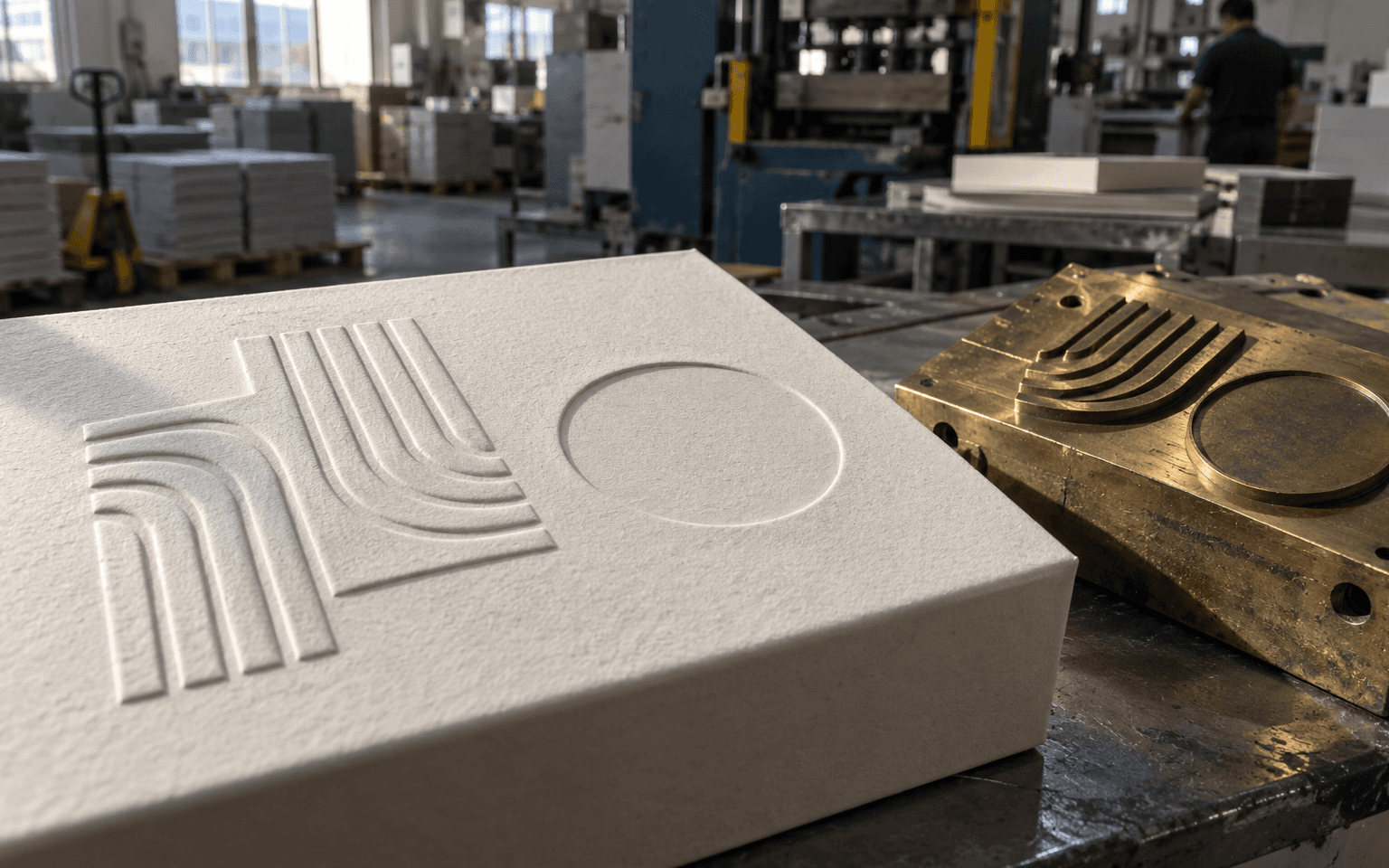
Embossing vs debossing (and blind emboss) for packaging
The difference between embossing (击凸) and debossing (压凹), what blind and registered embossing mean, which designs and boards work, and what drives the cost on a custom box.
 03Choosing · 6 min
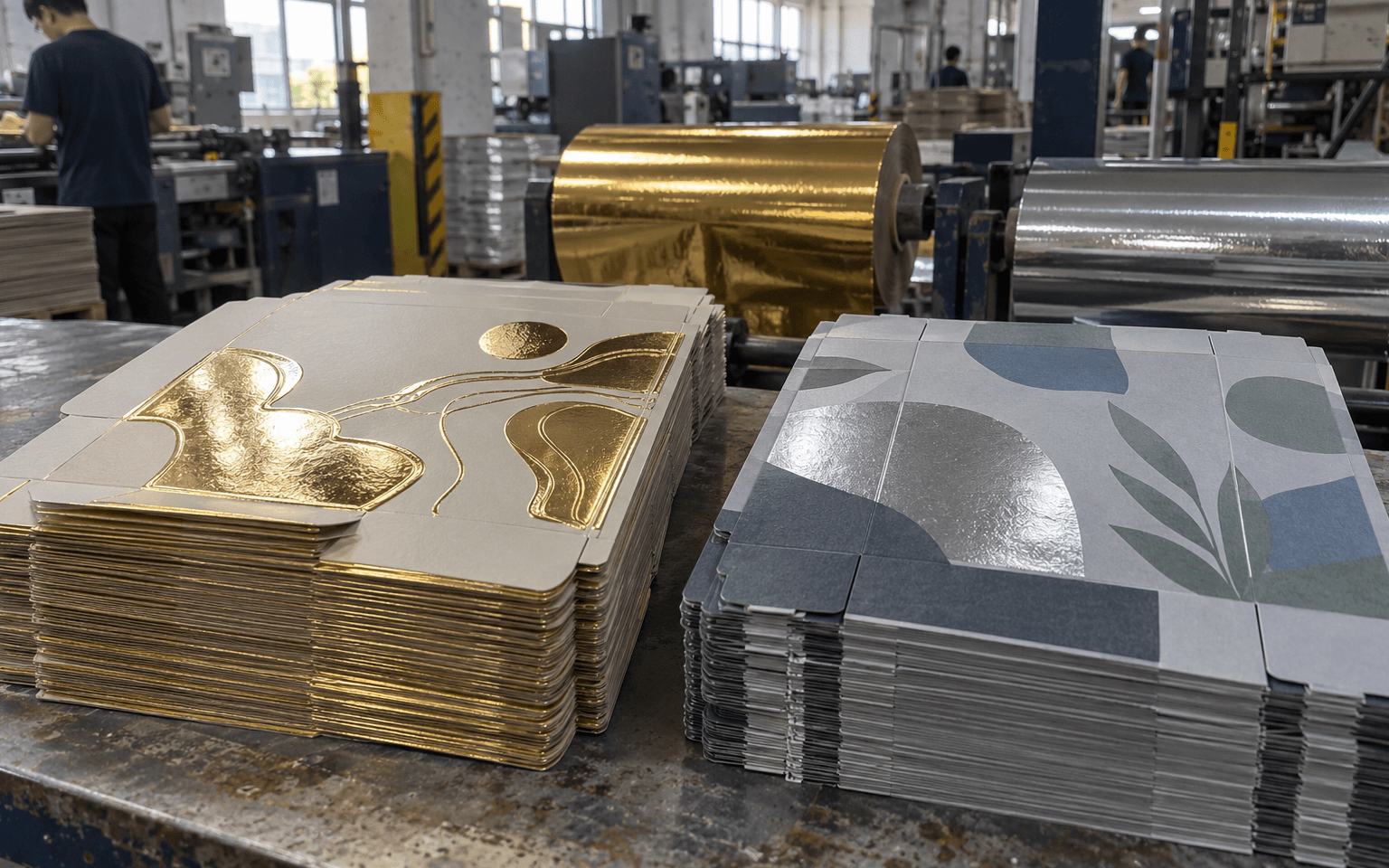
Hot foil vs cold foil stamping: what's the difference?
Hot foil (烫金) and cold foil (冷烫) compared in plain words. How each works, how they look and feel, which suits short or long runs, and what to ask a packaging factory.
 04Choosing · 9 min
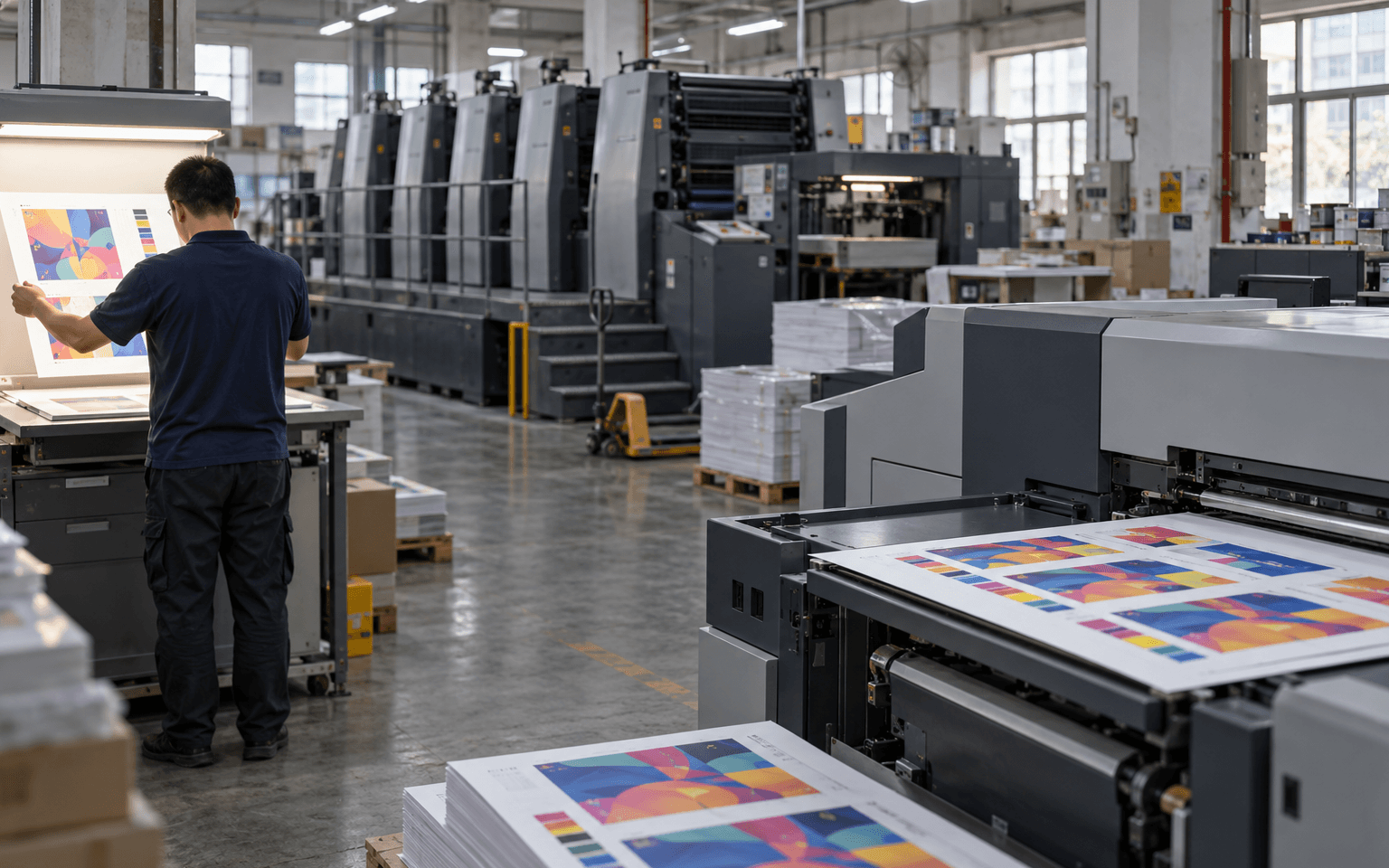
Offset vs digital printing for packaging (and CMYK vs Pantone)
How offset and digital printing differ for custom boxes, when each makes sense, what CMYK and Pantone spot colours mean, and how to get your box colours right with a Chinese printer.
 Start here
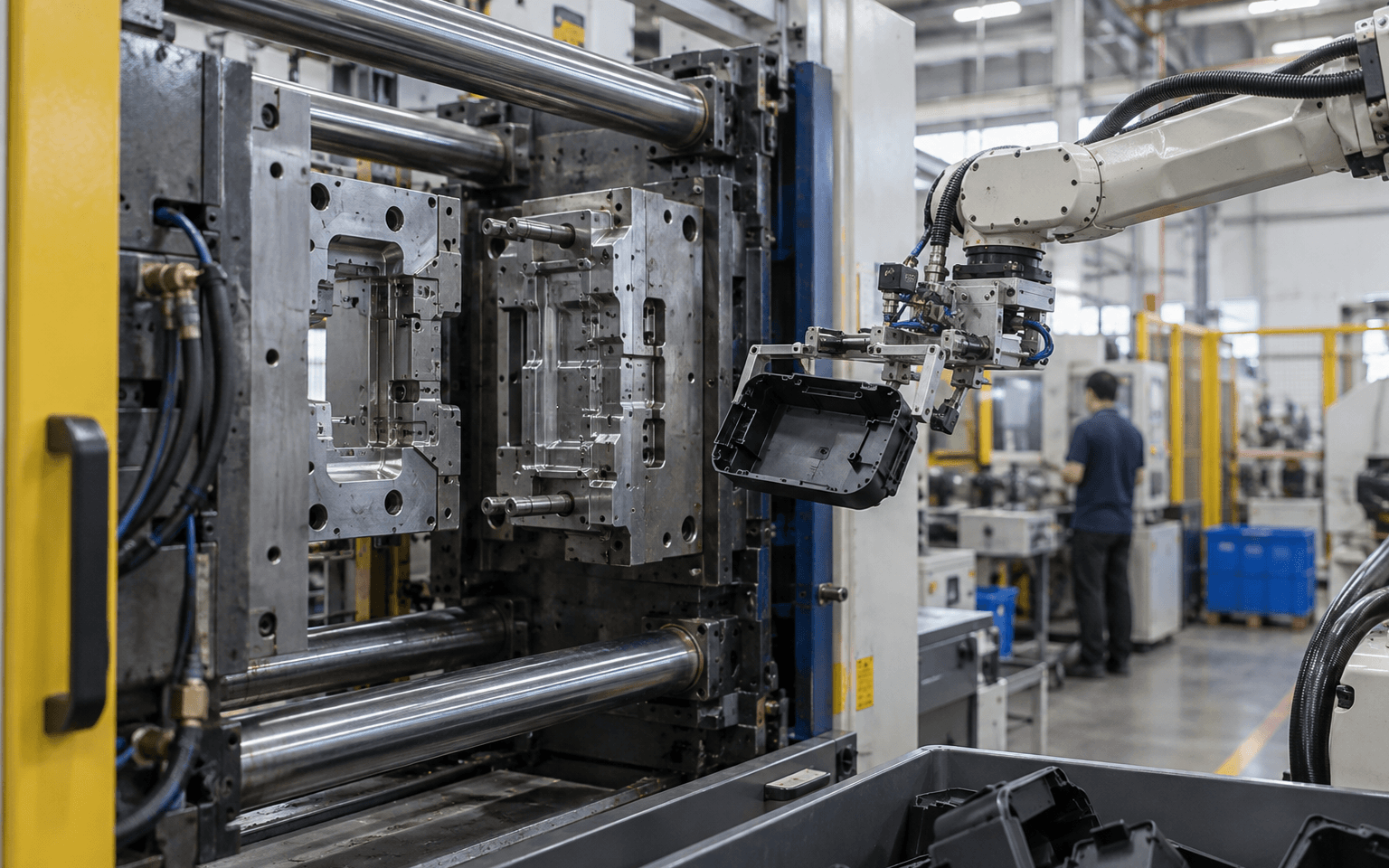
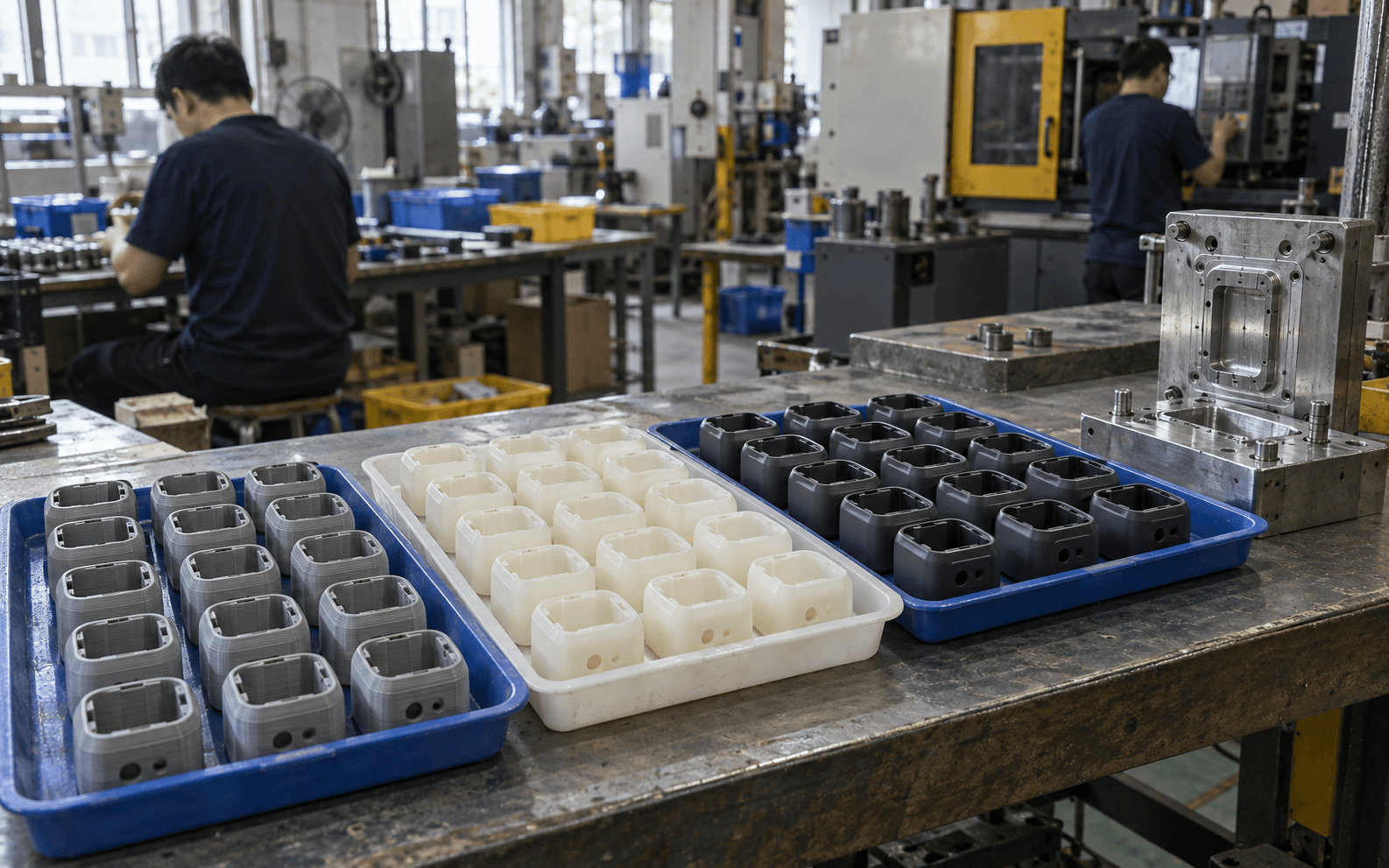
What is injection molding? A plain-English guide
How injection molding works, why it makes plastic parts so cheap at volume, what the catch is, and when your product is ready for it.
→ 01Choosing · 7 min
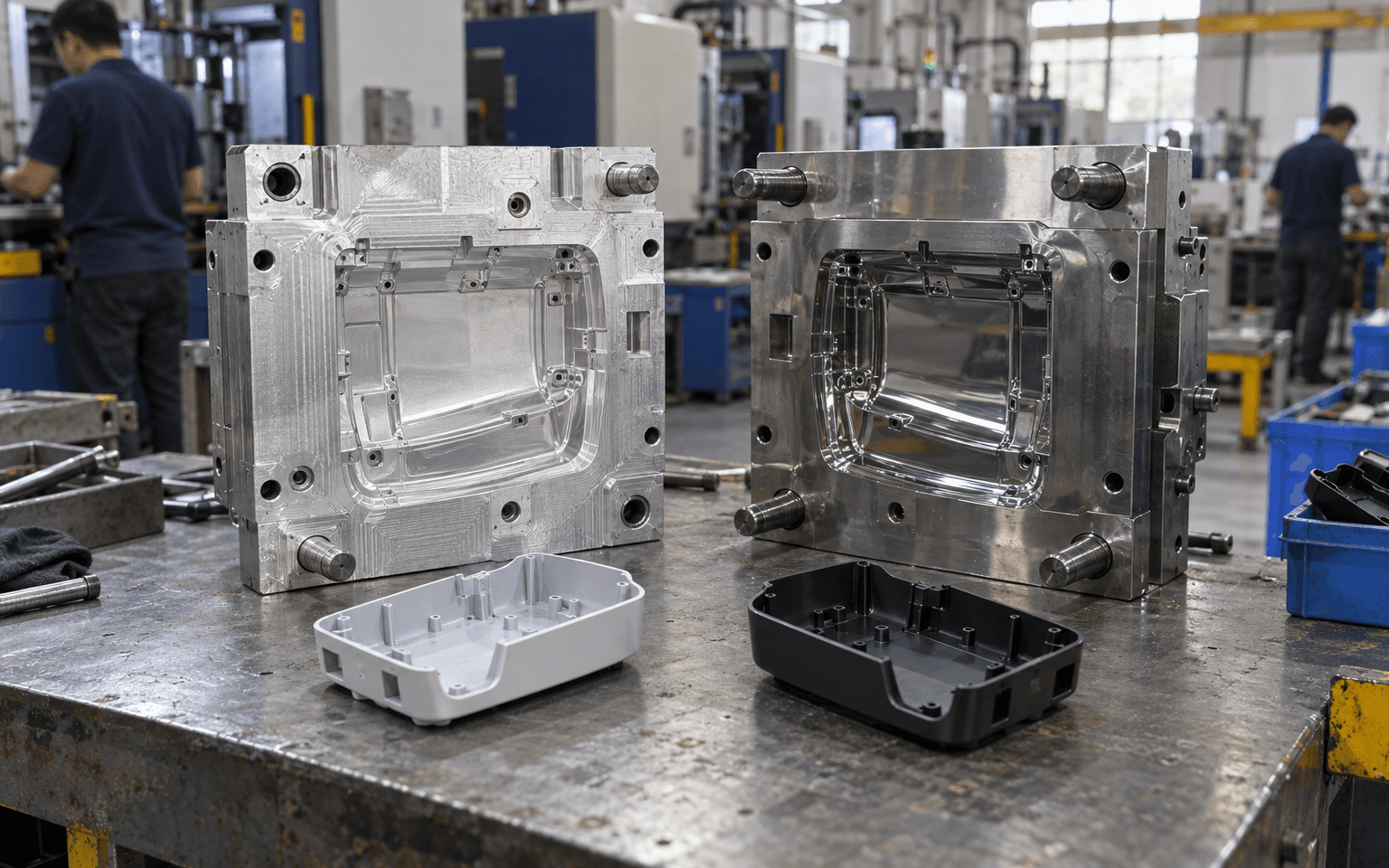
Aluminum vs steel molds (rapid tooling explained)
The difference between aluminum "rapid" tooling and hardened steel production molds, with cost, speed and lifetime compared in plain English, and how to choose for your first run.
 02Working in China · 18 min
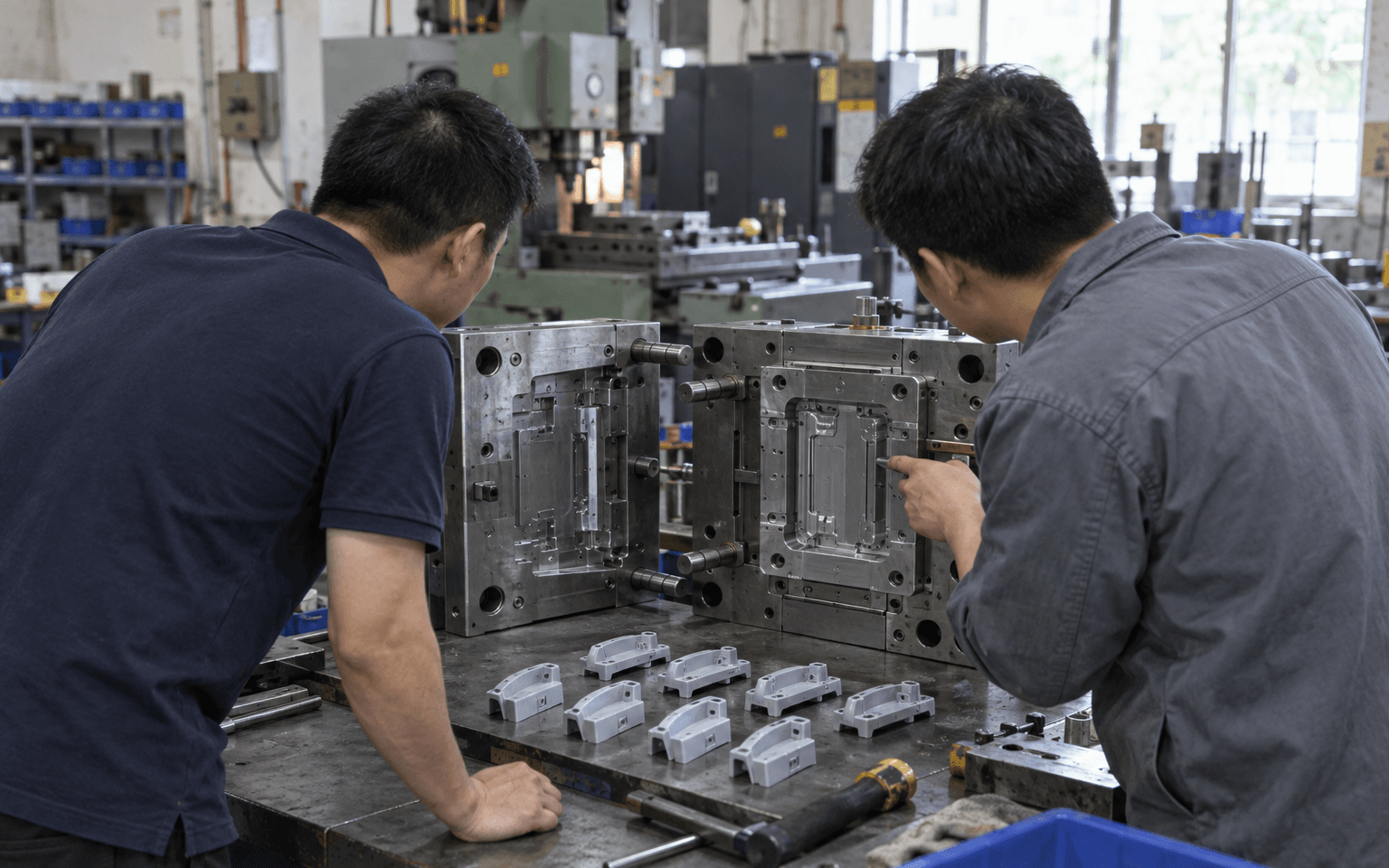
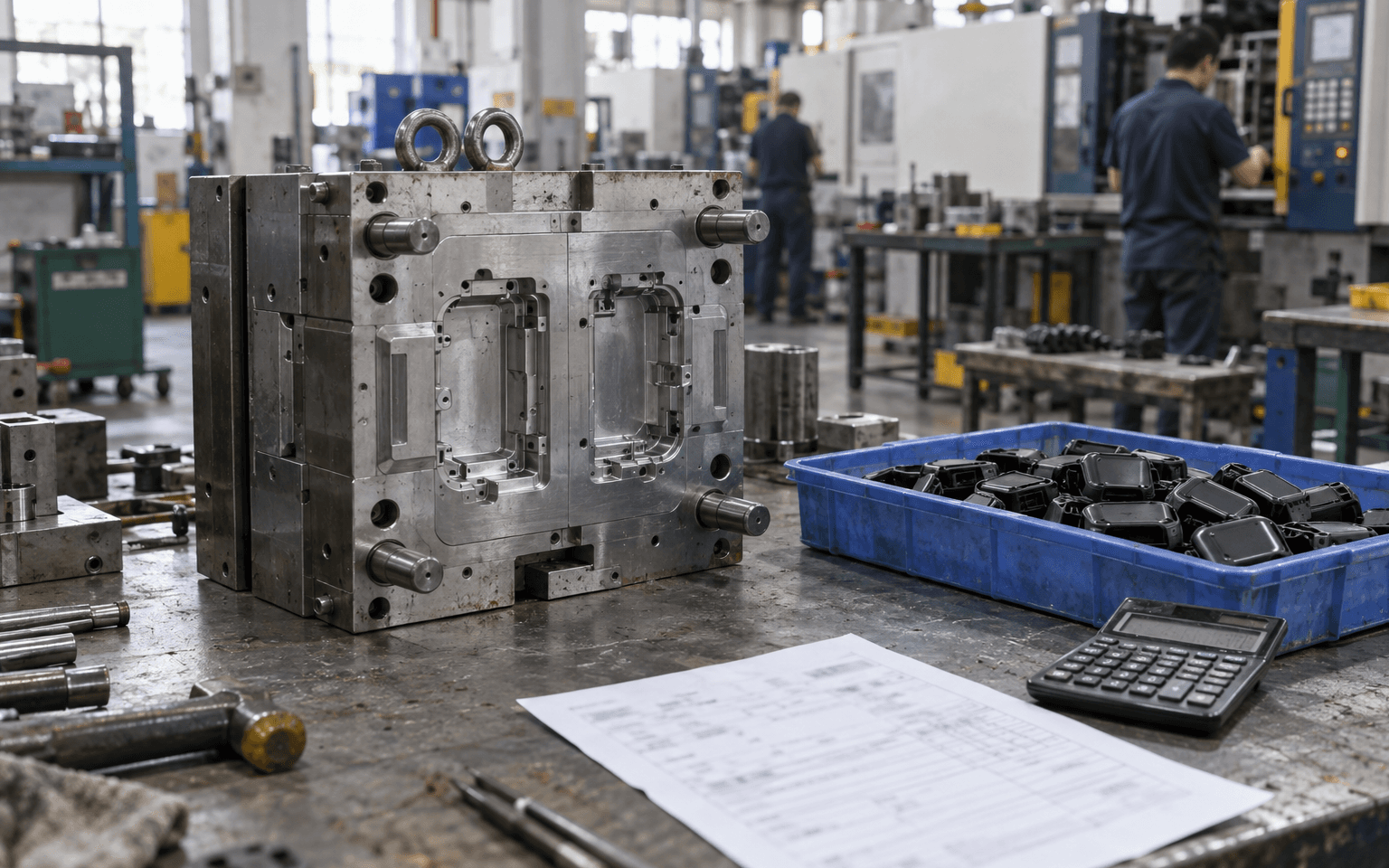
How to get an injection mold made in China
A plain-English walkthrough for first-timers. What an injection mold is, when you need one, what it costs, how long it takes, and how to make sure the mold belongs to you.
 03Cost · 9 min
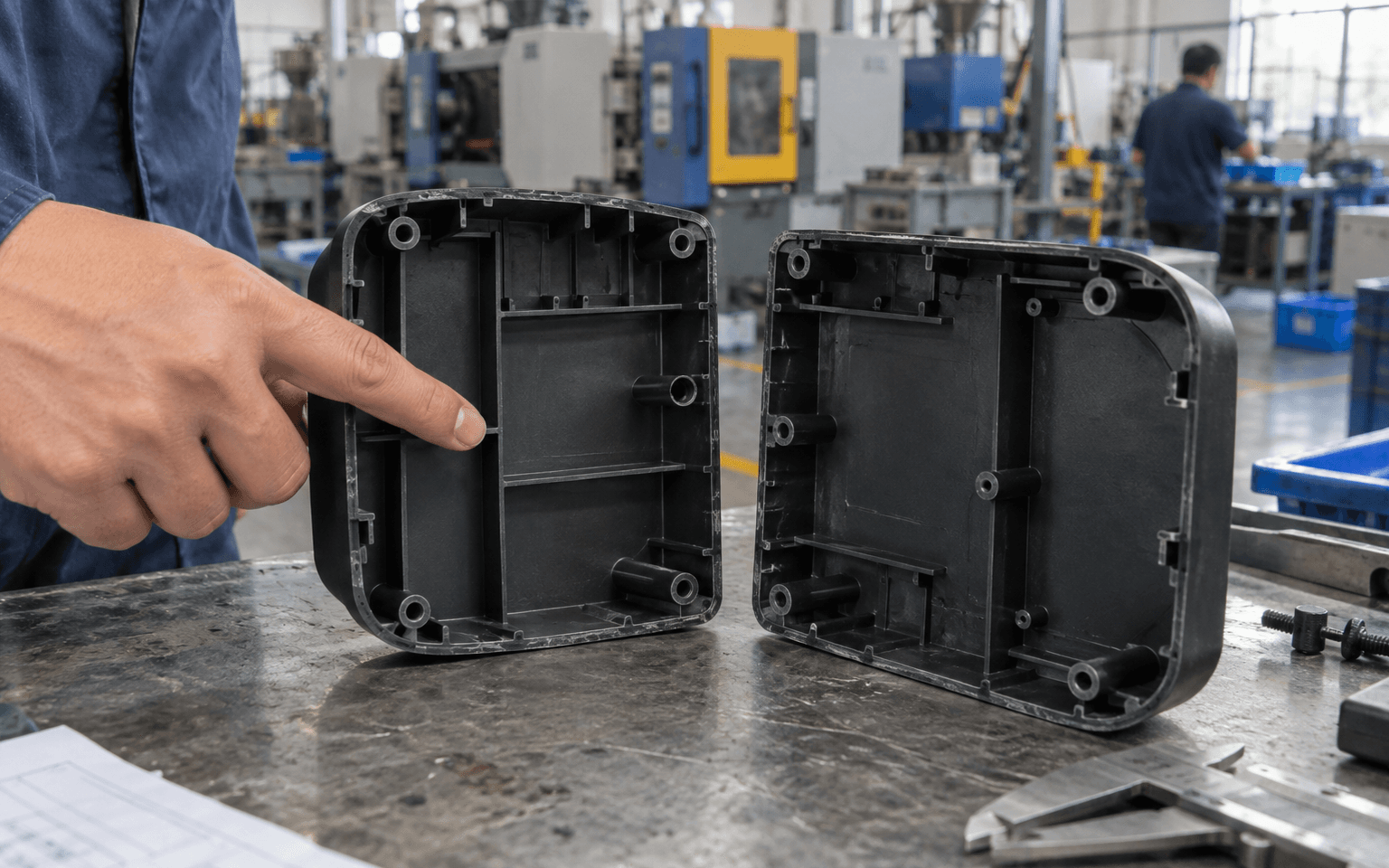
How much does injection molding cost?
The two costs of injection molding (the mold and each part) explained for first-timers, with a simple way to work out when molding becomes cheaper than prototyping methods.
 04Design · 10 min
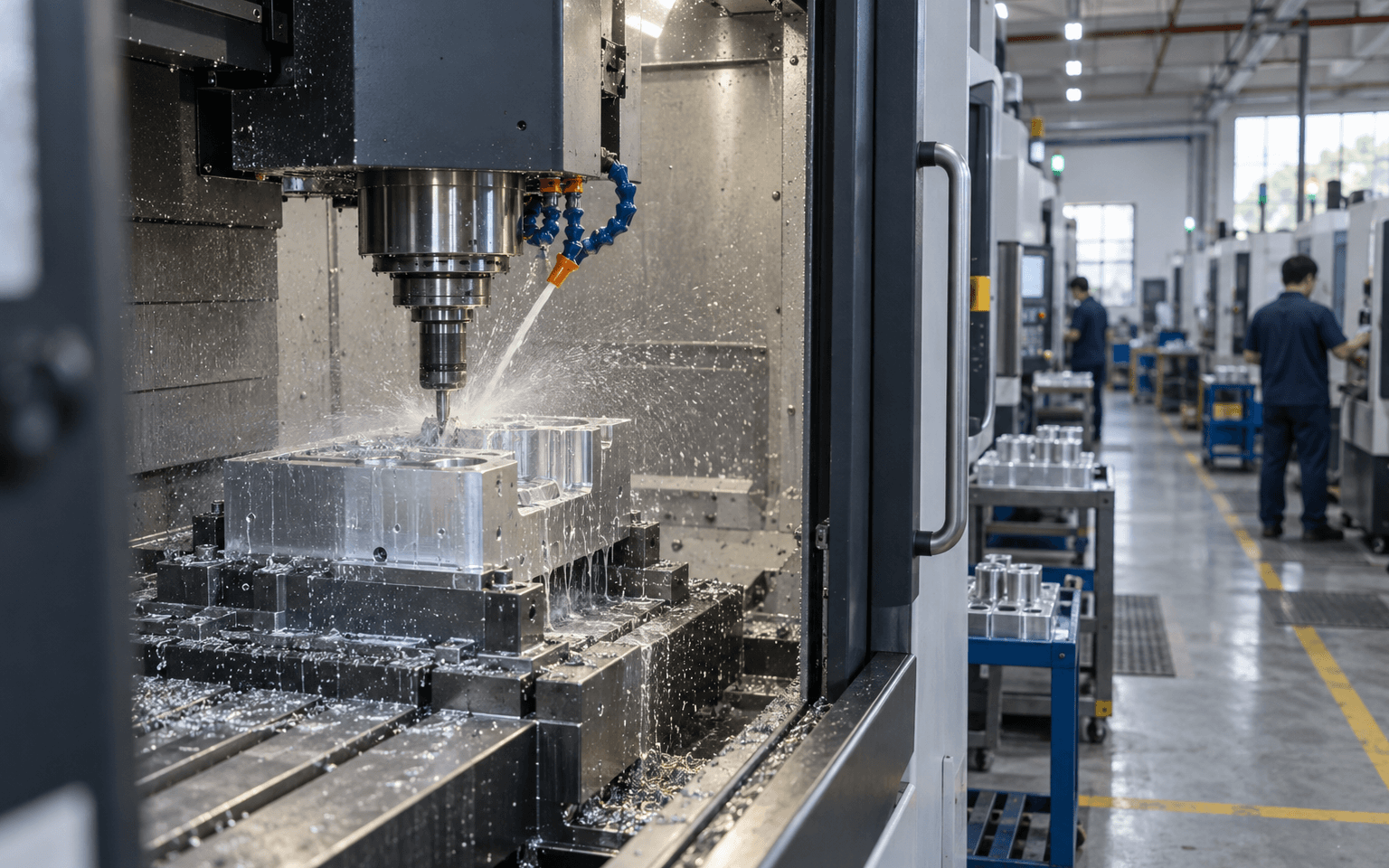
Design rules for injection-molded parts
The handful of design rules that make plastic parts moldable and cheap. Draft, wall thickness, ribs, bosses and undercuts, explained simply with the reason behind each.
 Start here
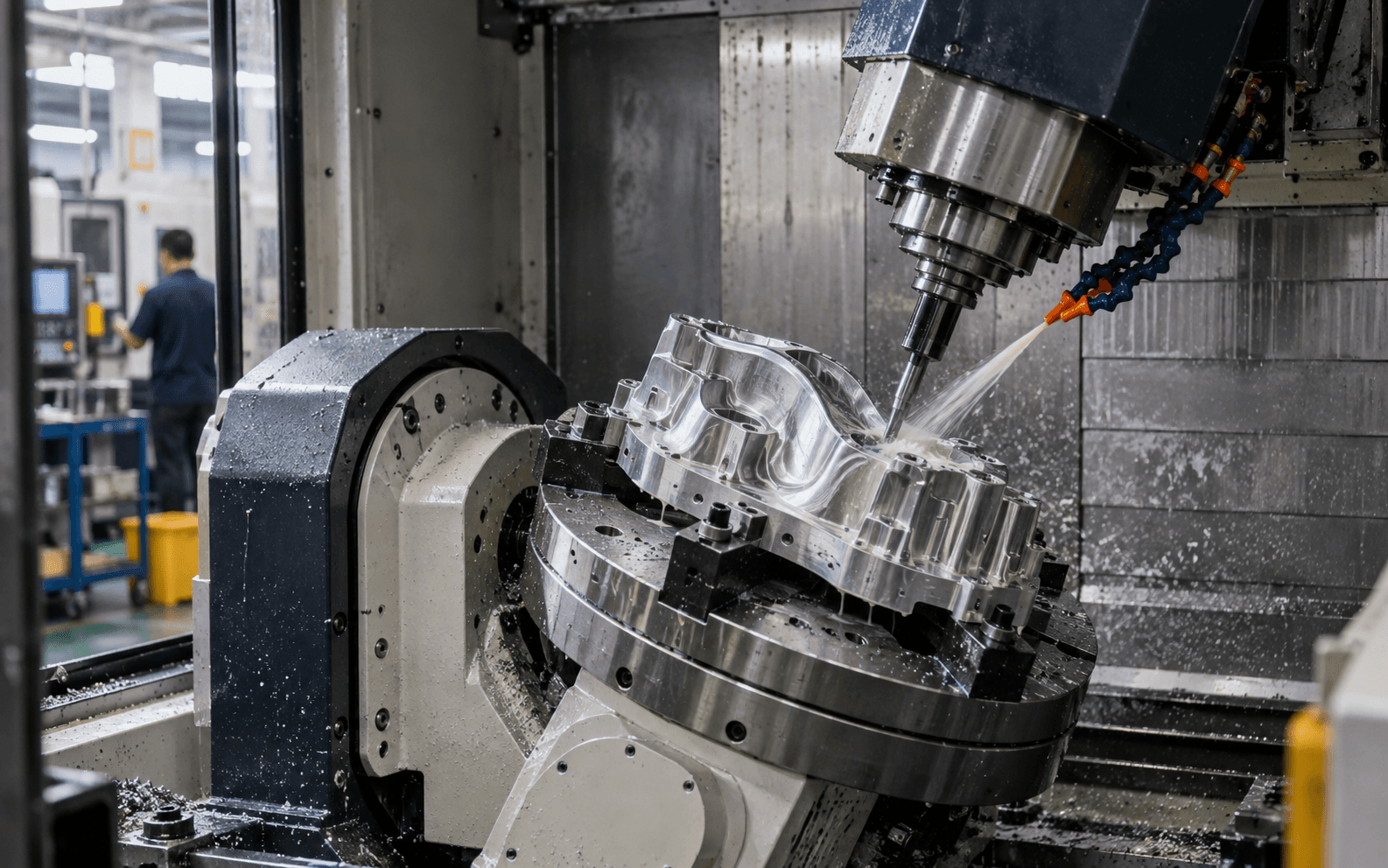
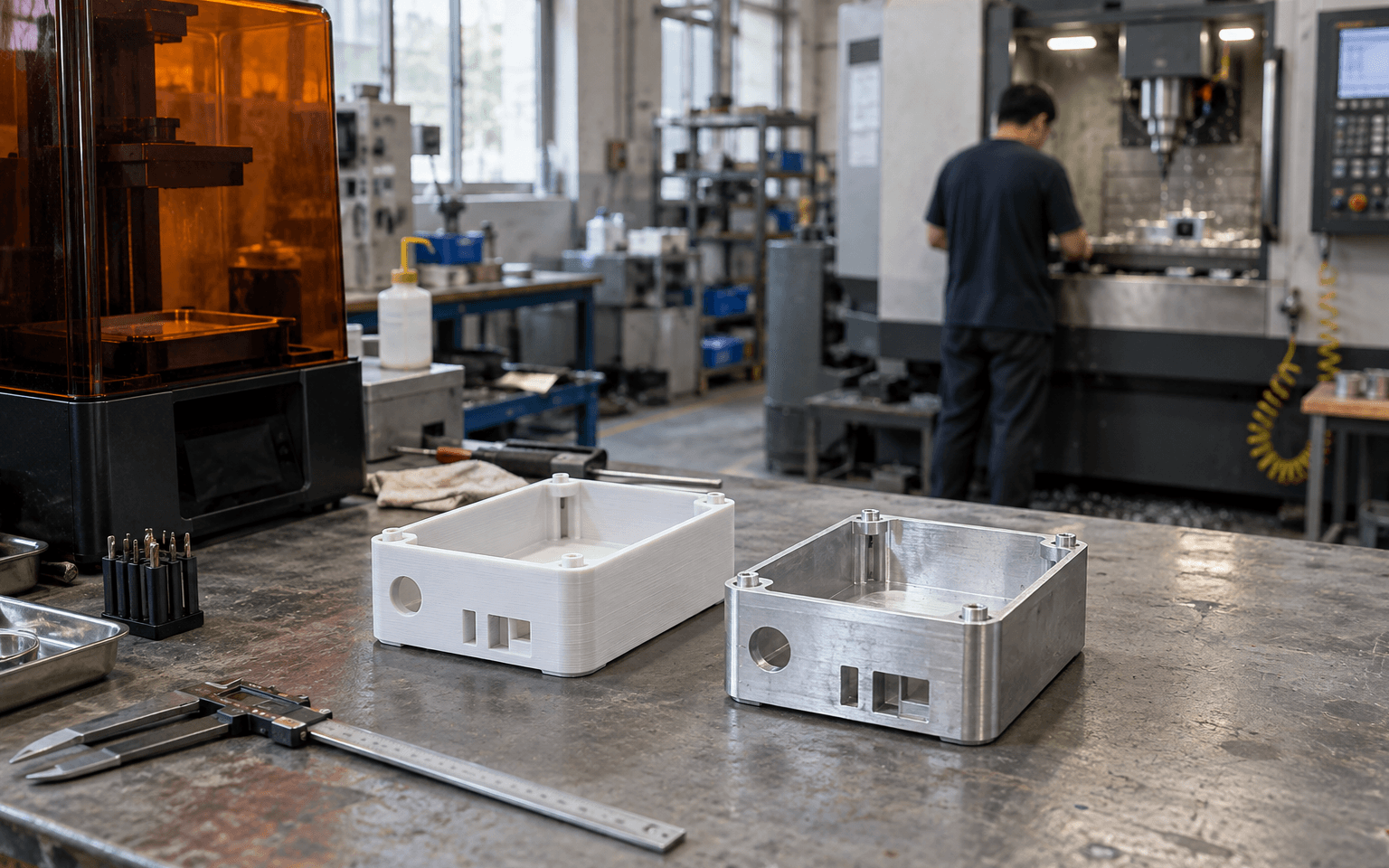
What is CNC machining? A plain-English guide
How CNC machining works, what it's good (and not good) for, what it costs, and how to get CNC parts made in Shenzhen. Written for first-timers.
→ 01Choosing · 6 min
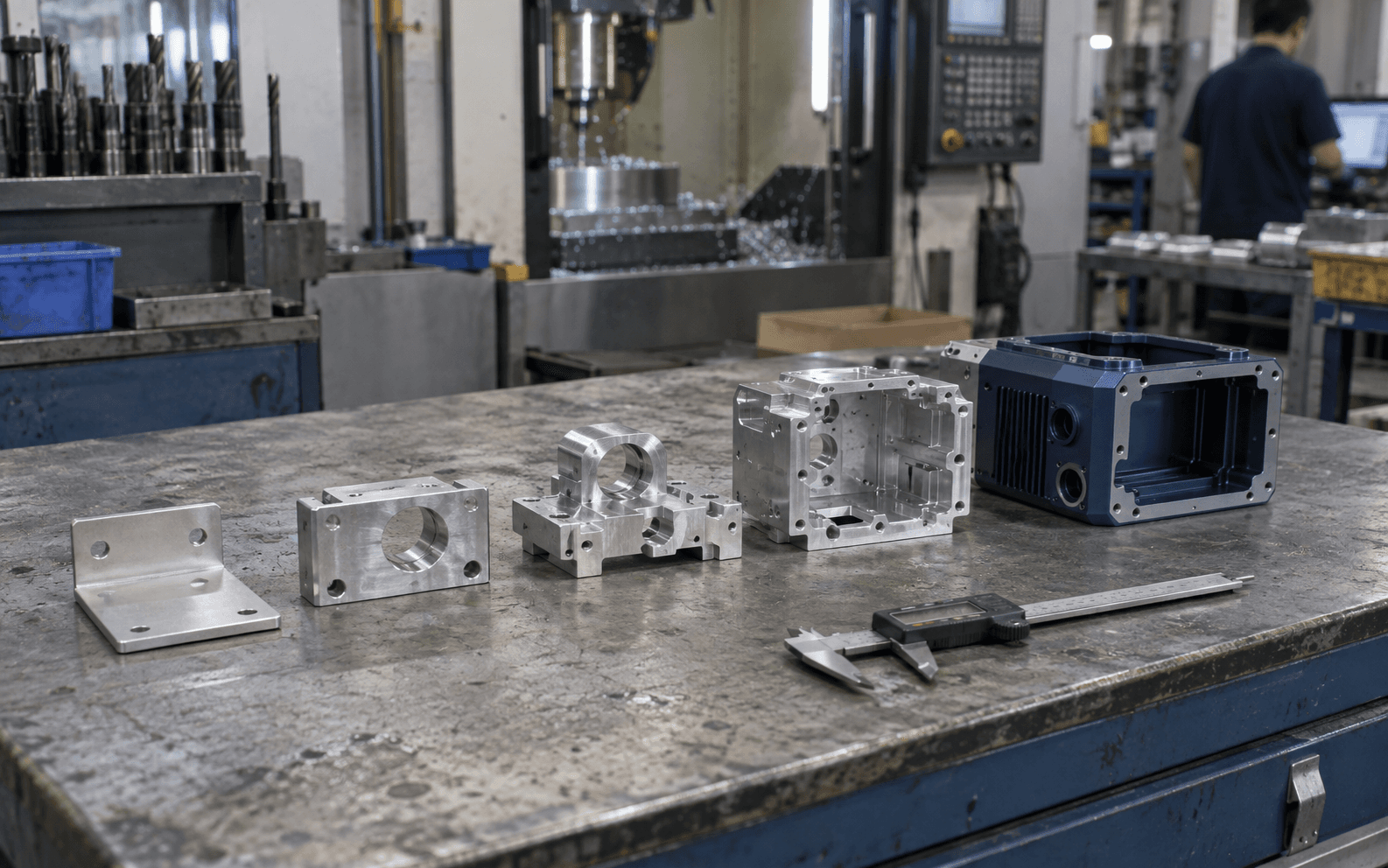
3-axis vs 5-axis CNC: which does your part need?
What "axes" means on a CNC machine, when 5-axis machining is worth paying for, and how to tell from your design which one a shop will use.
 02Cost · 9 min
How much does CNC machining cost? (and how to lower your quote)
What actually drives the price of a CNC part, rough price ranges for first-timers, and simple design and ordering changes that make quotes cheaper.
 03Design · 8 min
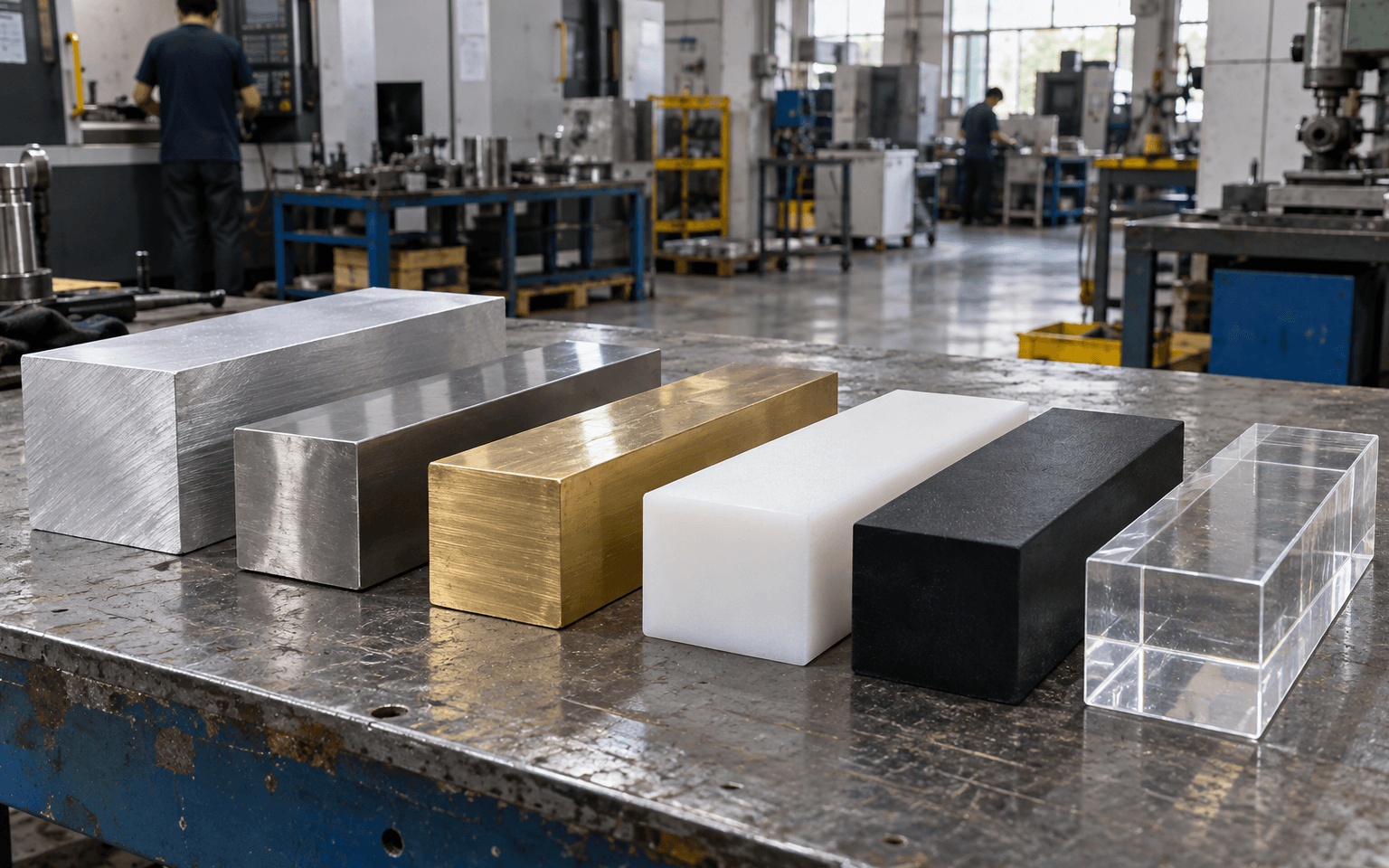
Choosing a material for CNC parts
A beginner's guide to the most common CNC materials (aluminum, steel, brass and engineering plastics), what each is good for, and how they affect price.
 04Design · 8 min
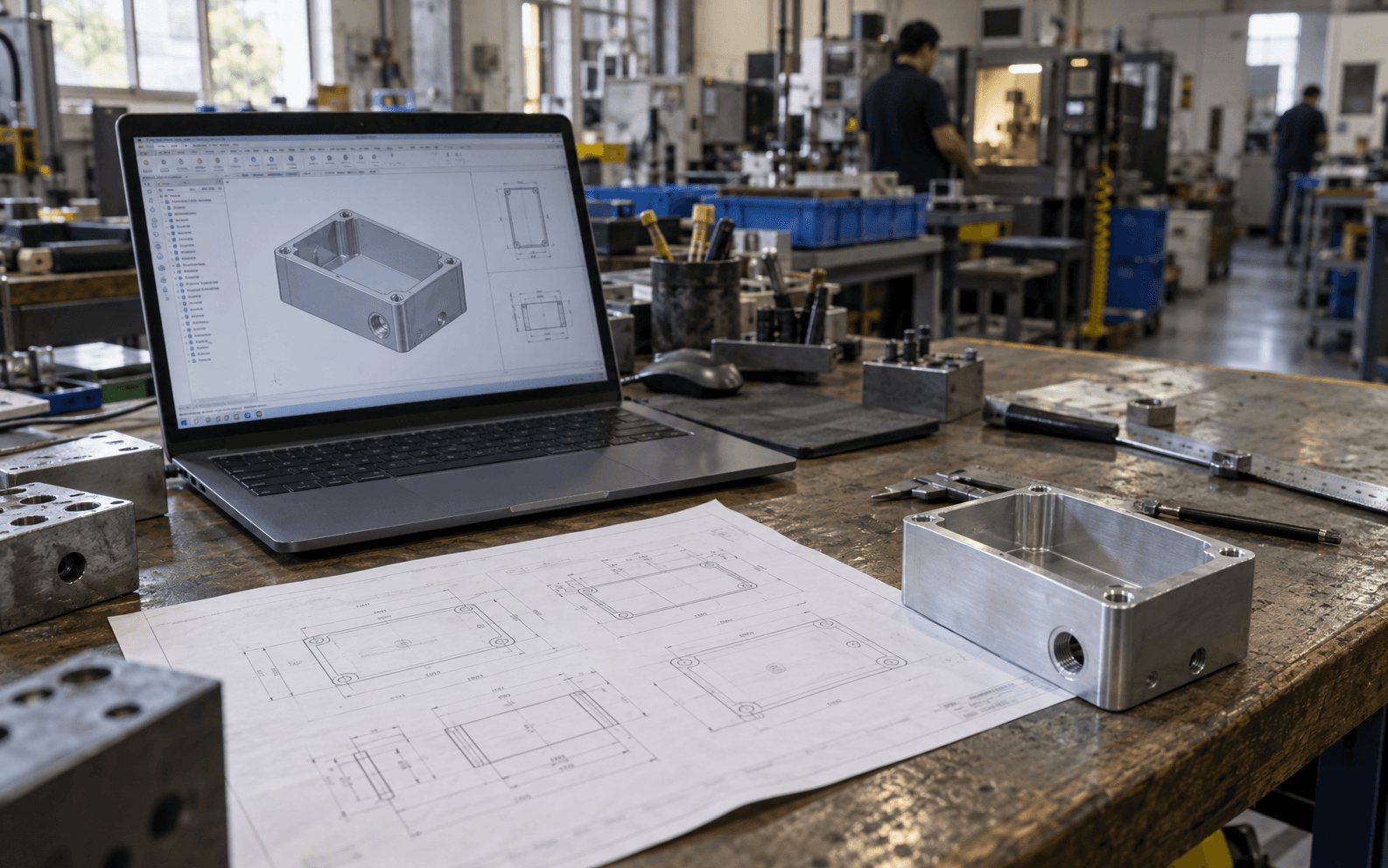
How to prepare files for a CNC quote
Exactly what to send a CNC shop to get a fast, accurate quote. 3D files, 2D drawings, and the details first-timers forget.
 Start here
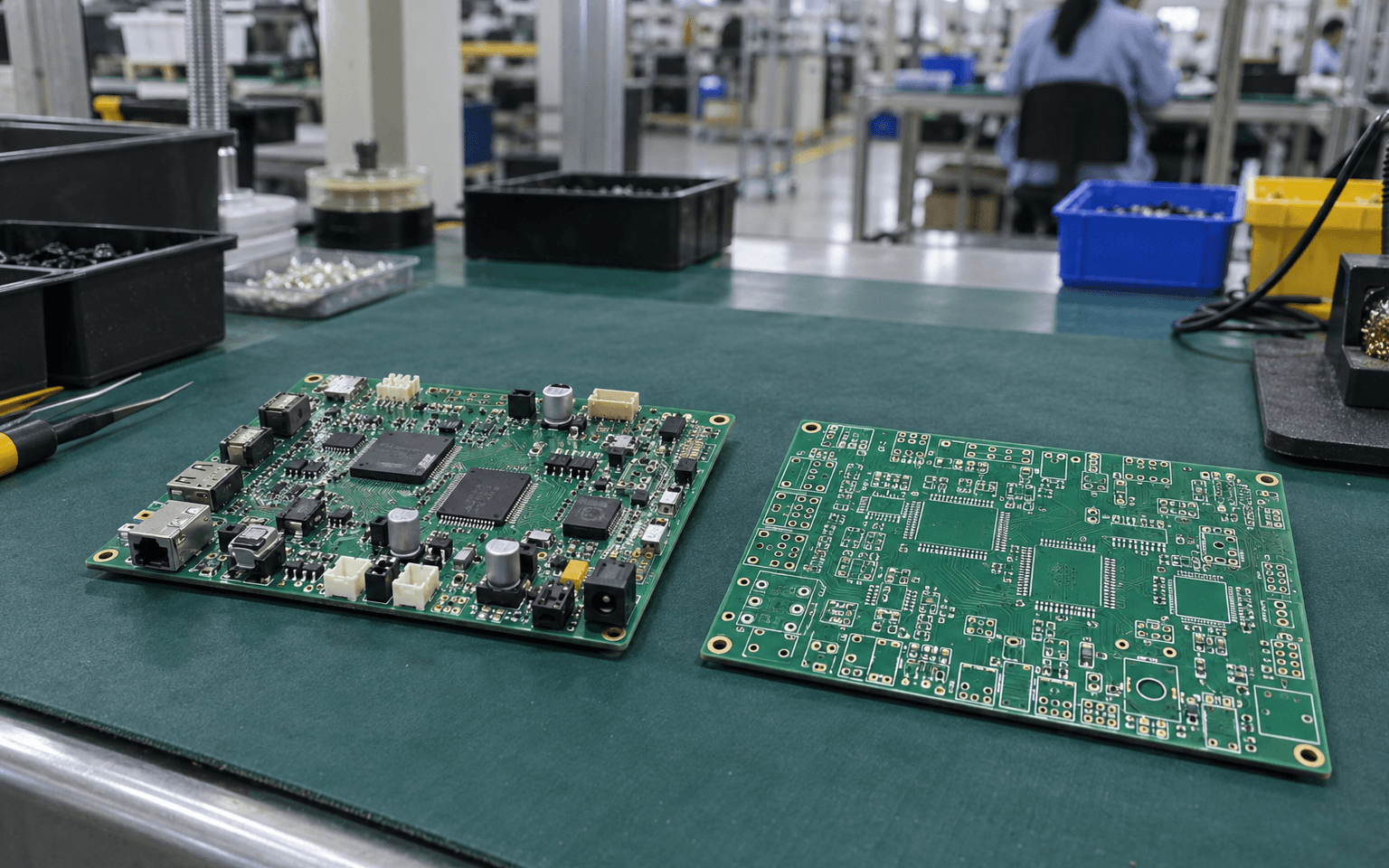
What is PCBA? PCB vs PCBA explained
The difference between a bare circuit board (PCB) and an assembled one (PCBA), how boards are made and assembled in Shenzhen, and what first-timers need to know before ordering.
→ 01Design · 9 min
How to order PCB assembly: Gerber, BOM and pick-and-place files
The three files every PCB assembly order needs, how to prepare them so your quote is fast and your boards come back right, and the questions factories will ask.
 02Cost · 7 min
How much does PCB assembly cost?
What makes up a PCBA quote (setup, boards, components, assembly and testing), why prototypes cost more per board, and how to bring the price down.
 03Choosing · 6 min
Turnkey vs consigned PCBA
Should the factory buy your components, or should you? The pros and cons of turnkey, consigned and partial-turnkey PCB assembly for first-time hardware teams.
 Start here
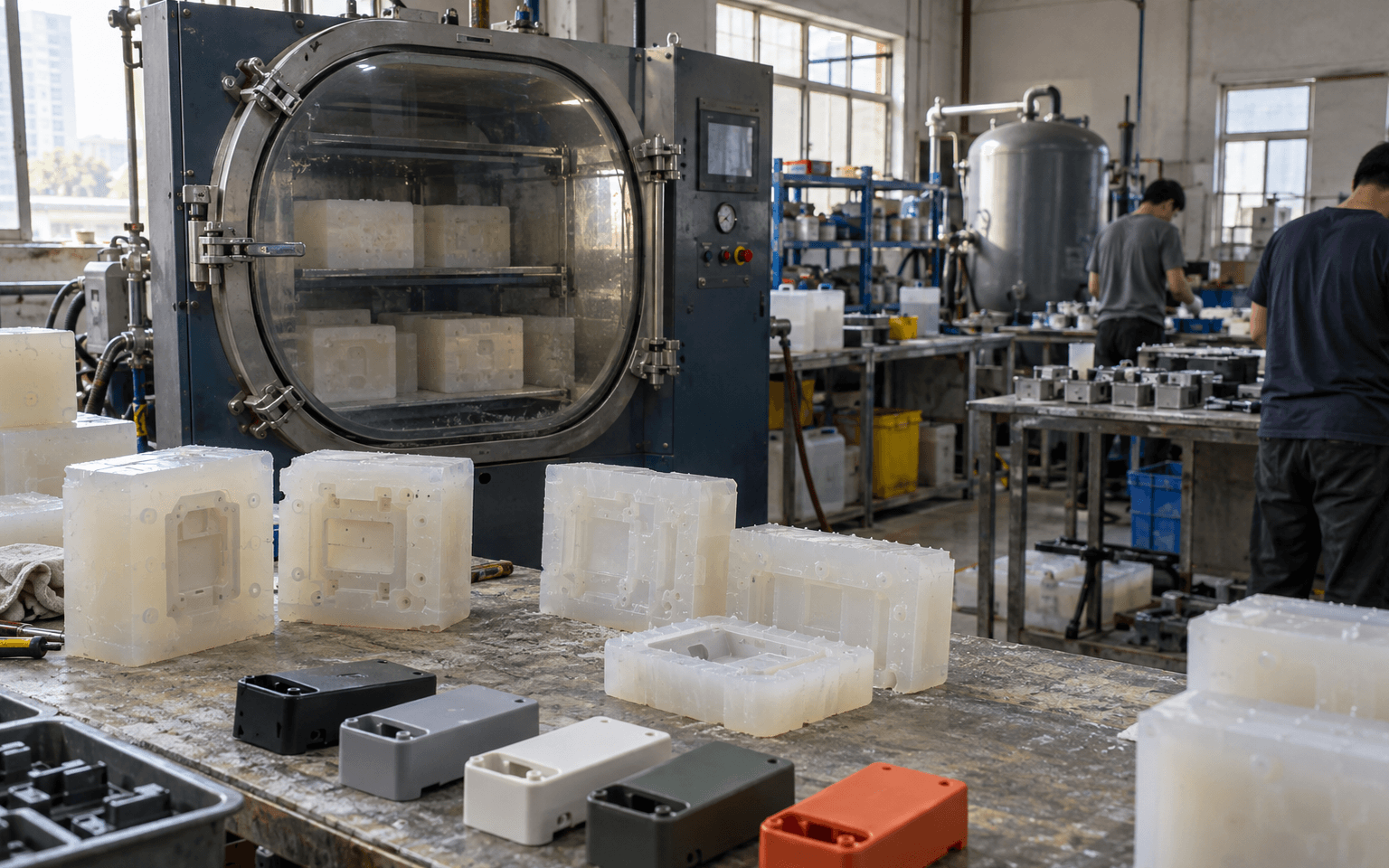
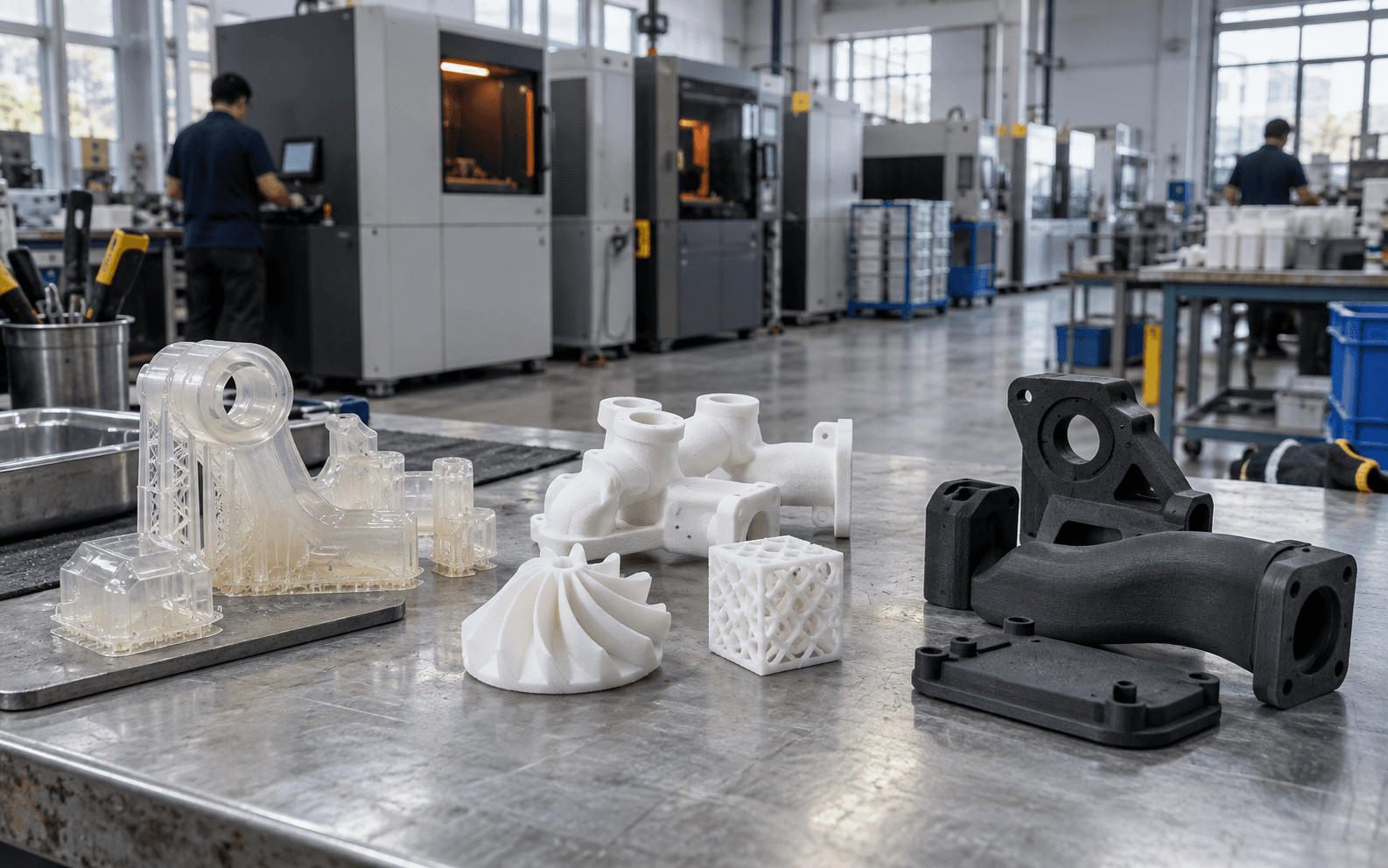
What is rapid prototyping? A plain-English guide
What rapid prototyping means, the main methods (3D printing, CNC machining, urethane casting), how many rounds to expect, and how Shenzhen's prototype shops work.
→ 01Choosing · 7 min
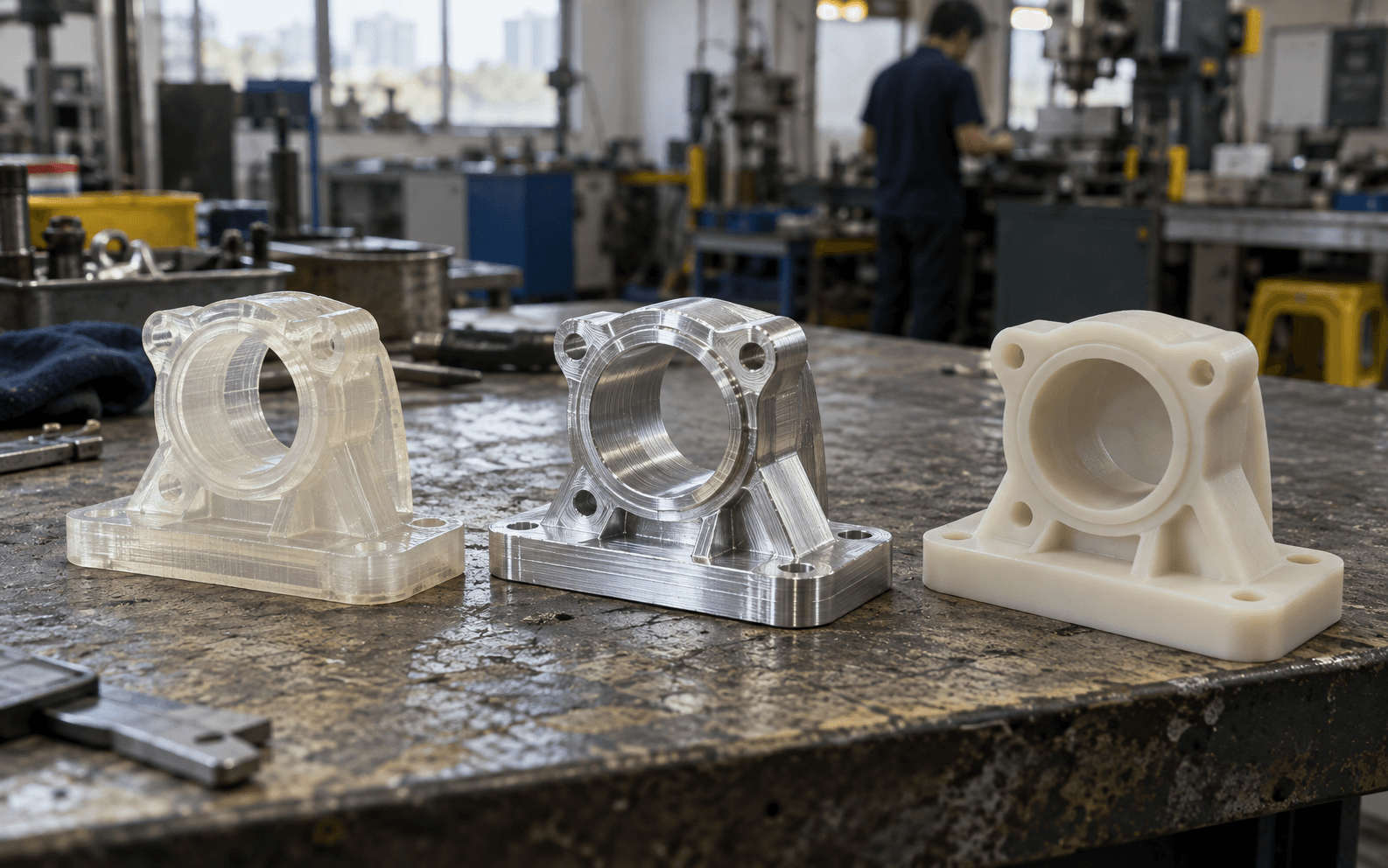
Choosing a prototyping method: 3D printing vs CNC vs urethane casting
A simple comparison of the three main prototyping methods by speed, cost, strength, look and quantity, plus a quick way to pick the right one for each part.
 02Basics · 6 min
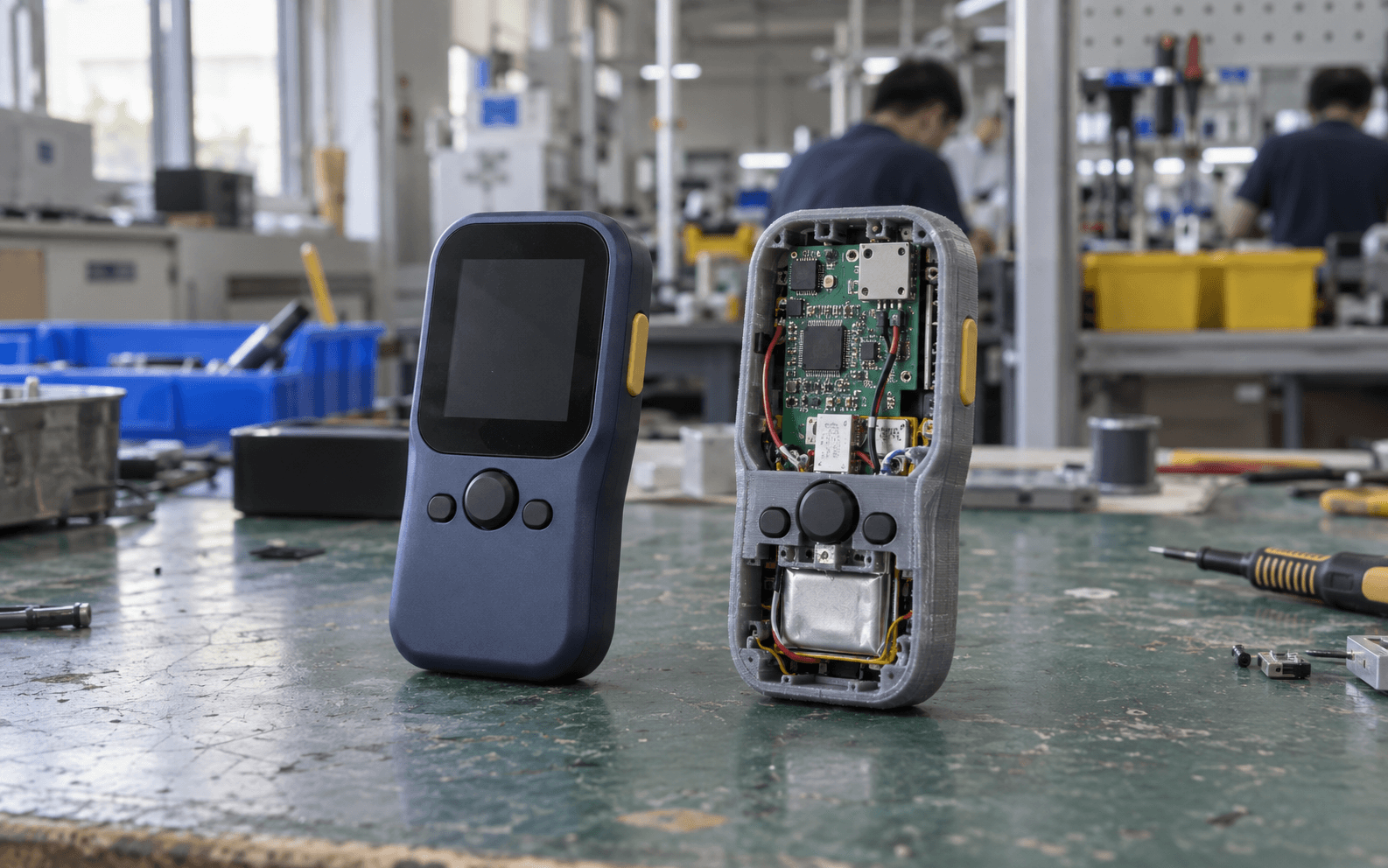
Looks-like vs works-like prototypes
Why most hardware teams build two different kinds of prototype, what each one is for, and when to combine them into a single "looks-like, works-like" build.
 Start here
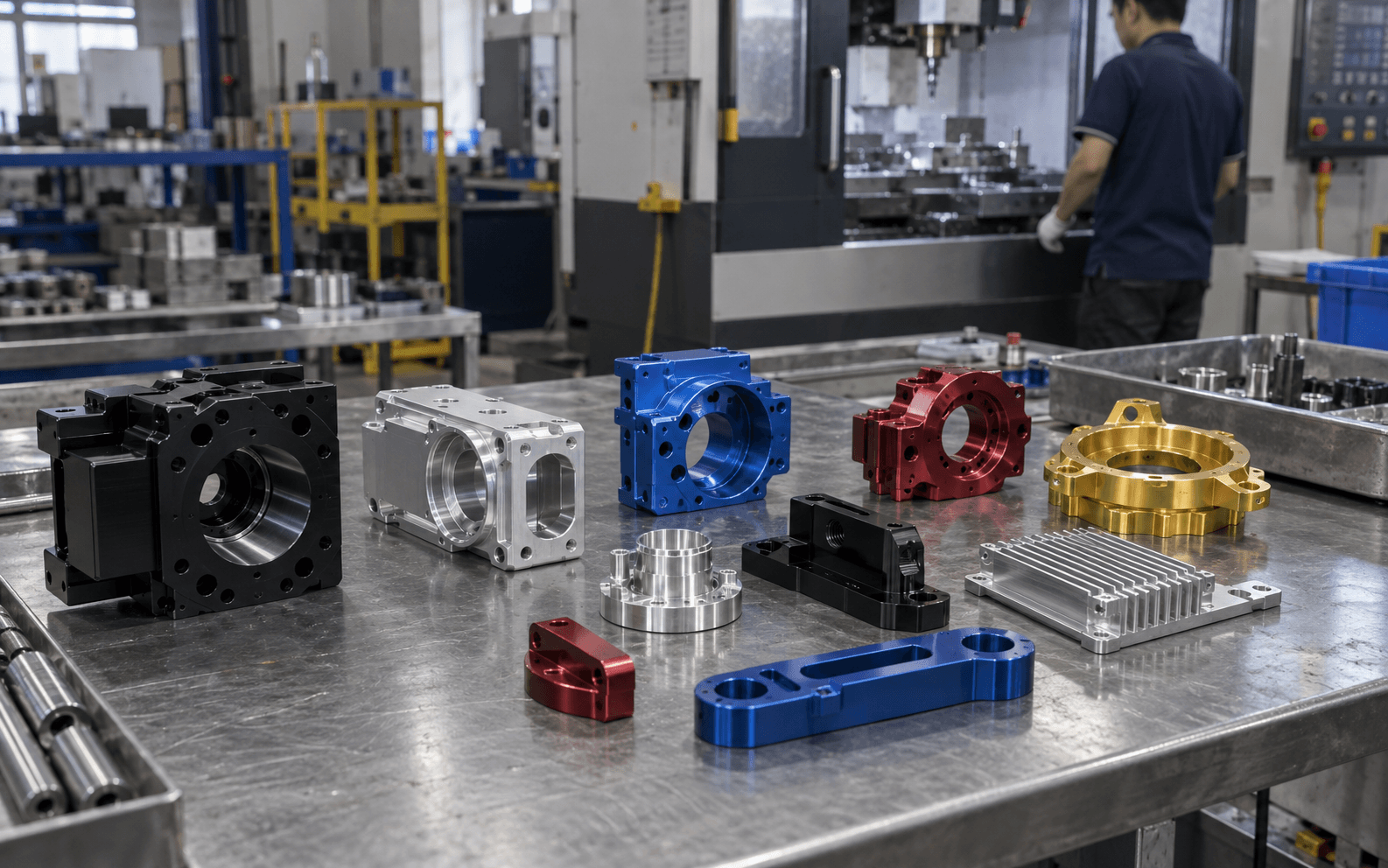
What is anodizing? A plain-English guide
How anodizing works, why it looks and wears the way it does, the difference between Type II and hard anodizing, and how to order anodized parts in Shenzhen. Written for first-timers.
→ 01Choosing · 8 min
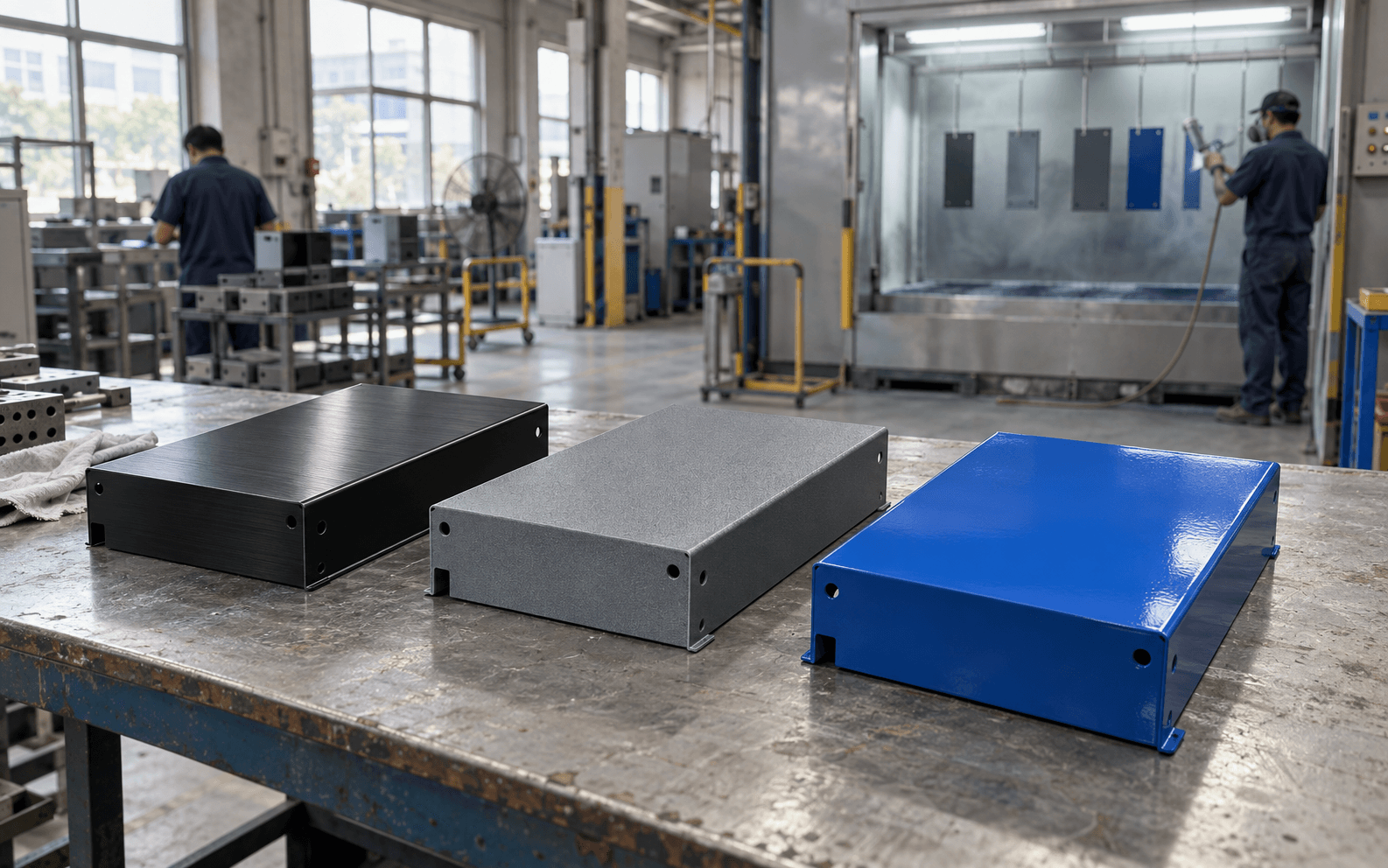
Anodizing vs powder coating vs painting
Three common ways to finish a part, compared in plain words. What each one is, which materials it works on, how it looks and wears, and how to choose for your product.
 02Design · 8 min
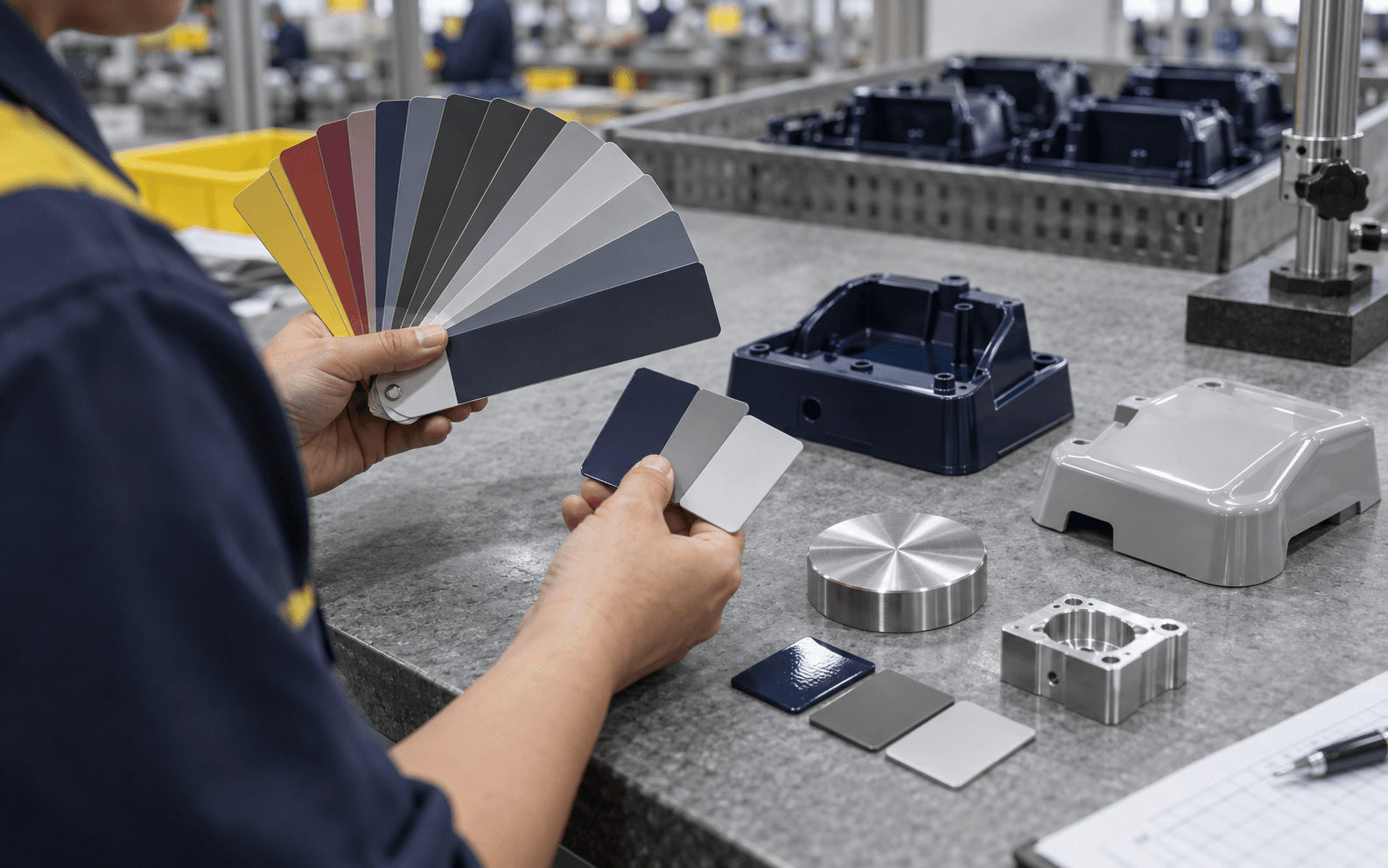
How to specify colour and finish
How to tell a factory exactly what colour, gloss and texture you want, using colour codes, physical samples, texture standards and a simple written spec. For first-time hardware teams.
 Start here
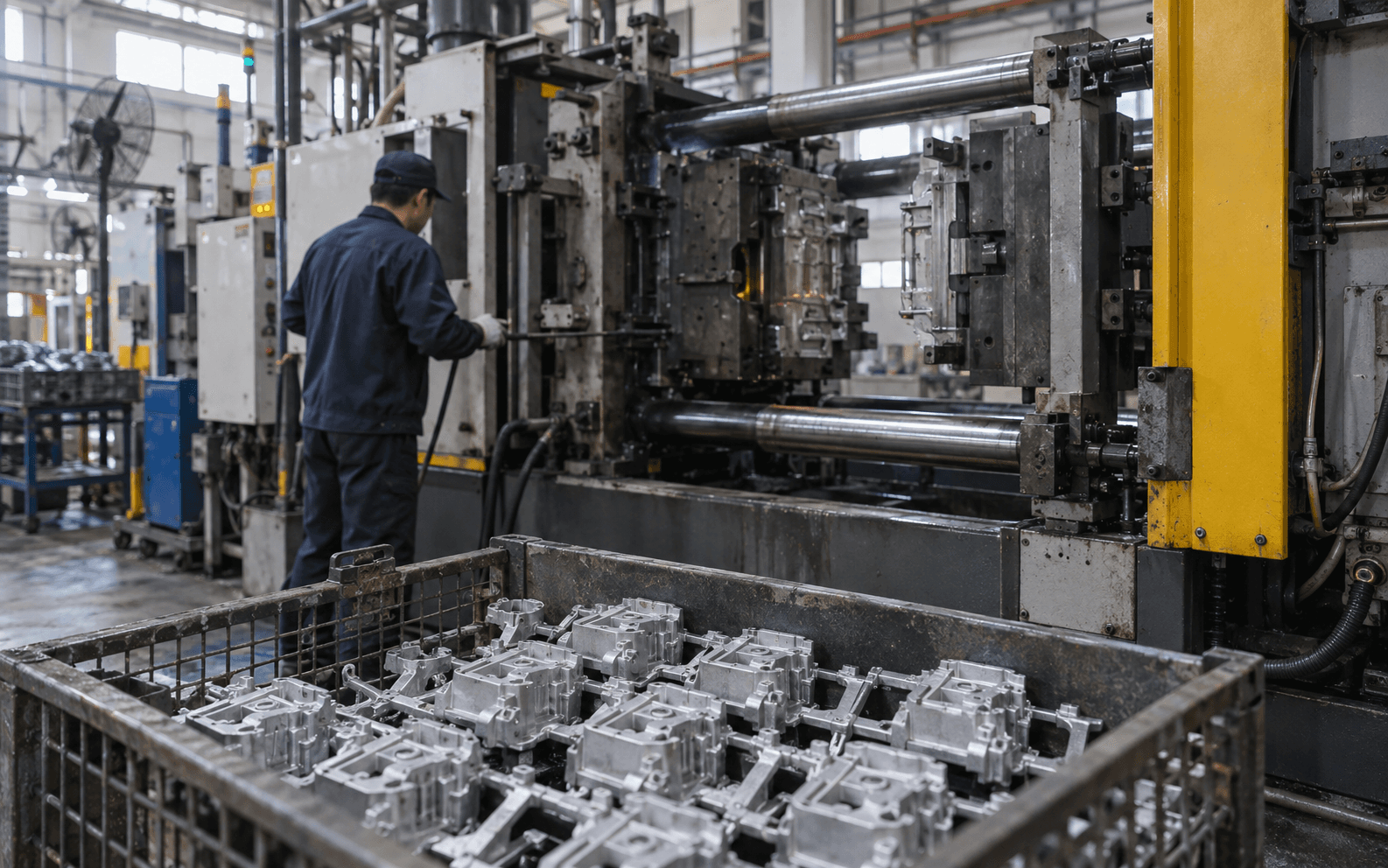
What is die casting? A plain-English guide
How die casting works, which metals it uses, what it's good and bad at, what drives the cost, and how to get die-cast parts made in Shenzhen and Dongguan. Written for first-timers.
→ 01Choosing · 7 min
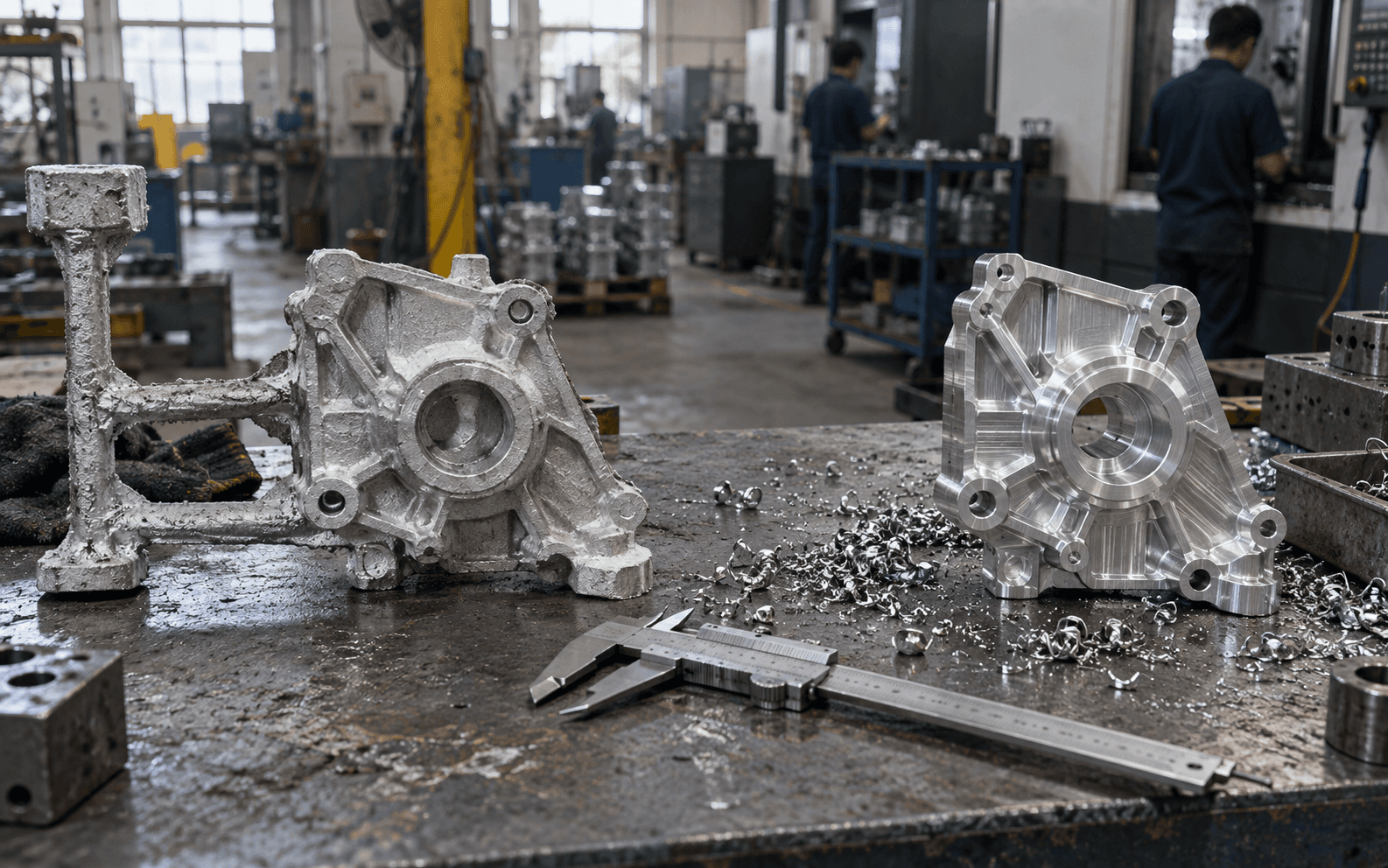
Die casting vs CNC machining
When should a metal part be CNC machined, and when is it worth paying for a die-casting tool? A plain-English comparison of cost, quantity, quality and finish, with a simple break-even method.
 02Choosing · 7 min
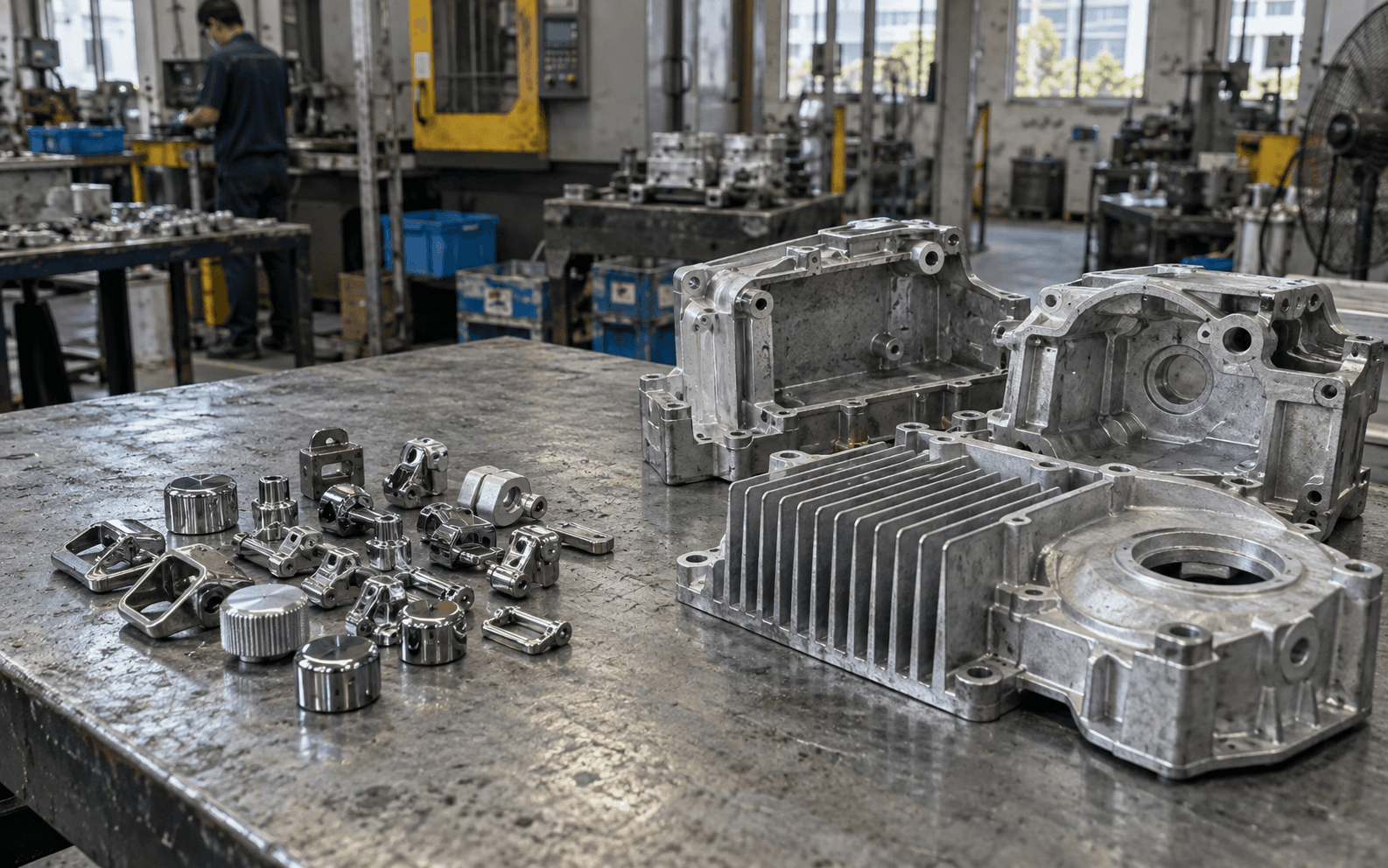
Zinc vs aluminum die casting
Should your die-cast part be zinc or aluminum? Weight, detail, finish, tooling life and cost compared in plain words, with a simple way to decide.
More guides
 01Community · 10 min
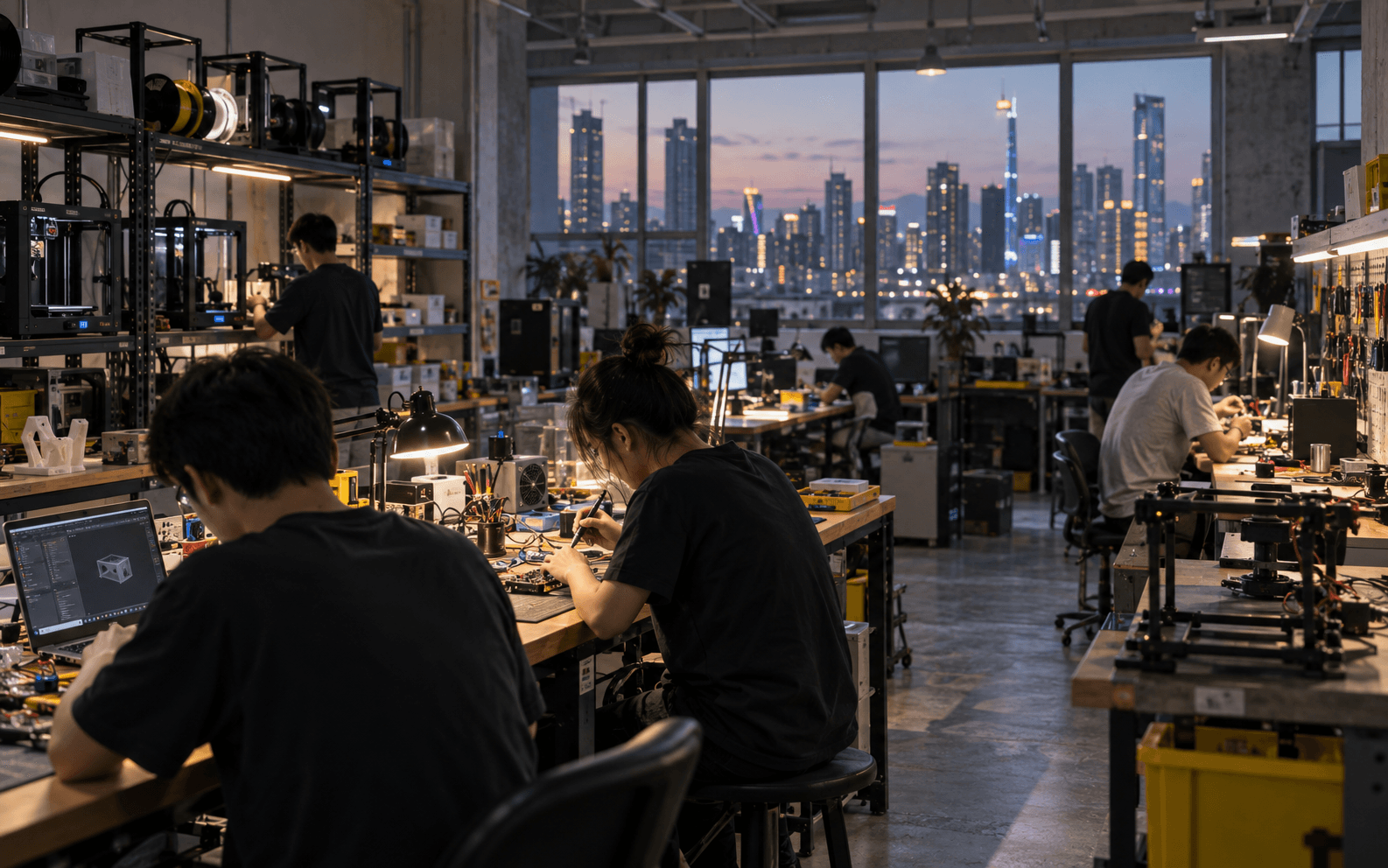
The Shenzhen maker community: a newcomer's guide (2026)
Where makers and hardware founders actually meet in Shenzhen in 2026: makerspaces, the weekly hackerspace night, factory tours, incubators and the big annual events, plus what has quietly gone dormant.
 02Design · 9 min
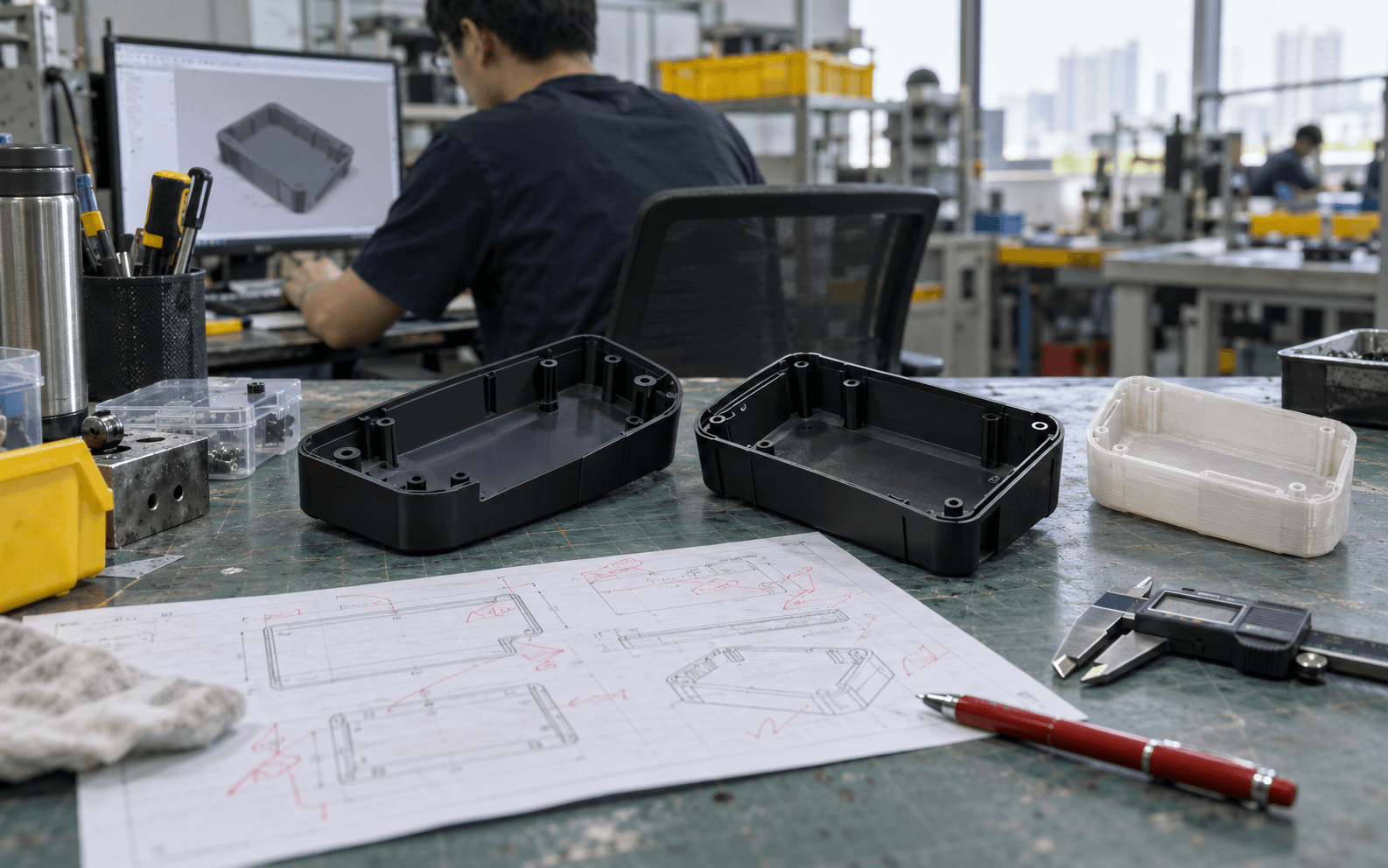
What is DFM? Design for manufacturing explained
What design for manufacturing (DFM) means, why it decides most of your product's cost, the core rules, when to do a DFM review, and how DFM feedback from Shenzhen suppliers works.
 03Community · 6 min
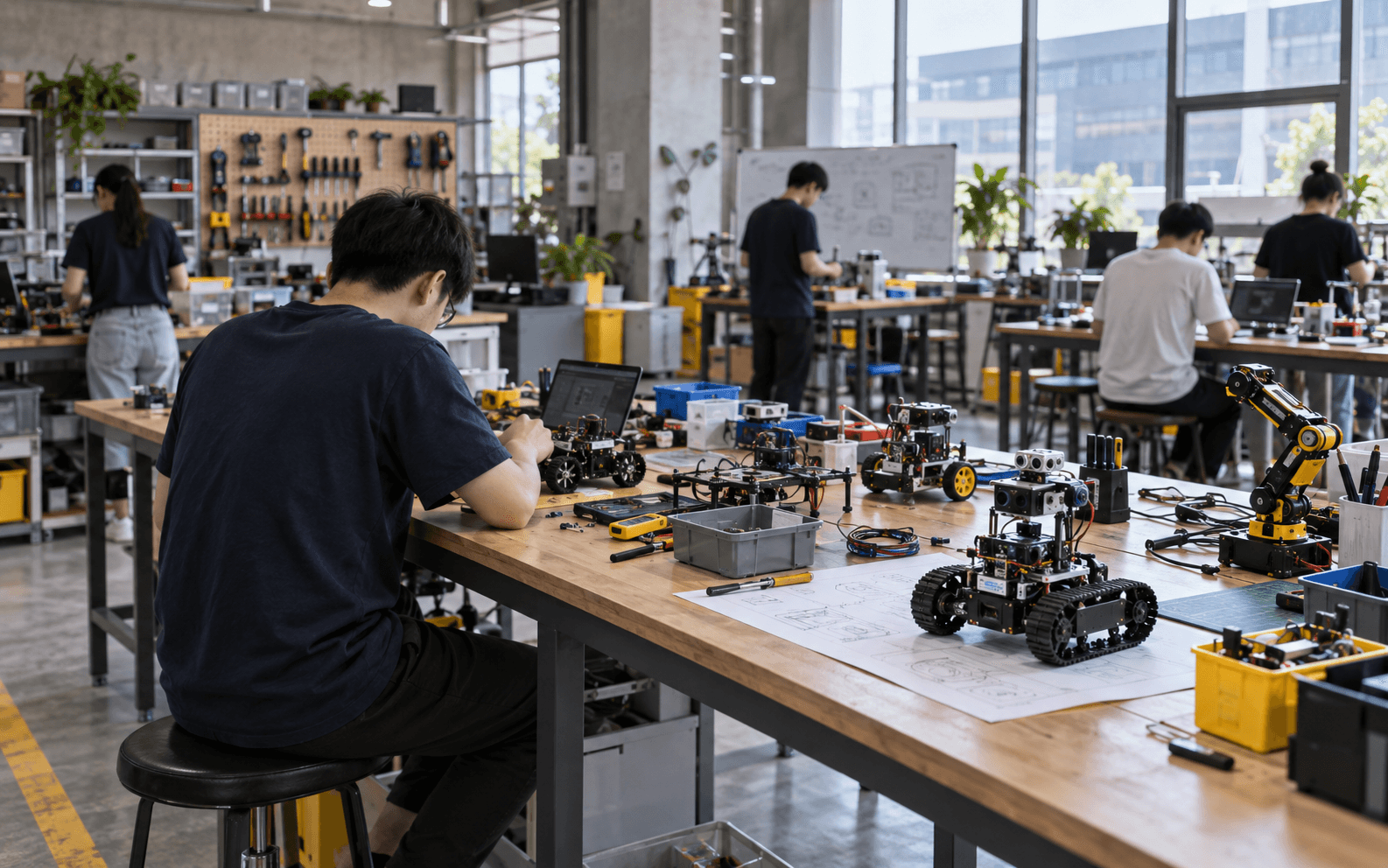
Chaihuo Makerspace and Seeed: where Shenzhen's maker movement started
The story and current activity of Chaihuo Makerspace (柴火创客空间), Shenzhen's first makerspace, and its links to Seeed Studio, Maker Faire Shenzhen and MakerCamp.
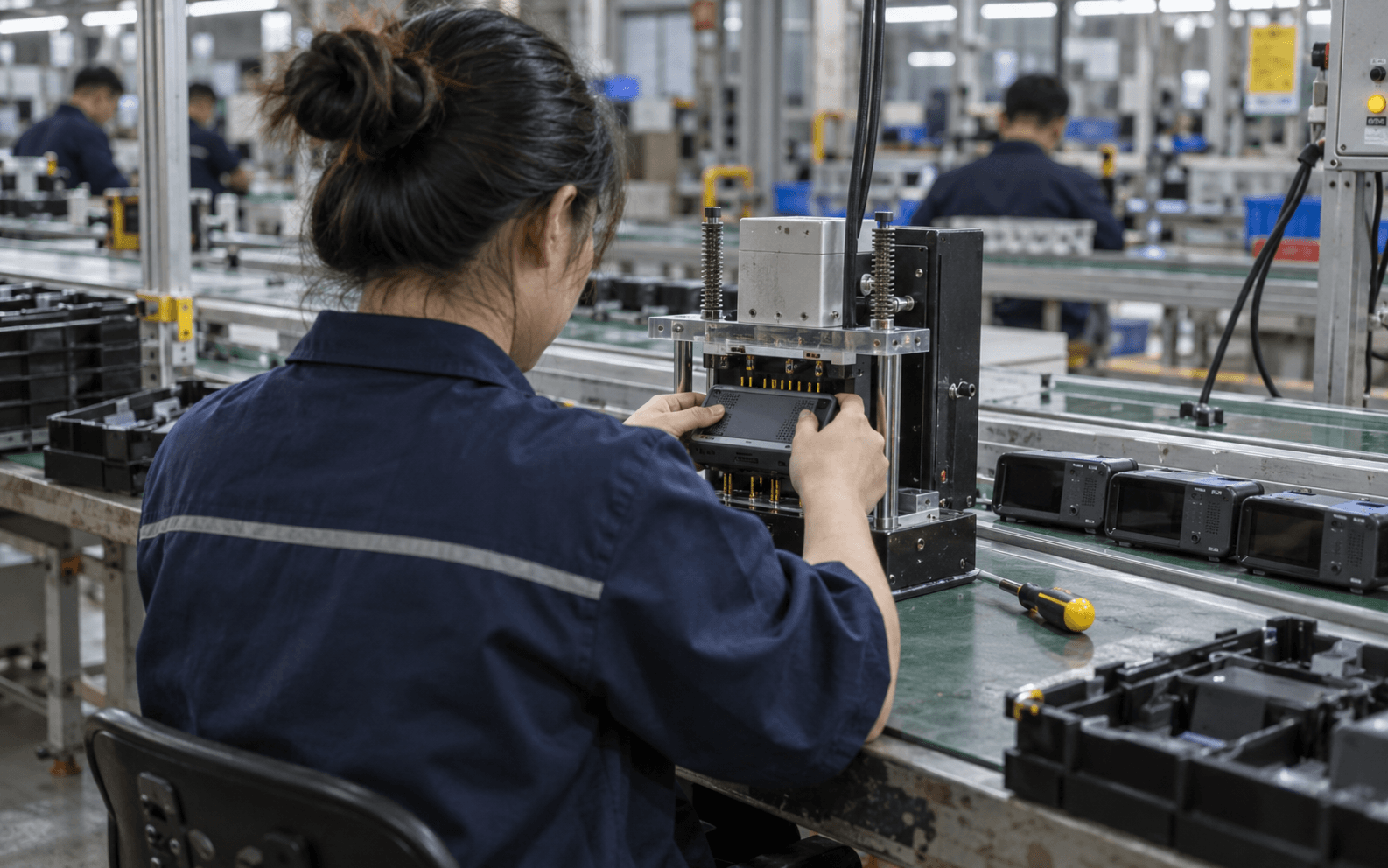 04Design · 9 min
DFA and DFT: design for assembly and design for test, explained
How to design a product that's quick to put together and easy to test on a production line. The core design-for-assembly rules, what design for test means for circuit boards and finished products, and how Shenzhen factories use test fixtures.
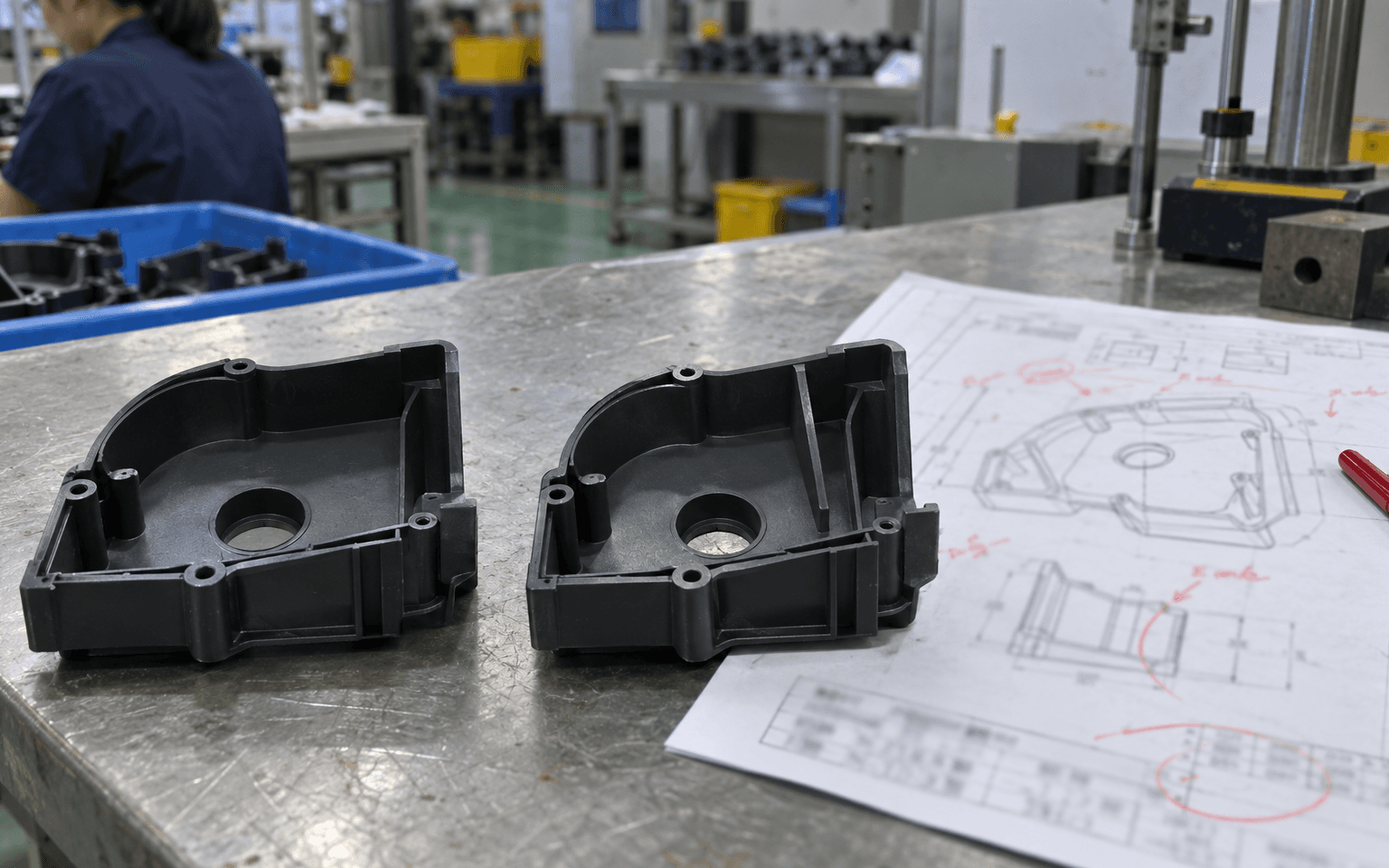 05Design · 9 min
Engineering change orders (ECOs) and design freeze, explained
What design freeze means, why late changes are so expensive in hardware, and how engineering change requests, orders and notices (ECR, ECO, ECN) keep you and your factory on the same version.
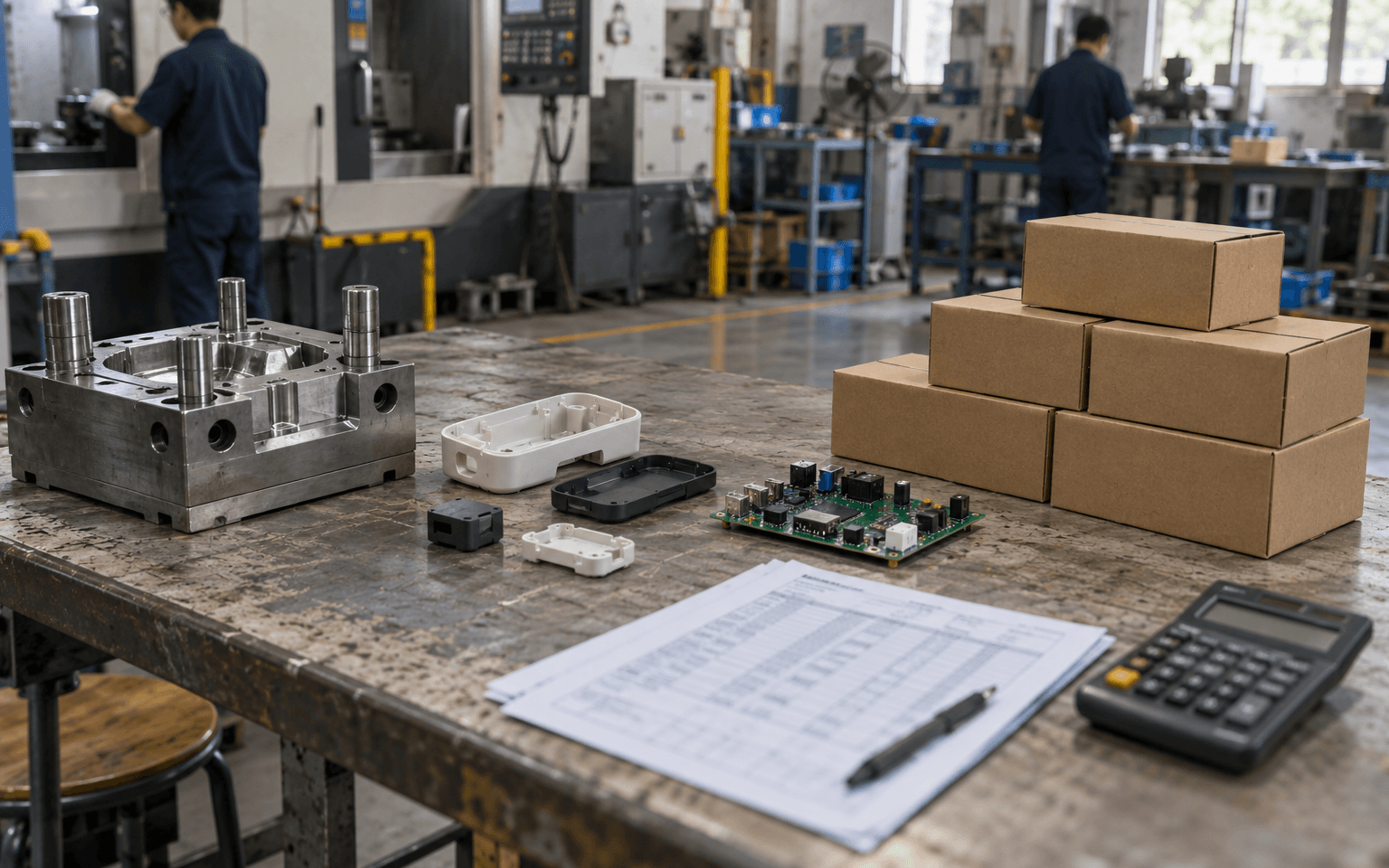 06Cost · 10 min
How much does it cost to develop a hardware product?
The cost buckets of developing and manufacturing a hardware product, explained for first-timers. Design, prototypes, tooling, certification and the first production order, with typical ranges where they're widely published, plus the costs people forget.
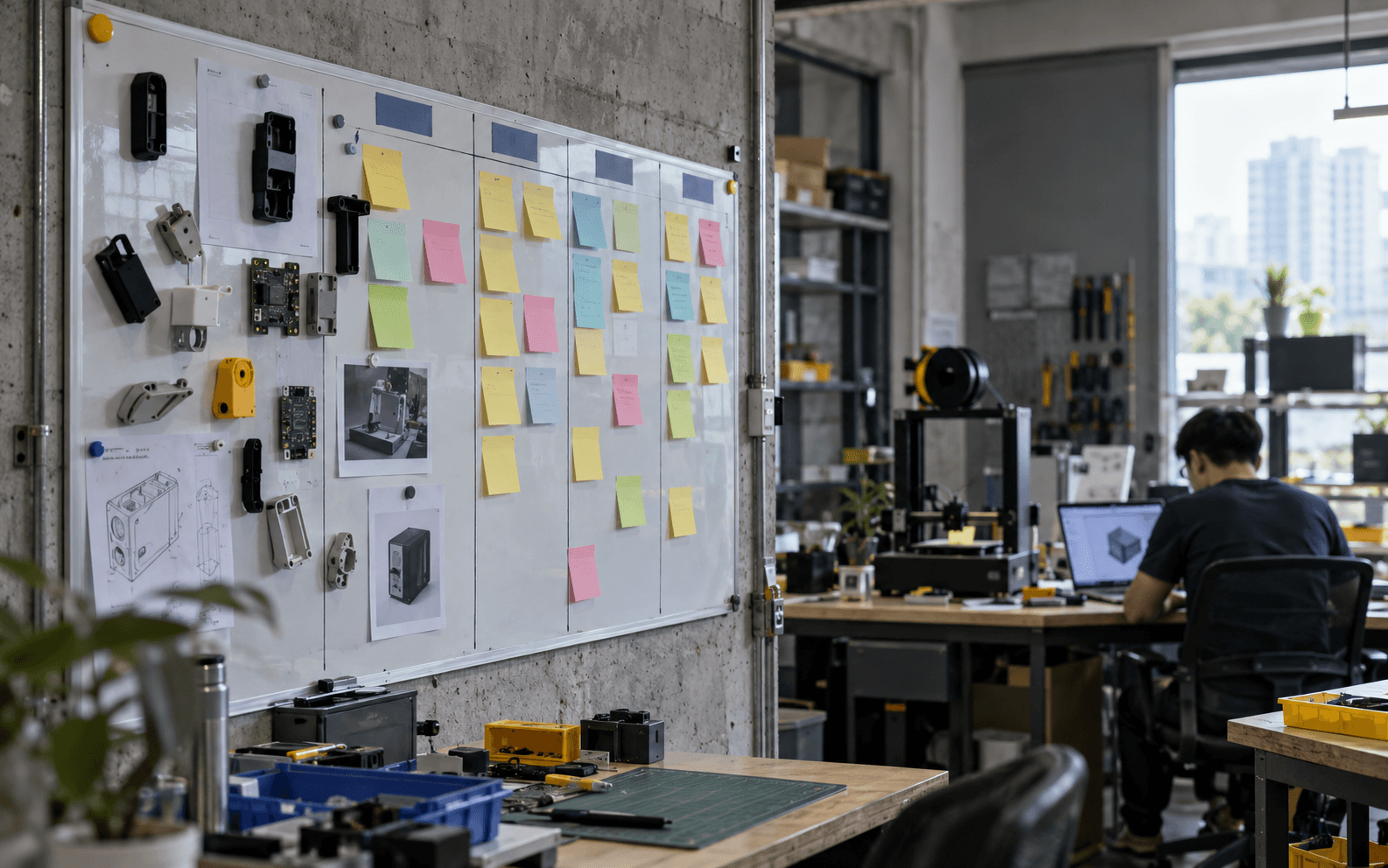 07Basics · 9 min
How long does it take to develop a hardware product?
A realistic timeline for bringing a hardware product to market, stage by stage, for first-time founders. Where the time actually goes, what slows projects down in Shenzhen, and how to save weeks.
 08Working in China · 10 min
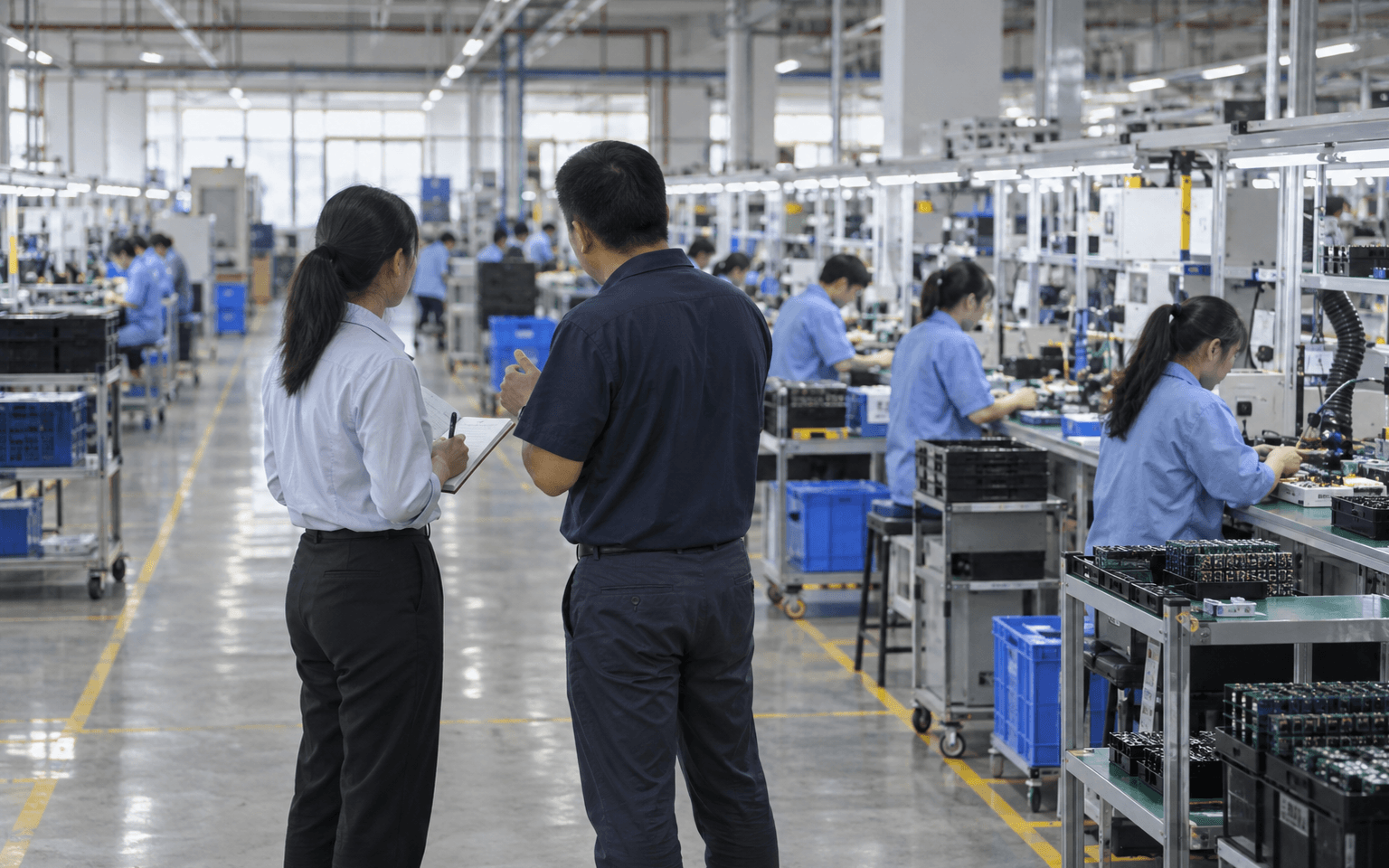
How to choose a factory in China
A step-by-step, neutral guide for first-time hardware teams. How to find suppliers, tell factories from trading companies, check what you can, compare quotes, and start small.
 09Choosing · 8 min
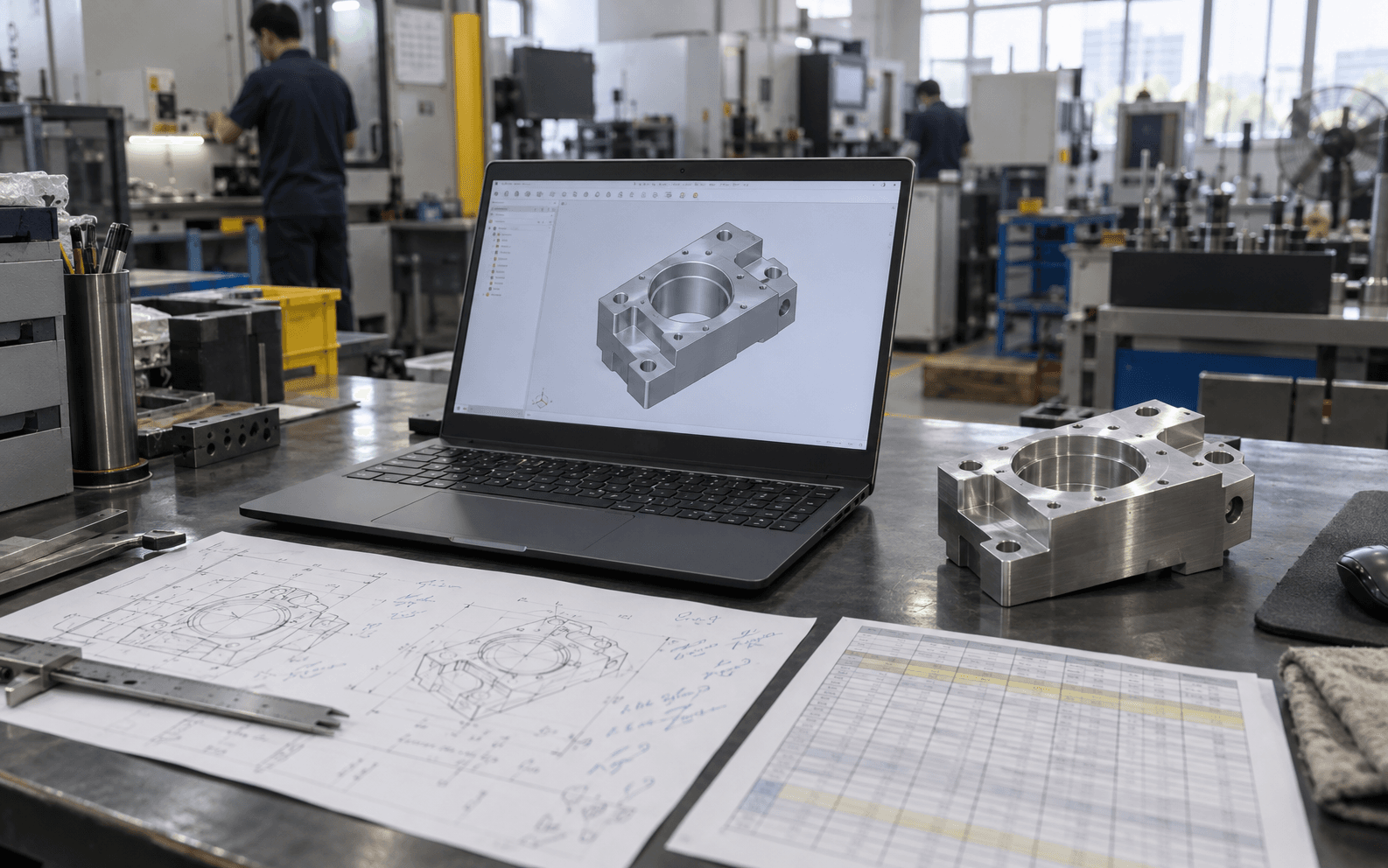
How to write an RFQ
What a request for quotation (RFQ) is, what to put in it, and how to write one that gets clear, comparable quotes from Shenzhen suppliers. With a checklist you can copy.
 10Working in China · 9 min
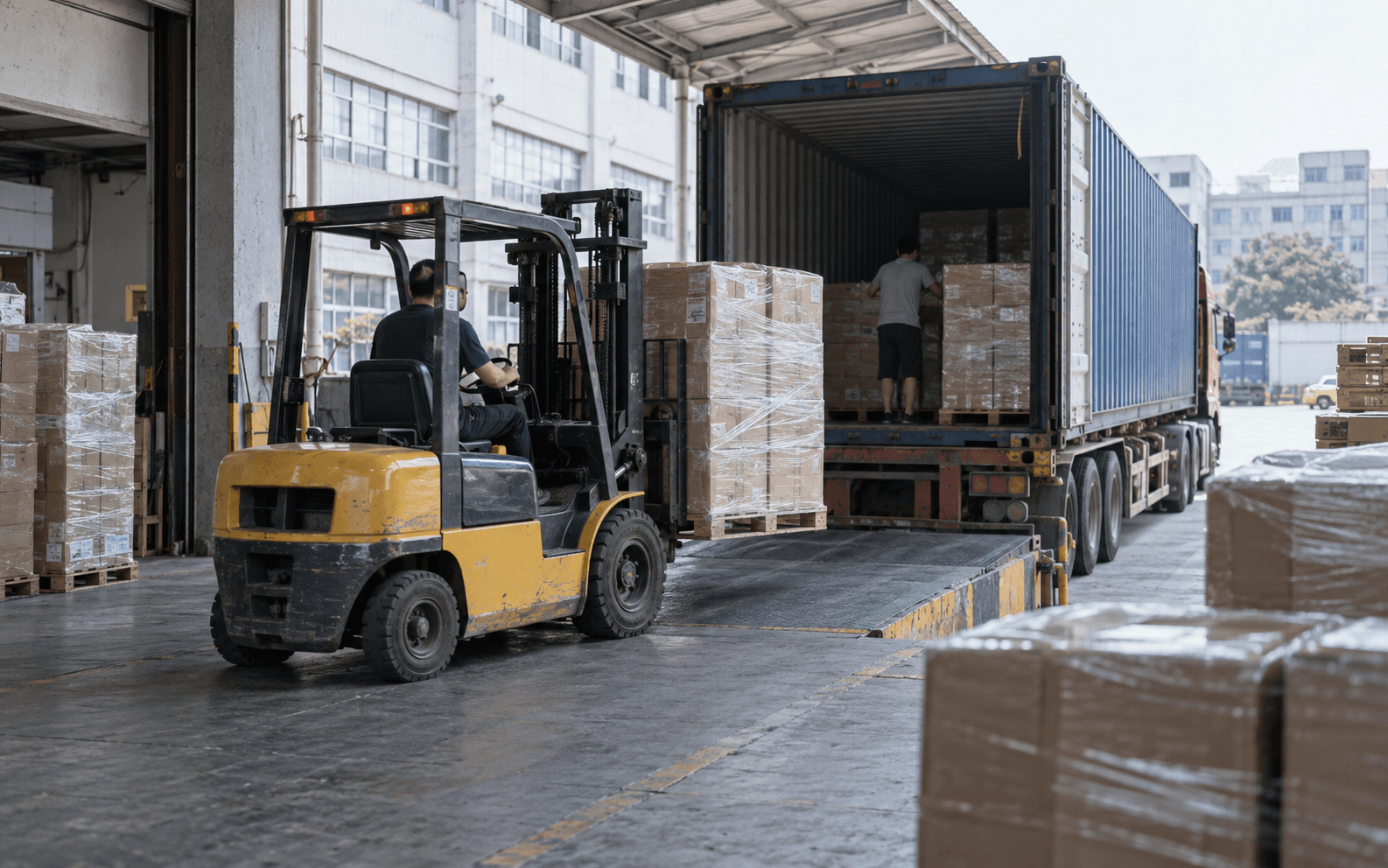
Incoterms for first-timers: EXW, FOB, DDP and more
What Incoterms are, what EXW, FCA, FOB, CIF, DAP and DDP mean in plain words, who pays for what and who carries the risk, and which terms first-time importers from Shenzhen commonly use.
 11Community · 5 min
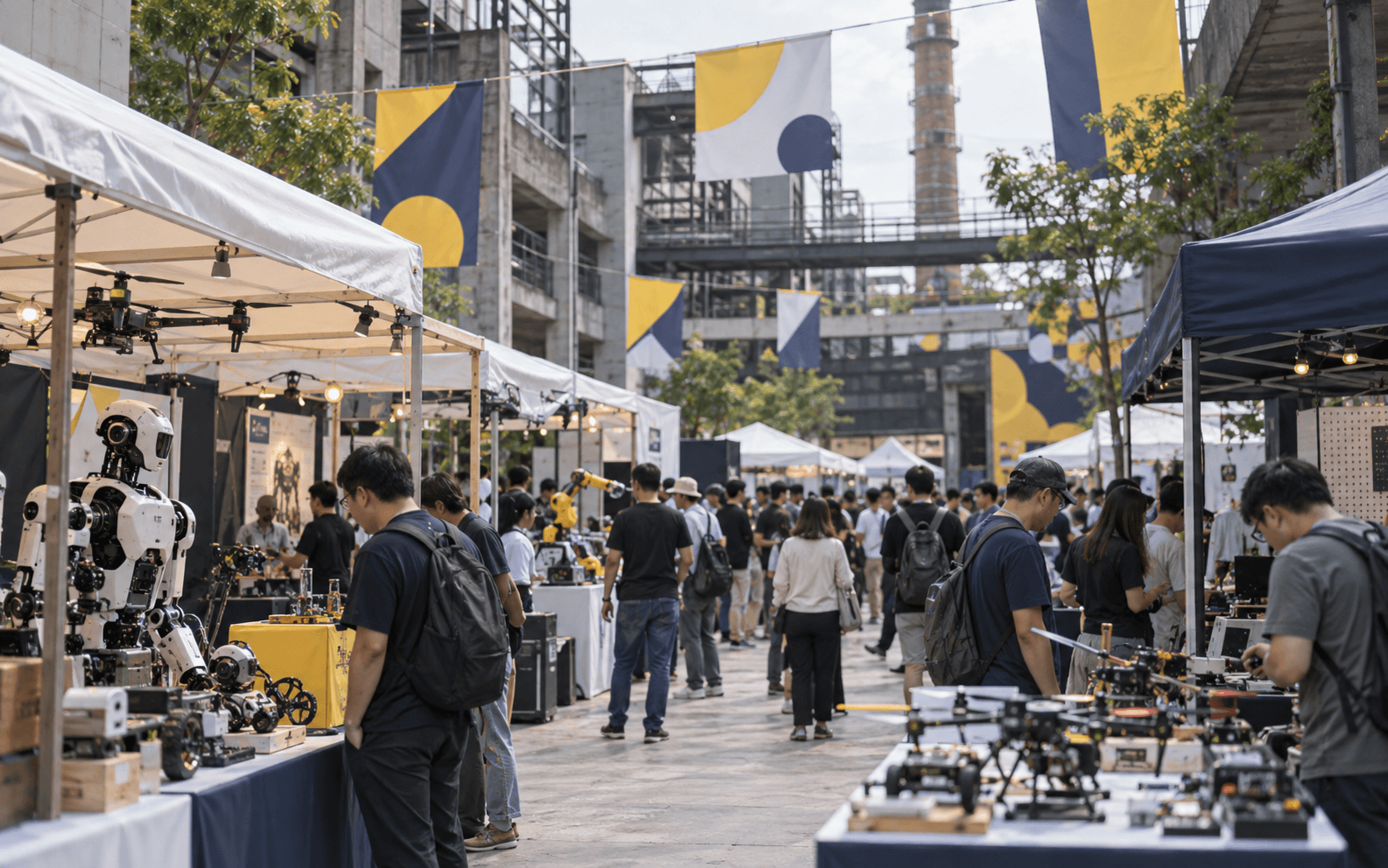
Maker Faire Shenzhen 2026: dates, venue and what to expect
Maker Faire Shenzhen 2026 runs 12–13 December at Vanke Design Commune, organised by Seeed. What it is, who goes, and tips for makers and founders.
 12Working in China · 8 min
NNN agreements explained
What an NNN agreement is, how it differs from a standard NDA, why it's commonly recommended when working with Chinese manufacturers, and what it can and can't do. Plain-English background, not legal advice.
 13Basics · 11 min
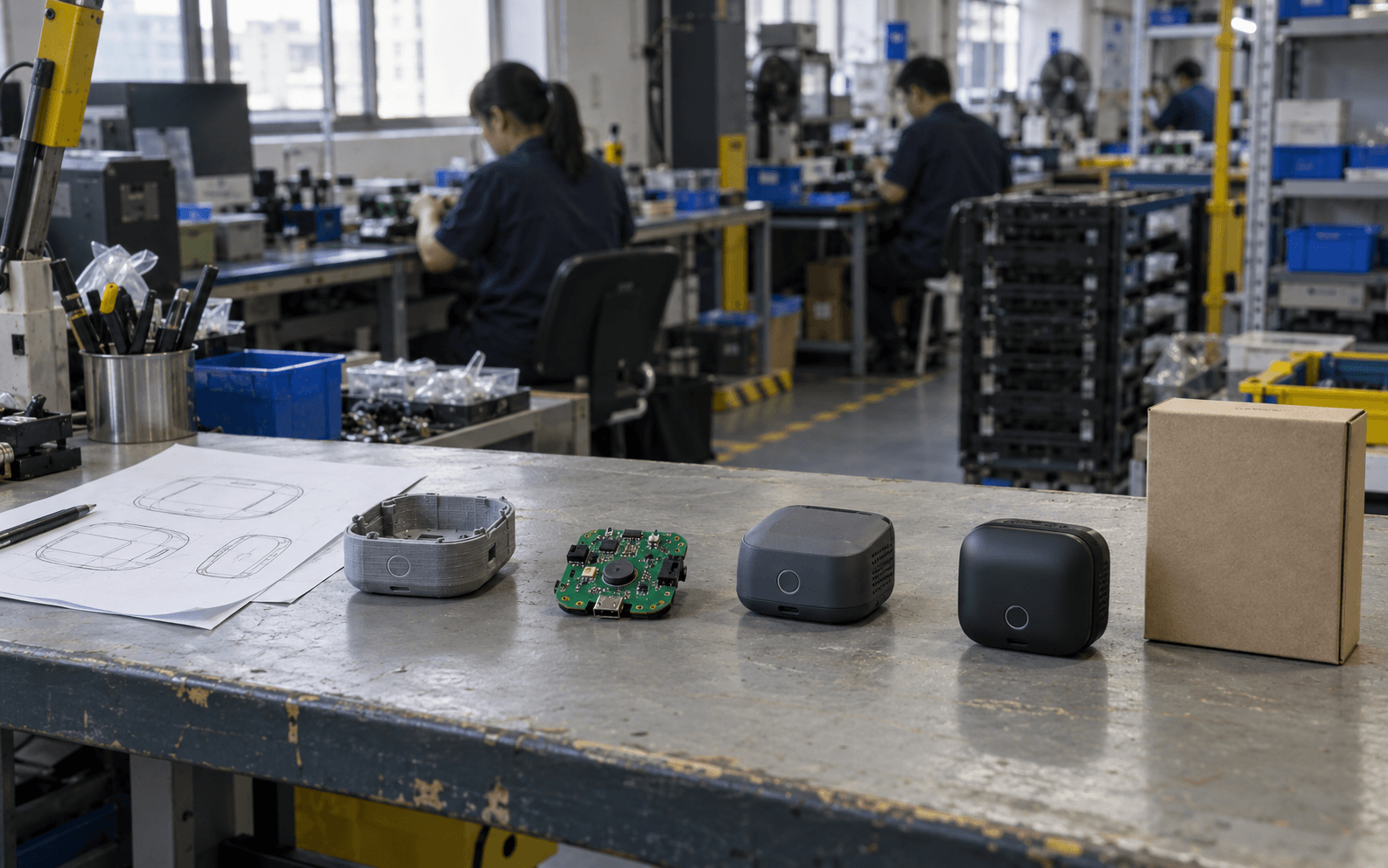
Product development stages: how to make a physical product from idea to finished product
The stages of making a physical product, from first sketch to boxes on a ship, explained for first-timers. What happens at each stage, why it matters, what you get out of it, and who in Shenzhen helps.
 14Basics · 10 min
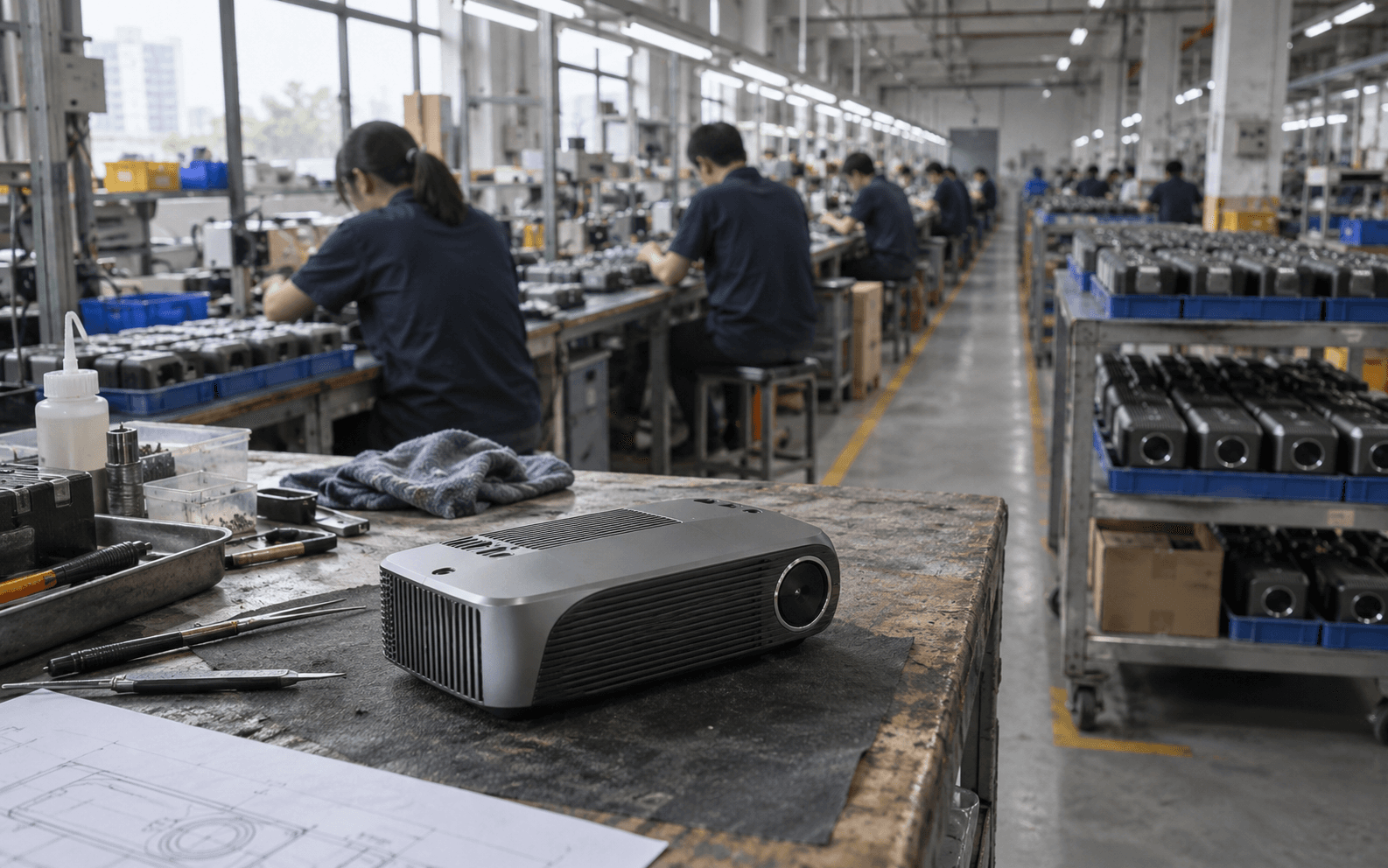
Prototype to production: what changes when you scale from 10 units to 1,000
Why a product that works as 10 prototypes can fail at 1,000 units, what changes in parts, people, testing, documents and cash as you scale, and the steps between a working prototype and your first production run in Shenzhen.
 15Working in China · 10 min
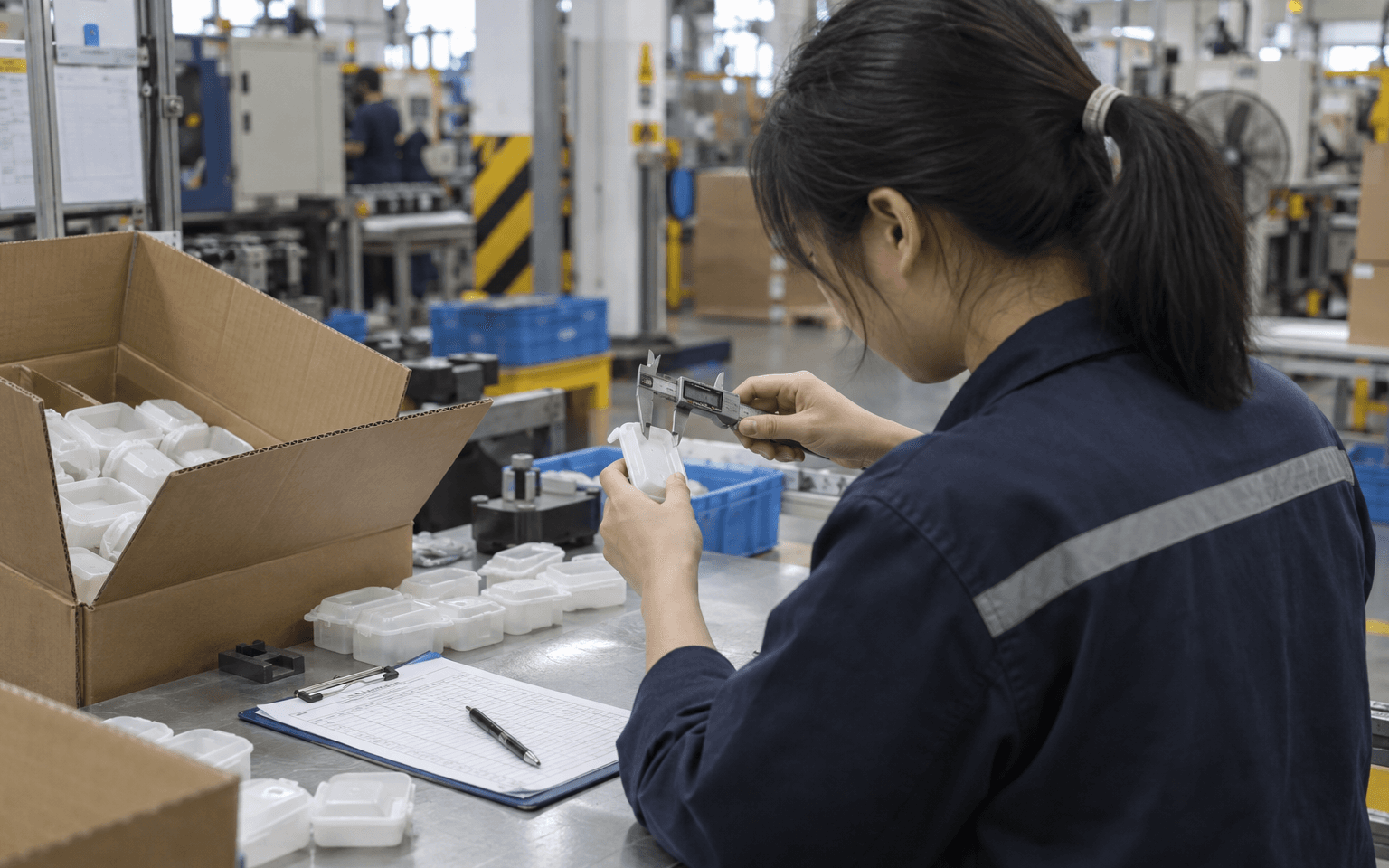
Quality inspection explained: pre-shipment checks and AQL
What pre-shipment inspection is, when to inspect, how AQL sampling works in plain words, what an inspector checks, and how to prepare so the report is actually useful. For first-time importers.
 16Community · 6 min
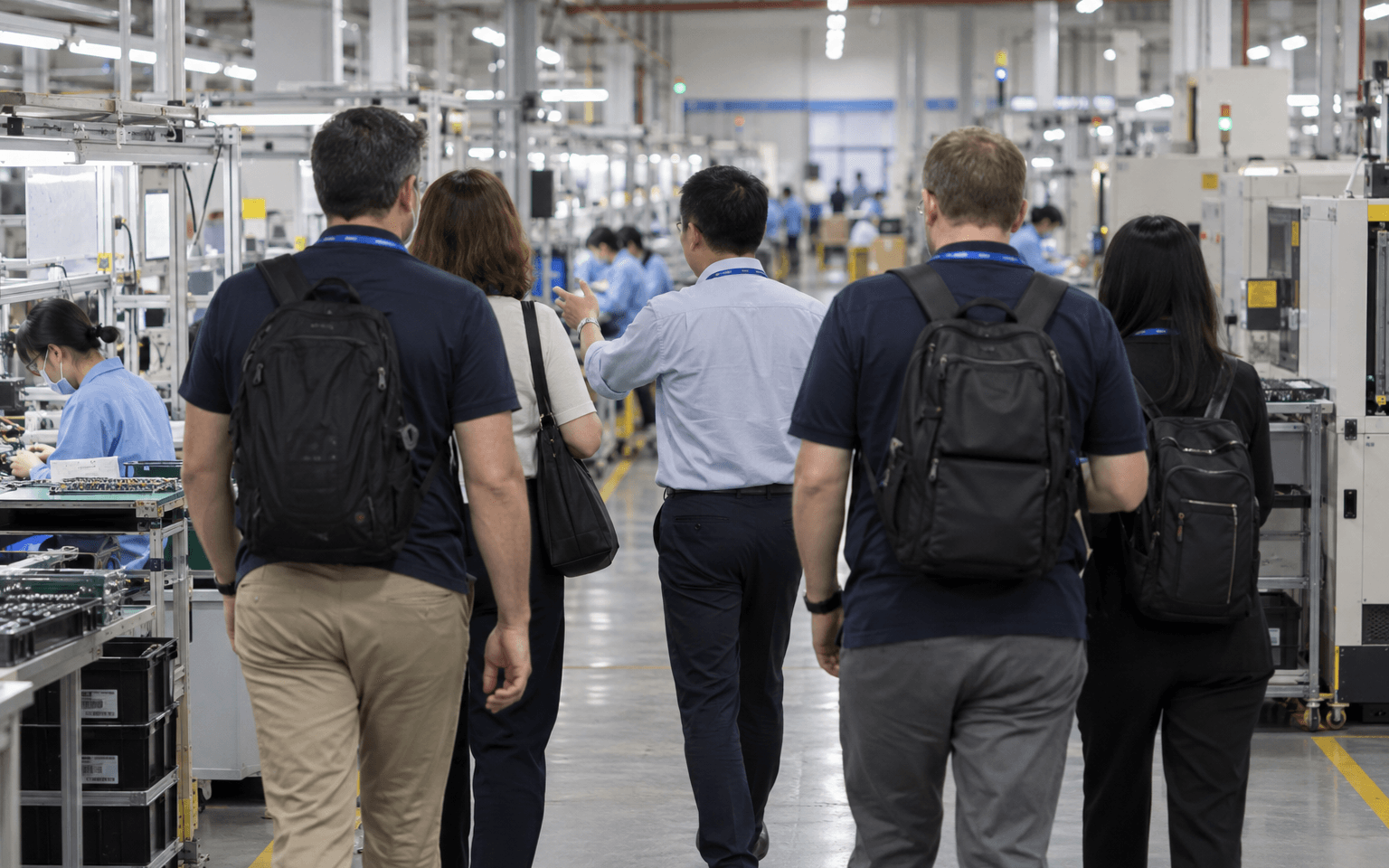
Factory tours for hardware founders in Shenzhen
Guided multi-day tours that take founders into Shenzhen factories and suppliers: who runs them, what they include, and 2026 dates.
 17Community · 7 min
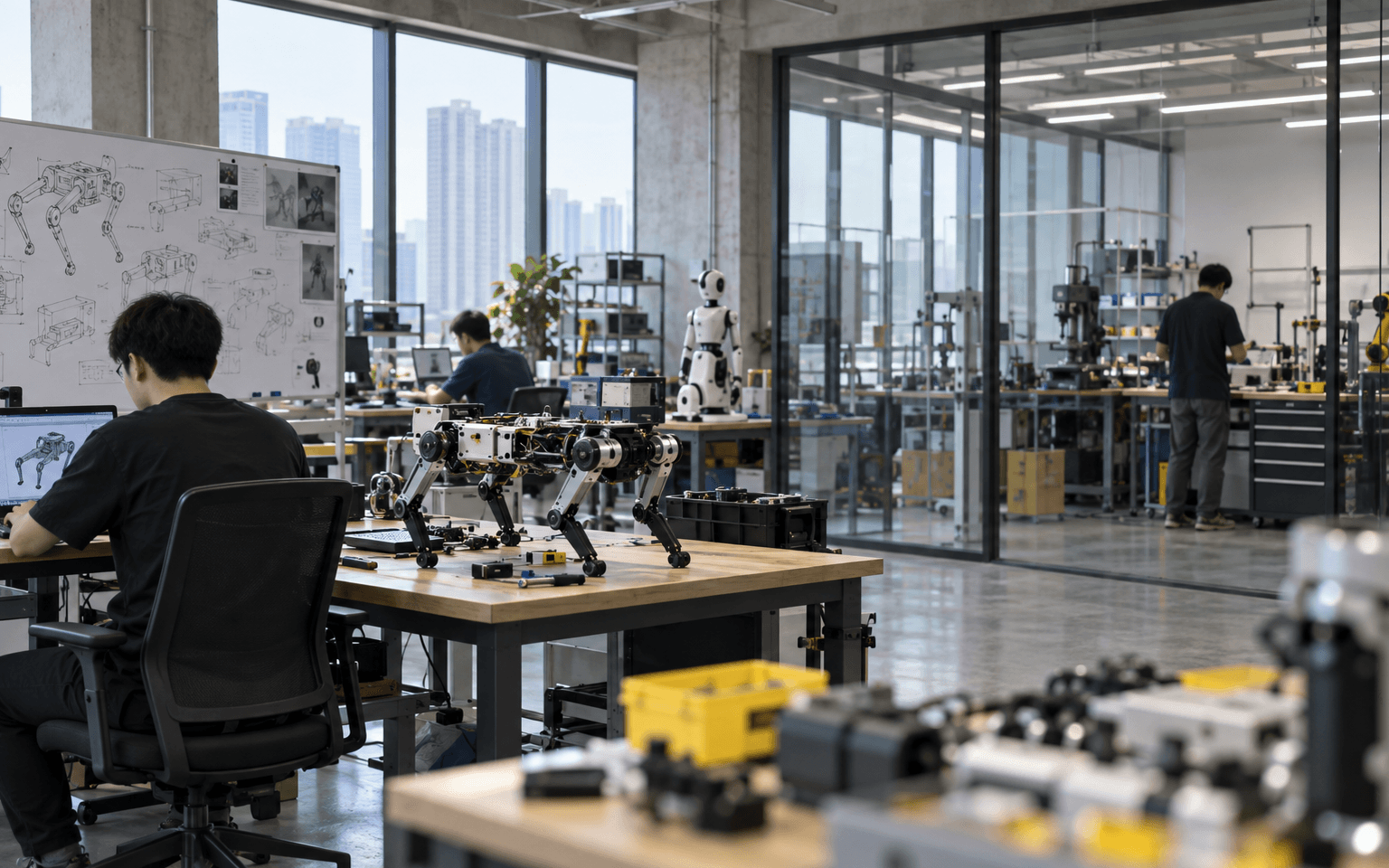
Hardware accelerators and incubators in Shenzhen in 2026
Which hardware accelerators and incubators are actually active around Shenzhen in 2026 (XbotPark, Shenzhen Foundry, TroubleMaker's program), and what happened to HAX, x.factory and others.
 18Community · 5 min
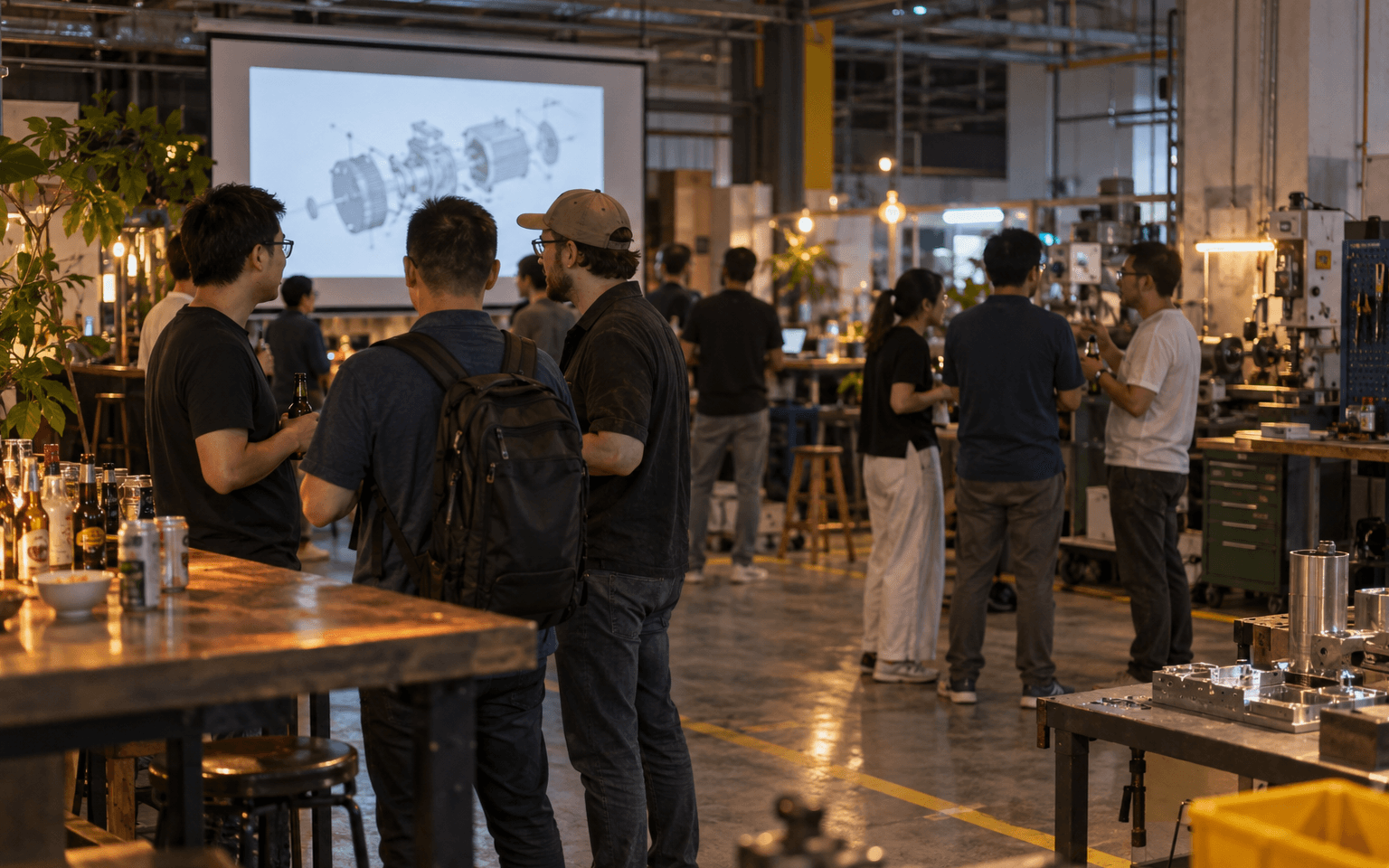
Shenzhen hardware meetups in 2026: what's active
An honest status check on Shenzhen's hardware and maker meetups (SZDIY, Chaihuo, Hardware Massive, AI Tinkerers, Hardware Meetup) and where to find the next one.
 19Working in China · 9 min
Shipping from Shenzhen: sea vs air
Express courier, air freight or sea freight? A plain-English guide to shipping parts and products out of Shenzhen: how each option works, rough transit times, how weight is charged, batteries, and customs.
 20Community · 5 min
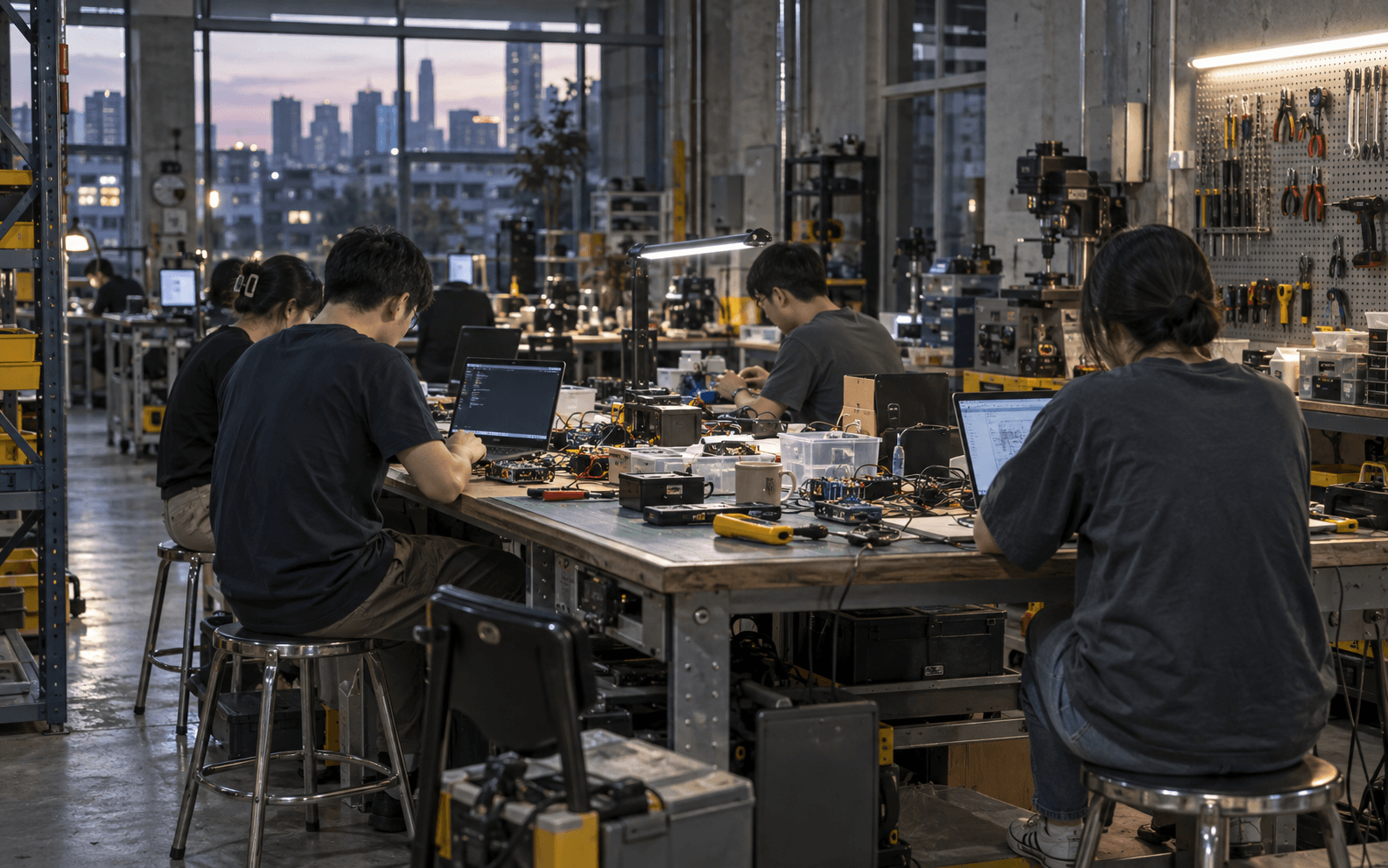
SZDIY: Shenzhen's weekly open hackerspace night
SZDIY (深圳DIY) is a volunteer-run free-software and open-hardware community with an open meetup every Thursday evening in Nanshan. Here's what to expect and how to go.
 21Community · 4 min
Tech in the Tropics: Shenzhen's monthly tech meetup at Brasshouse
A monthly, relaxed tech and hardware meetup at Brasshouse bar in Futian, started by Joshua Woodard of The Sparrows. What it is and how to go.
 22Community · 6 min
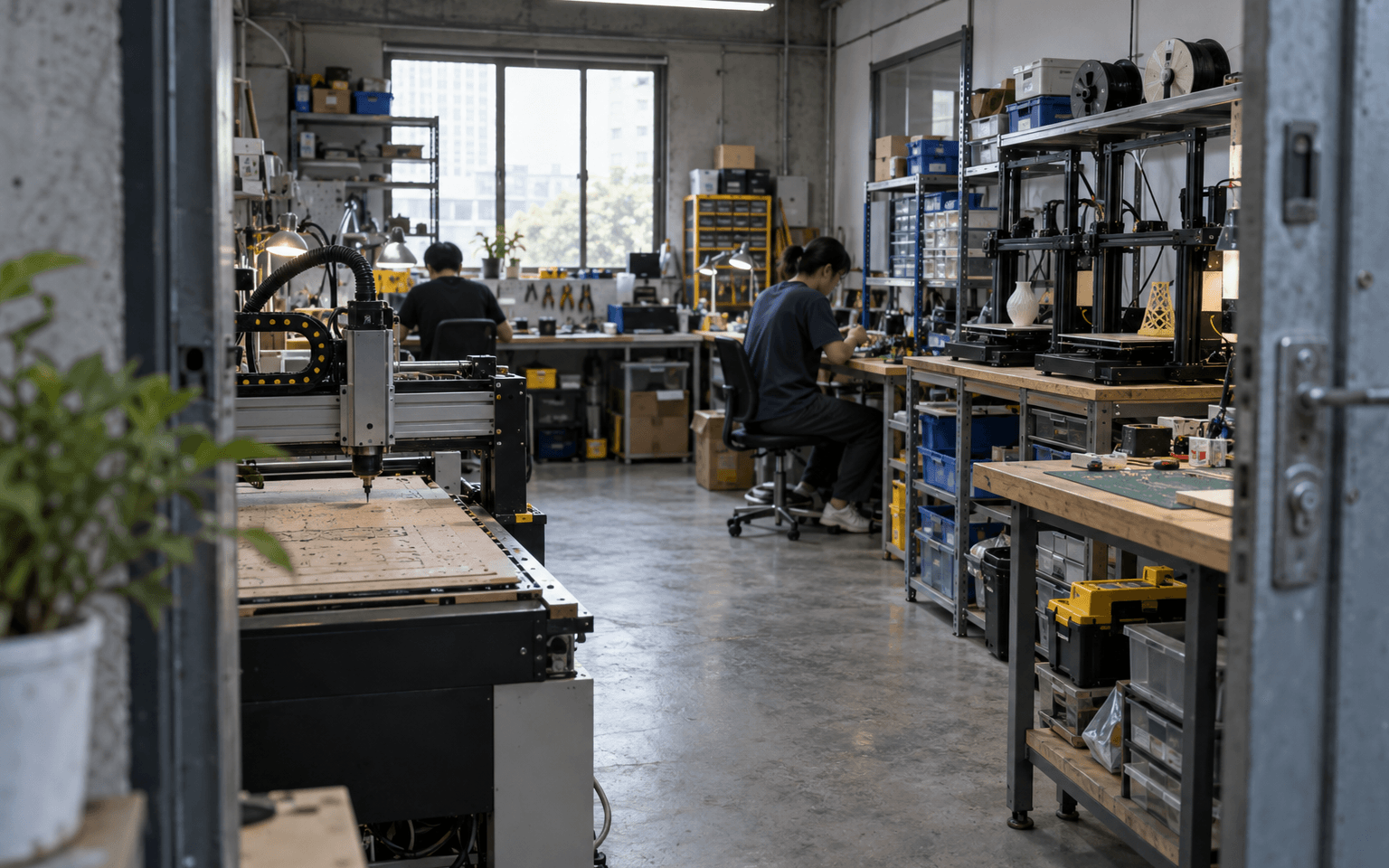
TroubleMaker: Huaqiangbei's international makerspace
What TroubleMaker offers hardware founders and makers in Shenzhen: the workshop, memberships, manufacturing-readiness programs, where it is, and how to visit.
 23Design · 9 min
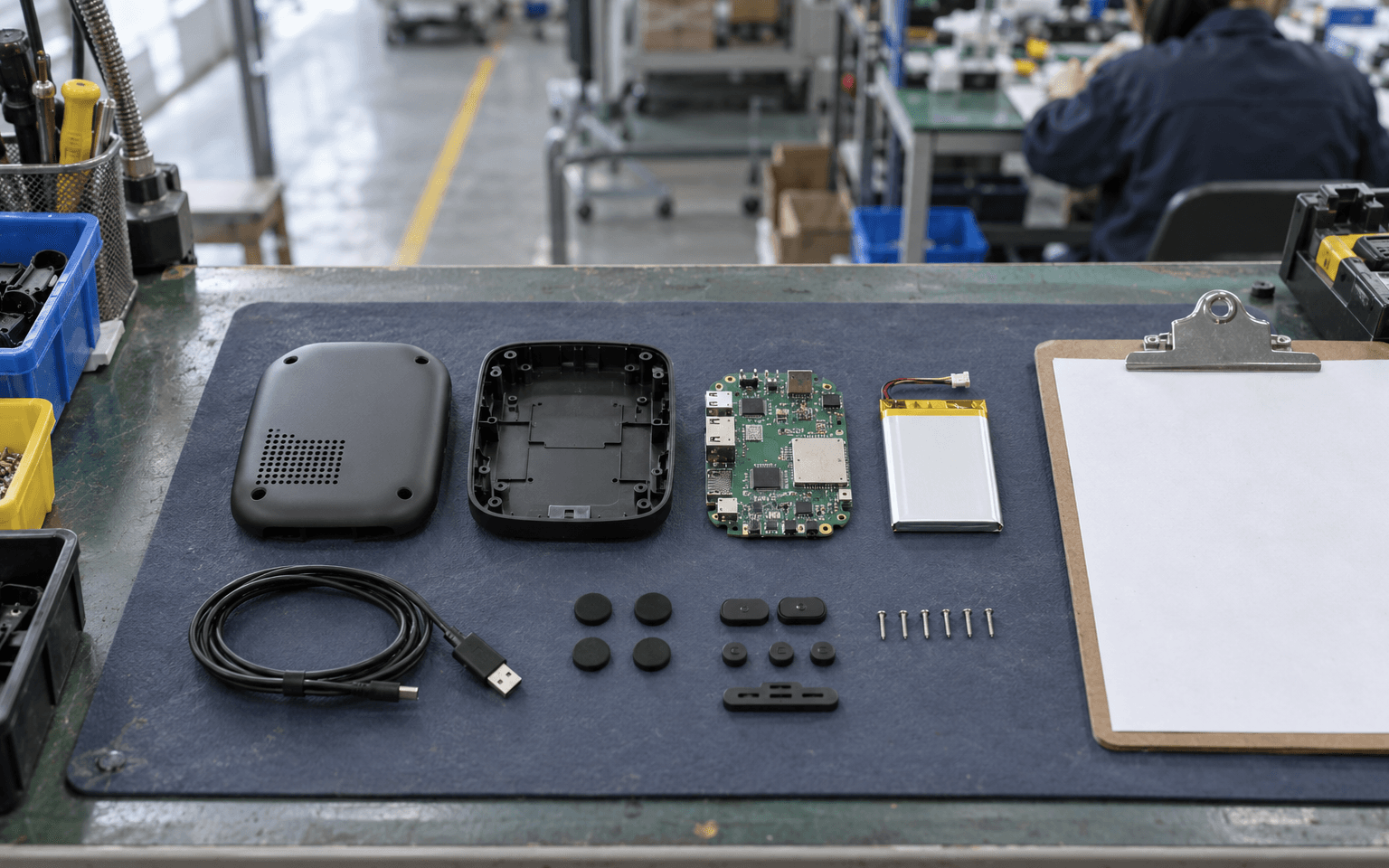
What is a bill of materials (BOM)? How to write one
What a BOM is, why factories in China build and quote from it, the columns a good BOM needs, how to structure one for a hardware product, and the mistakes that cause wrong parts and delays.