Guides
CNC machining guides
Browse by process
 Start here
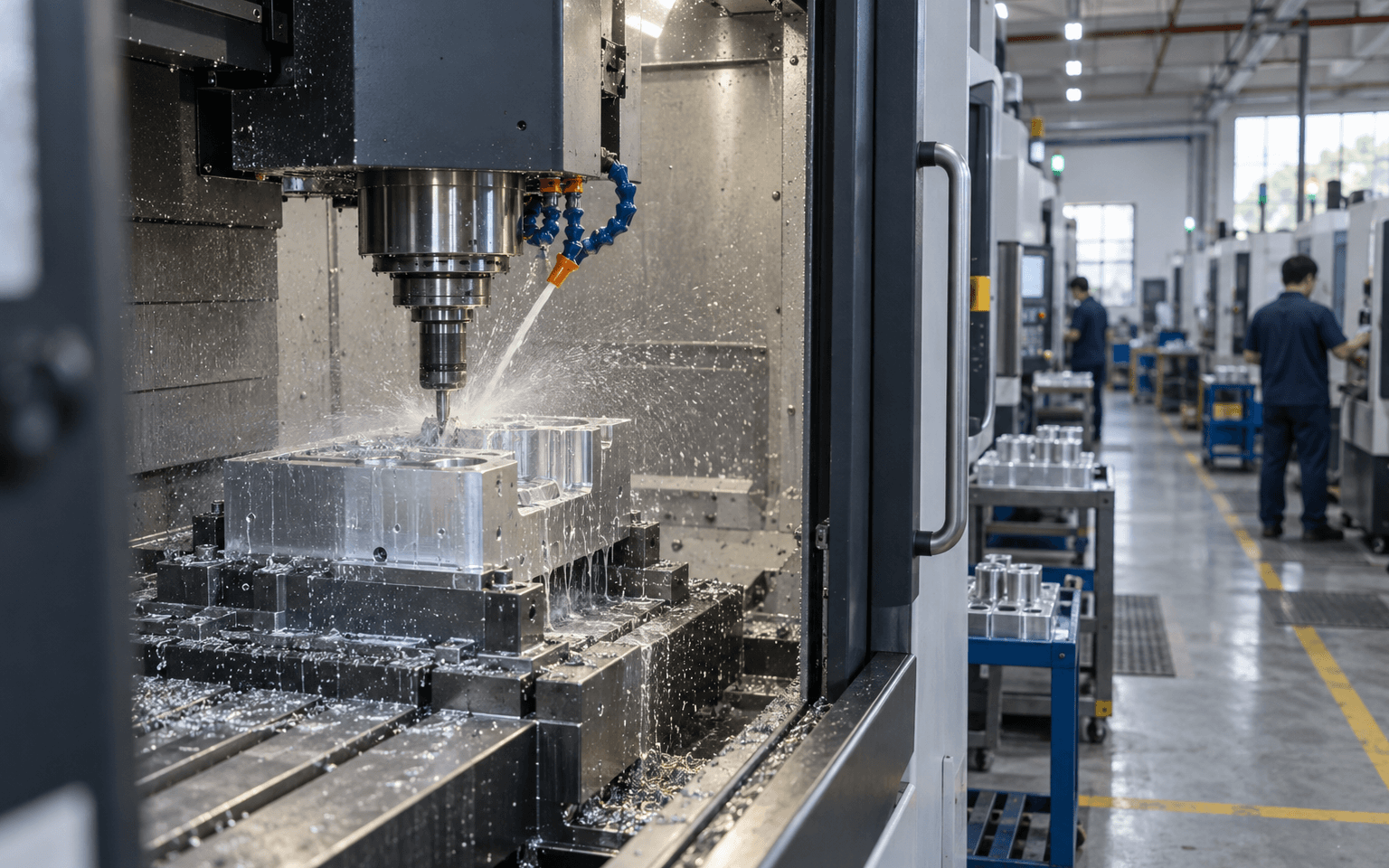
What is CNC machining? A plain-English guide
How CNC machining works, what it's good (and not good) for, what it costs, and how to get CNC parts made in Shenzhen. Written for first-timers.
→ 01Choosing · 6 min
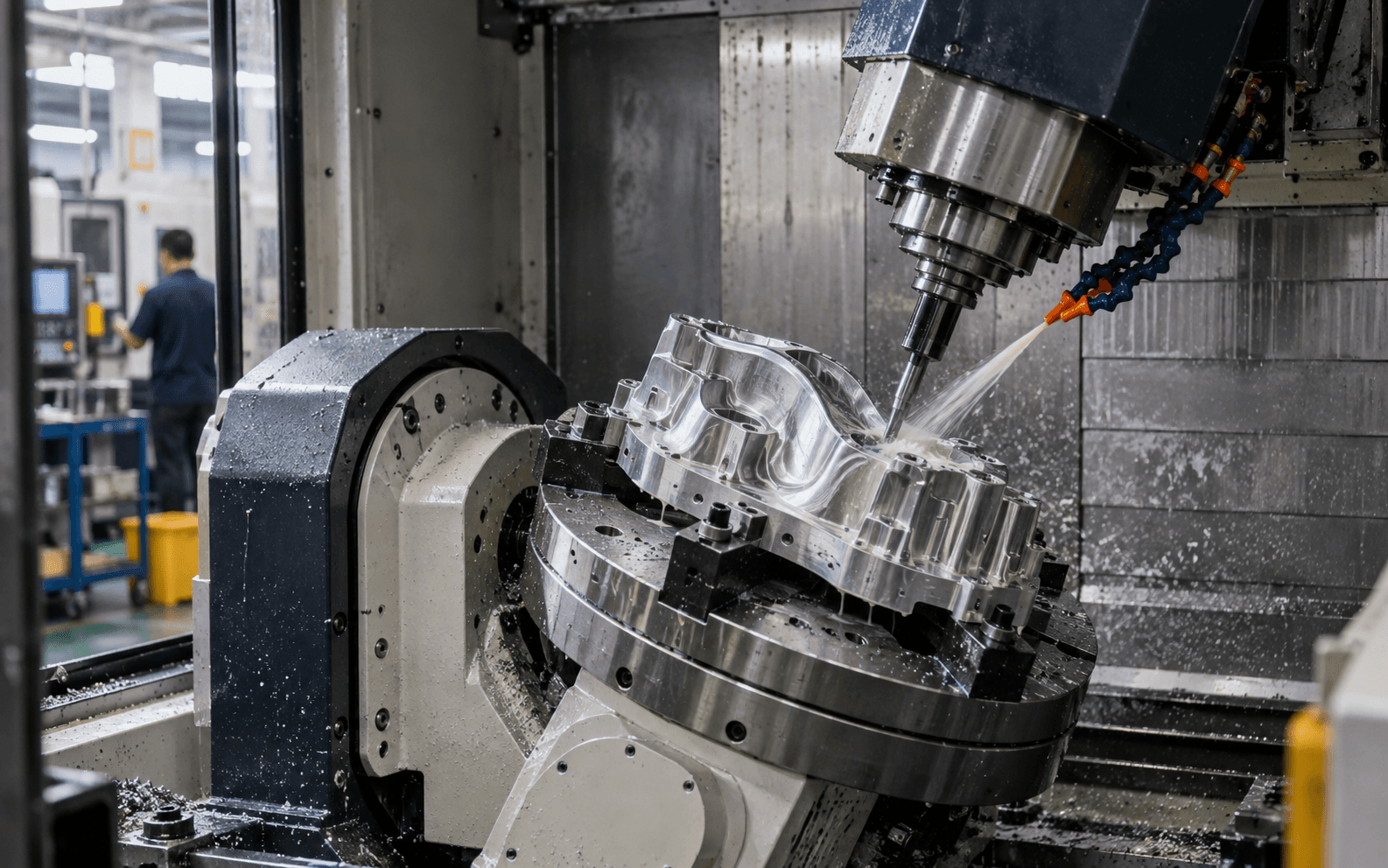
3-axis vs 5-axis CNC: which does your part need?
What "axes" means on a CNC machine, when 5-axis machining is worth paying for, and how to tell from your design which one a shop will use.
 02Cost · 9 min
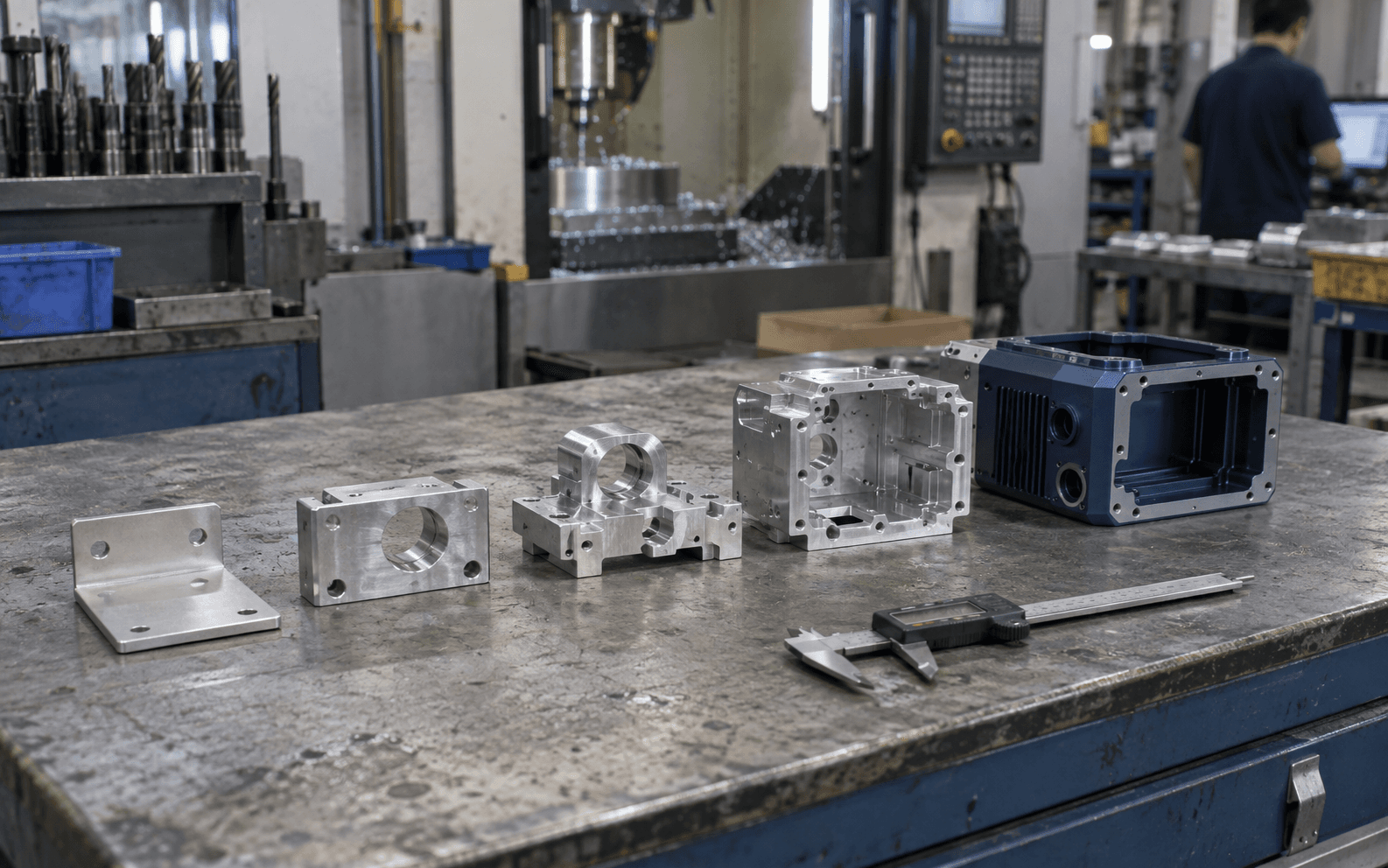
How much does CNC machining cost? (and how to lower your quote)
What actually drives the price of a CNC part, rough price ranges for first-timers, and simple design and ordering changes that make quotes cheaper.
 03Design · 8 min
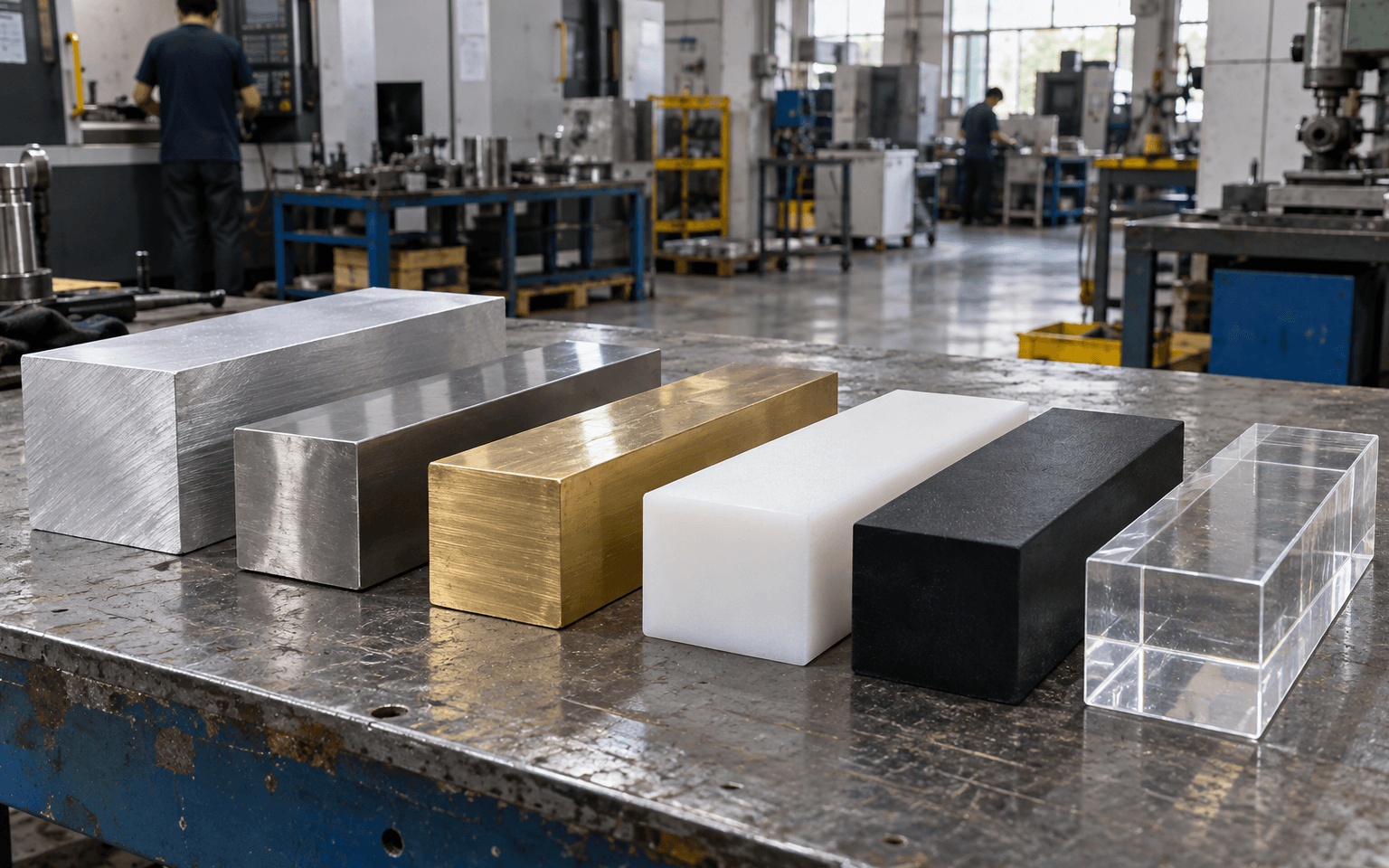
Choosing a material for CNC parts
A beginner's guide to the most common CNC materials (aluminum, steel, brass and engineering plastics), what each is good for, and how they affect price.
 04Design · 8 min
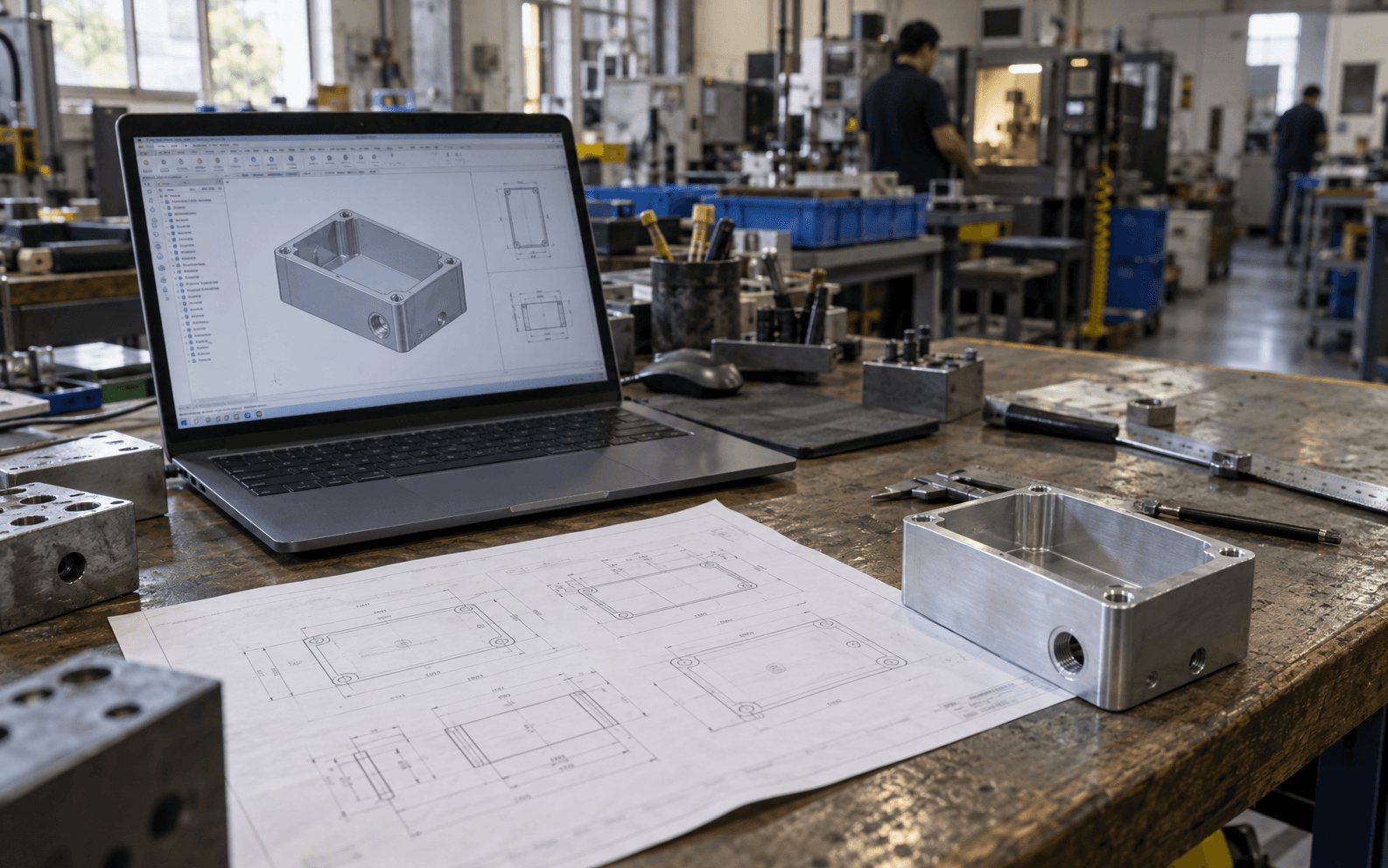
How to prepare files for a CNC quote
Exactly what to send a CNC shop to get a fast, accurate quote. 3D files, 2D drawings, and the details first-timers forget.
 05Design · 7 min
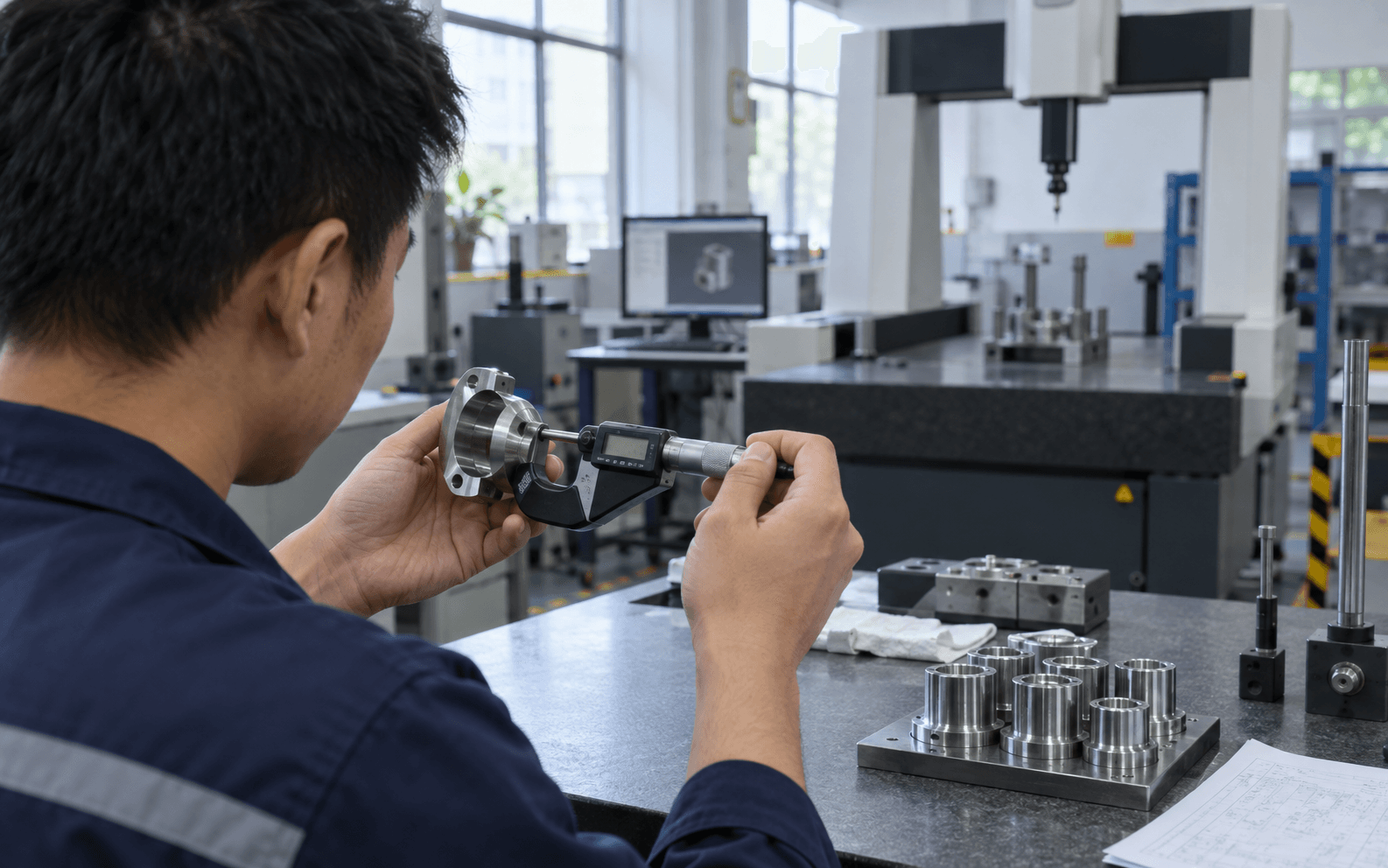
Tolerances explained for first-timers
What "±0.05 mm" means, why tighter tolerances cost more, and how to decide which features of your part actually need them.
 06Basics · 9 min
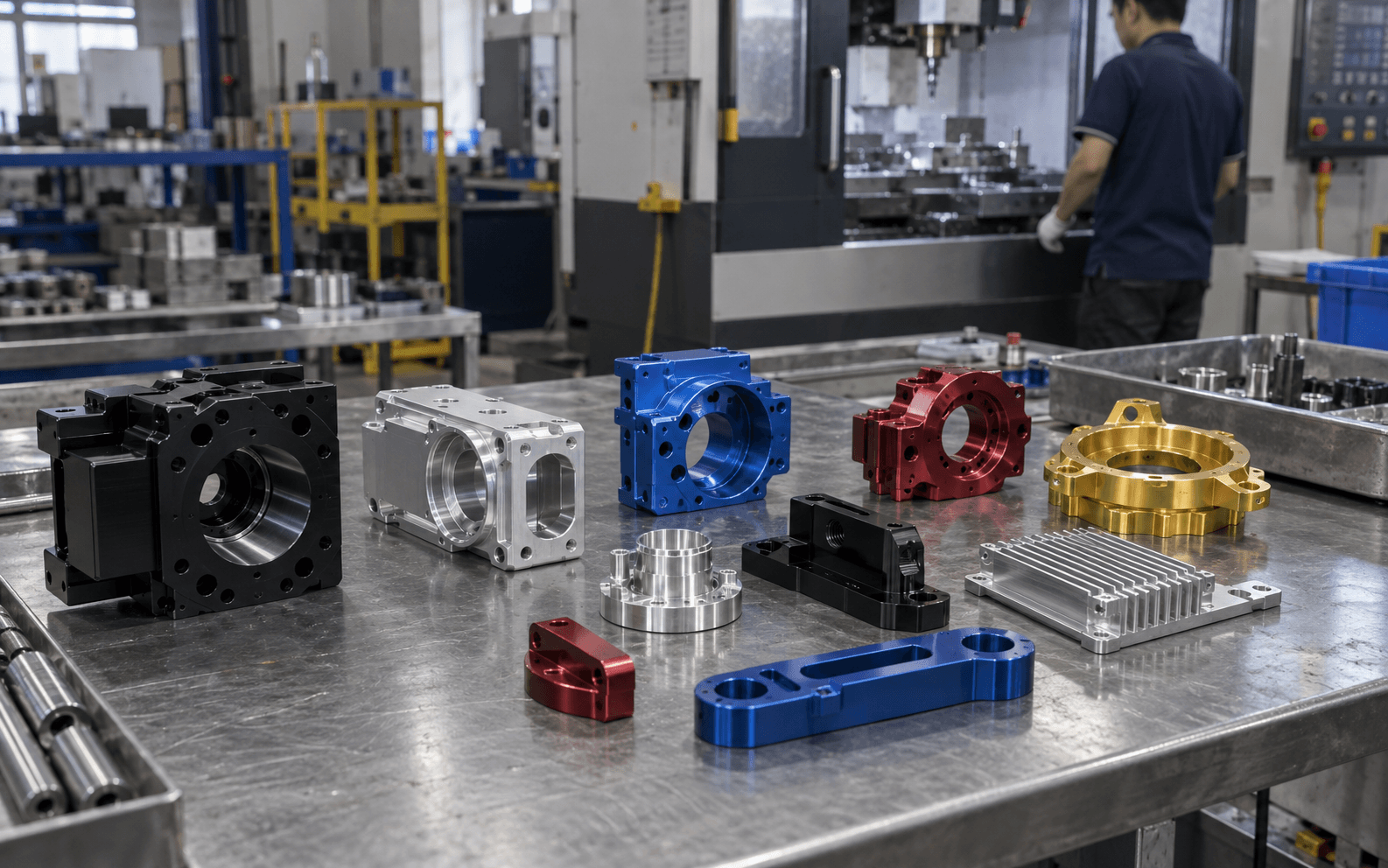
What is anodizing? A plain-English guide
How anodizing works, why it looks and wears the way it does, the difference between Type II and hard anodizing, and how to order anodized parts in Shenzhen. Written for first-timers.
 07Design · 9 min
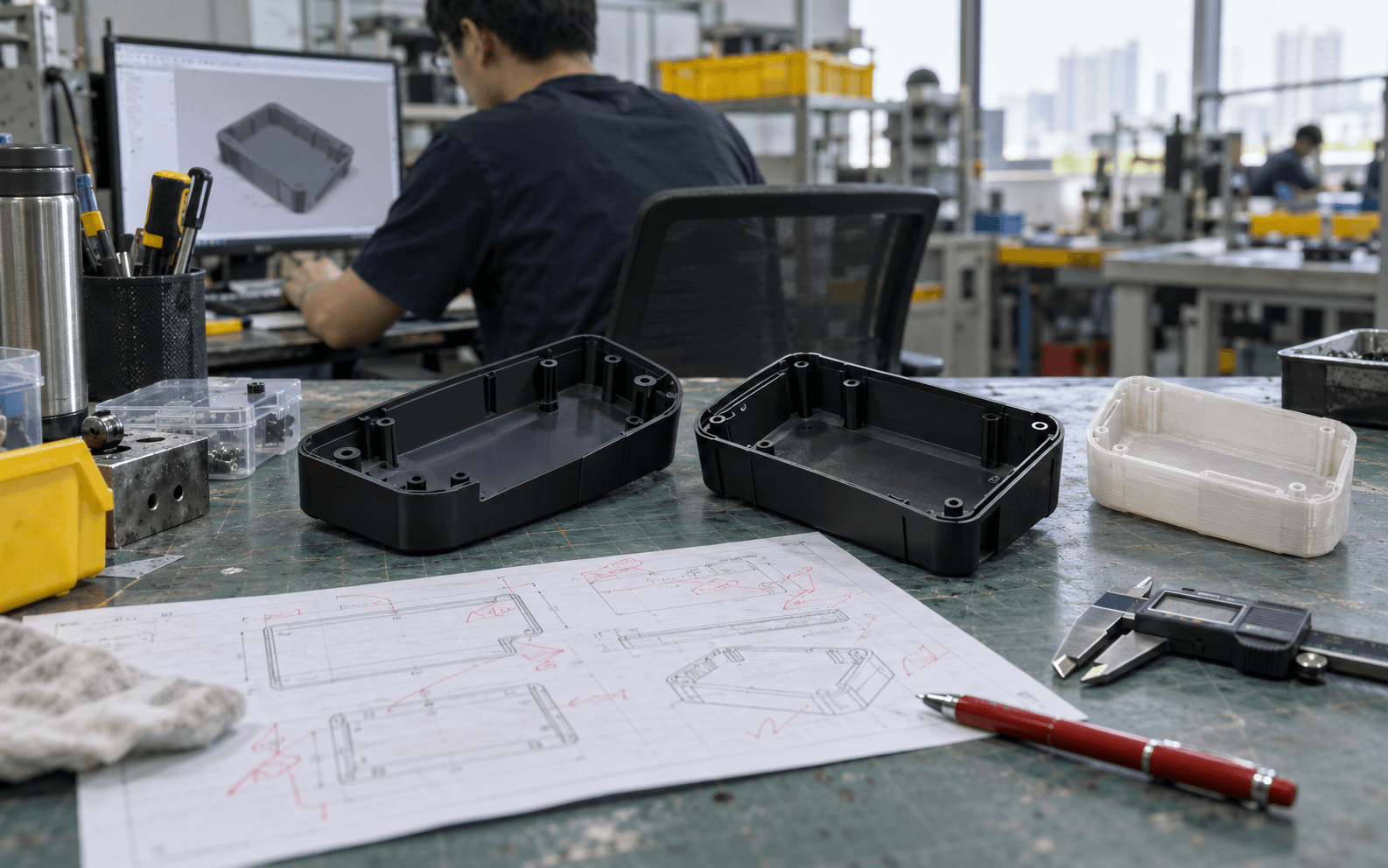
What is DFM? Design for manufacturing explained
What design for manufacturing (DFM) means, why it decides most of your product's cost, the core rules, when to do a DFM review, and how DFM feedback from Shenzhen suppliers works.
 08Basics · 10 min
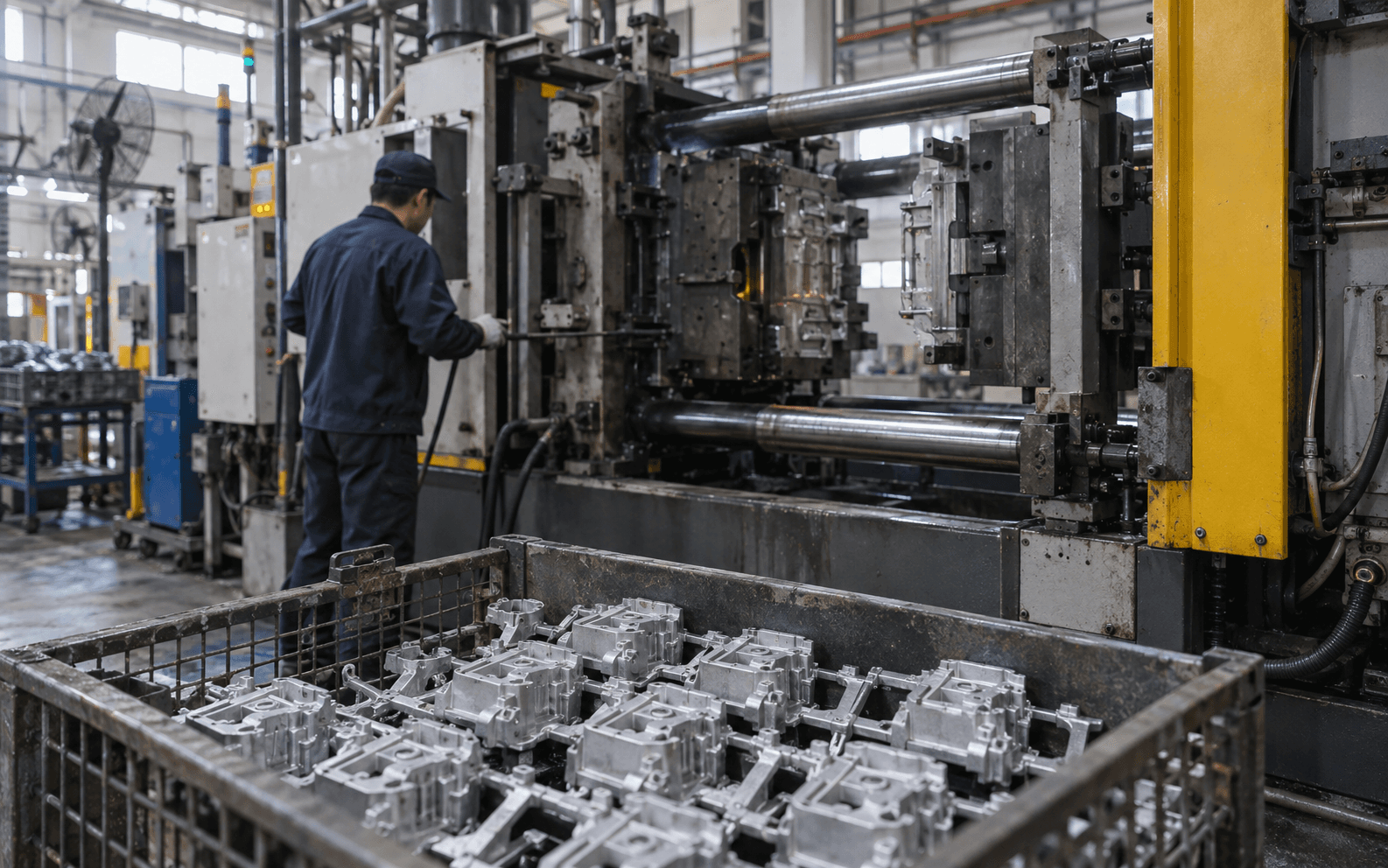
What is die casting? A plain-English guide
How die casting works, which metals it uses, what it's good and bad at, what drives the cost, and how to get die-cast parts made in Shenzhen and Dongguan. Written for first-timers.
 09Basics · 10 min
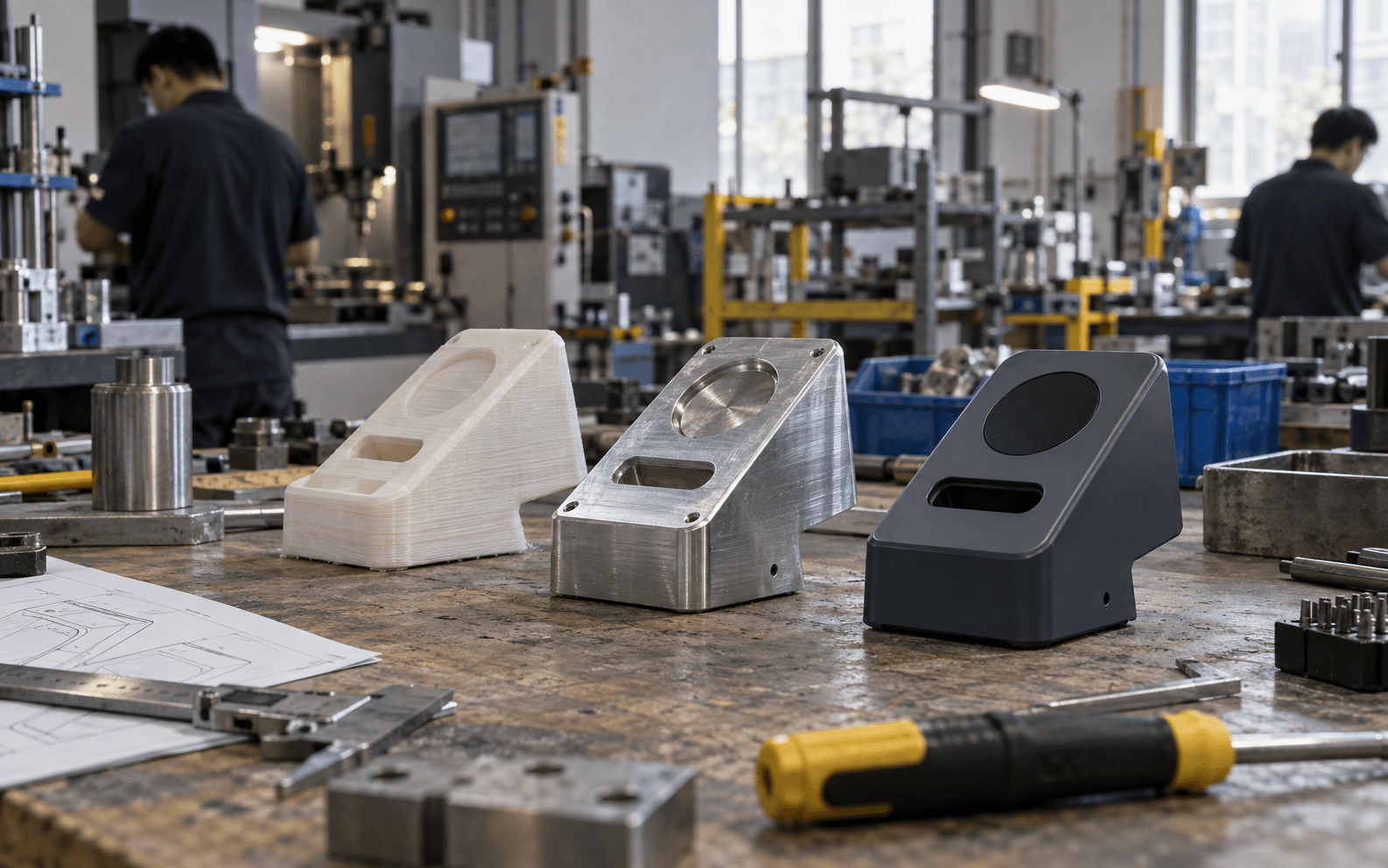
What is rapid prototyping? A plain-English guide
What rapid prototyping means, the main methods (3D printing, CNC machining, urethane casting), how many rounds to expect, and how Shenzhen's prototype shops work.
 10Choosing · 7 min
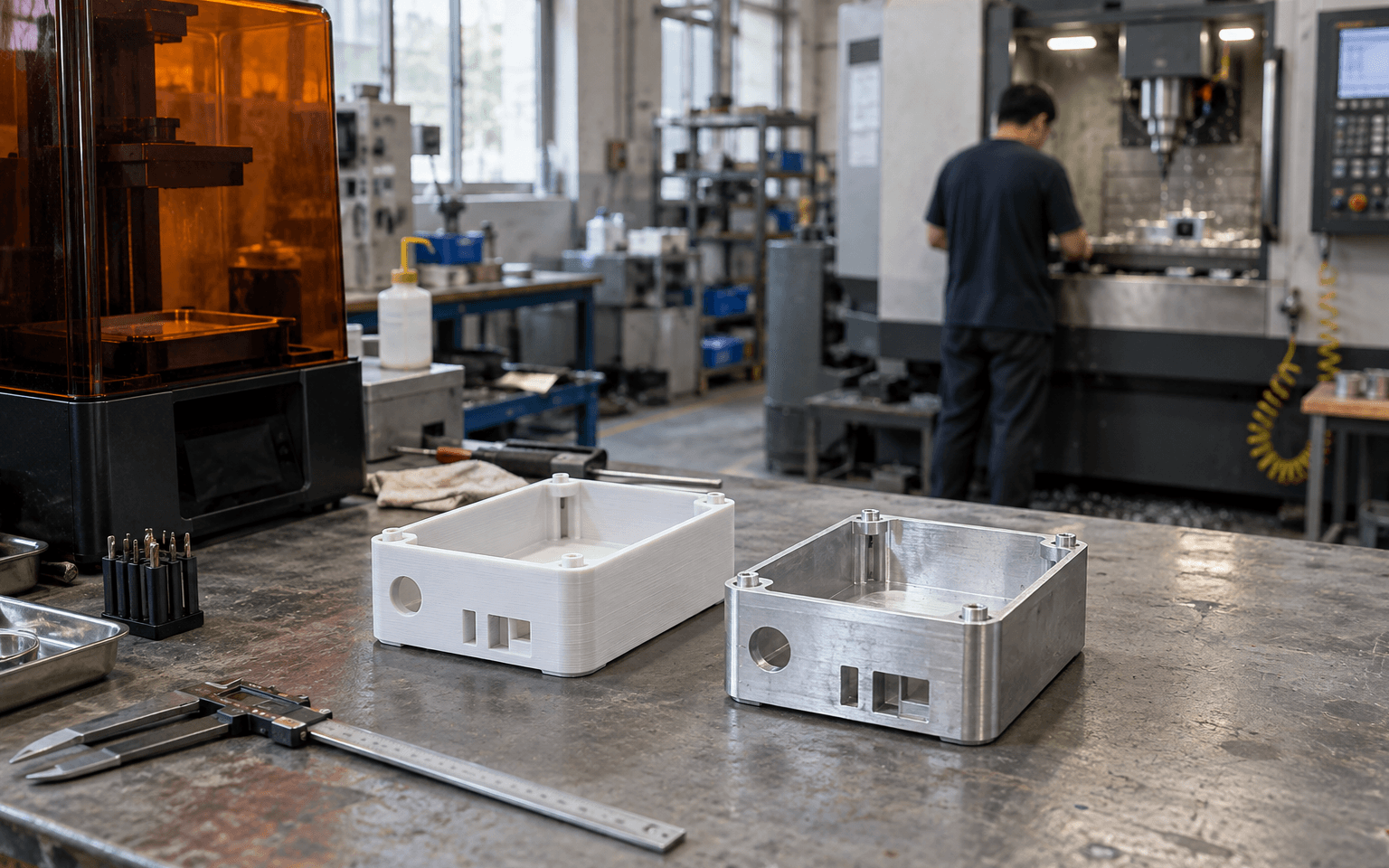
3D printing vs CNC for prototypes
Should your prototype be 3D printed or CNC machined? A plain-English comparison of cost, speed, strength, materials, looks and design freedom, with a simple decision guide.
 11Choosing · 8 min
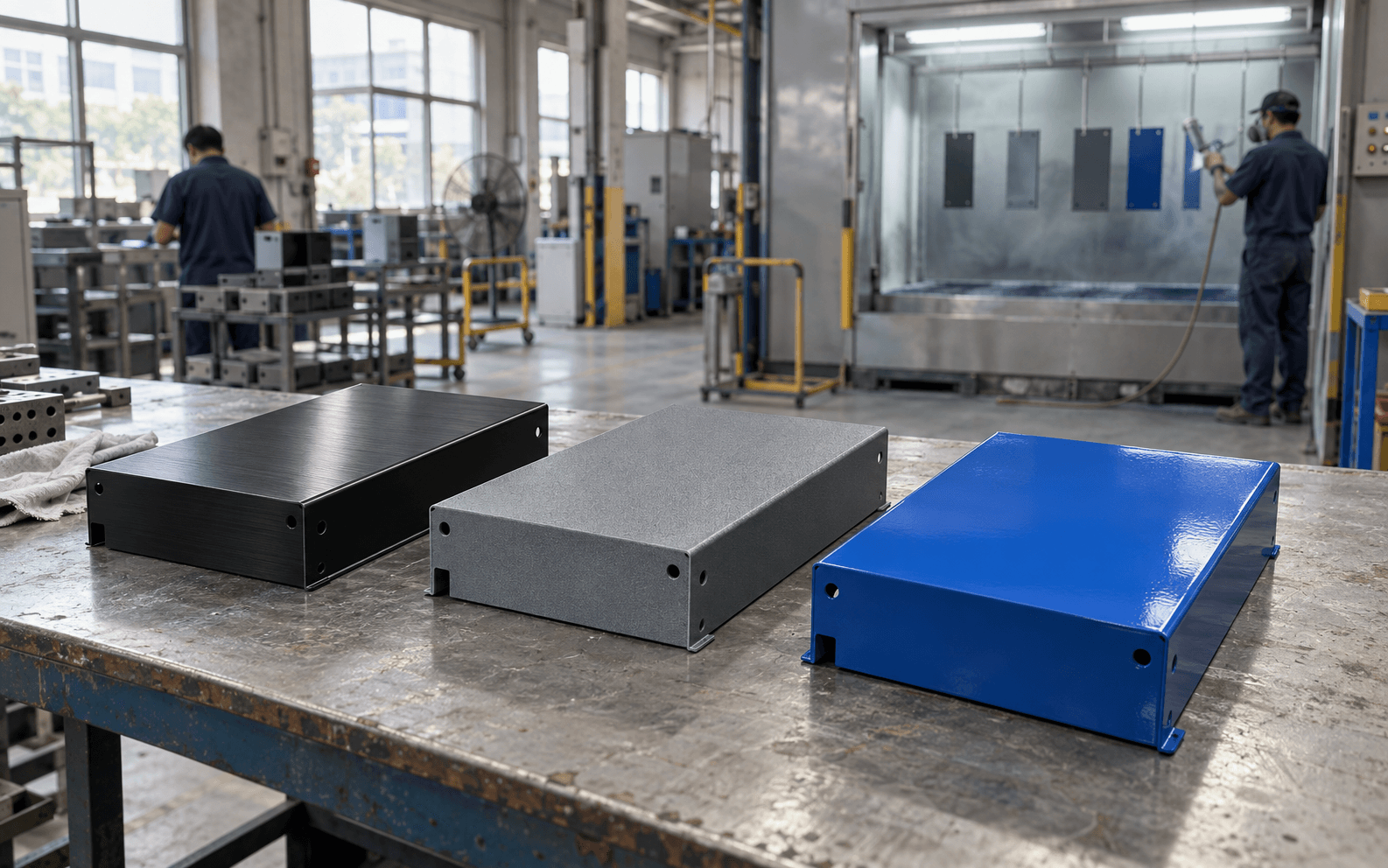
Anodizing vs powder coating vs painting
Three common ways to finish a part, compared in plain words. What each one is, which materials it works on, how it looks and wears, and how to choose for your product.
 12Choosing · 7 min
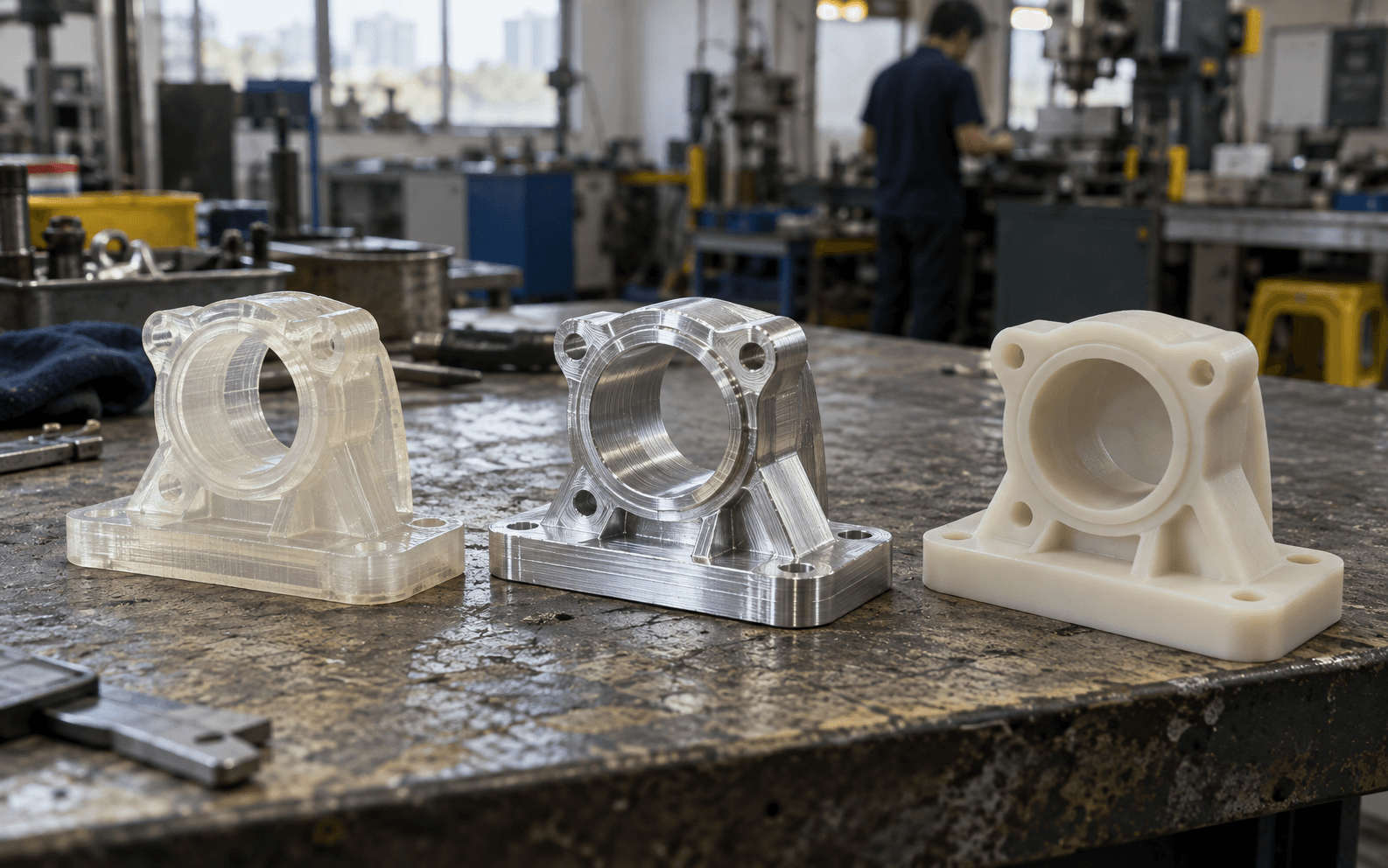
Choosing a prototyping method: 3D printing vs CNC vs urethane casting
A simple comparison of the three main prototyping methods by speed, cost, strength, look and quantity, plus a quick way to pick the right one for each part.
 13Choosing · 7 min
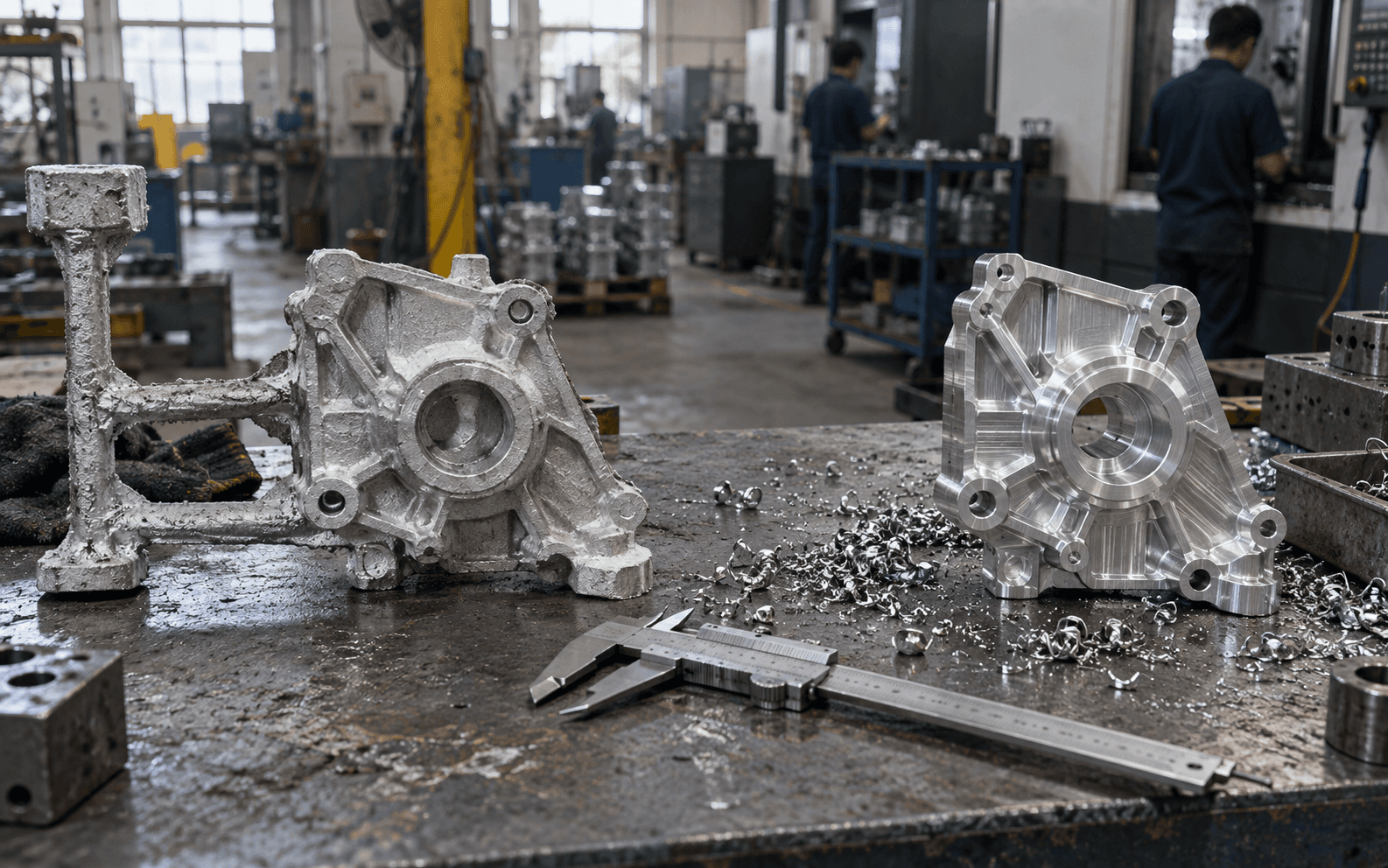
Die casting vs CNC machining
When should a metal part be CNC machined, and when is it worth paying for a die-casting tool? A plain-English comparison of cost, quantity, quality and finish, with a simple break-even method.
 14Design · 8 min
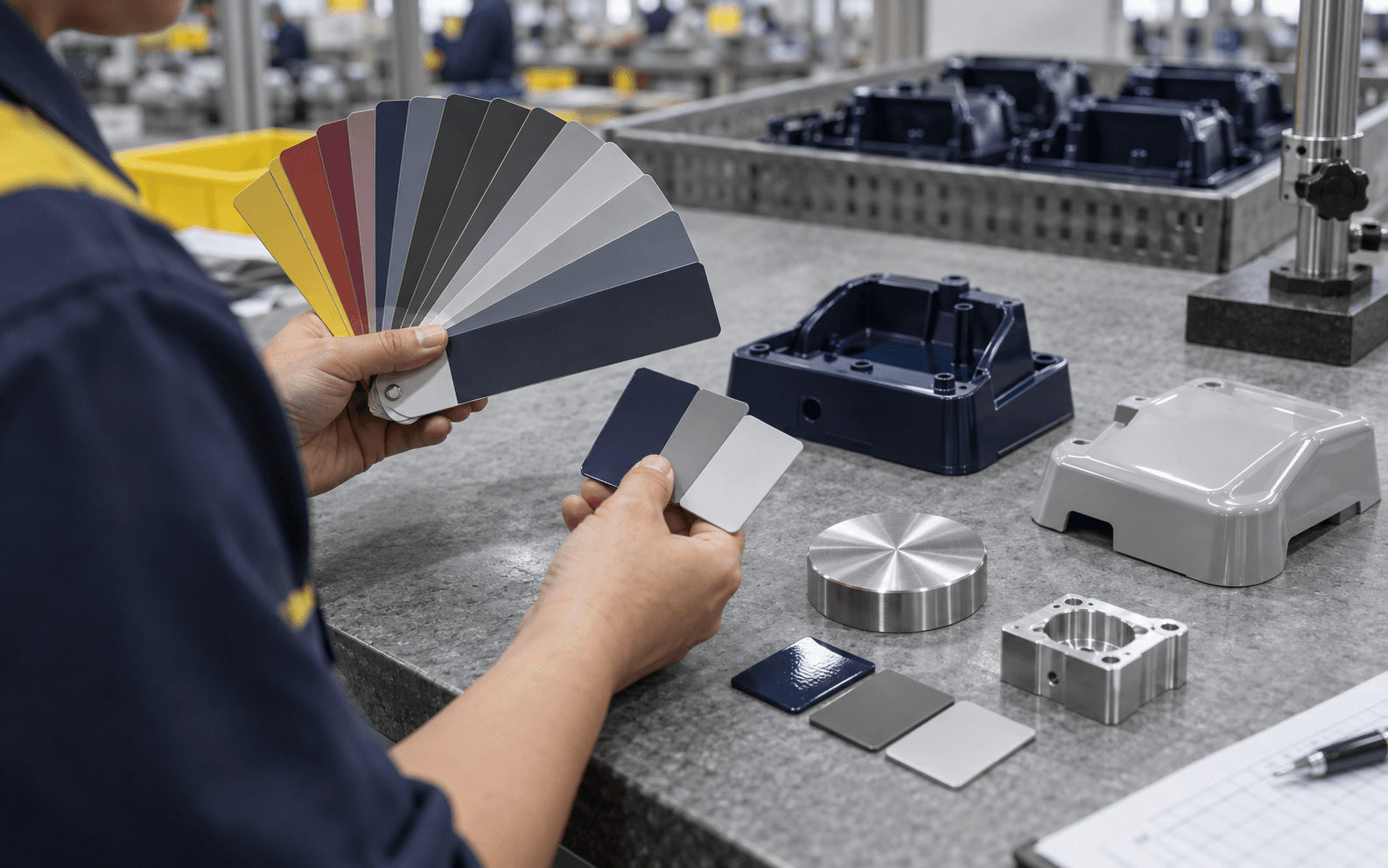
How to specify colour and finish
How to tell a factory exactly what colour, gloss and texture you want, using colour codes, physical samples, texture standards and a simple written spec. For first-time hardware teams.
 15Choosing · 8 min
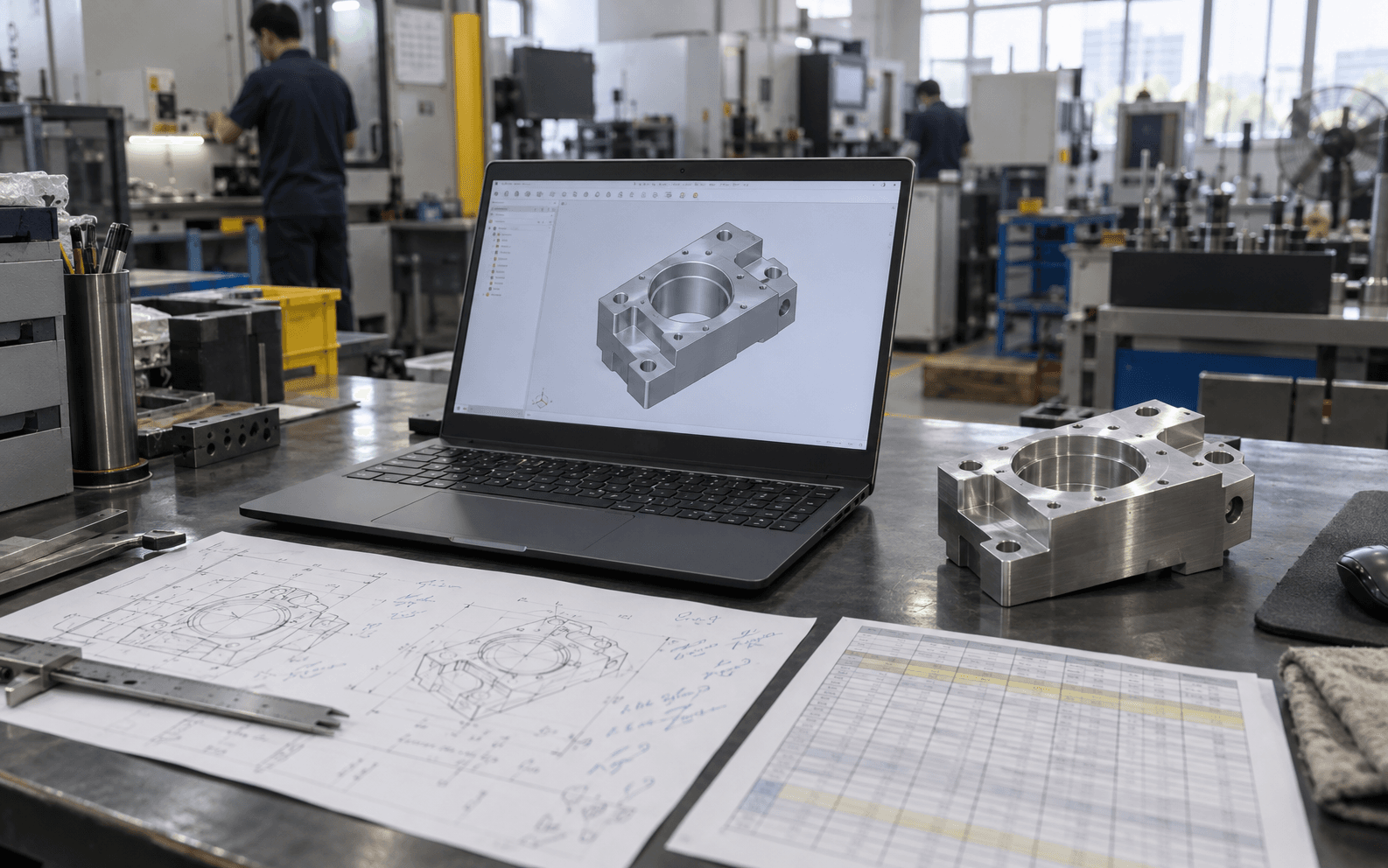
How to write an RFQ
What a request for quotation (RFQ) is, what to put in it, and how to write one that gets clear, comparable quotes from Shenzhen suppliers. With a checklist you can copy.
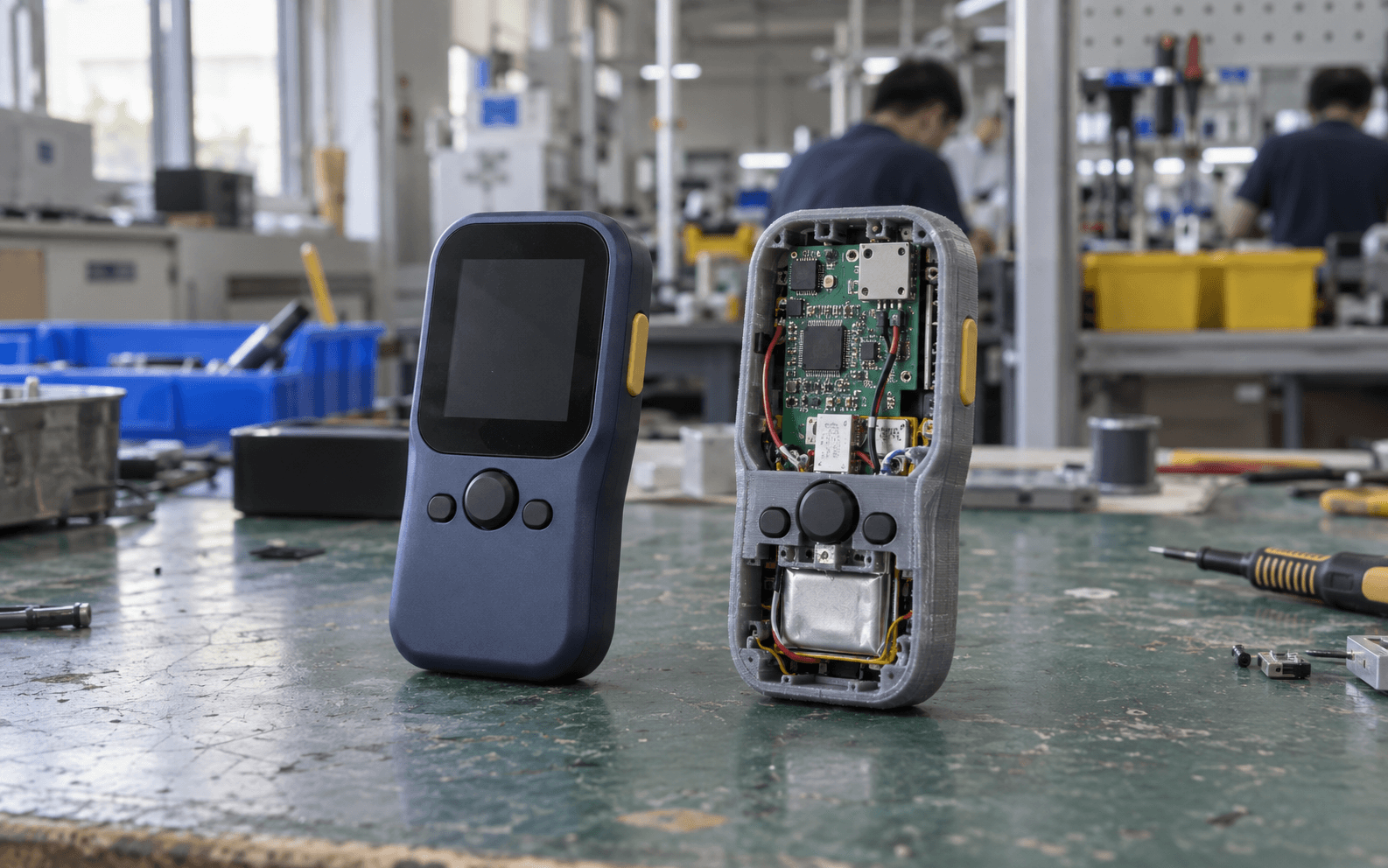 16Basics · 6 min
Looks-like vs works-like prototypes
Why most hardware teams build two different kinds of prototype, what each one is for, and when to combine them into a single "looks-like, works-like" build.
CNC machining guides →CNC machining: process hub and shops →