Chinese
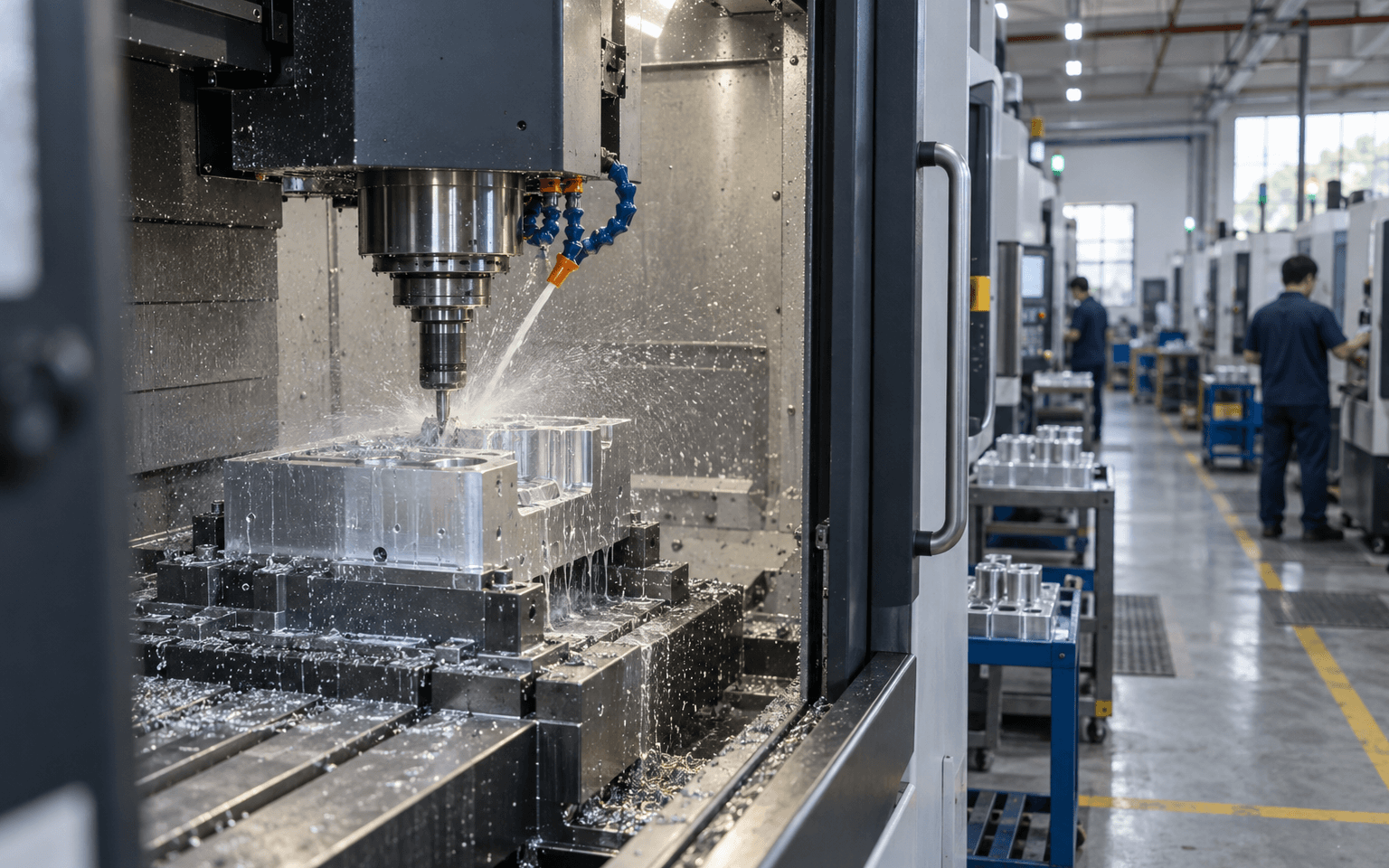
DMG 5-axis and rows of 3-axis CNC in a 5,000 m² Chang'an base
Dongguan · Chang'anIn-house + partnersPrototypesLow volumeMass production
CNC machiningUrethane / vacuum castingSheet metal fabrication3D printing
English-speaking salesSource ↗
PR-01 · Process hubs
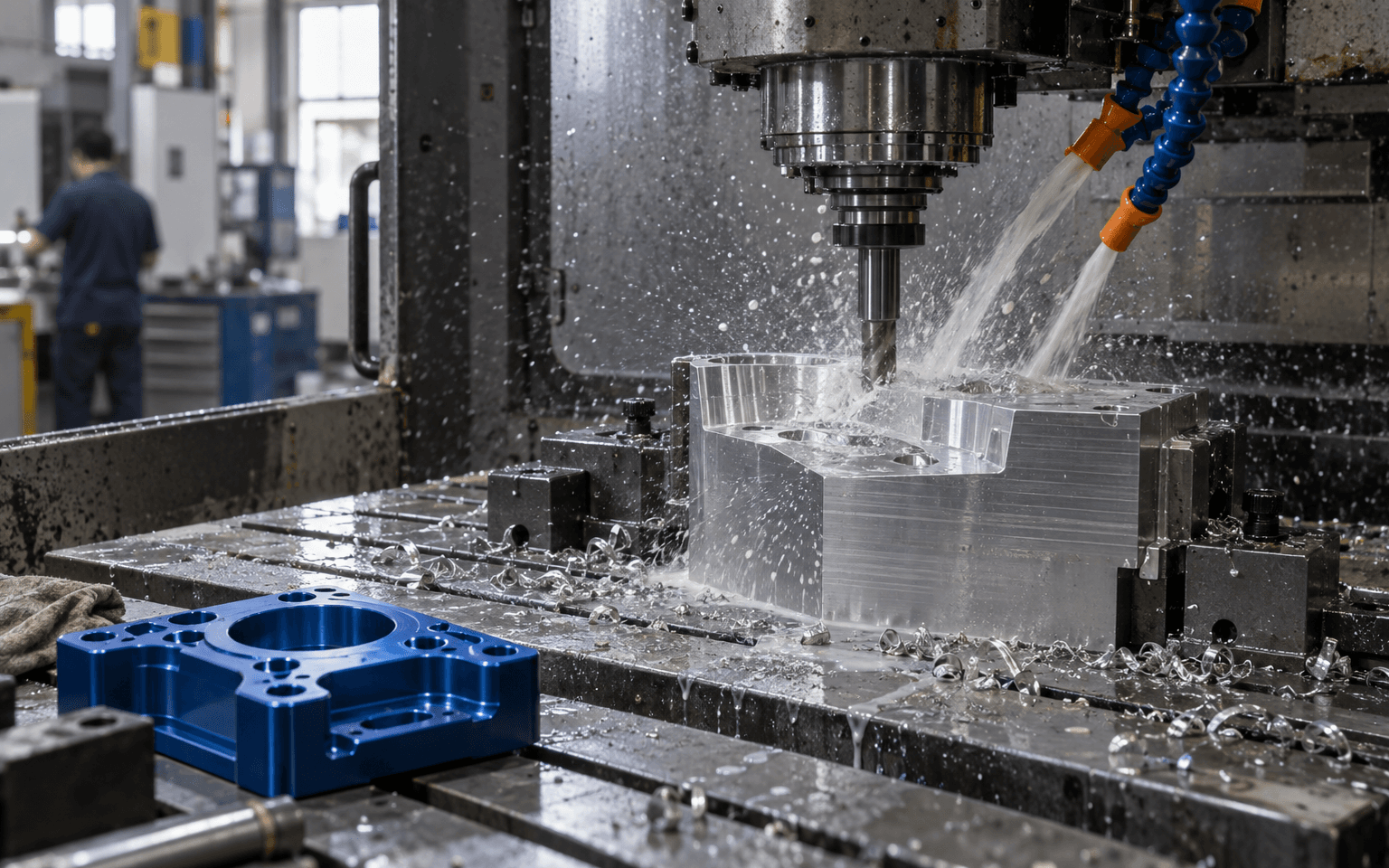
CNC stands for "computer numerical control". A computer-driven cutting tool carves your part out of a solid block of metal or plastic, a bit like a very precise, automated sculptor. You send a 3D file, the shop programs the machine, and it removes material until only your part is left. It's accurate and strong, and needs no mold, so it's great for prototypes and small batches of metal parts.
DMG 5-axis and rows of 3-axis CNC in a 5,000 m² Chang'an base
Dongguan · Chang'anProprietary zinc multi-slide die casting, invented in 1936
Dongguan · DalangSilver contacts and electrical contact assemblies, riveted or welded in the mold
Dongguan · FenggangSino-British founders (CEO Vader Yu and James Murphy) and English-speaking project managers
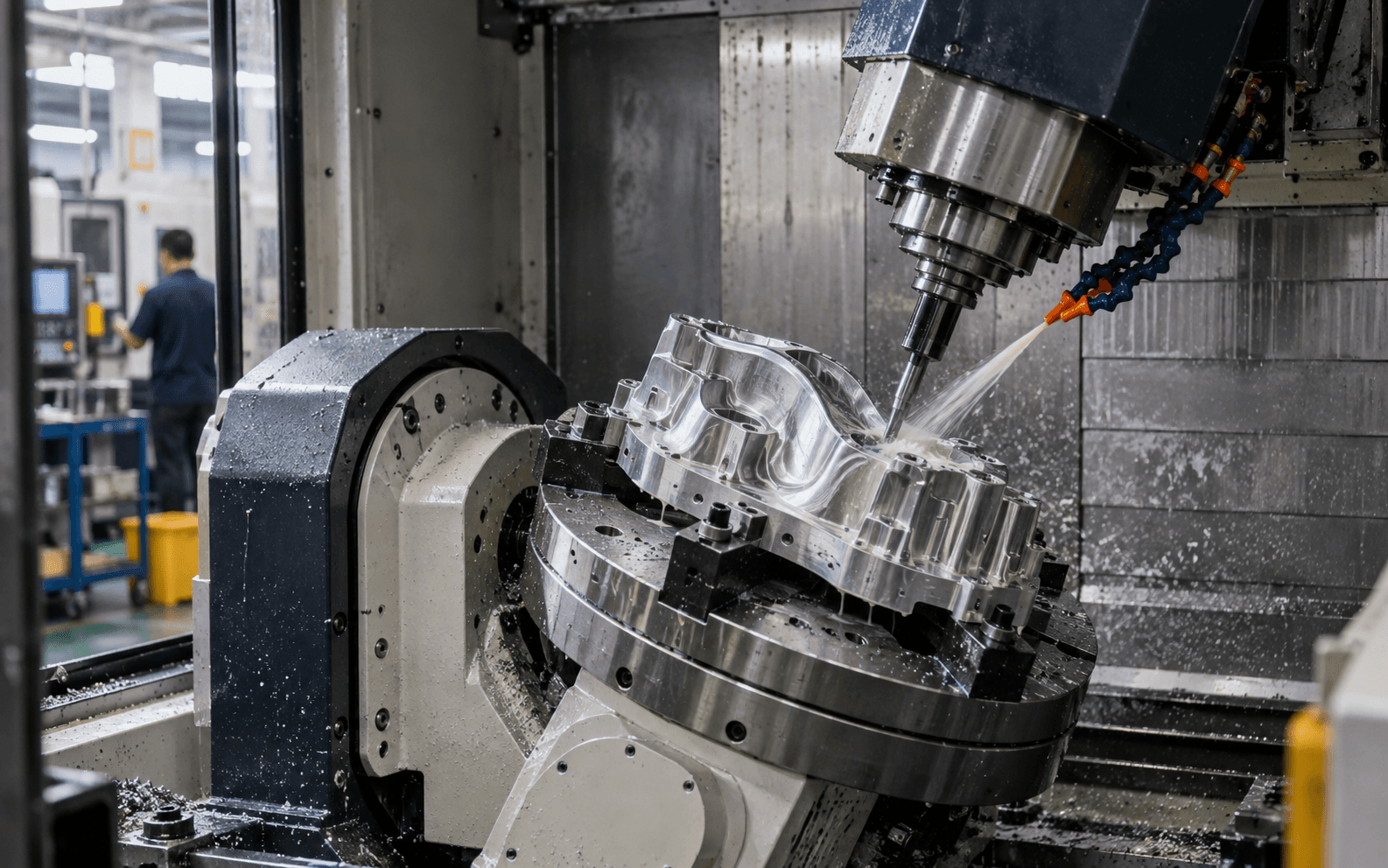
Shenzhen · Bao'anFive-axis machining, including a new 800 mm-travel five-axis centre
Shenzhen · Bao'anCustom screws and fasteners at scale: 120 screw machines, about 1.2 million pieces a day
Shenzhen · LonghuaAutomotive white-body stamping prototypes and full-size show-car models
Shenzhen · Bao'anNew-energy prototypes: battery packs, charger housings, inverters, cooling modules
Shenzhen · GuangmingOpen-hardware maker brand (400+ own boards) that also assembles customers' PCBs
Shenzhen · Bao'anGet 3 quotes
Describe the part once. We send it to up to 3 shops that fit, and they quote you directly.
17 guides
Everything we've written about CNC machining, starting with the basics.
 Start here
How CNC machining works, what it's good (and not good) for, what it costs, and how to get CNC parts made in Shenzhen. Written for first-timers.
→ 01Choosing · 6 min
What "axes" means on a CNC machine, when 5-axis machining is worth paying for, and how to tell from your design which one a shop will use.
 02Cost · 9 min
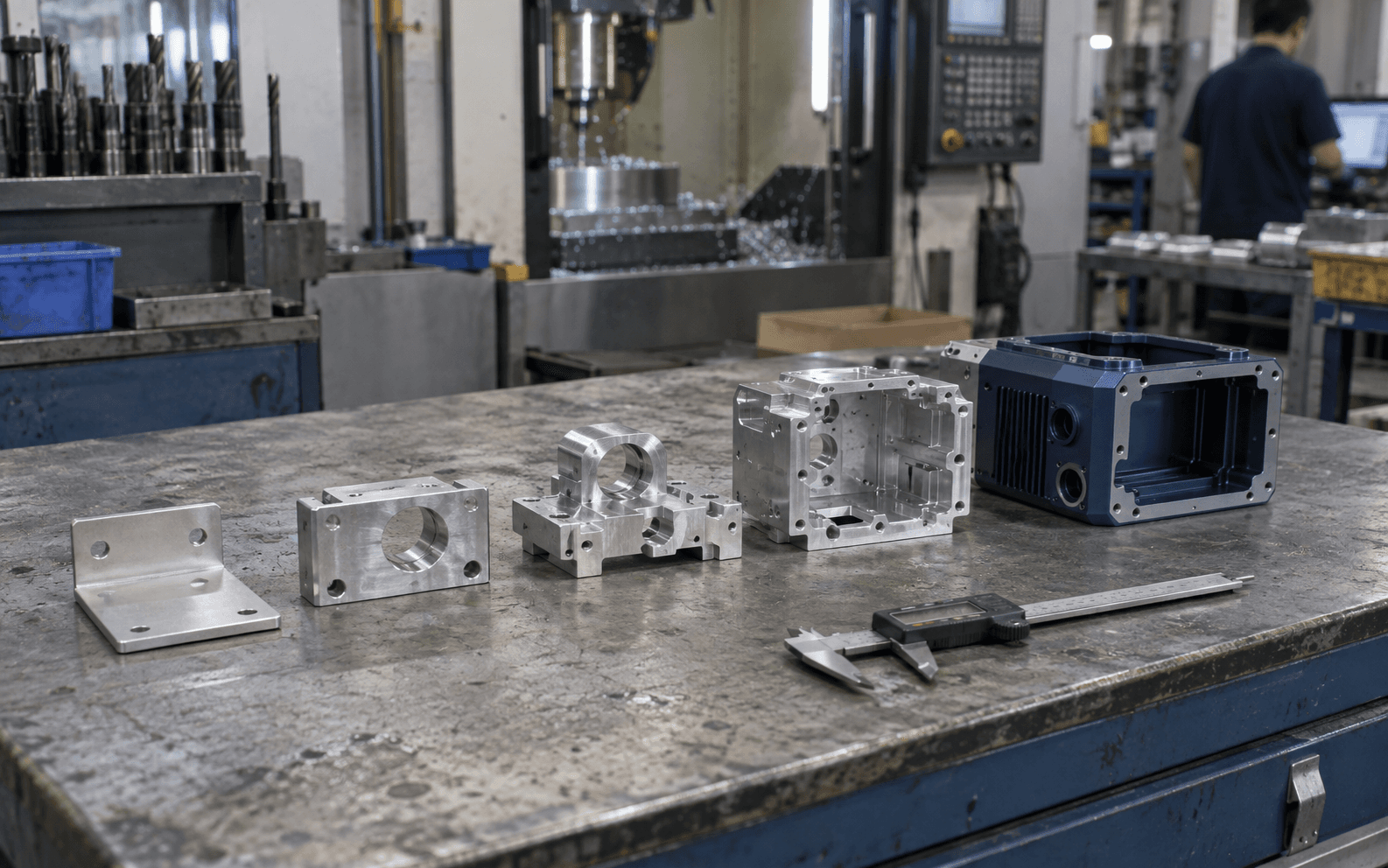
What actually drives the price of a CNC part, rough price ranges for first-timers, and simple design and ordering changes that make quotes cheaper.
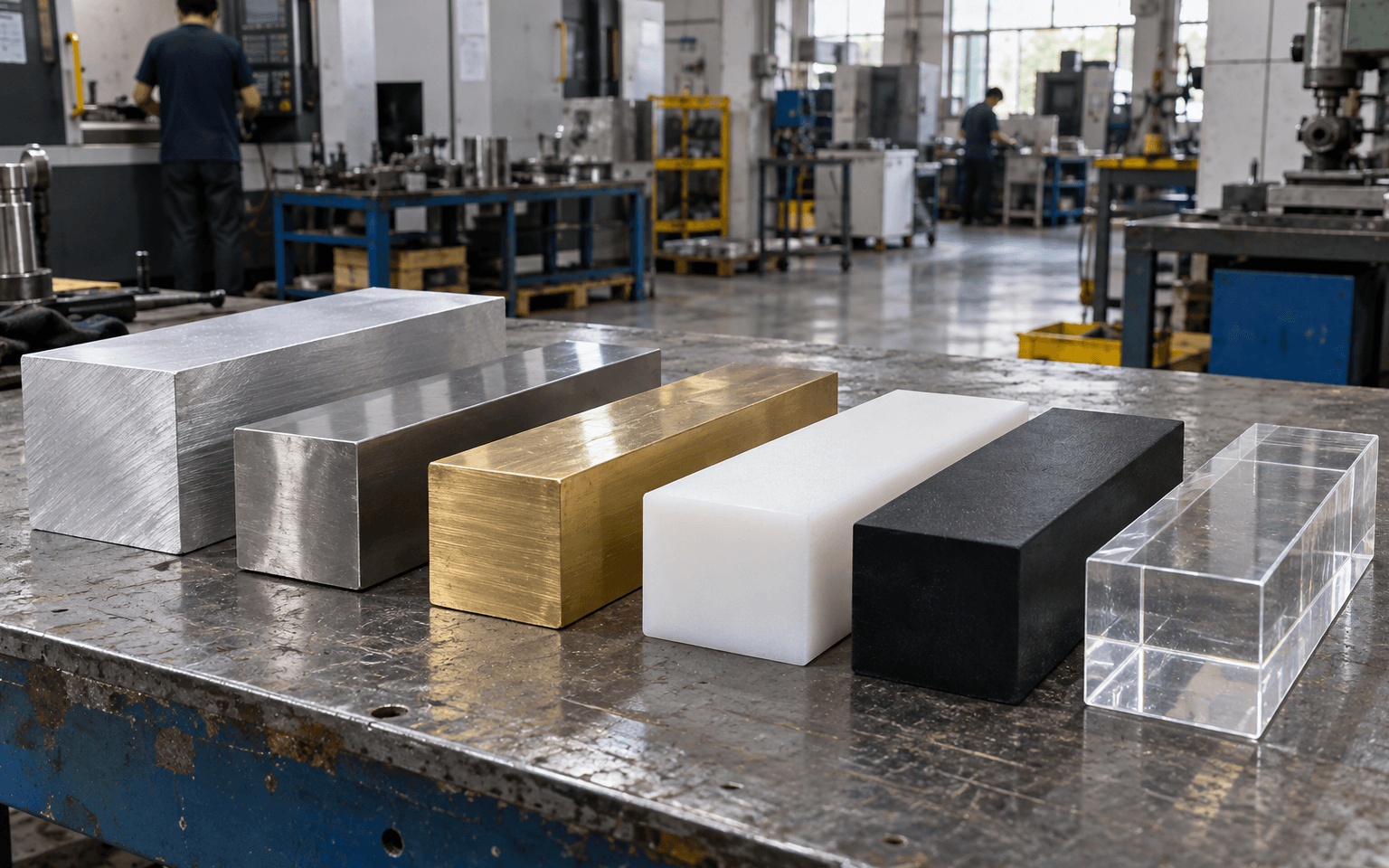 03Design · 8 min
A beginner's guide to the most common CNC materials (aluminum, steel, brass and engineering plastics), what each is good for, and how they affect price.
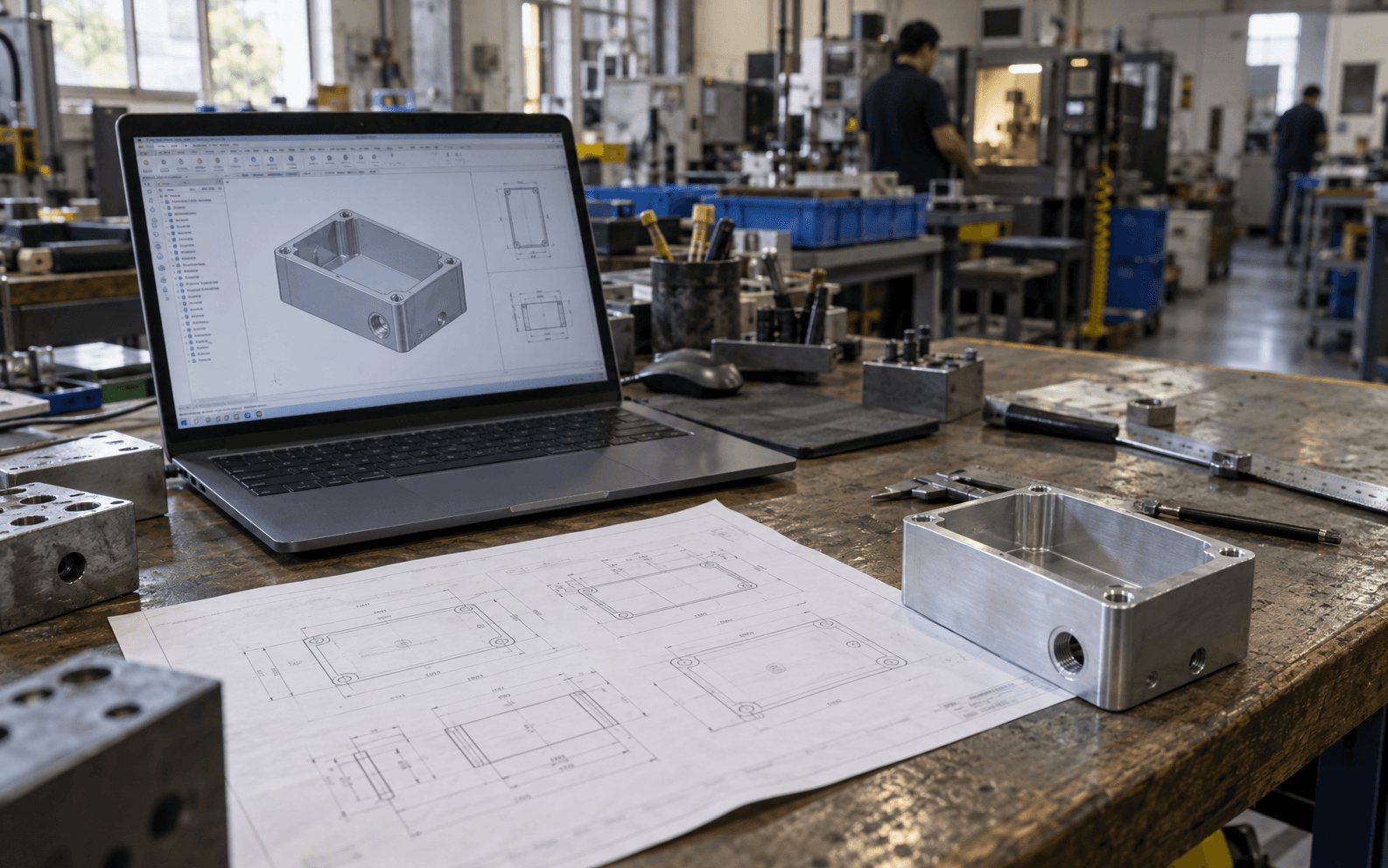 04Design · 8 min
Exactly what to send a CNC shop to get a fast, accurate quote. 3D files, 2D drawings, and the details first-timers forget.
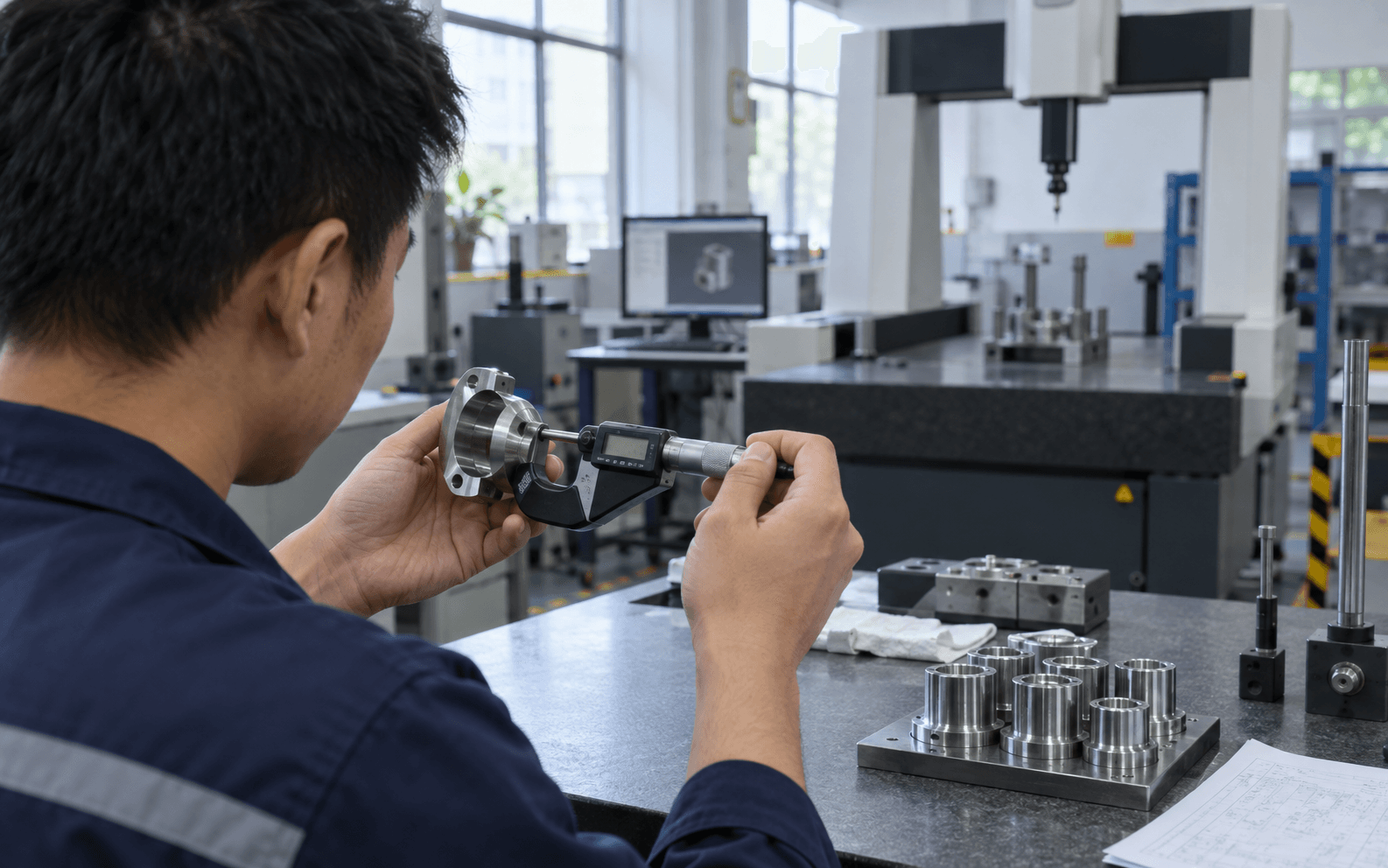 05Design · 7 min
What "±0.05 mm" means, why tighter tolerances cost more, and how to decide which features of your part actually need them.
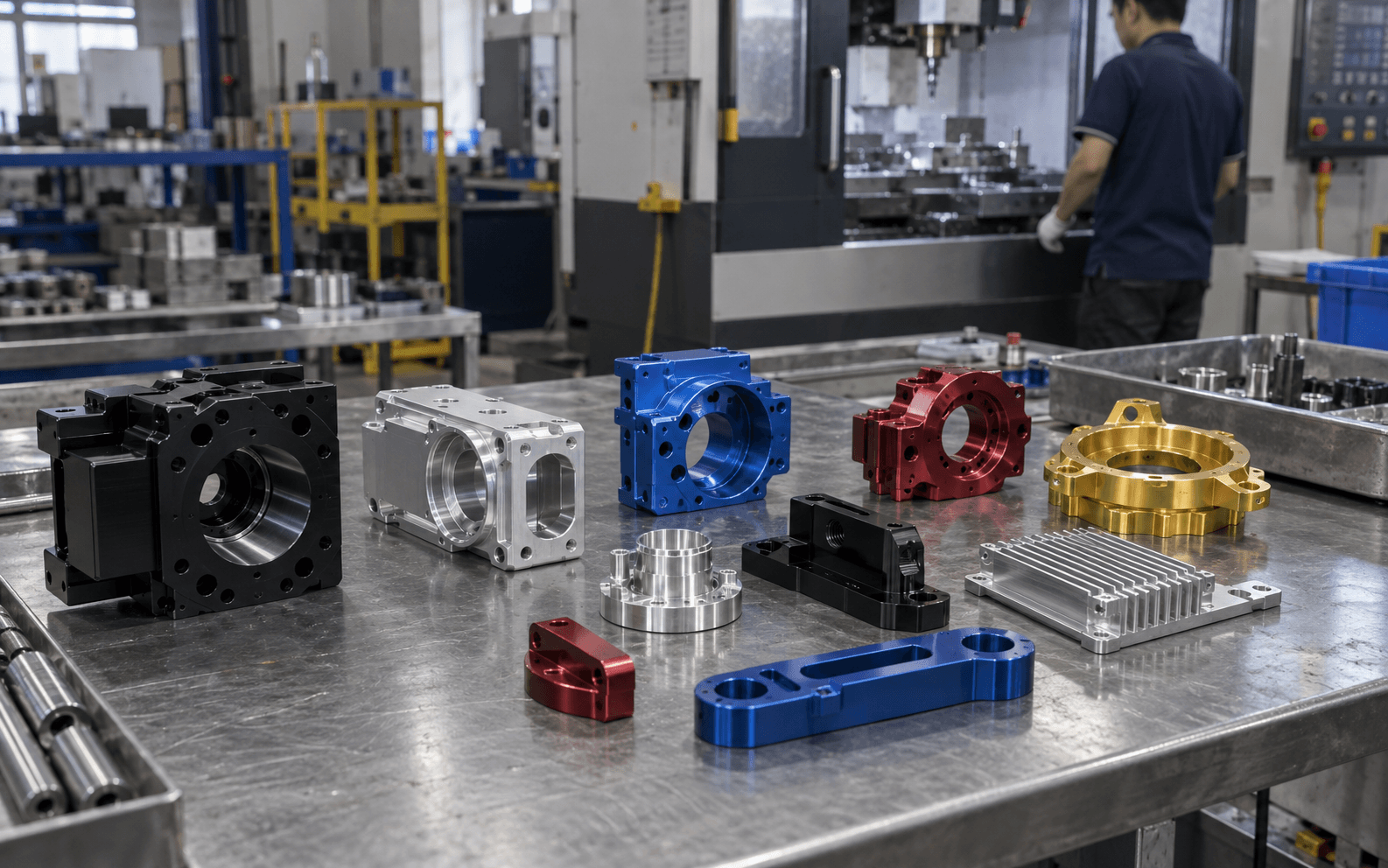 06Basics · 9 min
How anodizing works, why it looks and wears the way it does, the difference between Type II and hard anodizing, and how to order anodized parts in Shenzhen. Written for first-timers.
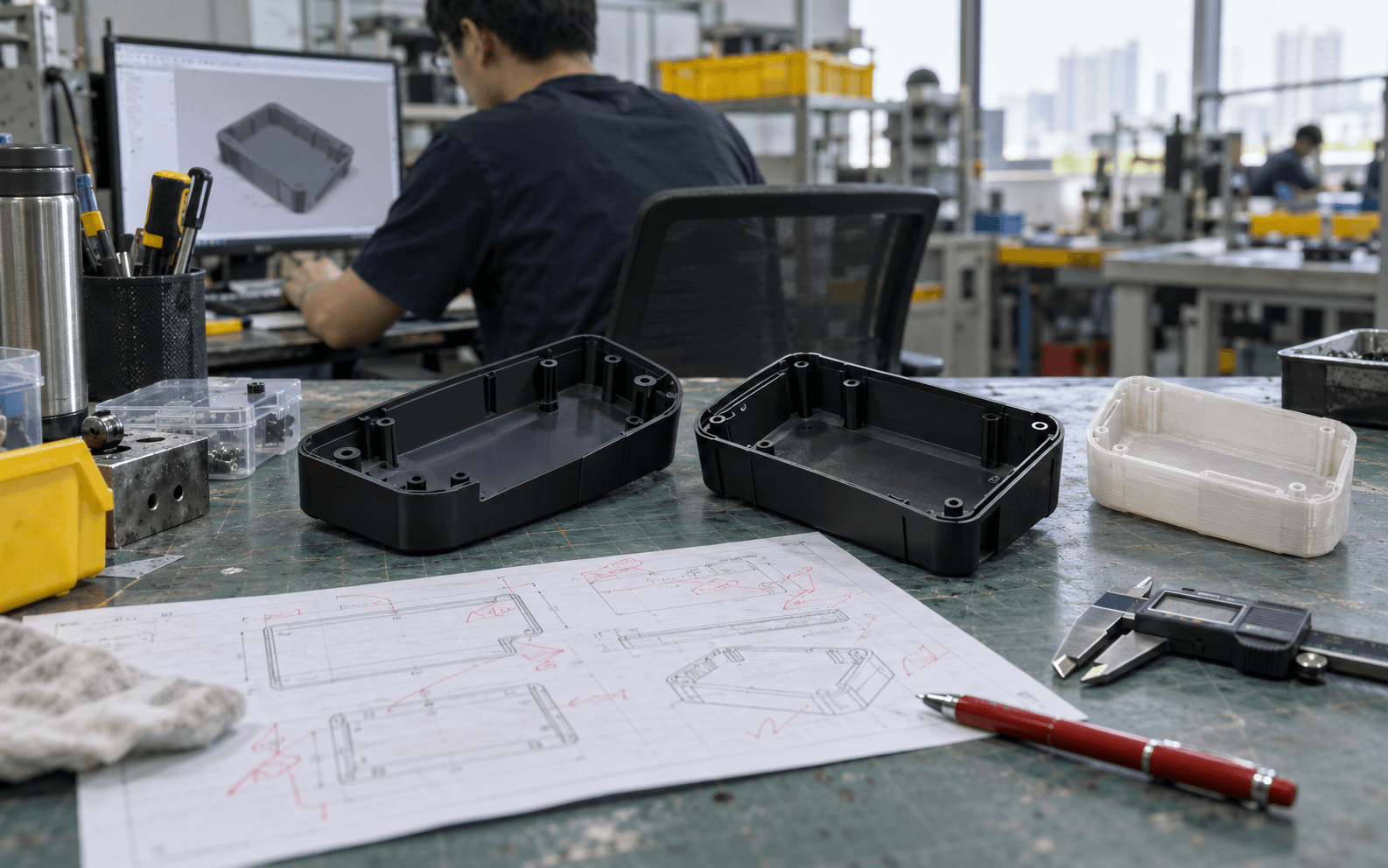 07Design · 9 min
What design for manufacturing (DFM) means, why it decides most of your product's cost, the core rules, when to do a DFM review, and how DFM feedback from Shenzhen suppliers works.
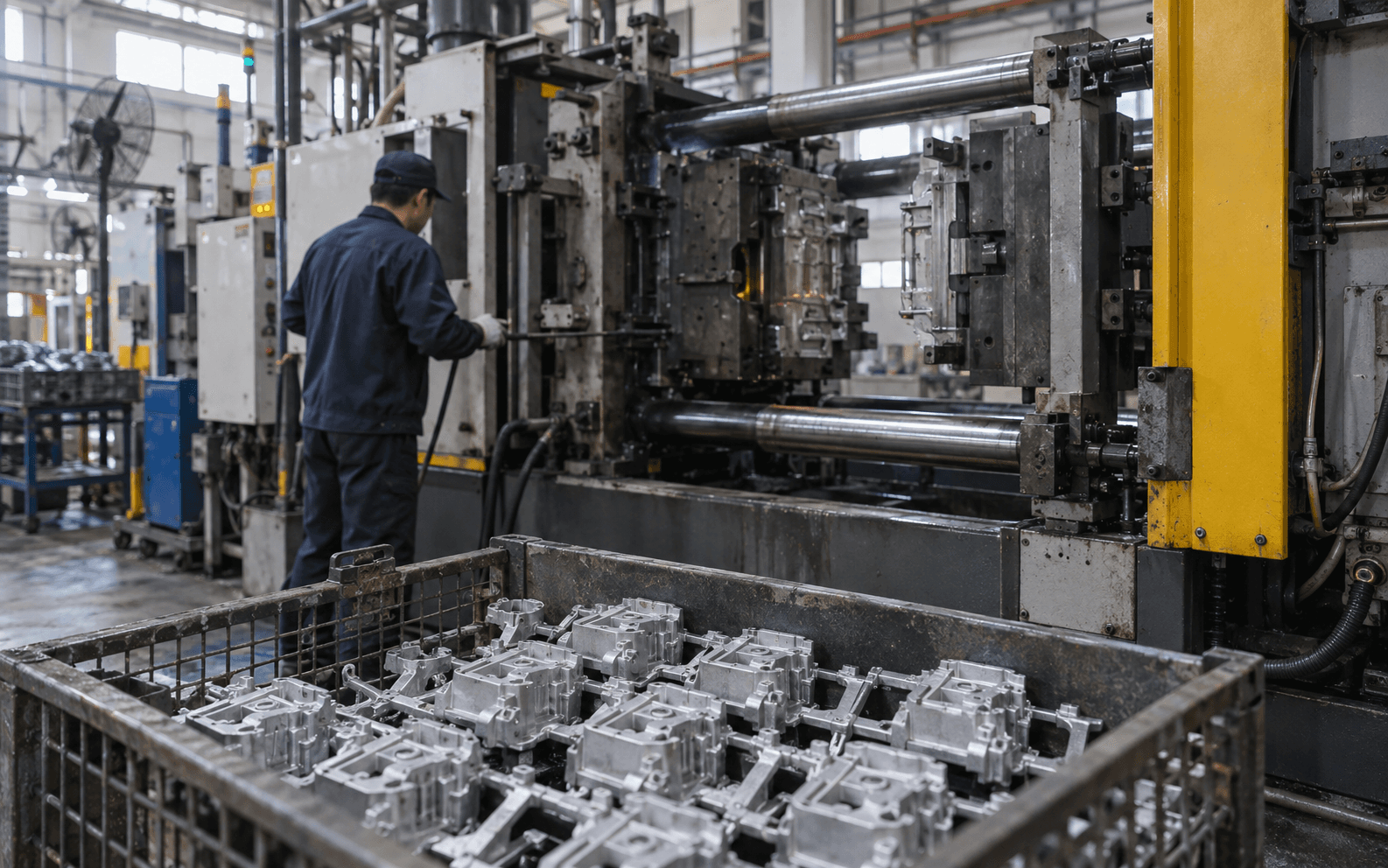 08Basics · 10 min
How die casting works, which metals it uses, what it's good and bad at, what drives the cost, and how to get die-cast parts made in Shenzhen and Dongguan. Written for first-timers.
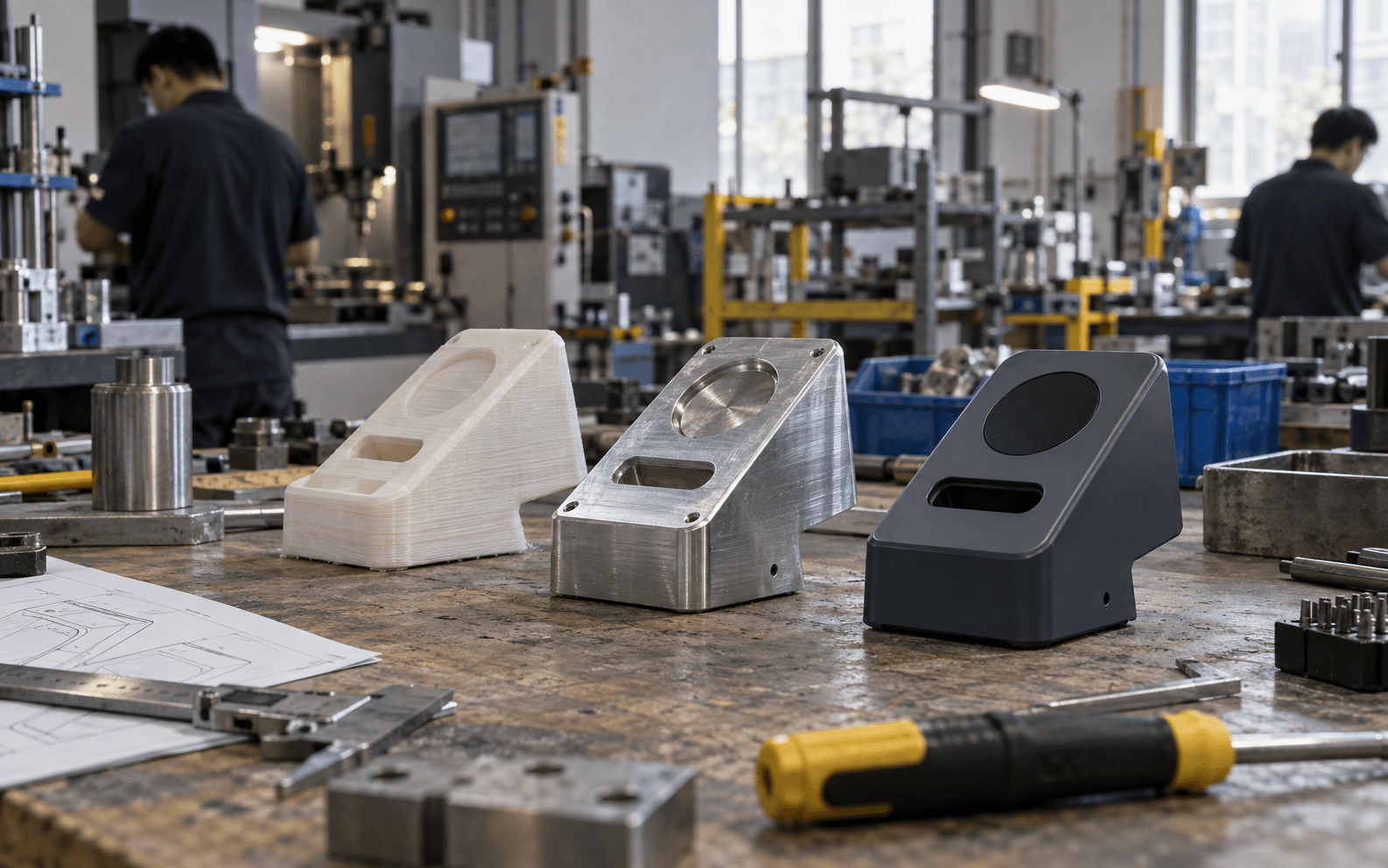 09Basics · 10 min
What rapid prototyping means, the main methods (3D printing, CNC machining, urethane casting), how many rounds to expect, and how Shenzhen's prototype shops work.
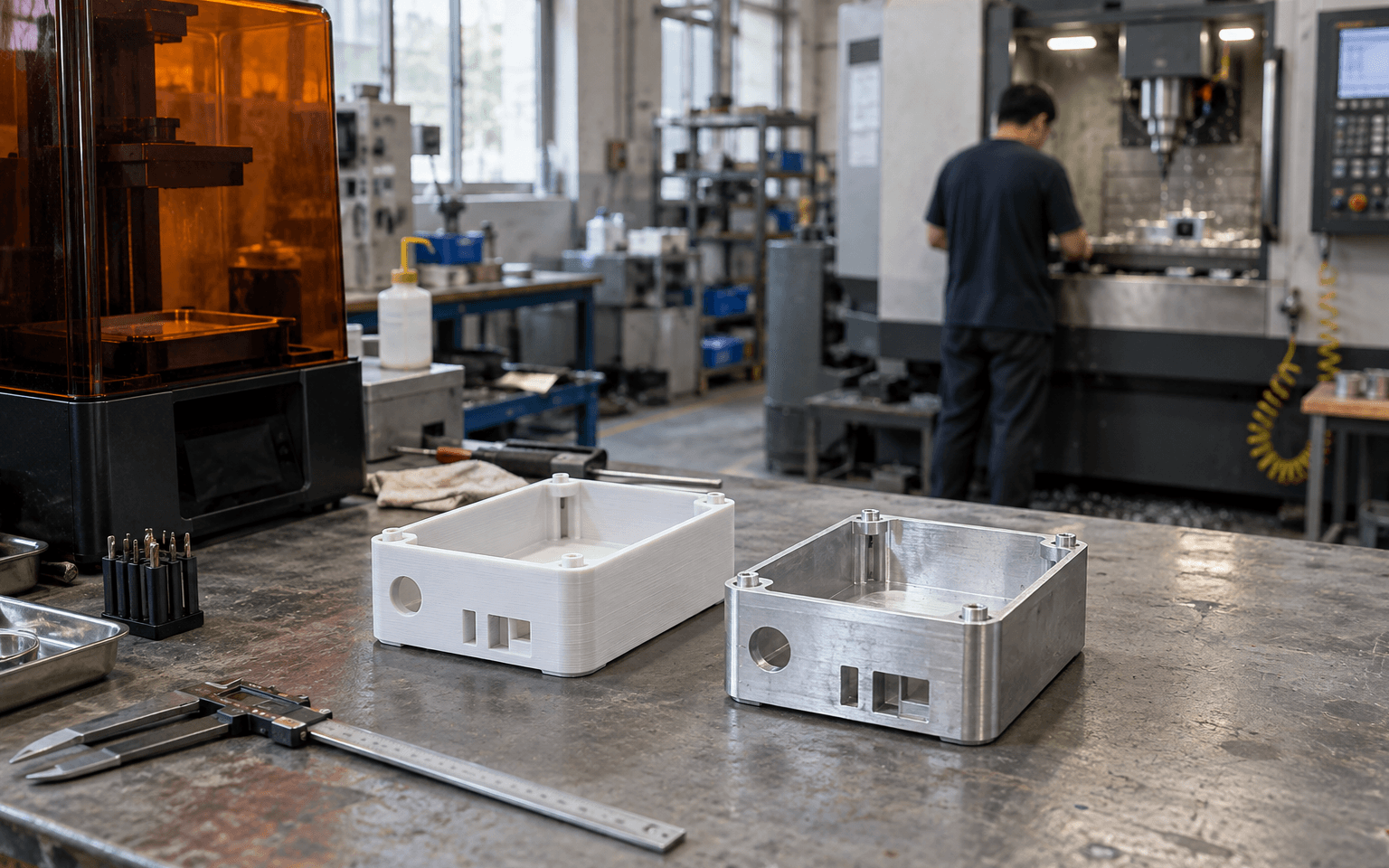 10Choosing · 7 min
Should your prototype be 3D printed or CNC machined? A plain-English comparison of cost, speed, strength, materials, looks and design freedom, with a simple decision guide.
 11Choosing · 8 min
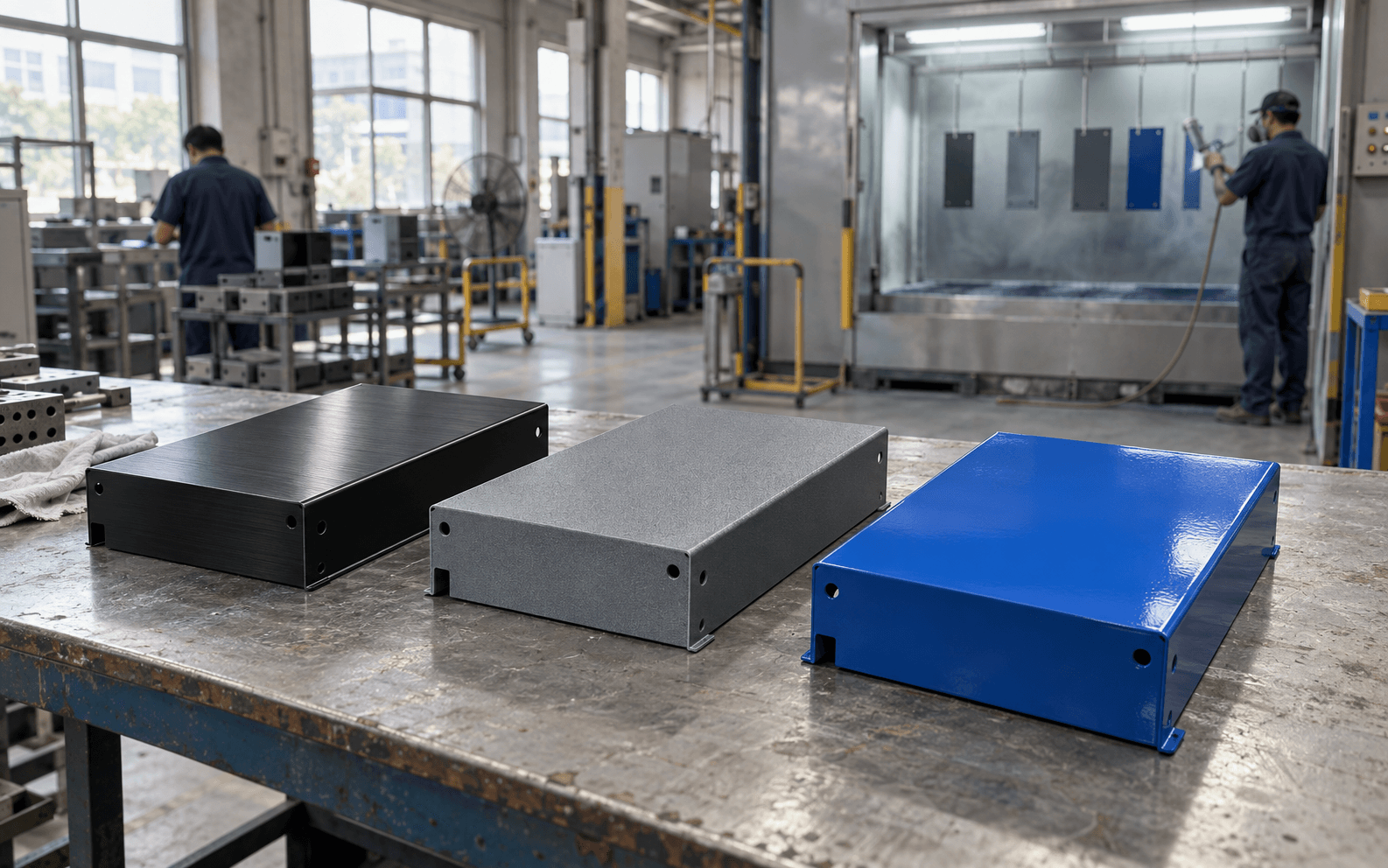
Three common ways to finish a part, compared in plain words. What each one is, which materials it works on, how it looks and wears, and how to choose for your product.
 12Choosing · 7 min
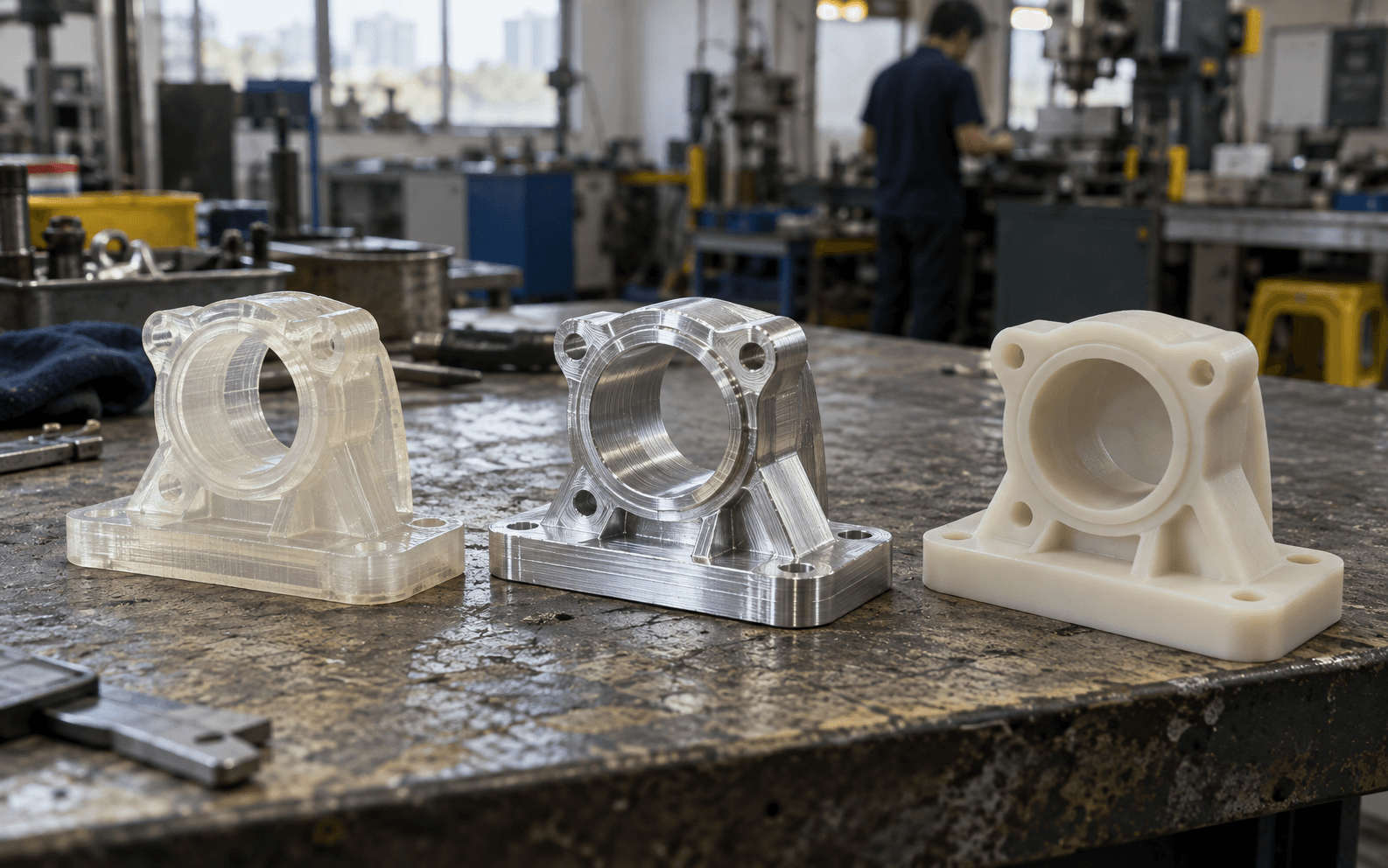
A simple comparison of the three main prototyping methods by speed, cost, strength, look and quantity, plus a quick way to pick the right one for each part.
 13Choosing · 7 min
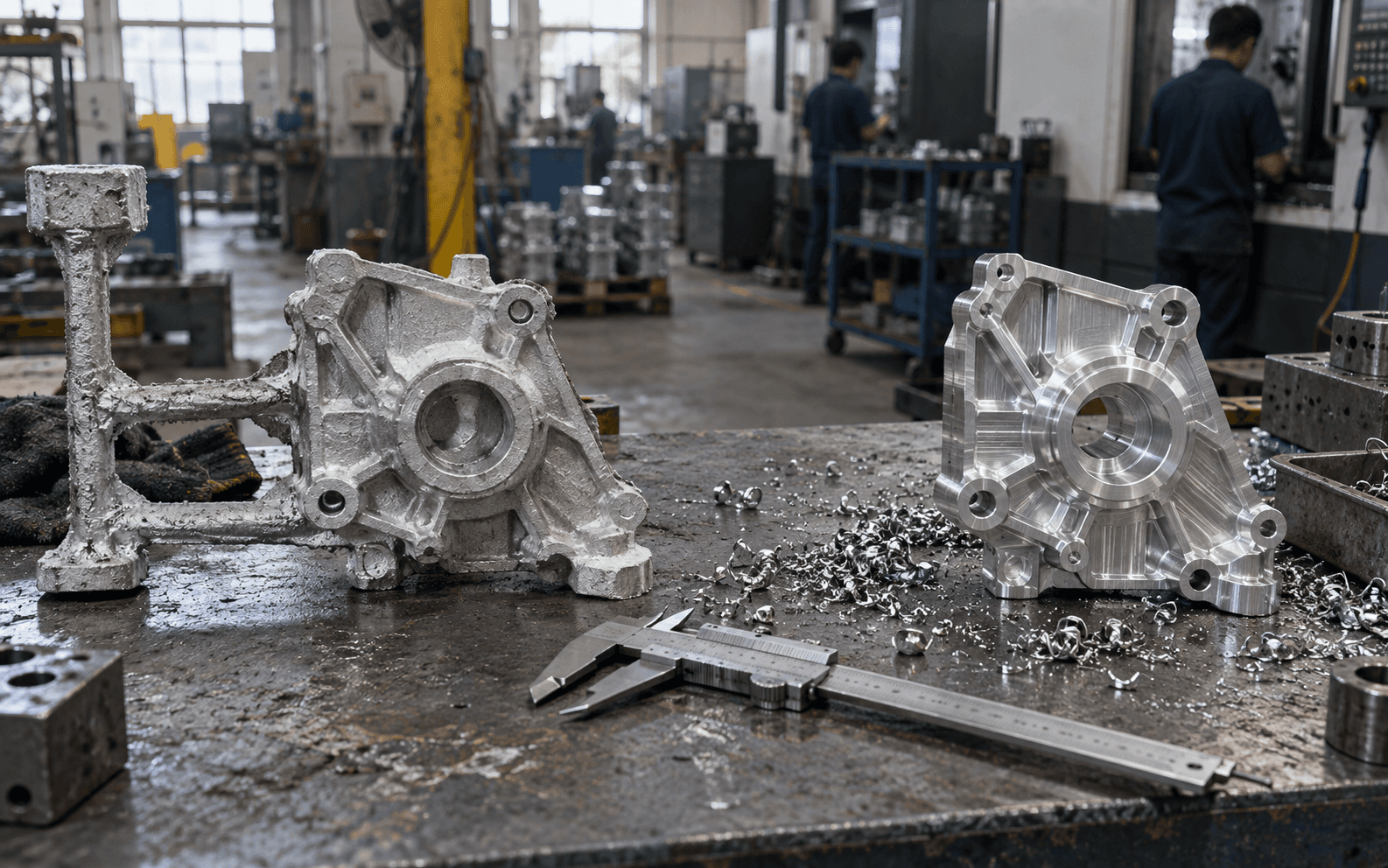
When should a metal part be CNC machined, and when is it worth paying for a die-casting tool? A plain-English comparison of cost, quantity, quality and finish, with a simple break-even method.
 14Design · 8 min
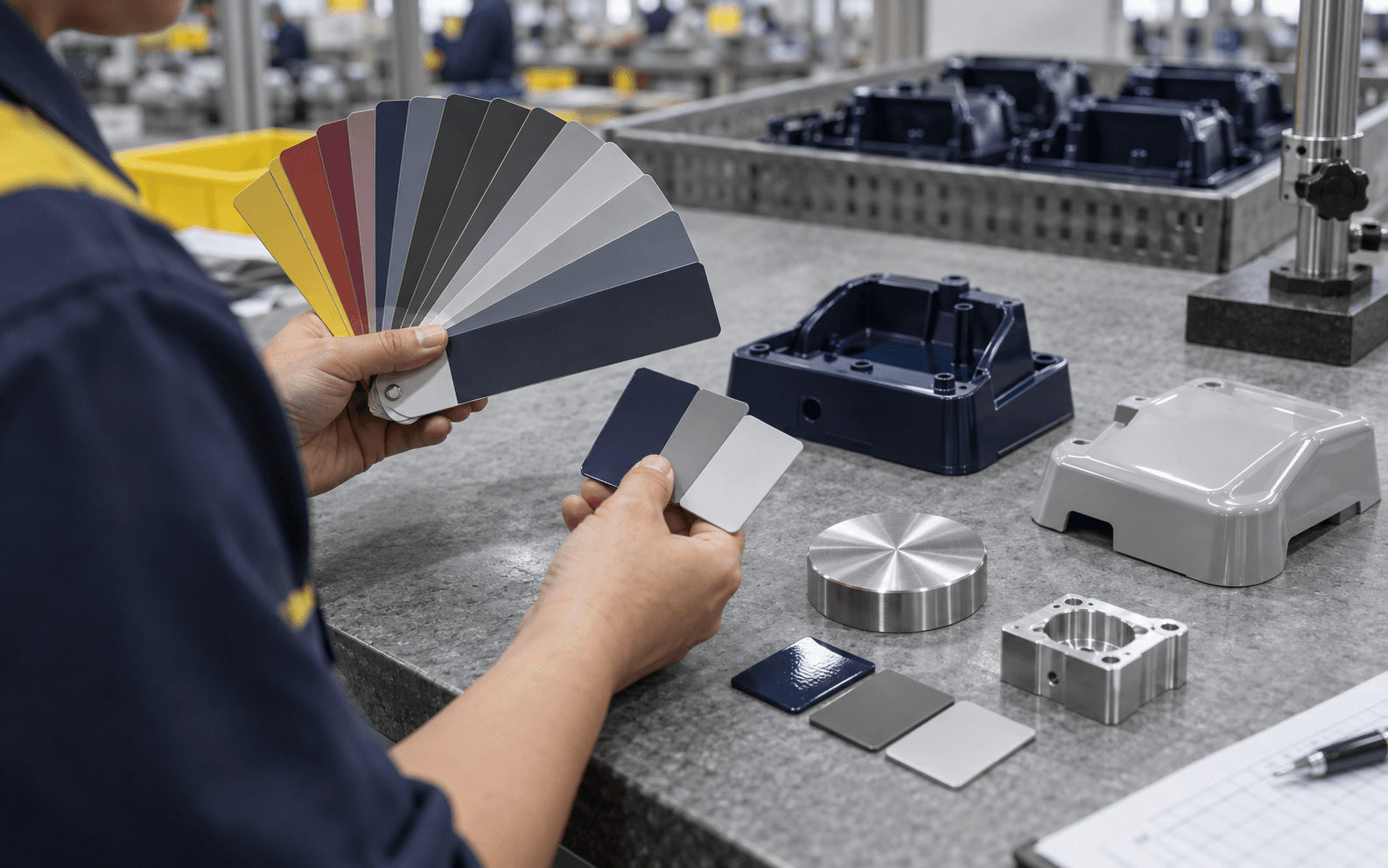
How to tell a factory exactly what colour, gloss and texture you want, using colour codes, physical samples, texture standards and a simple written spec. For first-time hardware teams.
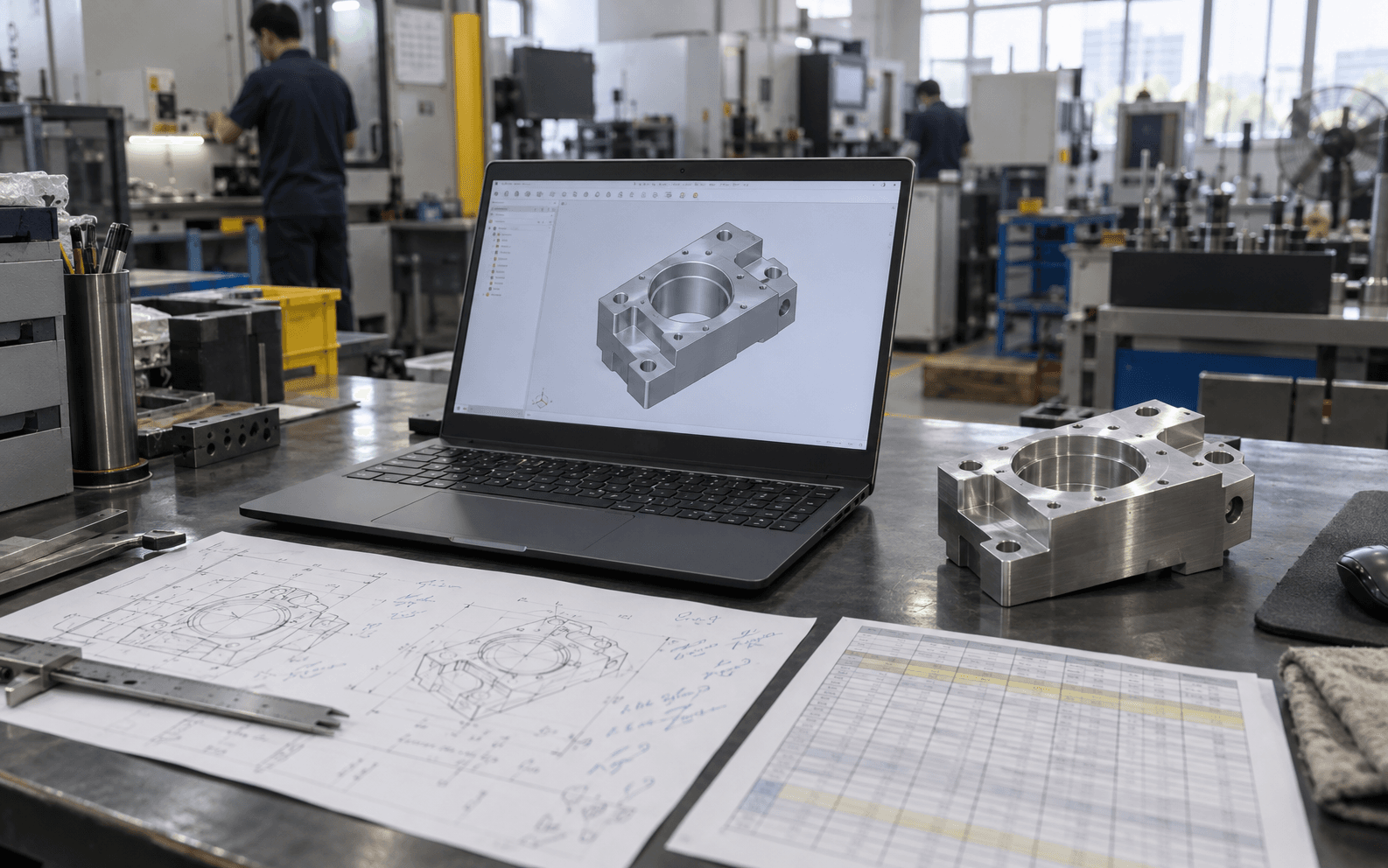 15Choosing · 8 min
What a request for quotation (RFQ) is, what to put in it, and how to write one that gets clear, comparable quotes from Shenzhen suppliers. With a checklist you can copy.
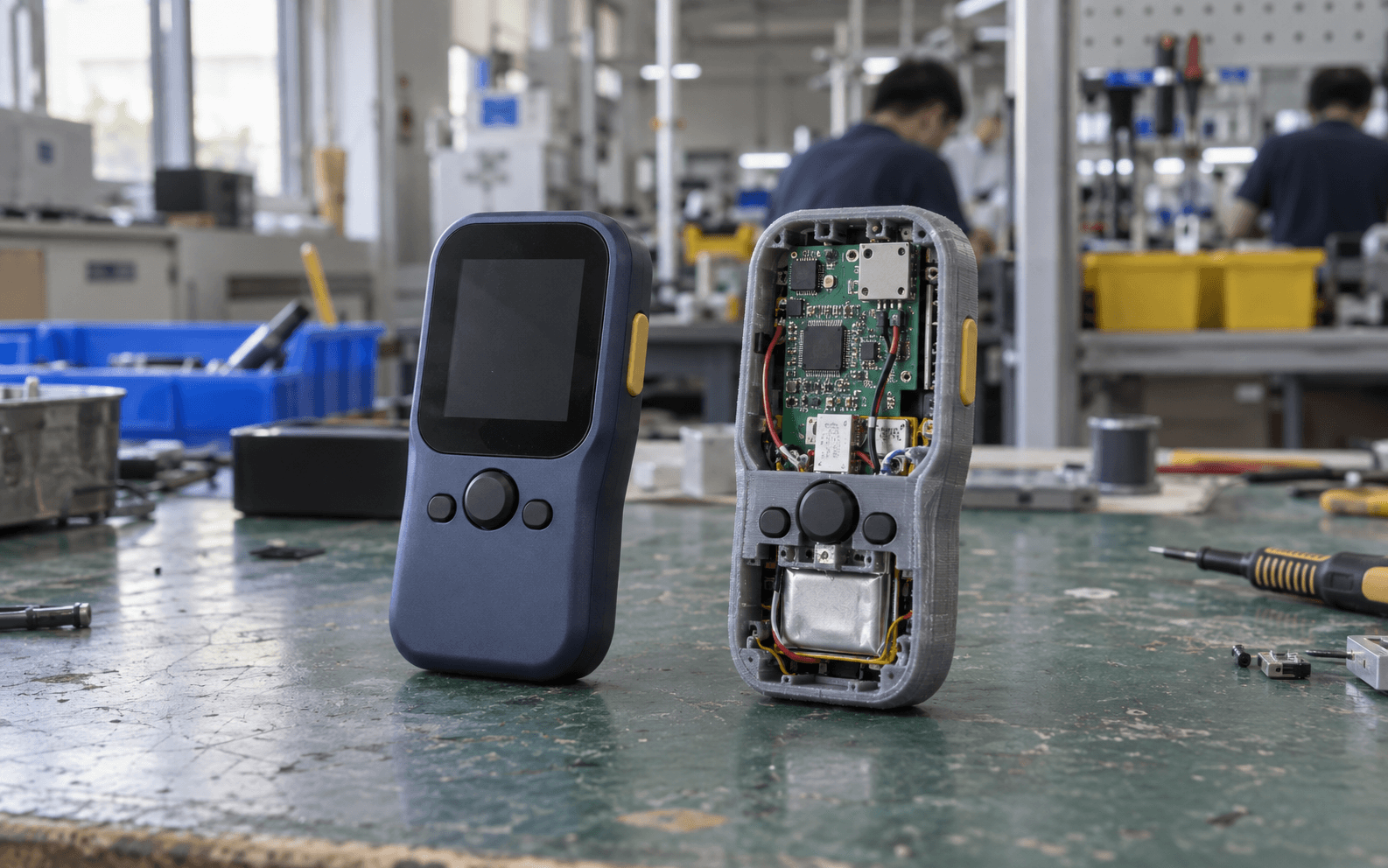 16Basics · 6 min
Why most hardware teams build two different kinds of prototype, what each one is for, and when to combine them into a single "looks-like, works-like" build.
Many quote ±0.05 mm as standard and tighter on request. Confirm on the drawing and ask for an inspection report.
Only for complex geometry or to reduce setups. Most enclosures and brackets are 3-axis.