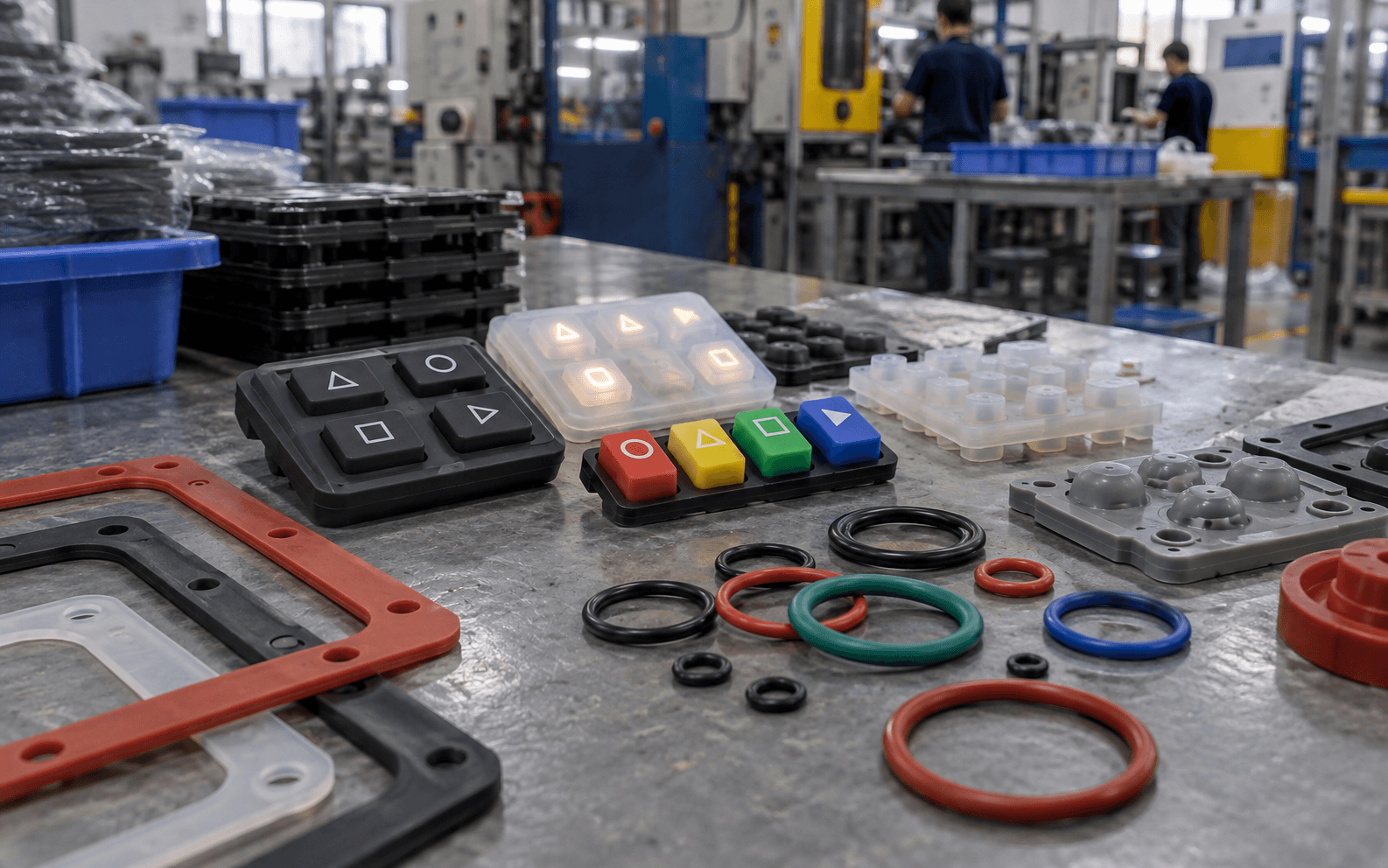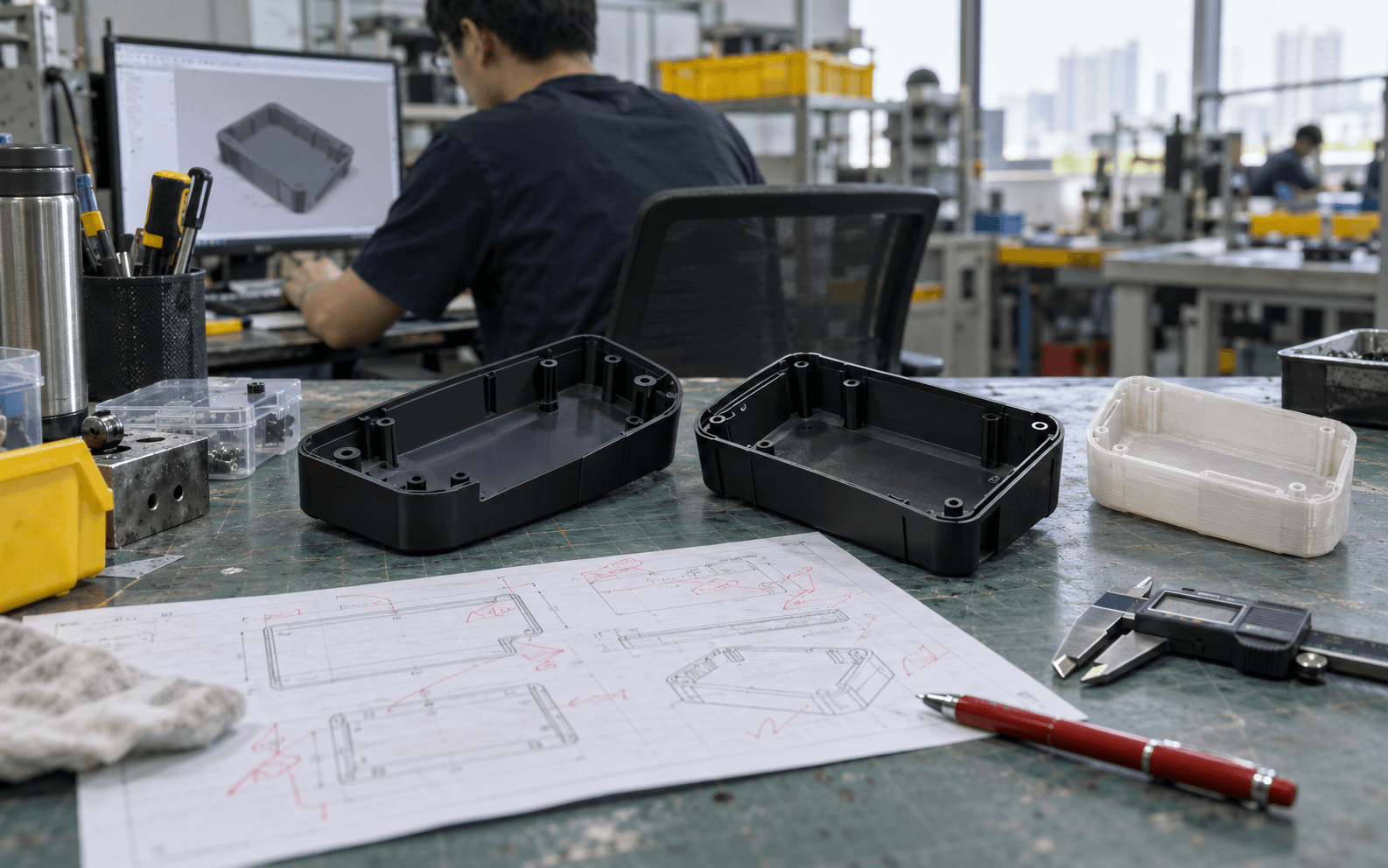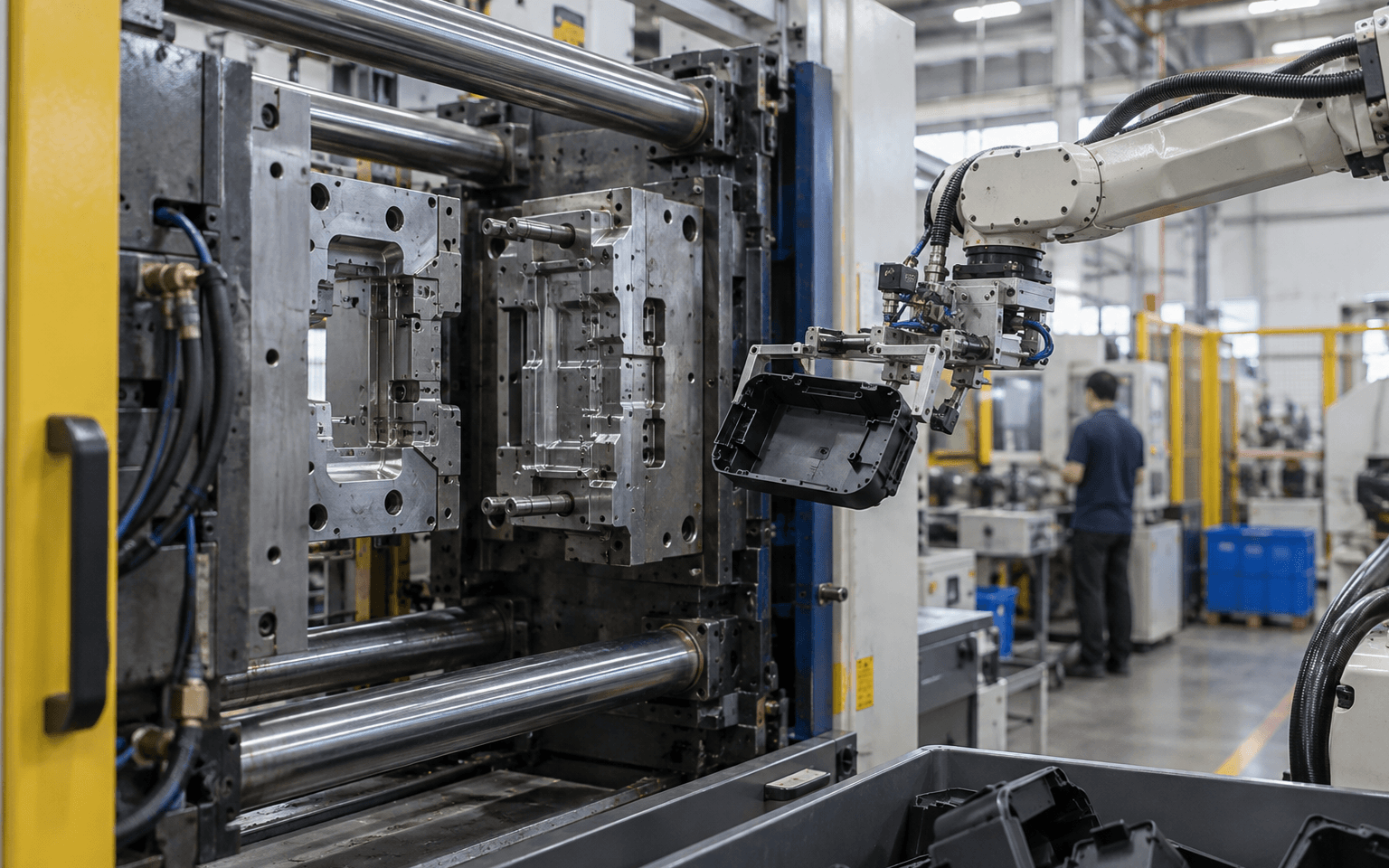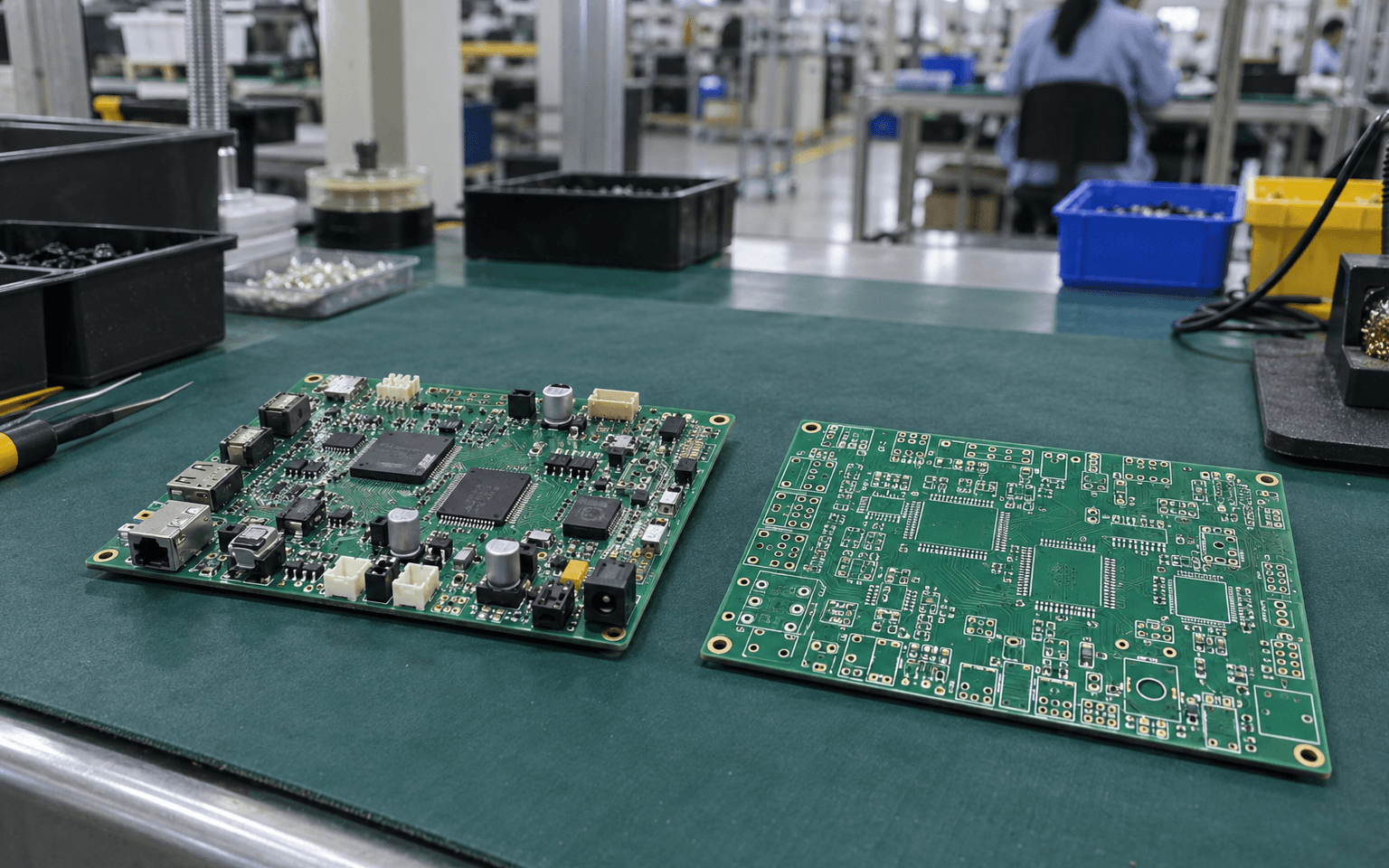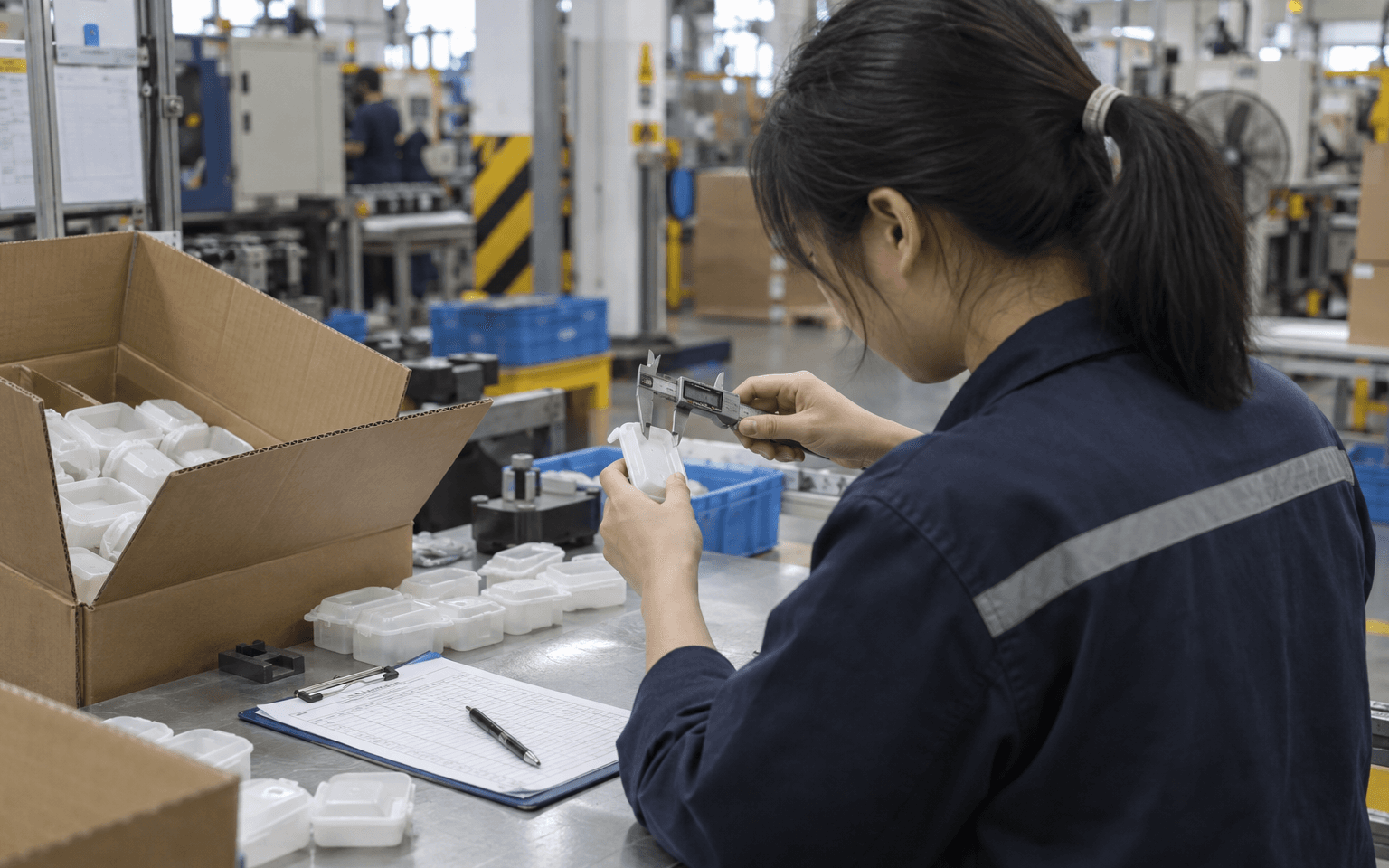
Your factory says the order is finished and ready to ship. Before you pay the balance and the goods leave Shenzhen, how do you know they're right? Once the cartons arrive in another country, fixing problems becomes slow and expensive.
This is what quality inspection is for. This guide explains the common types of inspection, how the AQL sampling system works in plain words, and how to get a useful report.
What a quality inspection is
A quality inspection is a check of your products against your requirements, done by someone other than the production line itself: your own staff, the factory's QC team, or an independent third-party inspection company. In Chinese, inspection of goods is 验货 (yàn huò).
It's different from a factory audit (验厂), which assesses the factory's systems and capabilities rather than a specific batch of goods. See How to choose a factory in China.
When to inspect
There are several common inspection points:
- Initial production check (sometimes called IPC or pre-production inspection): checks materials, components and the first units before or just after production starts. Catches problems while they're cheap to fix.
- During production inspection (DUPRO): a check part-way through production, often when a portion of units is done.
- Pre-shipment inspection (PSI): the most common one. Done when production is complete (or nearly) and most goods are packed. The inspector picks samples at random from the finished cartons.
- Container loading check: watches the goods being loaded, checks carton counts and condition.
For first orders, many teams use at least a pre-shipment inspection. For new or complex products, adding an early check often saves more money than it costs.
Why inspectors check a sample, not everything
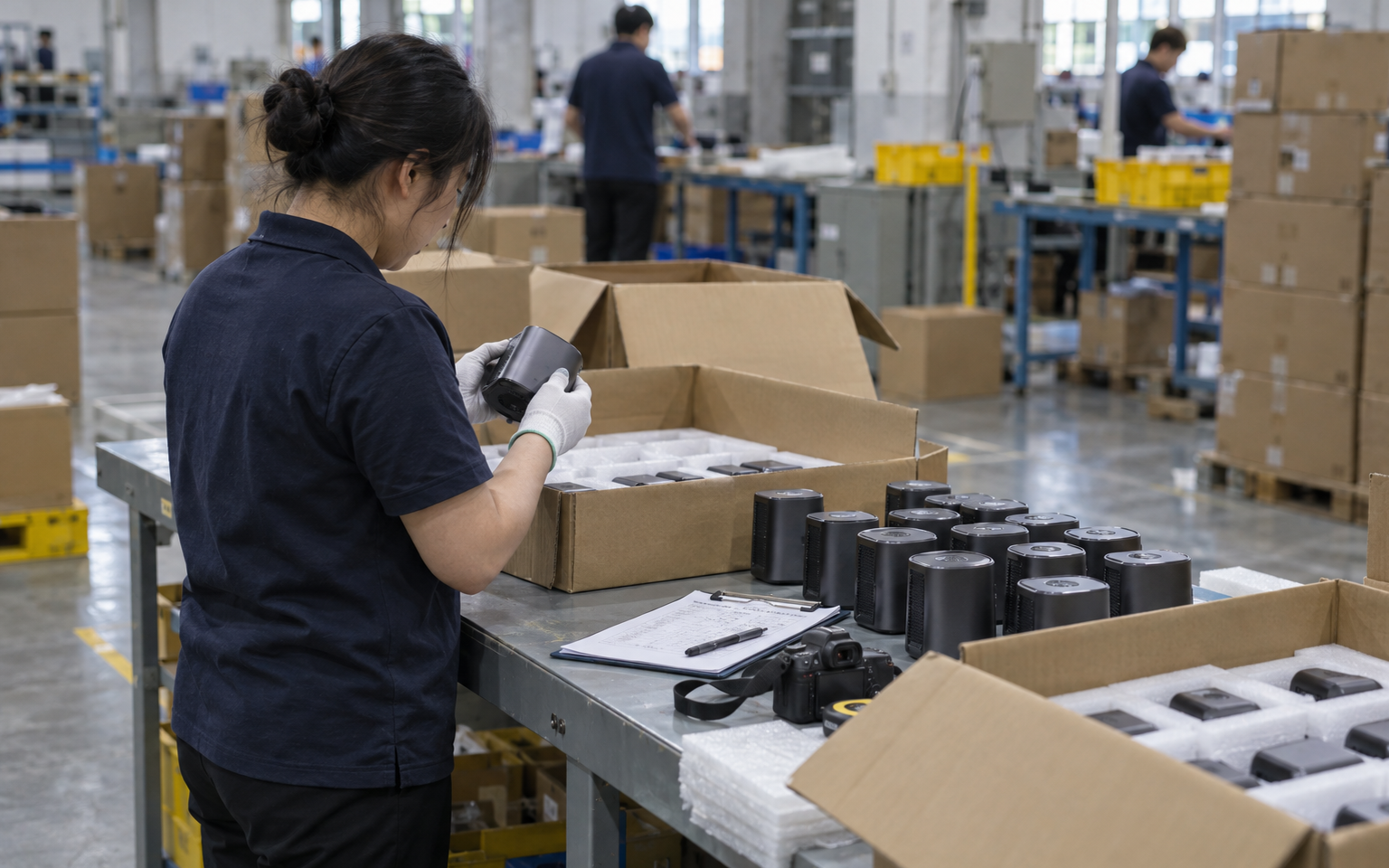
Checking every single unit (100% inspection) is slow and expensive, and for some tests (like opening sealed packaging) impossible. So inspectors check a random sample, and use statistics to decide whether the whole batch (the lot) should pass.
An analogy: a chef tastes a spoonful to judge a whole pot of soup. The trick is taking enough spoonfuls, from the right places, to be reasonably confident.
AQL in plain words
AQL stands for Acceptance Quality Limit (older documents say "Acceptable Quality Level"). It's a way of setting:
- How many units to check (the sample size), based on how many units are in the lot, and
- How many defects are allowed in that sample before the lot fails.
AQL sampling tables come from standards such as ISO 2859-1 (the ANSI/ASQ Z1.4 standard is similar). Inspection companies use them every day, so you don't need to do the maths, but it helps to understand the idea.
Defect classes
Defects are usually sorted into three levels:
- Critical: could make the product unsafe or illegal (for example, exposed live wires, sharp edges on a children's product). Often set to zero allowed.
- Major: likely to make the product fail or be returned (it doesn't turn on, a part is missing, a visible crack).
- Minor: a small flaw that probably won't cause a return (a small scratch on a hidden surface).
Each class gets its own AQL number. A lower number is stricter. A common setting for consumer products is 0 for critical, 2.5 for major and 4.0 for minor, but you choose what fits your product and customers.
A worked example
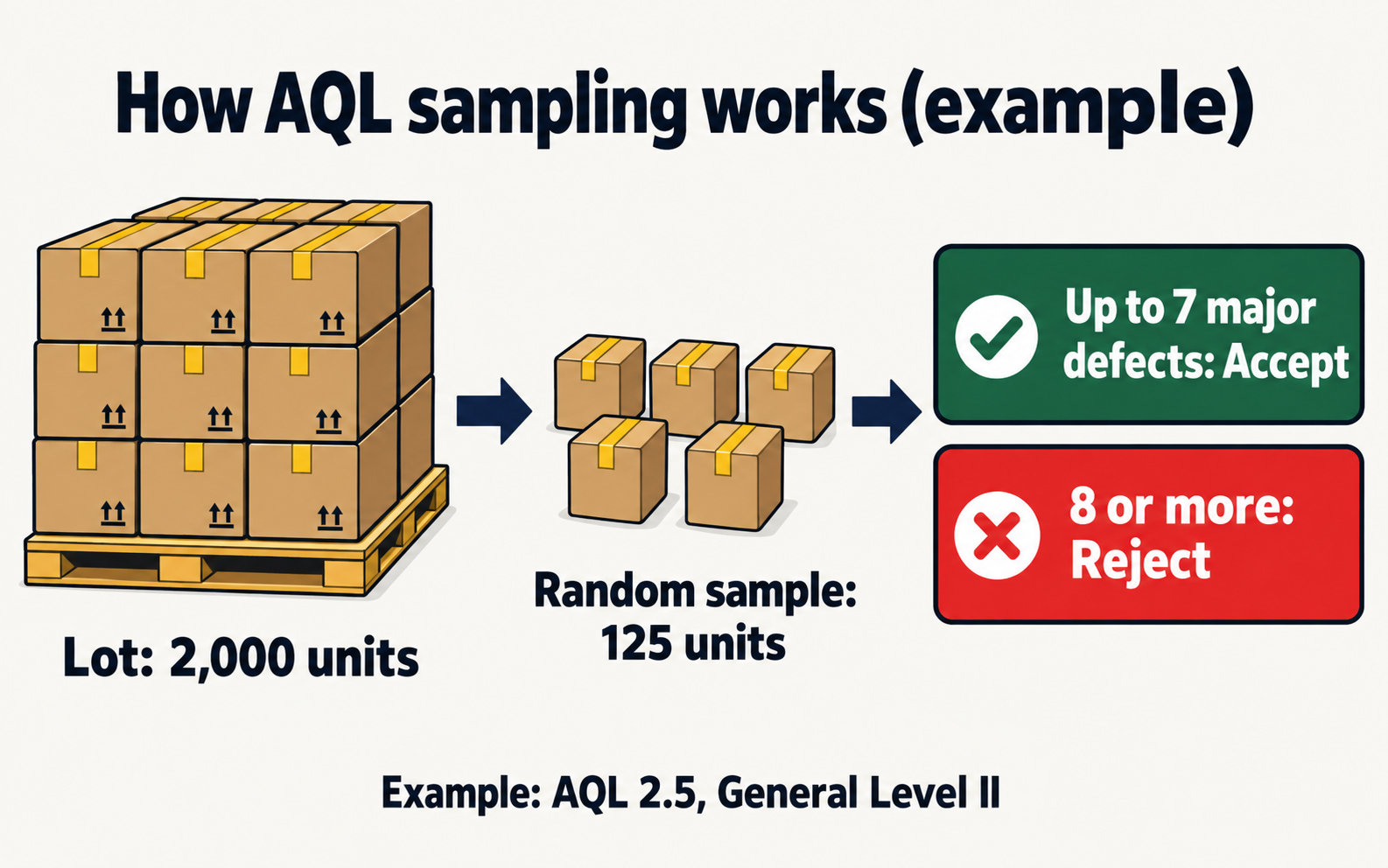
Say your lot is 2,000 units, you use the common General Inspection Level II, and AQL 2.5 for major defects. In the ISO 2859-1 single-sampling tables, a lot of that size uses a sample of 125 units. At AQL 2.5, the lot is accepted with up to 7 major defects in the sample and rejected at 8 or more.
This is an illustration of how to read the table. Always use the current version of the standard or your inspection company's table for real orders.
What AQL does not mean: passing at AQL 2.5 doesn't guarantee that exactly 2.5% or fewer of the whole lot is defective. It's a sampling plan that gives reasonable confidence, not a promise. Defects found in the sample should still be reworked or replaced.
What an inspector checks
A typical pre-shipment inspection covers:
- Quantity: the right number of units and cartons are ready.
- Appearance: scratches, dents, colour, printing, assembly gaps, compared with your golden sample (金样).
- Dimensions and weight of key features.
- Function tests: does it power on, charge, connect, and do the buttons work?
- Specific tests you request, such as a drop test of the packed carton, a barcode scan, or a simple safety check.
- Packaging and labelling: correct box, inserts, manuals, labels, carton marks.
The inspector writes a report with photos, the defects found, and a pass / fail / pending result.
How to prepare so the report is useful
An inspector can only check what you tell them to check. Give them:
- A signed golden sample or clear reference photos. See How to specify colour and finish.
- A checklist: what to measure, which functions to test, and how.
- Defect definitions: what counts as critical, major and minor for your product. For example: "any scratch on the front face longer than 1 mm = major".
- The AQL levels you want.
- Packaging and labelling requirements.
Agree the checklist and AQL with your factory before production, ideally in your purchase order. Then nobody is surprised by the rules at the end.
If the inspection fails
A failed report isn't the end of the world; it's the system working. Common next steps:
- The factory sorts and reworks the lot (checks every unit and fixes or replaces defects).
- A re-inspection is booked. Agree in advance who pays for it; often it's the factory when the failure is theirs.
- You decide whether to accept with a discount, delay shipment, or reject.
Keep the payment of the final balance linked to a passed inspection where possible. It gives everyone a clear reason to get it right.
Who does inspections
- Your own team, if you're in Shenzhen.
- The factory's QC department. Useful, but not independent.
- Third-party inspection companies, which send an inspector to the factory, usually charged per inspector per day (a man-day). You can find them in the directory.
The directory lists companies based on public information; it doesn't verify or rank them, so check their sample reports and scope before booking.
Keep reading
- How to choose a factory in China
- Shipping from Shenzhen: sea vs air
- EVT, DVT, PVT explained
- How to specify colour and finish
Next steps
- Find QC and inspection companies in the directory
- Read the contract manufacturing hub
- See the Quality stage of the Path
- Glossary: 验货 inspection, 金样 golden sample, 良率 yield
- Not sure where to start? Get an intro
Updated 29 September 2026