Foreign-owned, foreign-managed factory (Sofeast group) with English-speaking staff in every department
Dongguan · Chang'anPR-11 · Process hubs
PCB assembly (SMT/PCBA) PCBA贴片

- Typical lead time (how long it takes)
- 3–10 days for small batches, after parts arrive
- Typical cost
- Setup (stencil, programming) plus per-board placement cost plus components
- Minimum order (MOQ: the smallest order a shop will accept)
- From 1–5 boards at many shops
- Best for
- Prototype to production electronics
What is it?
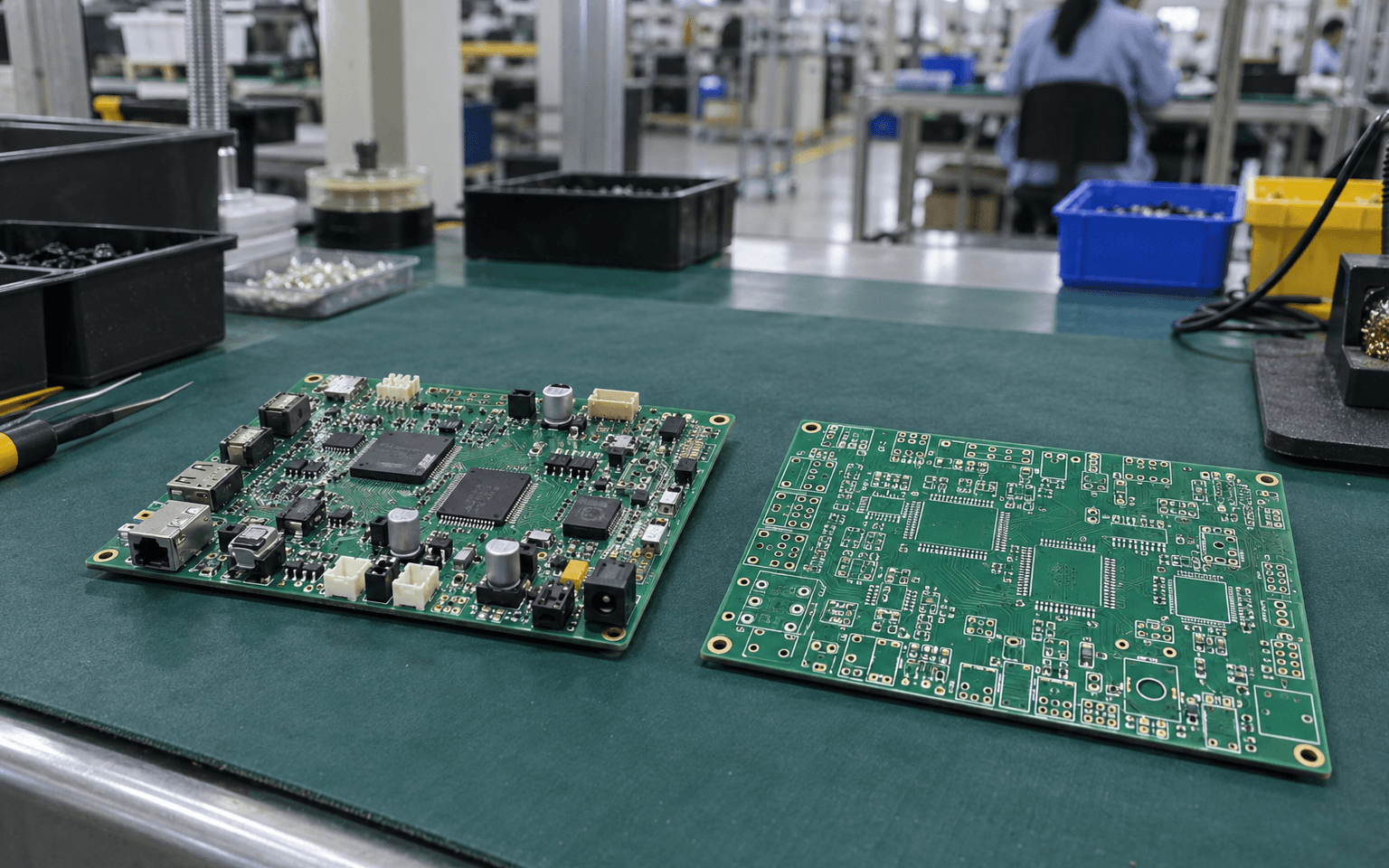
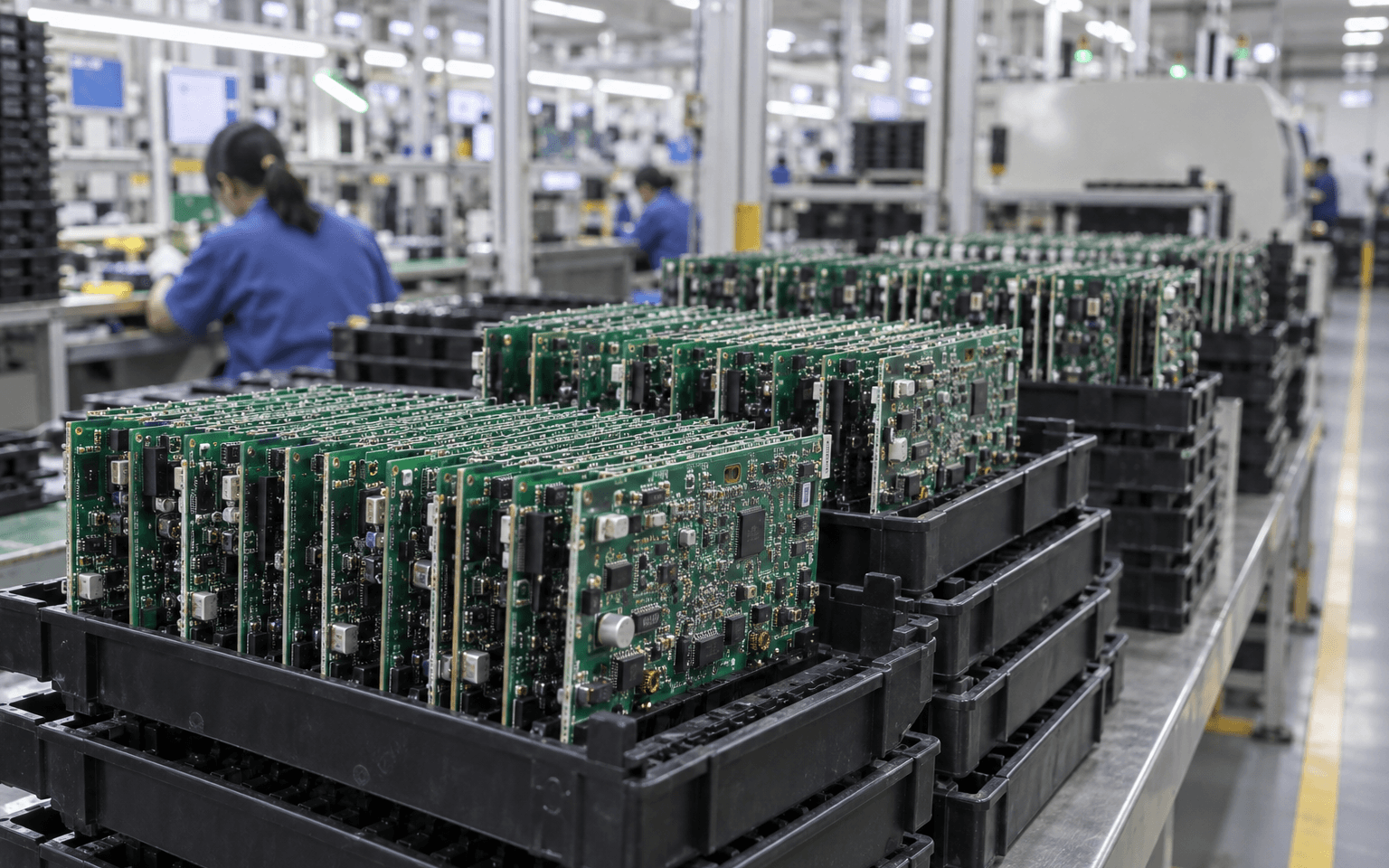
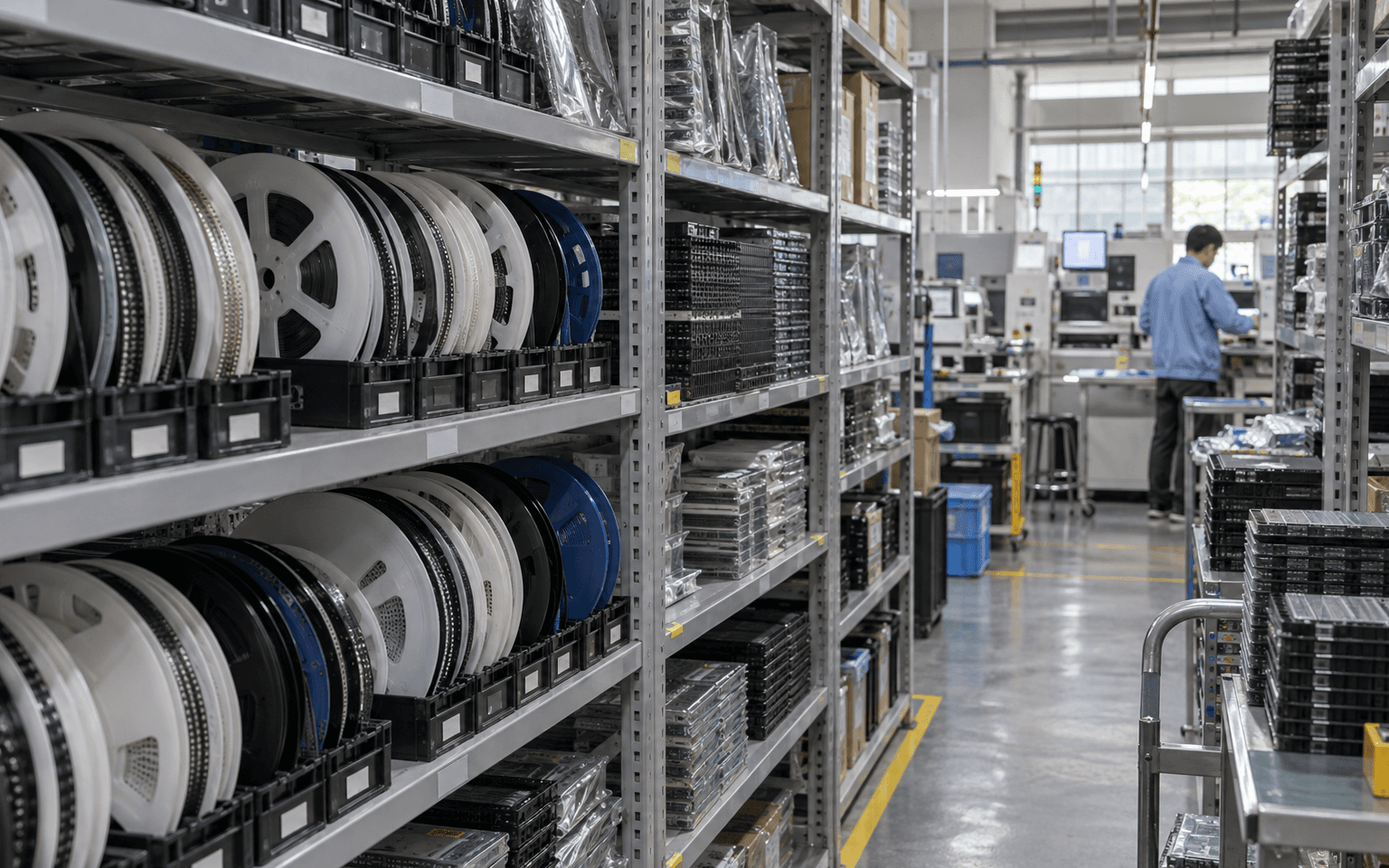
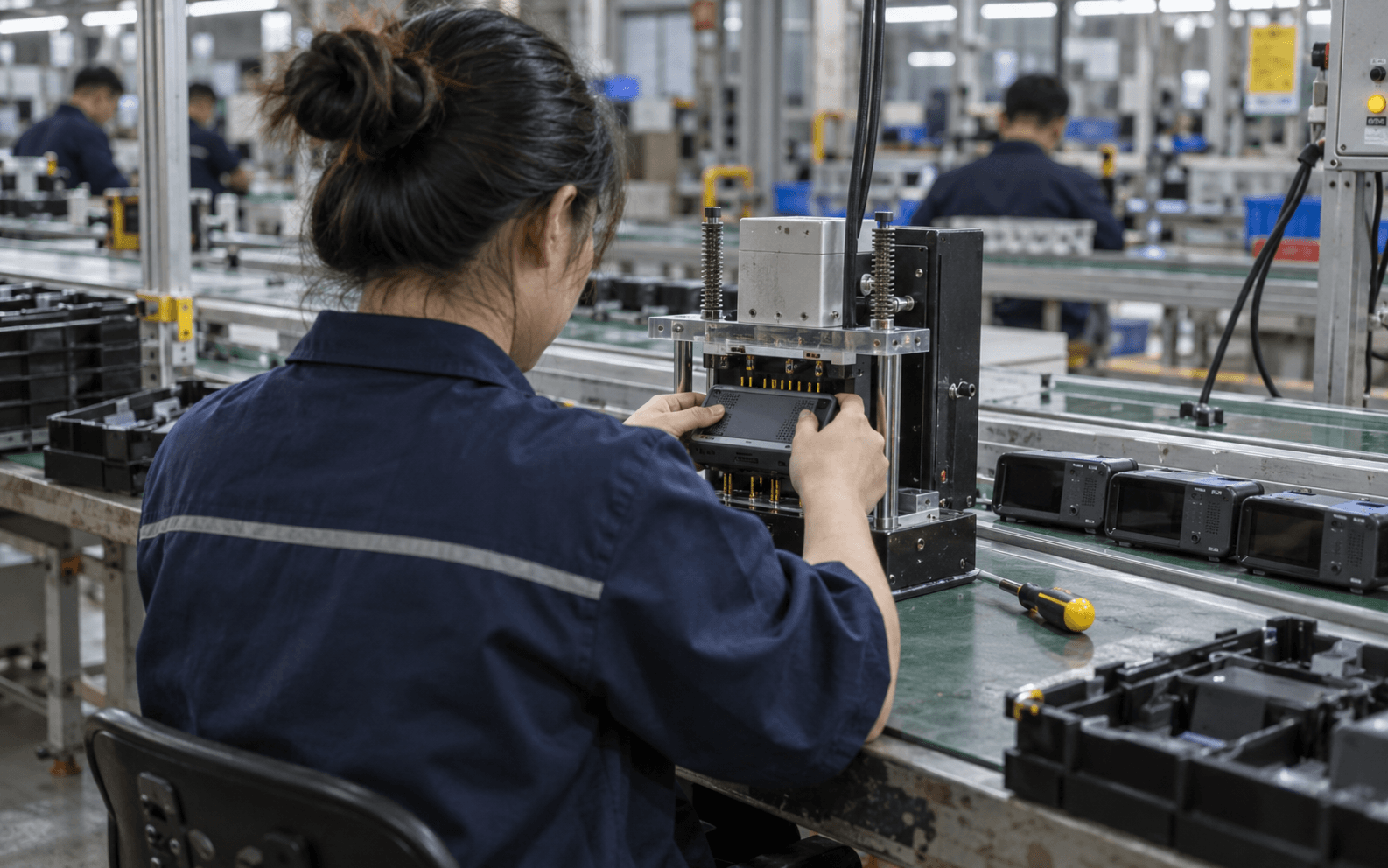
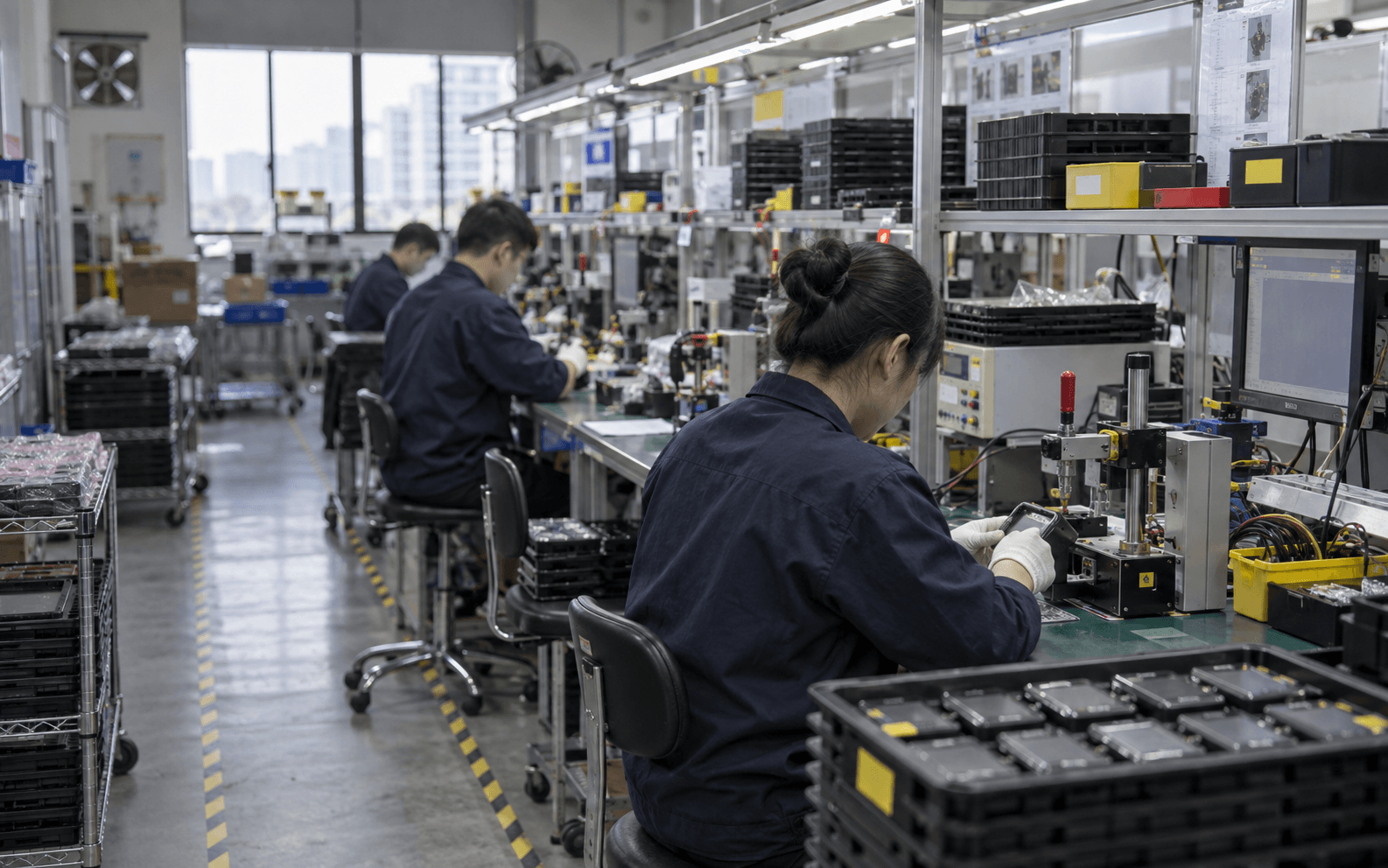
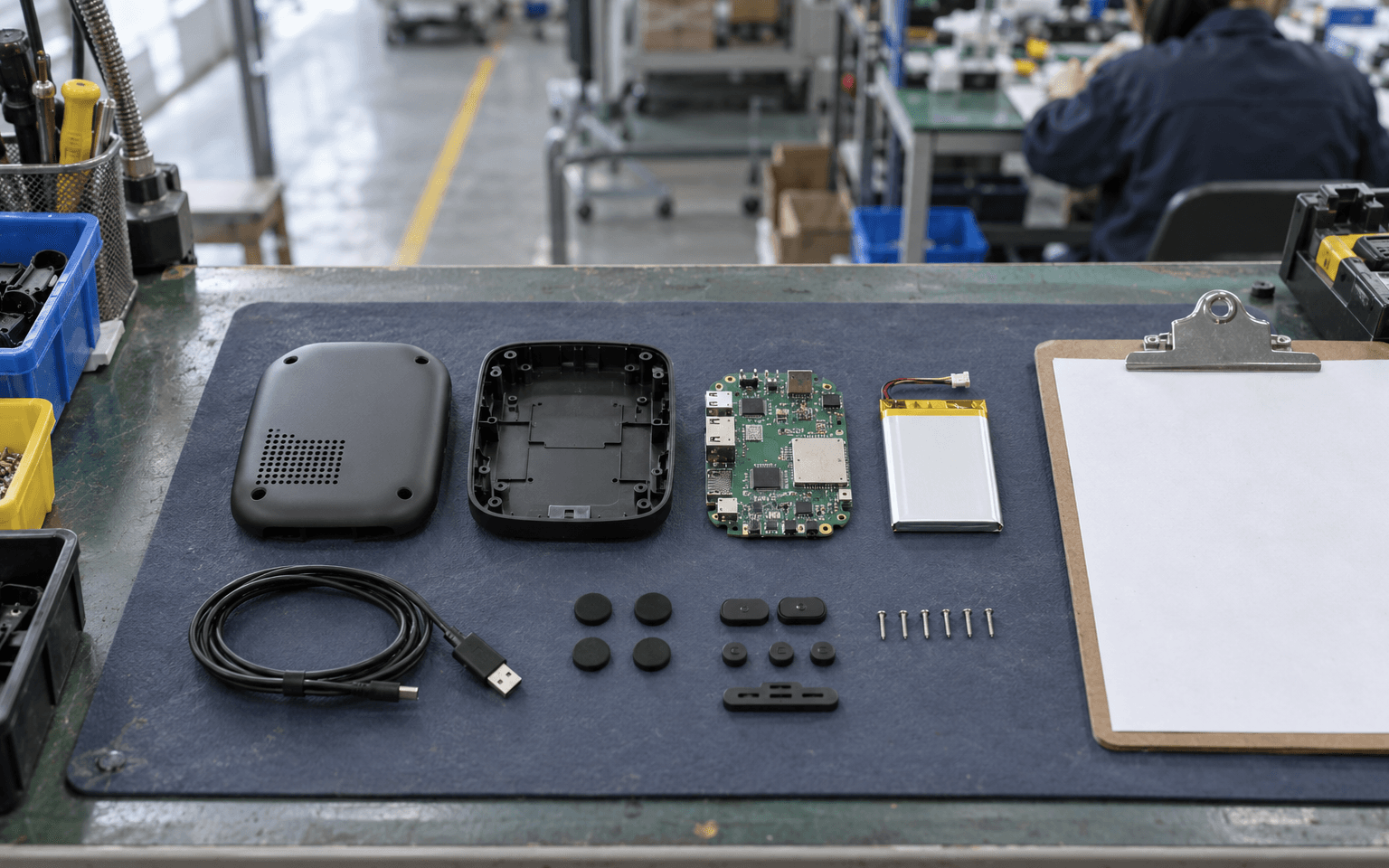
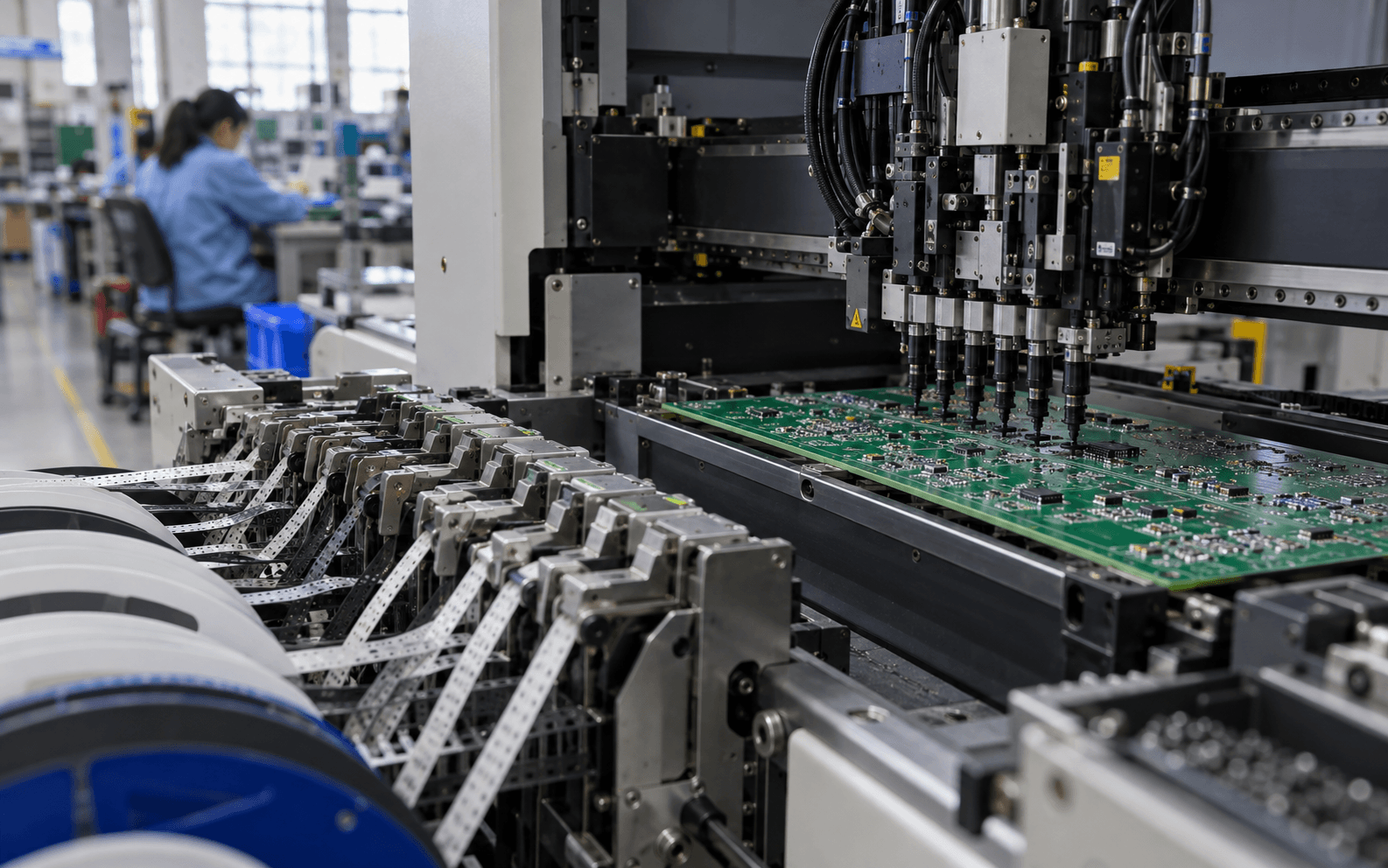
PCB assembly (often called PCBA or SMT) is putting the electronic components onto your bare circuit boards. Machines place tiny parts precisely, then an oven melts solder paste to fix them in place. You can supply the parts yourself, or have the factory buy them all for you (called "turnkey"). The result is a working circuit board ready to go into your product.
Design tips (DFM: designing so it's easy to make)
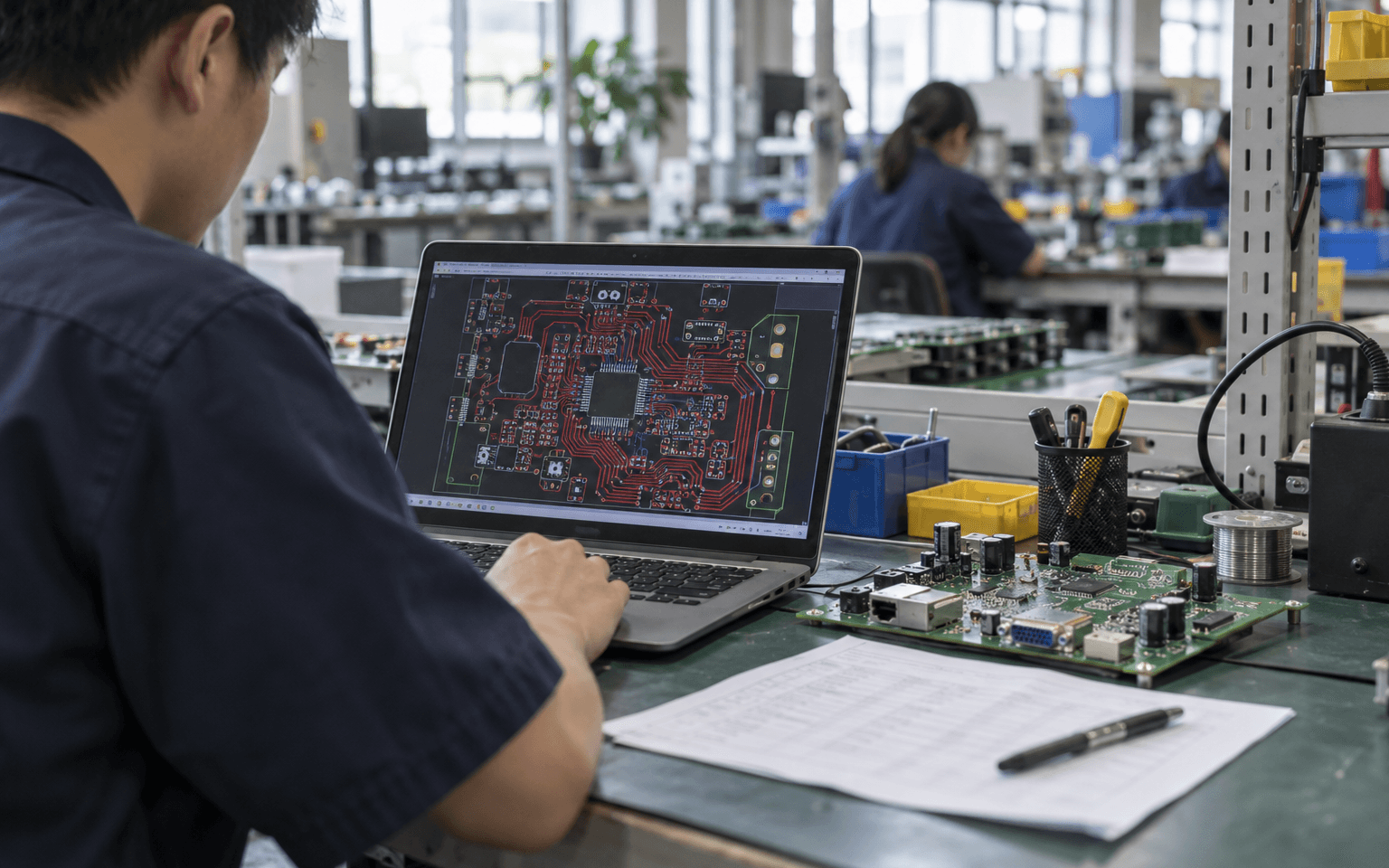
- 01Send a clean BOM with manufacturer part numbers and approved alternates
- 02Include the centroid (pick-and-place) file and assembly drawing
- 03Mark polarity clearly on the silkscreen
- 04Plan test points and a test procedure
Shops for this process
Sister PCB and PCBA factories in the same Fuyong industrial park
Shenzhen · Bao'anSwiss-listed Cicor Group's EMS plant in Dongguan
Dongguan · Dongguan (other town)JLCPCB
嘉立创Started in 2006 at a one-metre counter in Huaqiangbei; listed on the Shenzhen main board in 2026 (001232)
Shenzhen · FutianOpen-hardware maker brand (400+ own boards) that also assembles customers' PCBs
Shenzhen · Bao'anGerman-founded (2012) design-to-production firm with Berlin and Shenzhen offices
Shenzhen · Bao'anOnline PCBA quoting with no MOQ, run on their own MES and CRM
Shenzhen · Bao'anAdvanced boards: up to 64 layers, HDI, rigid-flex, RF and ceramic
Shenzhen · Bao'anInstant online PCB quotes, prototypes from US$5 for 10 boards
Shenzhen · Bao'anGet 3 quotes
Get 3 quotes: PCB assembly (SMT/PCBA)
Describe the part once. We send it to up to 3 shops that fit, and they quote you directly.
17 guides
Guides & articles
Everything we've written about PCB assembly (SMT/PCBA), starting with the basics.
Start hereWhat is PCBA? PCB vs PCBA explained
The difference between a bare circuit board (PCB) and an assembled one (PCBA), how boards are made and assembled in Shenzhen, and what first-timers need to know before ordering.
→
01Design · 9 minHow to order PCB assembly: Gerber, BOM and pick-and-place files
The three files every PCB assembly order needs, how to prepare them so your quote is fast and your boards come back right, and the questions factories will ask.
02Cost · 7 minHow much does PCB assembly cost?
What makes up a PCBA quote (setup, boards, components, assembly and testing), why prototypes cost more per board, and how to bring the price down.
03Choosing · 6 minTurnkey vs consigned PCBA
Should the factory buy your components, or should you? The pros and cons of turnkey, consigned and partial-turnkey PCB assembly for first-time hardware teams.
Silicone keypads and seals: a beginner's guide
How custom silicone parts like keypads, buttons, gaskets and seals are made, what hardness and key feel mean, compression molding vs LSR, and how to order them in Shenzhen and Dongguan.
05Design · 9 minWhat is DFM? Design for manufacturing explained
What design for manufacturing (DFM) means, why it decides most of your product's cost, the core rules, when to do a DFM review, and how DFM feedback from Shenzhen suppliers works.
06Design · 9 minDFA and DFT: design for assembly and design for test, explained
How to design a product that's quick to put together and easy to test on a production line. The core design-for-assembly rules, what design for test means for circuit boards and finished products, and how Shenzhen factories use test fixtures.
07Design · 9 minEngineering change orders (ECOs) and design freeze, explained
What design freeze means, why late changes are so expensive in hardware, and how engineering change requests, orders and notices (ECR, ECO, ECN) keep you and your factory on the same version.
08Basics · 12 minEVT, DVT, PVT explained
The three test builds between a working prototype and mass production, explained for first-time founders. What each build is for, roughly how many units you make, and what usually goes wrong.
09Cost · 10 minHow much does it cost to develop a hardware product?
The cost buckets of developing and manufacturing a hardware product, explained for first-timers. Design, prototypes, tooling, certification and the first production order, with typical ranges where they're widely published, plus the costs people forget.
10Working in China · 10 minHow to choose a factory in China
A step-by-step, neutral guide for first-time hardware teams. How to find suppliers, tell factories from trading companies, check what you can, compare quotes, and start small.
11Working in China · 12 minHuaqiangbei for hardware makers
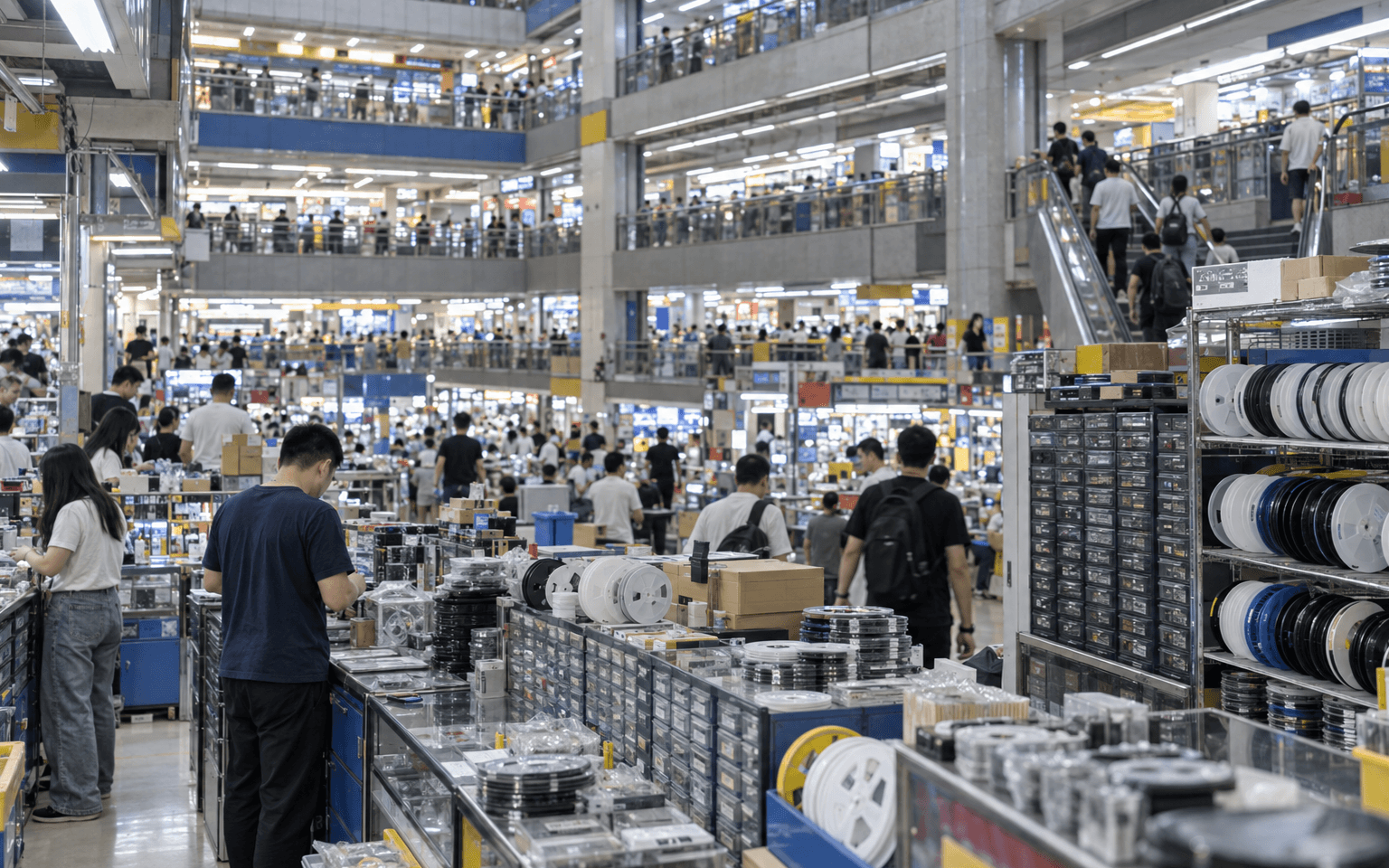
A first-timer's guide to Shenzhen's famous electronics market district. What it is, what it's good for, how to get there, how to buy, and what to watch out for.
12Basics · 6 minLooks-like vs works-like prototypes
Why most hardware teams build two different kinds of prototype, what each one is for, and when to combine them into a single "looks-like, works-like" build.
13Basics · 11 minProduct development stages: how to make a physical product from idea to finished product
The stages of making a physical product, from first sketch to boxes on a ship, explained for first-timers. What happens at each stage, why it matters, what you get out of it, and who in Shenzhen helps.
14Basics · 10 minPrototype to production: what changes when you scale from 10 units to 1,000
Why a product that works as 10 prototypes can fail at 1,000 units, what changes in parts, people, testing, documents and cash as you scale, and the steps between a working prototype and your first production run in Shenzhen.
15Working in China · 10 minQuality inspection explained: pre-shipment checks and AQL
What pre-shipment inspection is, when to inspect, how AQL sampling works in plain words, what an inspector checks, and how to prepare so the report is actually useful. For first-time importers.
16Design · 9 minWhat is a bill of materials (BOM)? How to write one
What a BOM is, why factories in China build and quote from it, the columns a good BOM needs, how to structure one for a hardware product, and the mistakes that cause wrong parts and delays.
Common questions
Turnkey or consigned?
Turnkey (包料) is easier; consigned (来料) gives you control over critical parts.
Who tests the boards?
Ask for AOI and X-ray as standard, and agree functional testing separately.