North American EMS with a Dongguan plant opened in 2025
Dongguan · Dongguan (other town)Station 05 / 10
Pilot builds 试产
What happens at this stage
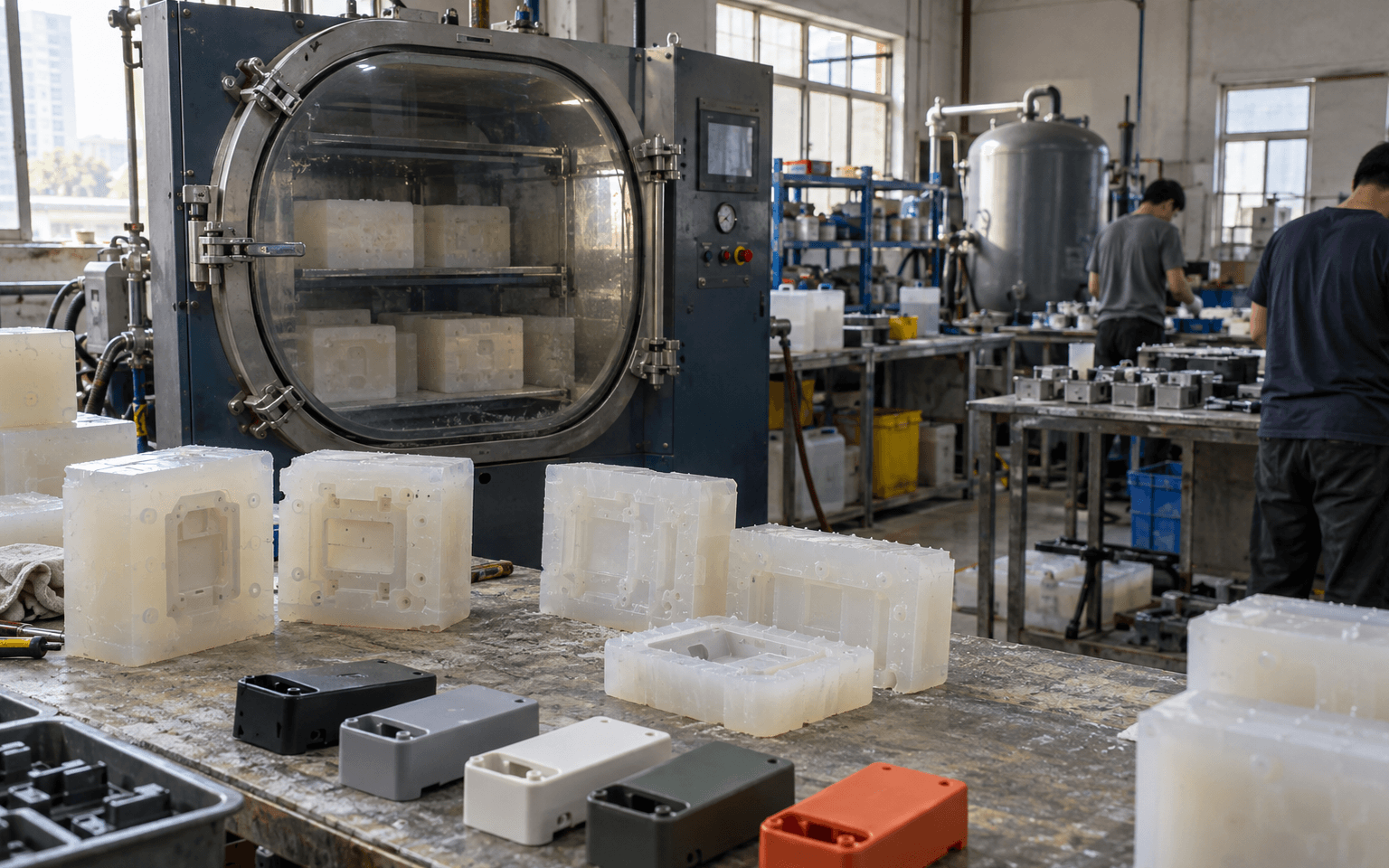
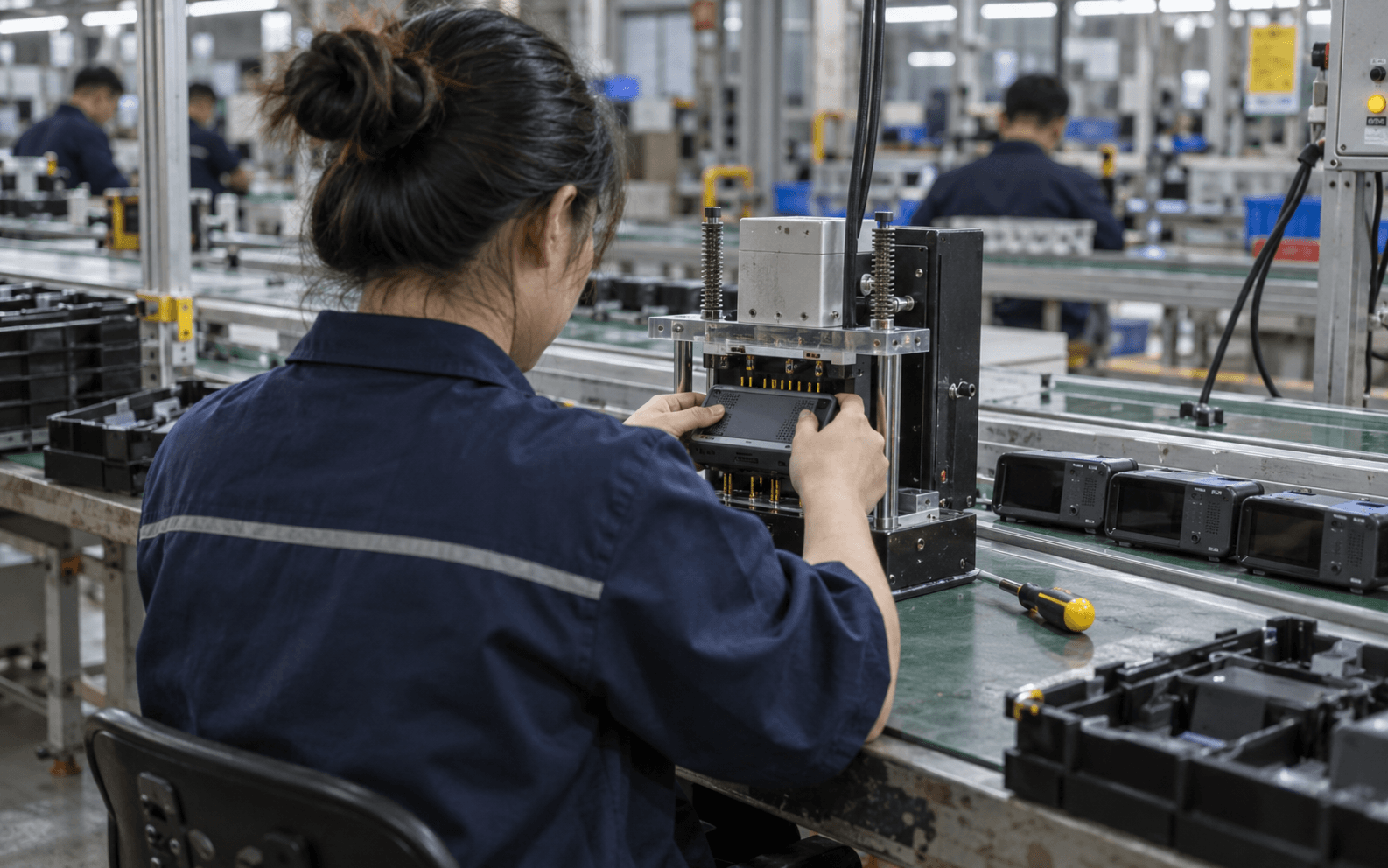
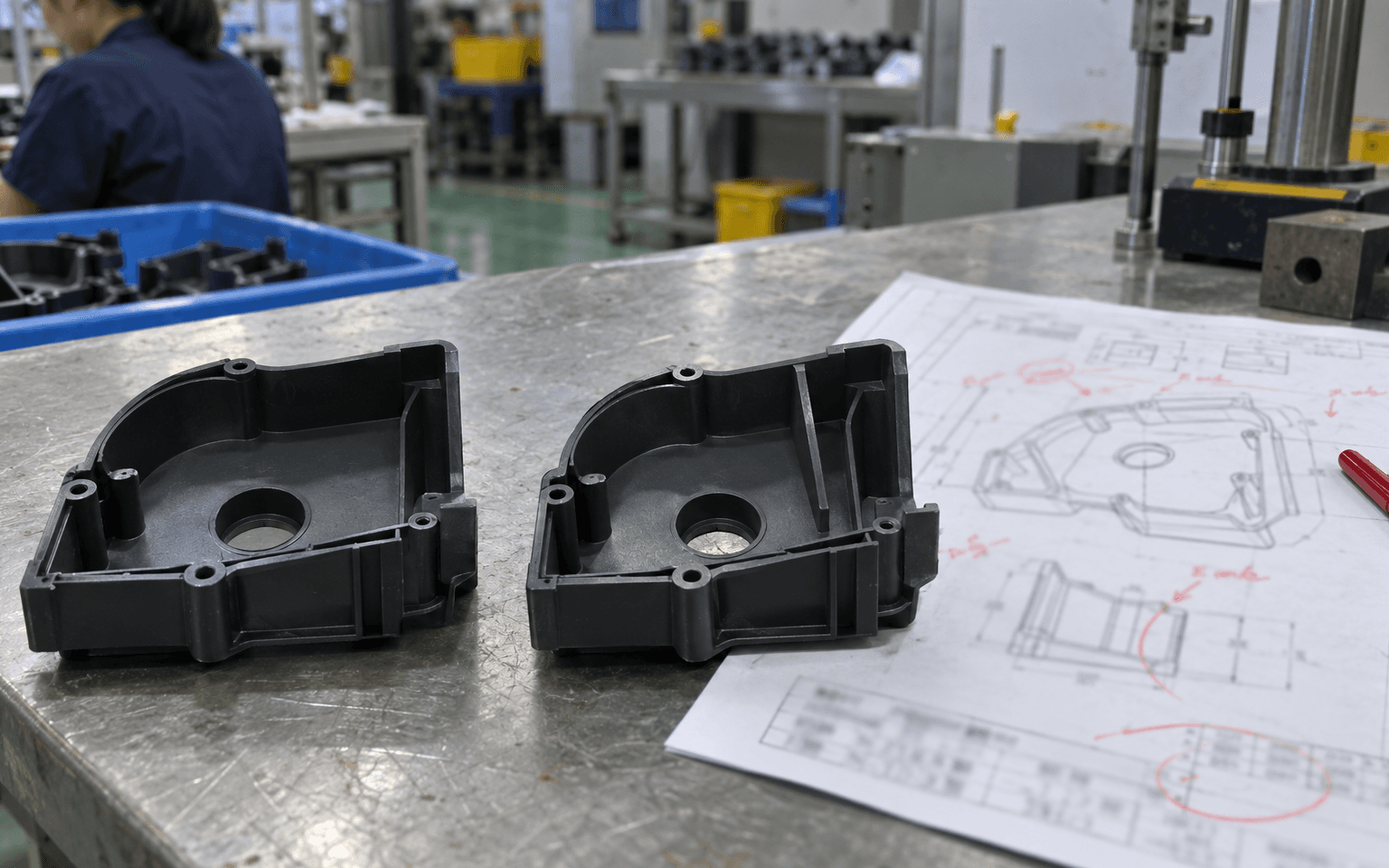
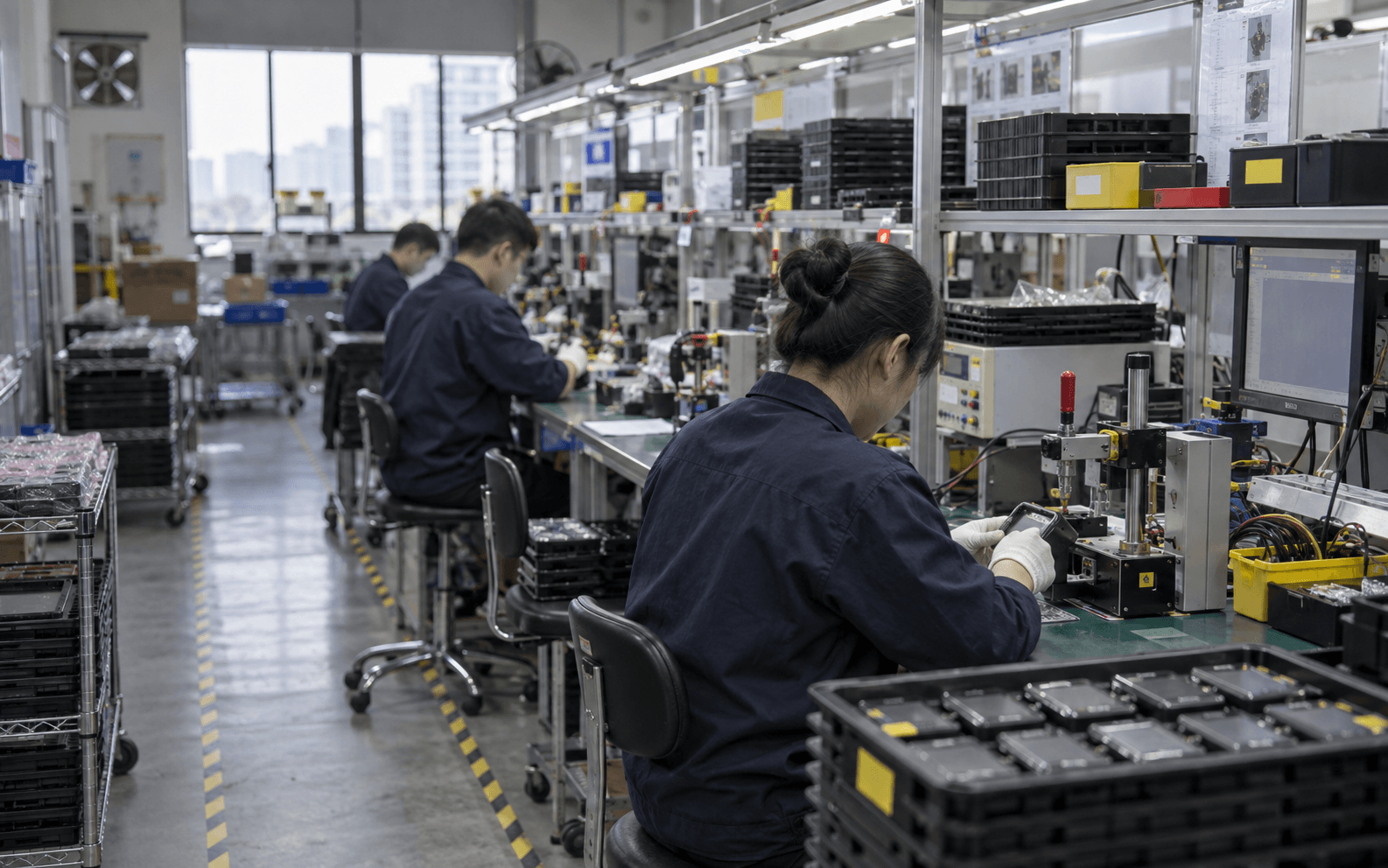
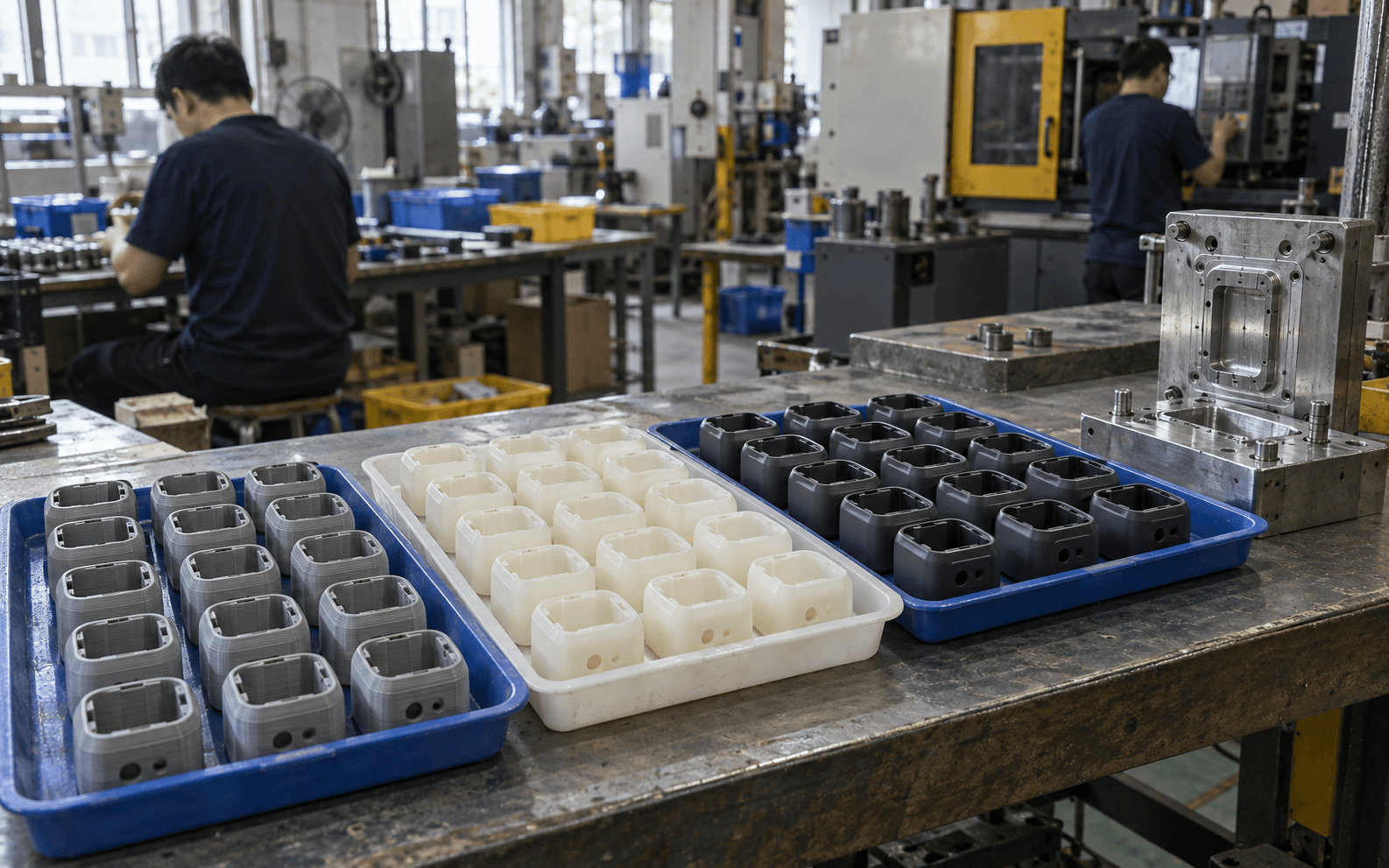
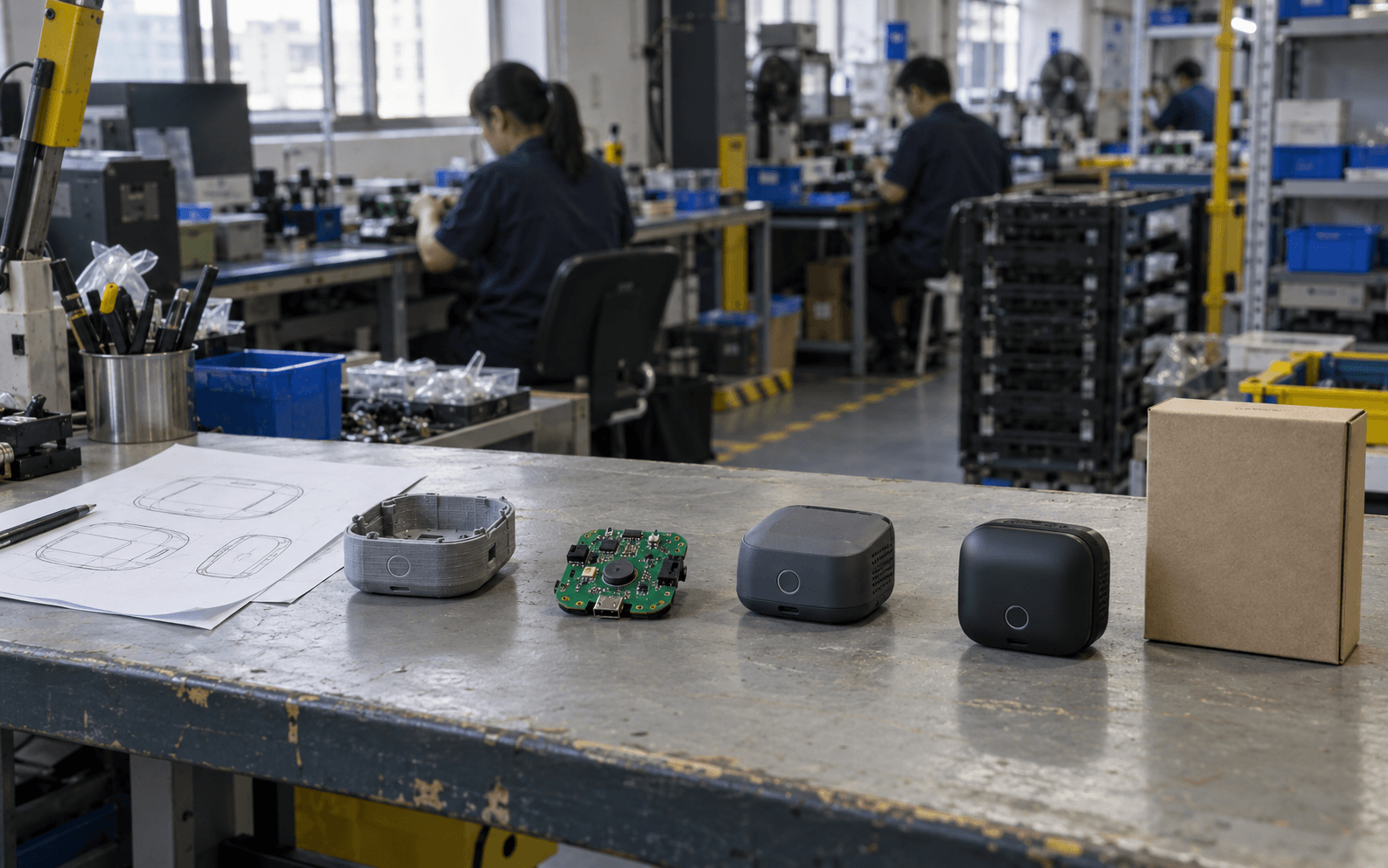
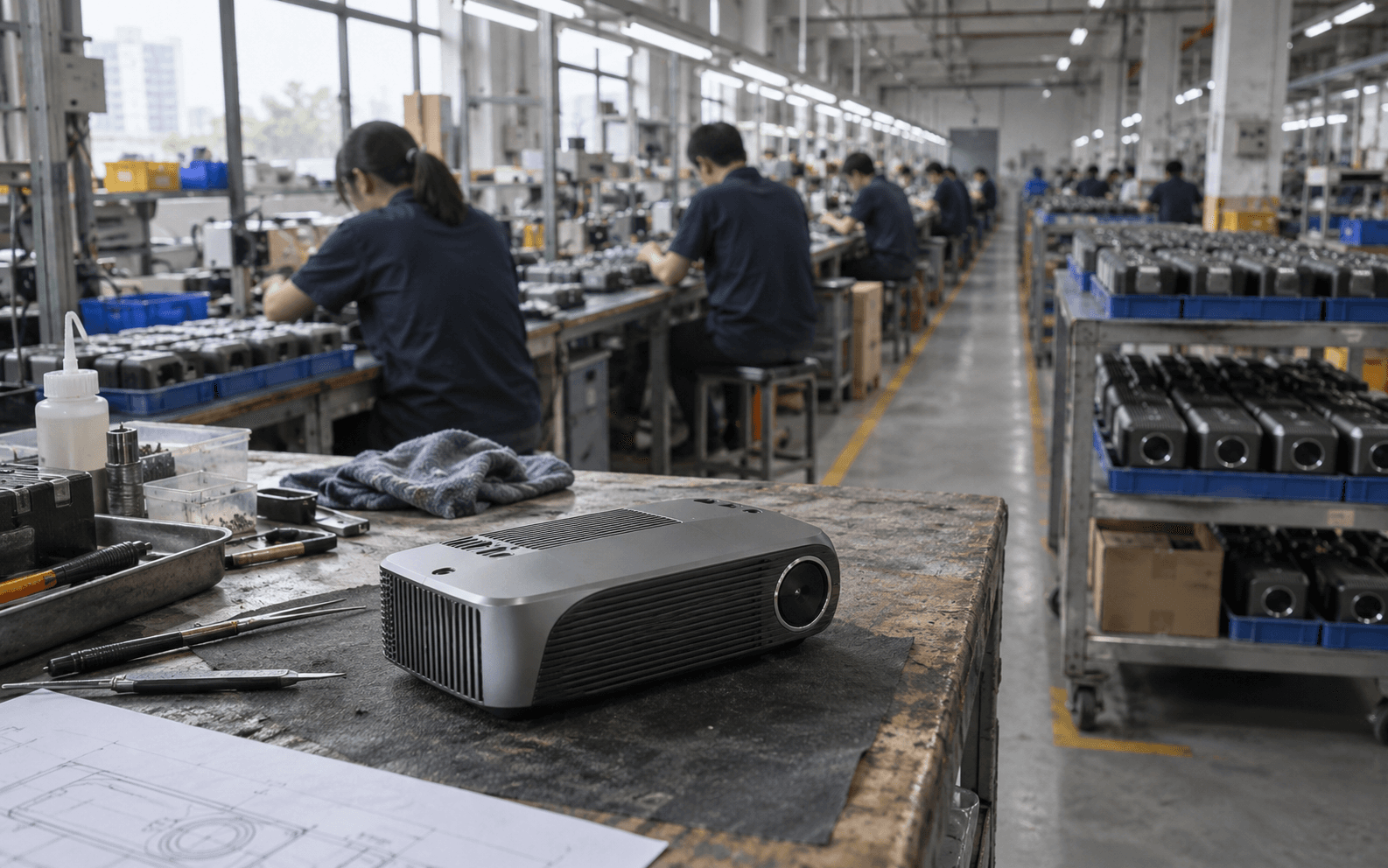
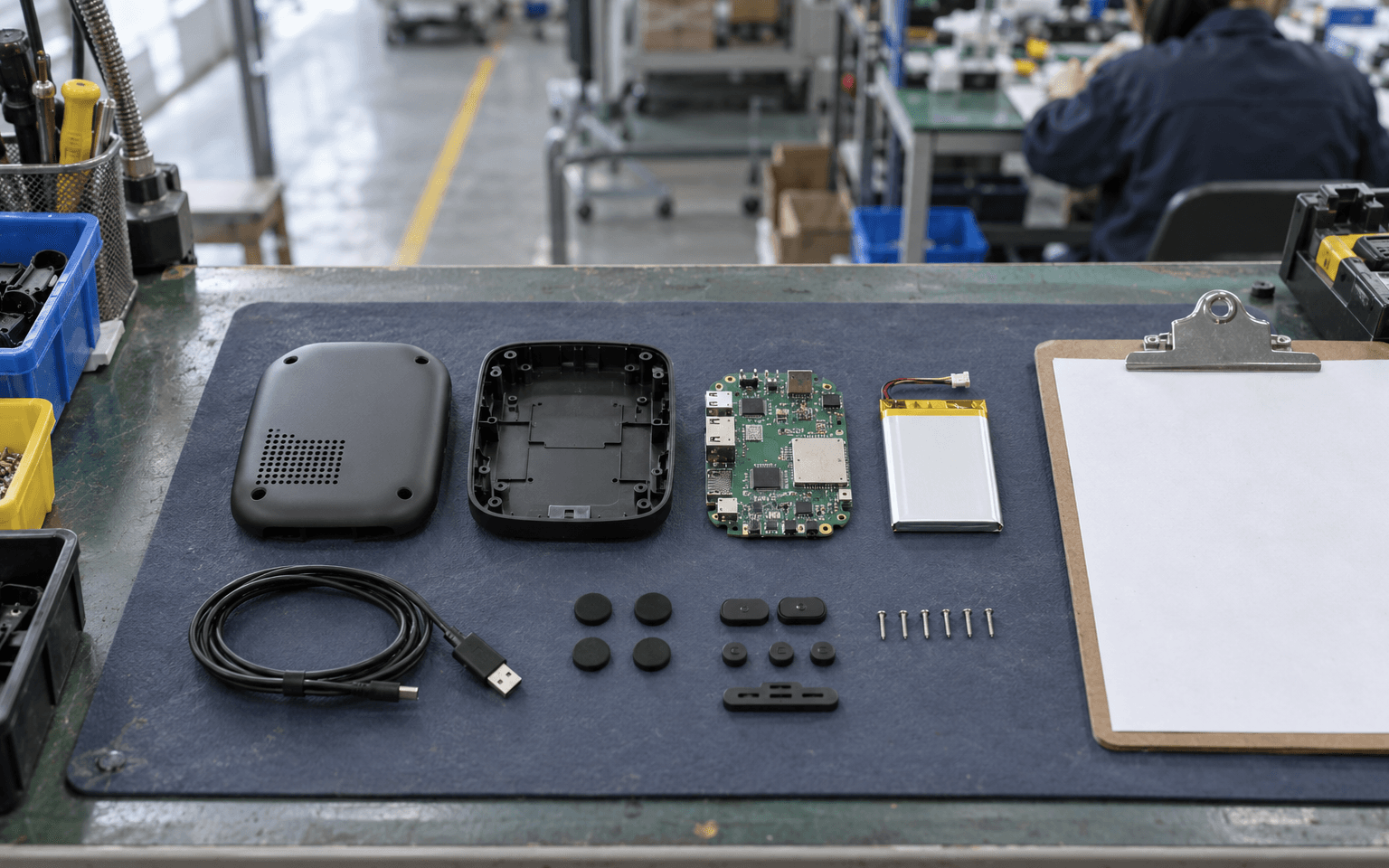
You build small batches with a contract manufacturer (a factory that builds your design) to prove the product and the production process. These are usually three builds: EVT (does the design work?), DVT (does it meet every requirement and pass certification?) and PVT (can the line build it at speed and quality?).
Why it matters
Each build catches a different kind of problem before you commit to thousands of units. Skipping them is the most common way first products fail in mass production.
What it costs and how long
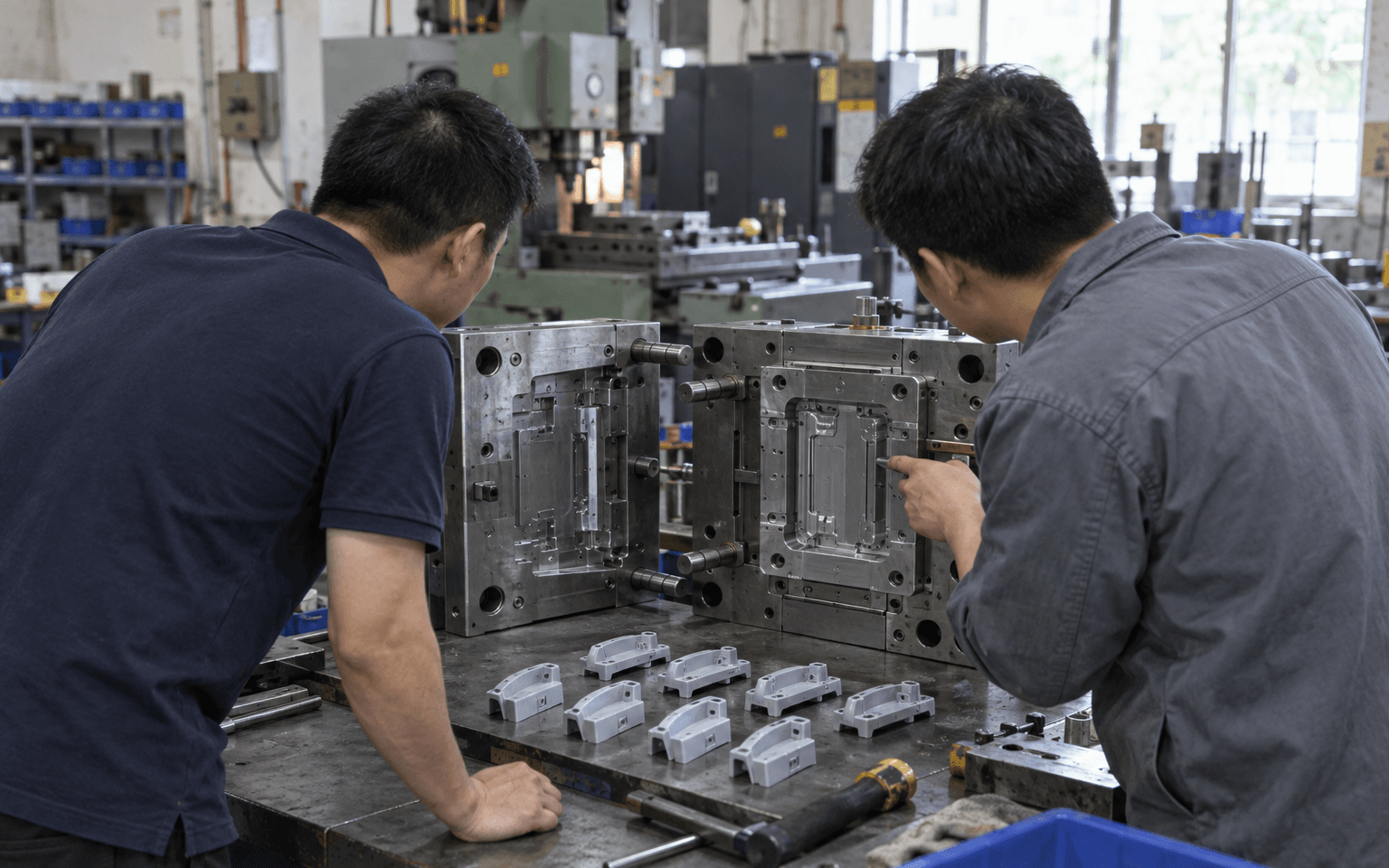
Costs depend on your product and quantities, from tens of units at EVT to hundreds or more at PVT. The whole sequence often takes several months, much of it waiting for molds and certification.
Common mistakes
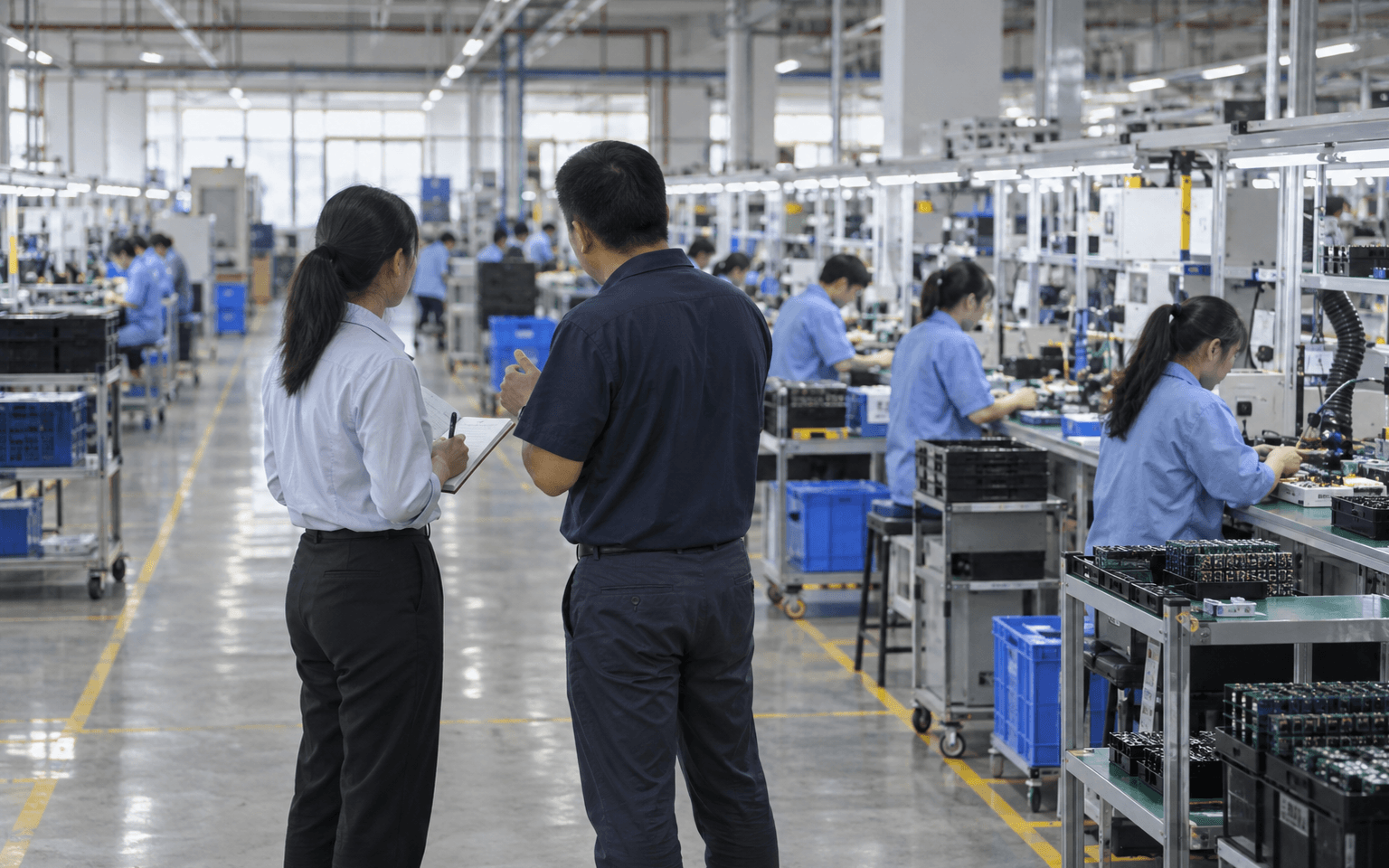
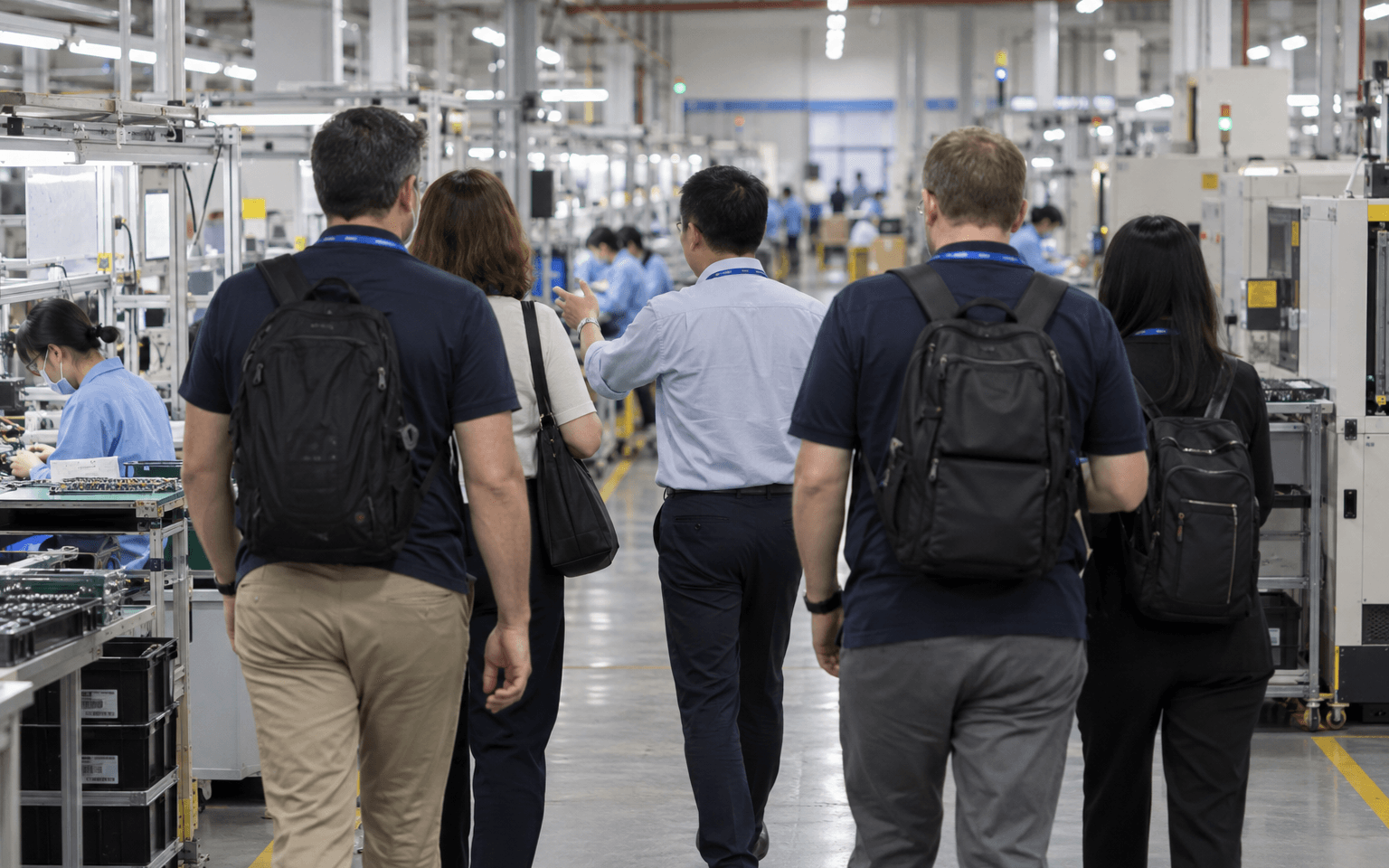
- Not having anyone on the factory floor during builds
- Leaving test fixtures and certification until the end
- Changing components after PVT
Read next
Our guide EVT, DVT, PVT explained covers each build in plain terms. NPI partners in the directory specialise in guiding first-time teams through this stage.
Related processes
Related services
Companies at this station
Medical-device contract design and manufacturing since 2002
Hong KongAI instant quote for PCB, PCBA, BOM and box build
Shenzhen · Bao'anNo-MOQ turnkey PCBA with a startup program
Shenzhen · Bao'anAdvanced boards: up to 64 layers, HDI, rigid-flex, RF and ceramic
Shenzhen · Bao'anForeign-owned, foreign-managed factory (Sofeast group) with English-speaking staff in every department
Dongguan · Chang'anLarge Power
钜大电子Custom packs for medical, robotics and harsh-environment equipment
Dongguan · Dongguan (other town)DMG 5-axis and rows of 3-axis CNC in a 5,000 m² Chang'an base
Dongguan · Chang'anPrototype-to-production NPI management for foreign hardware teams, on site in Mandarin
ShenzhenFounded by quality engineer Renaud Anjoran, author of QualityInspection.org
Hong KongEnglish-speaking NPI partner for startups, builds from 5 units
Shenzhen · LonghuaGerman-founded (2012) design-to-production firm with Berlin and Shenzhen offices
Shenzhen · Bao'anGuides
01Basics · 10 minWhat is injection molding? A plain-English guide
How injection molding works, why it makes plastic parts so cheap at volume, what the catch is, and when your product is ready for it.
02Basics · 9 minWhat is vacuum casting? A plain-English guide
How vacuum casting (urethane casting) works, why it's used for 10 to 50 molded-looking parts, what materials and finishes it offers, and how to order it in Shenzhen. Written for first-timers.
03Design · 9 minDFA and DFT: design for assembly and design for test, explained
How to design a product that's quick to put together and easy to test on a production line. The core design-for-assembly rules, what design for test means for circuit boards and finished products, and how Shenzhen factories use test fixtures.
04Design · 9 minEngineering change orders (ECOs) and design freeze, explained
What design freeze means, why late changes are so expensive in hardware, and how engineering change requests, orders and notices (ECR, ECO, ECN) keep you and your factory on the same version.
05Basics · 12 minEVT, DVT, PVT explained
The three test builds between a working prototype and mass production, explained for first-time founders. What each build is for, roughly how many units you make, and what usually goes wrong.
06Cost · 8 min50 parts: casting vs printing vs molding
You need around 50 plastic parts. Should you 3D print them, vacuum cast them, or make a mold? A plain-English comparison of cost, speed, looks and material, with a simple way to compare quotes.
07Basics · 9 minHow long does it take to develop a hardware product?
A realistic timeline for bringing a hardware product to market, stage by stage, for first-time founders. Where the time actually goes, what slows projects down in Shenzhen, and how to save weeks.
08Working in China · 10 minHow to choose a factory in China
A step-by-step, neutral guide for first-time hardware teams. How to find suppliers, tell factories from trading companies, check what you can, compare quotes, and start small.
09Working in China · 18 minHow to get an injection mold made in China
A plain-English walkthrough for first-timers. What an injection mold is, when you need one, what it costs, how long it takes, and how to make sure the mold belongs to you.
10Basics · 11 minProduct development stages: how to make a physical product from idea to finished product
The stages of making a physical product, from first sketch to boxes on a ship, explained for first-timers. What happens at each stage, why it matters, what you get out of it, and who in Shenzhen helps.
11Basics · 10 minPrototype to production: what changes when you scale from 10 units to 1,000
Why a product that works as 10 prototypes can fail at 1,000 units, what changes in parts, people, testing, documents and cash as you scale, and the steps between a working prototype and your first production run in Shenzhen.
12Community · 6 minFactory tours for hardware founders in Shenzhen
Guided multi-day tours that take founders into Shenzhen factories and suppliers: who runs them, what they include, and 2026 dates.
13Community · 6 minTroubleMaker: Huaqiangbei's international makerspace
What TroubleMaker offers hardware founders and makers in Shenzhen: the workshop, memberships, manufacturing-readiness programs, where it is, and how to visit.
14Design · 9 minWhat is a bill of materials (BOM)? How to write one
What a BOM is, why factories in China build and quote from it, the columns a good BOM needs, how to structure one for a hardware product, and the mistakes that cause wrong parts and delays.