Chinese
DMG 5-axis and rows of 3-axis CNC in a 5,000 m² Chang'an base
Dongguan · Chang'anIn-house + partnersPrototypesLow volumeMass production
CNC machiningUrethane / vacuum castingSheet metal fabrication3D printing
English-speaking salesSource ↗
PR-05 · Process hubs
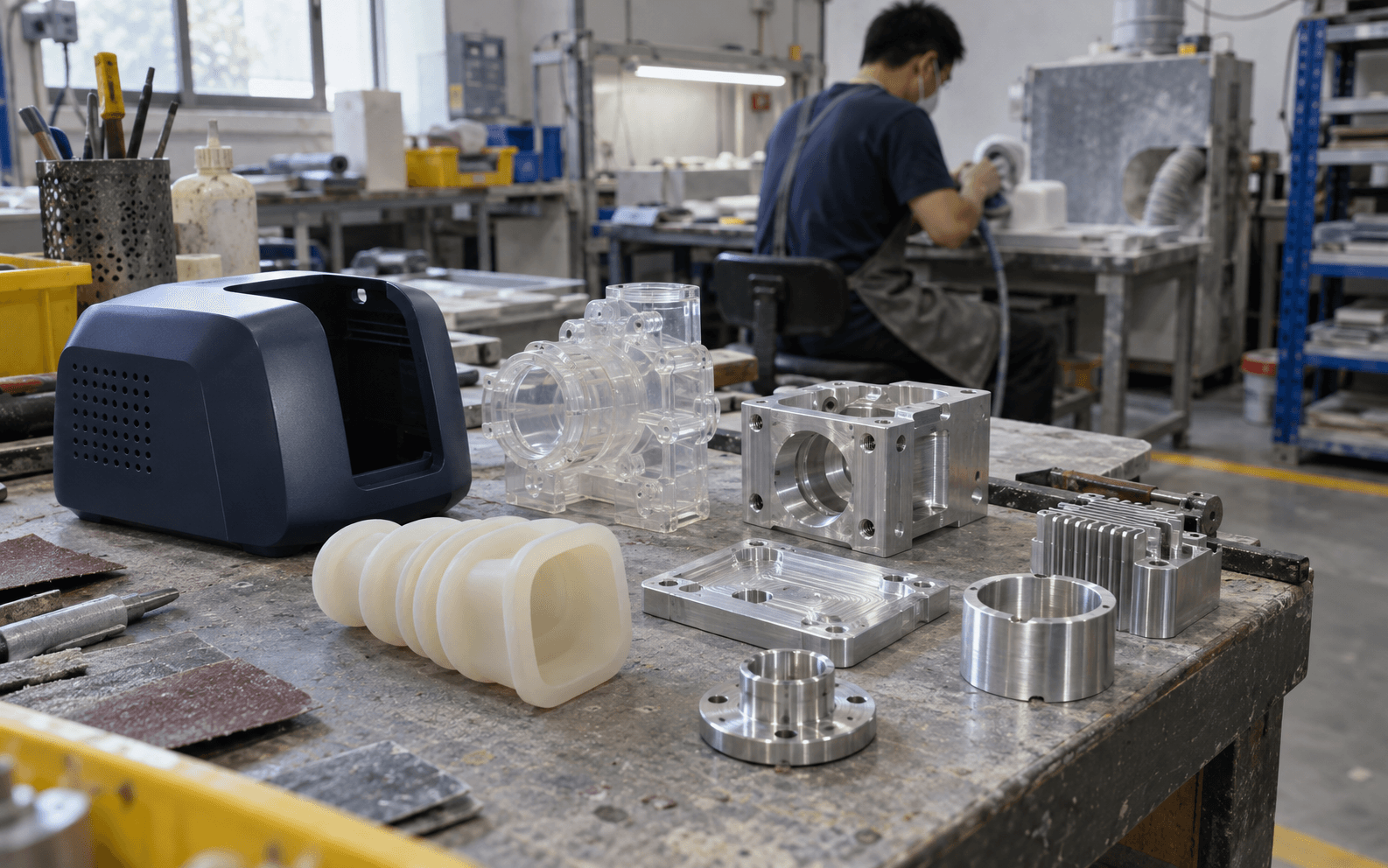
A prototype is an early physical version of your product, made before you pay for expensive production tooling. Prototype shops (called 手板厂, shǒu bǎn chǎng, in Chinese) use several fast methods, like carving parts from solid blocks, 3D printing and casting in soft molds, then paint and finish them so they look like the real thing. You use prototypes to check that parts fit, look right and work, while changes are still cheap.
DMG 5-axis and rows of 3-axis CNC in a 5,000 m² Chang'an base
Dongguan · Chang'anSino-British founders (CEO Vader Yu and James Murphy) and English-speaking project managers
Shenzhen · Bao'anGerman-founded (2012) design-to-production firm with Berlin and Shenzhen offices
Shenzhen · Bao'anInstant online quotes with automated DFM feedback for mechanical parts
Shenzhen · Bao'an130+ CNC centres, SLA printers, vacuum casting and molding on a 10,000 m² site
Shenzhen · Bao'anNew-energy prototypes: battery packs, charger housings, inverters, cooling modules
Shenzhen · GuangmingAutomotive white-body stamping prototypes and full-size show-car models
Shenzhen · Bao'anGet 3 quotes
Describe the part once. We send it to up to 3 shops that fit, and they quote you directly.
12 guides
Everything we've written about Rapid prototyping (multi-process), starting with the basics.
 Start here
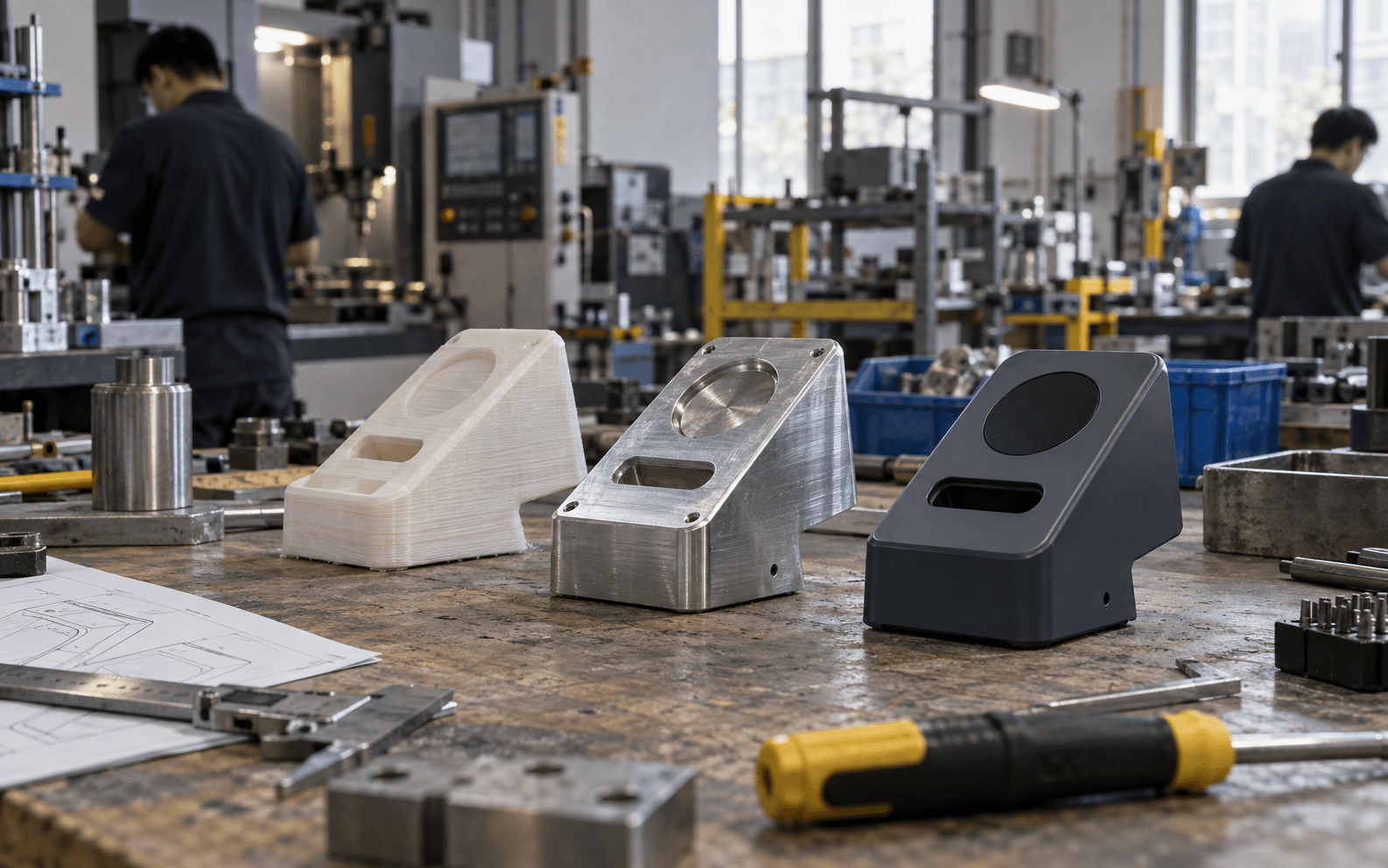
What rapid prototyping means, the main methods (3D printing, CNC machining, urethane casting), how many rounds to expect, and how Shenzhen's prototype shops work.
→ 01Choosing · 7 min
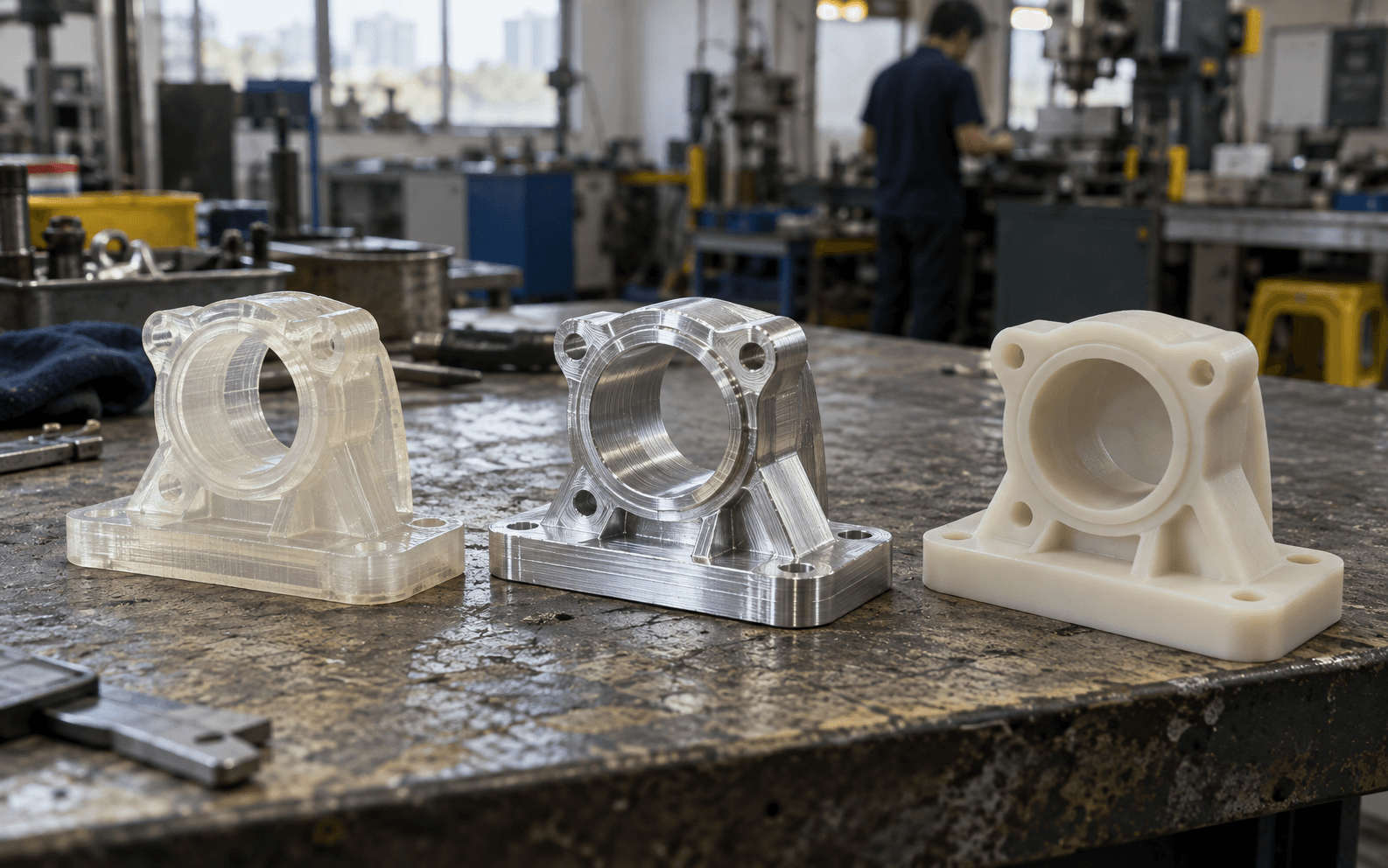
A simple comparison of the three main prototyping methods by speed, cost, strength, look and quantity, plus a quick way to pick the right one for each part.
 02Basics · 6 min
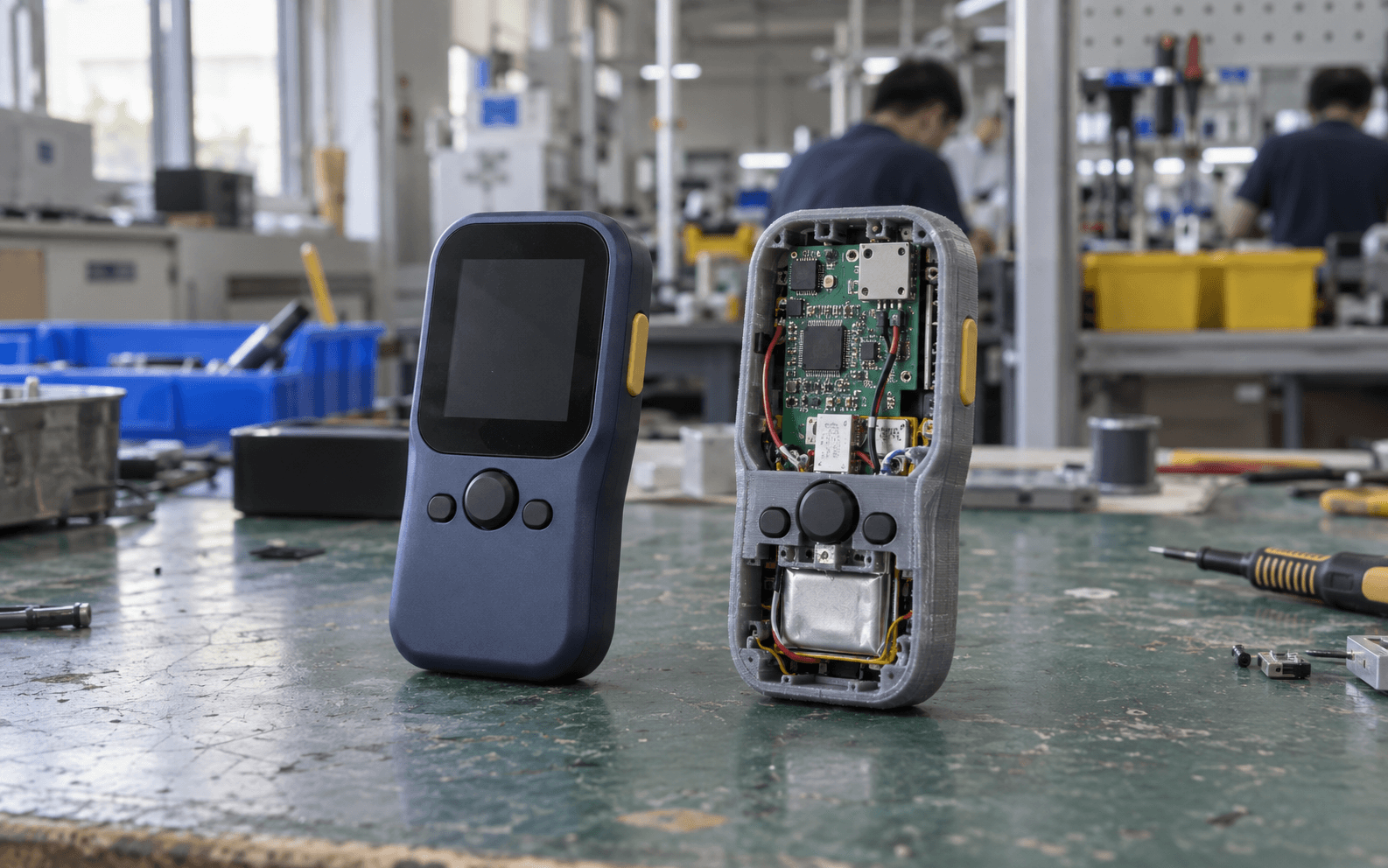
Why most hardware teams build two different kinds of prototype, what each one is for, and when to combine them into a single "looks-like, works-like" build.
 03Choosing · 10 min
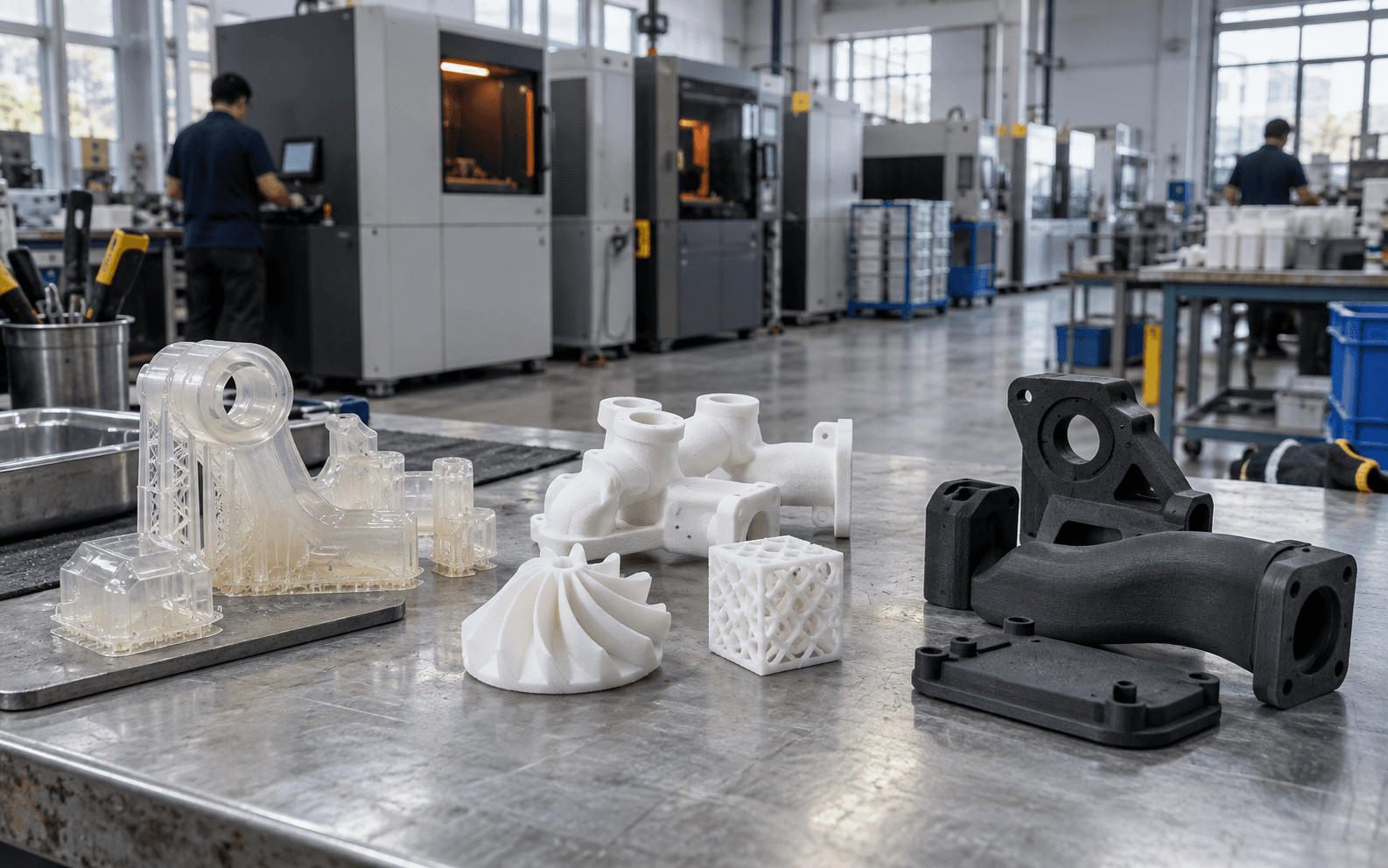
The three 3D printing processes most used for professional prototypes and small batches, explained in plain words. How each works, how the parts look and behave, and which one to choose.
 04Basics · 11 min
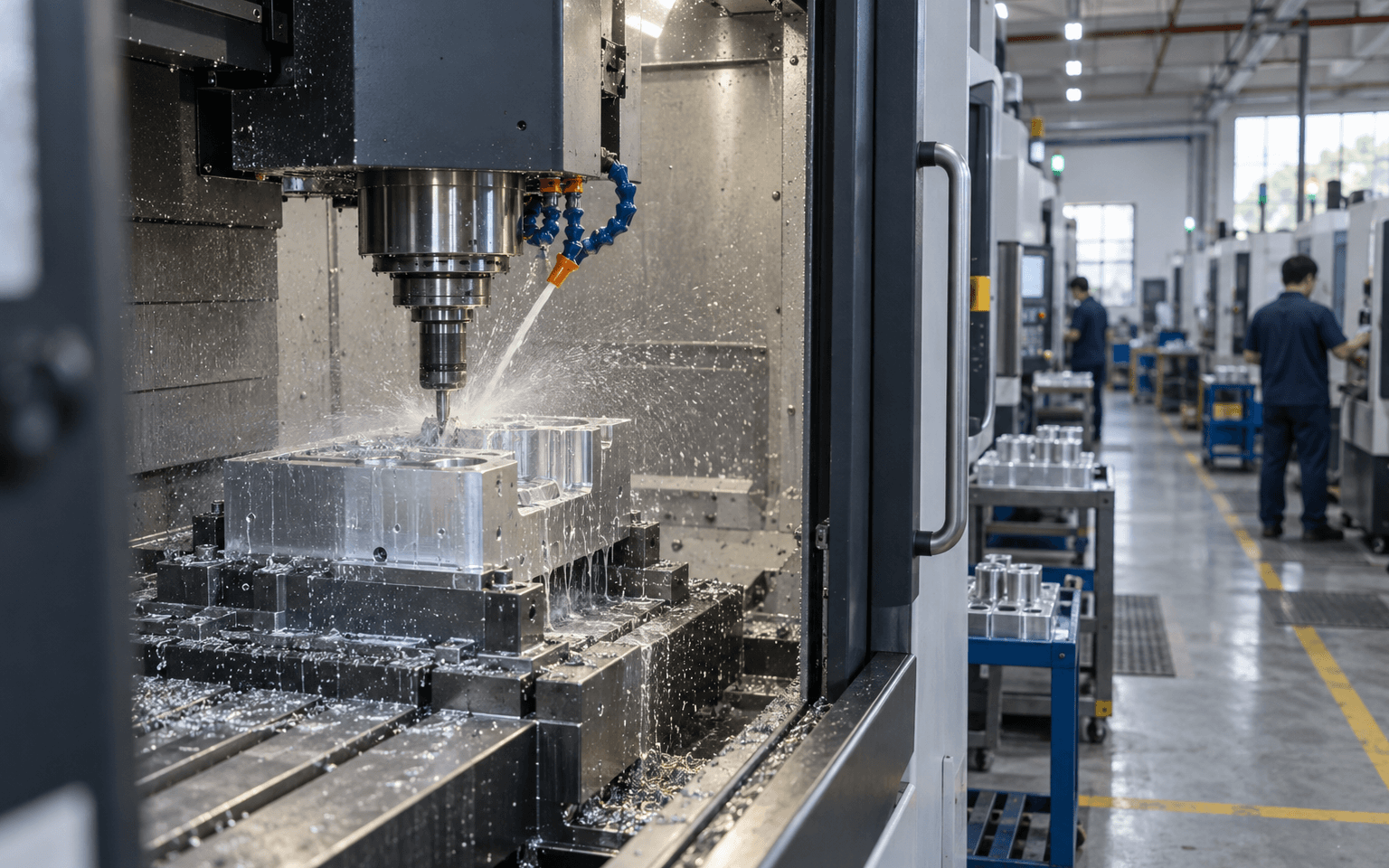
How CNC machining works, what it's good (and not good) for, what it costs, and how to get CNC parts made in Shenzhen. Written for first-timers.
 05Basics · 10 min
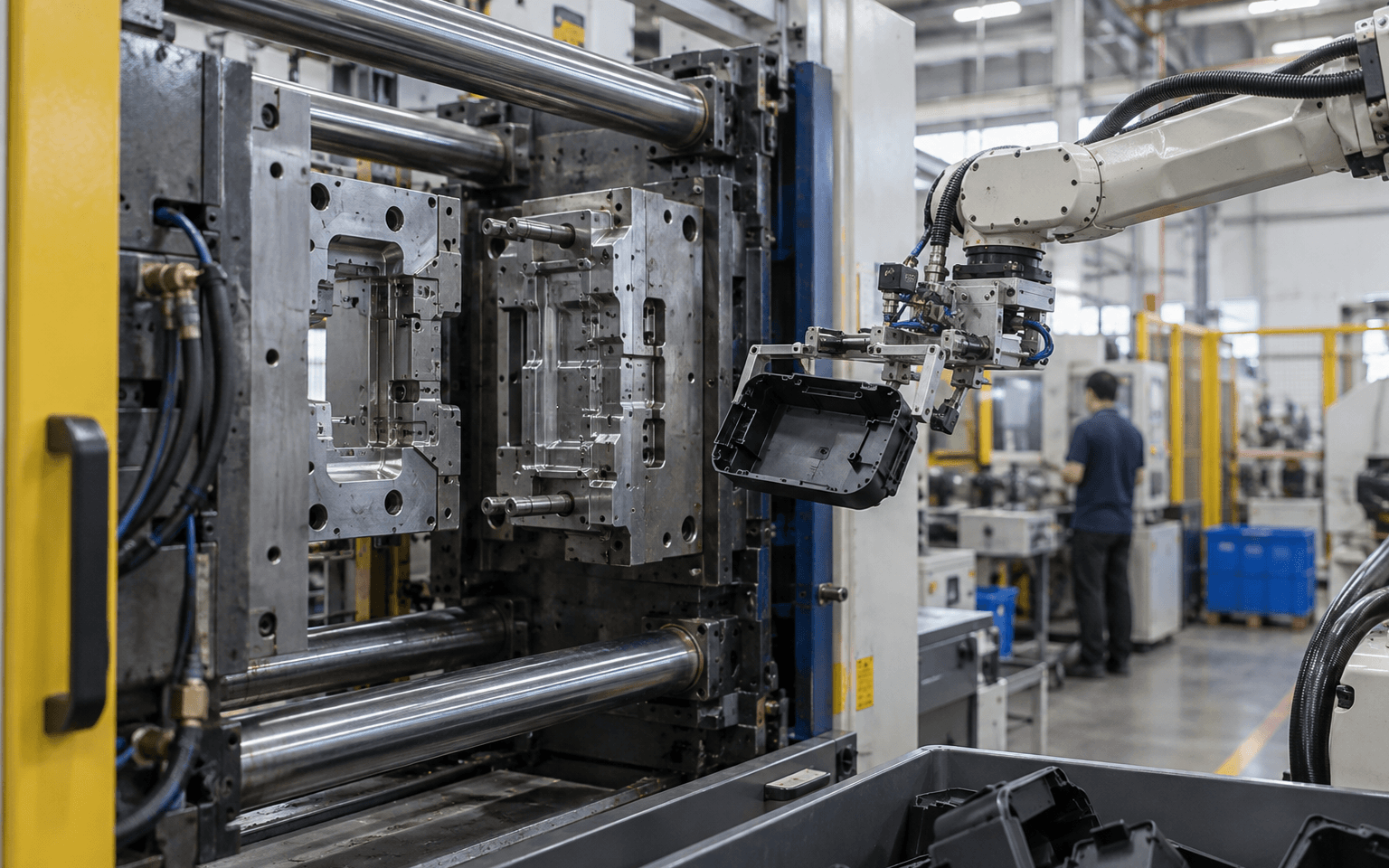
How injection molding works, why it makes plastic parts so cheap at volume, what the catch is, and when your product is ready for it.
 06Basics · 9 min
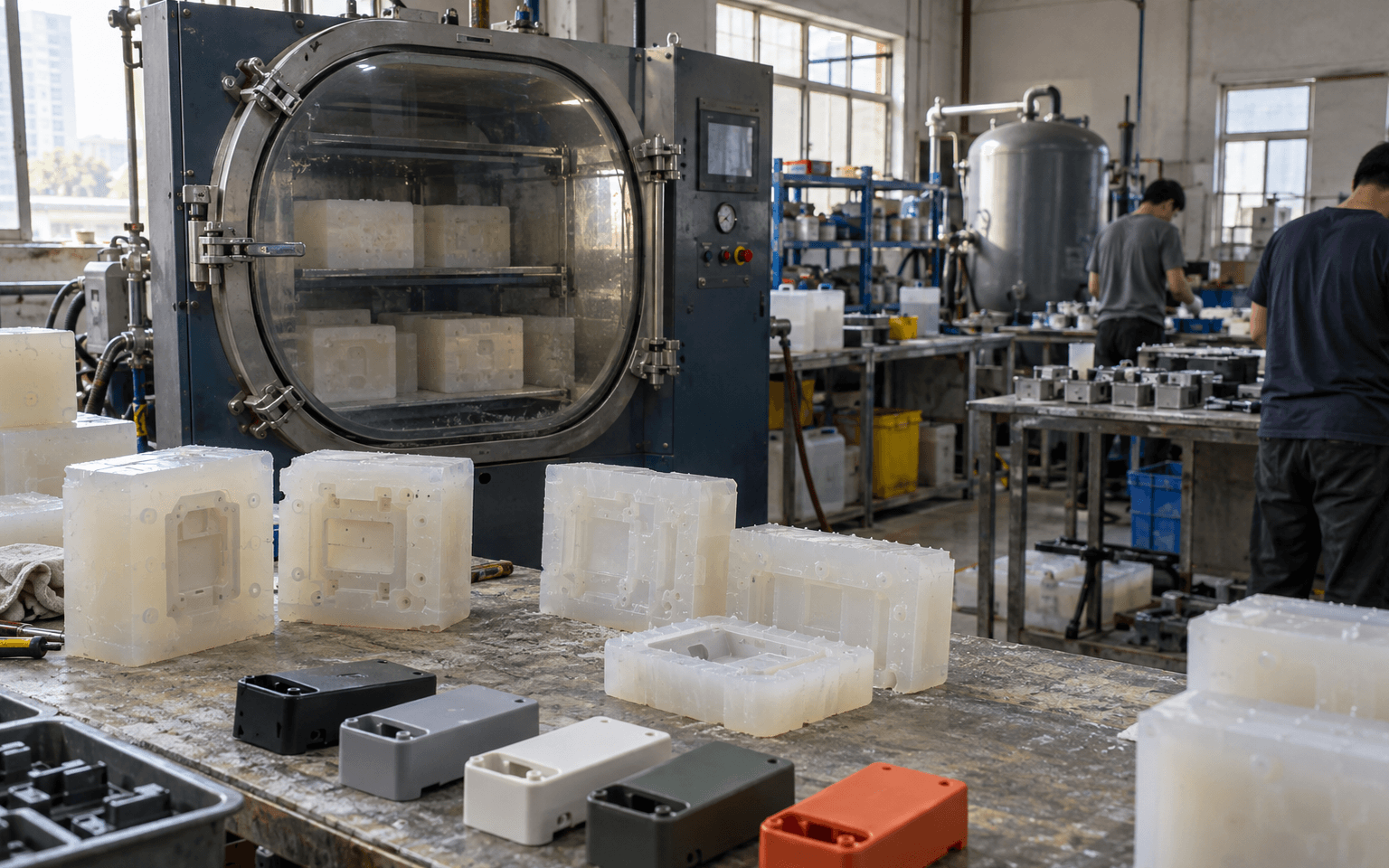
How vacuum casting (urethane casting) works, why it's used for 10 to 50 molded-looking parts, what materials and finishes it offers, and how to order it in Shenzhen. Written for first-timers.
 07Choosing · 7 min
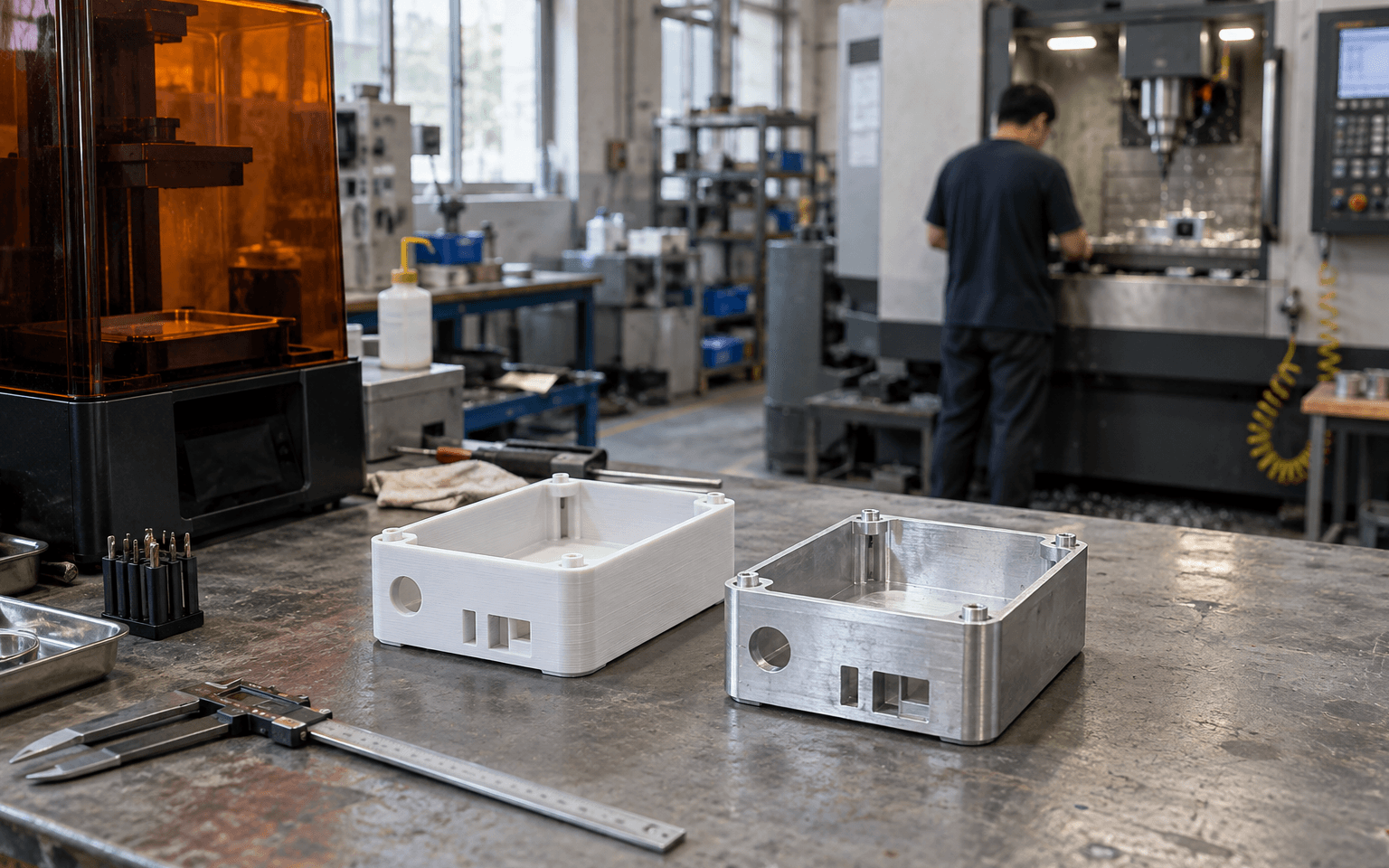
Should your prototype be 3D printed or CNC machined? A plain-English comparison of cost, speed, strength, materials, looks and design freedom, with a simple decision guide.
 08Cost · 10 min
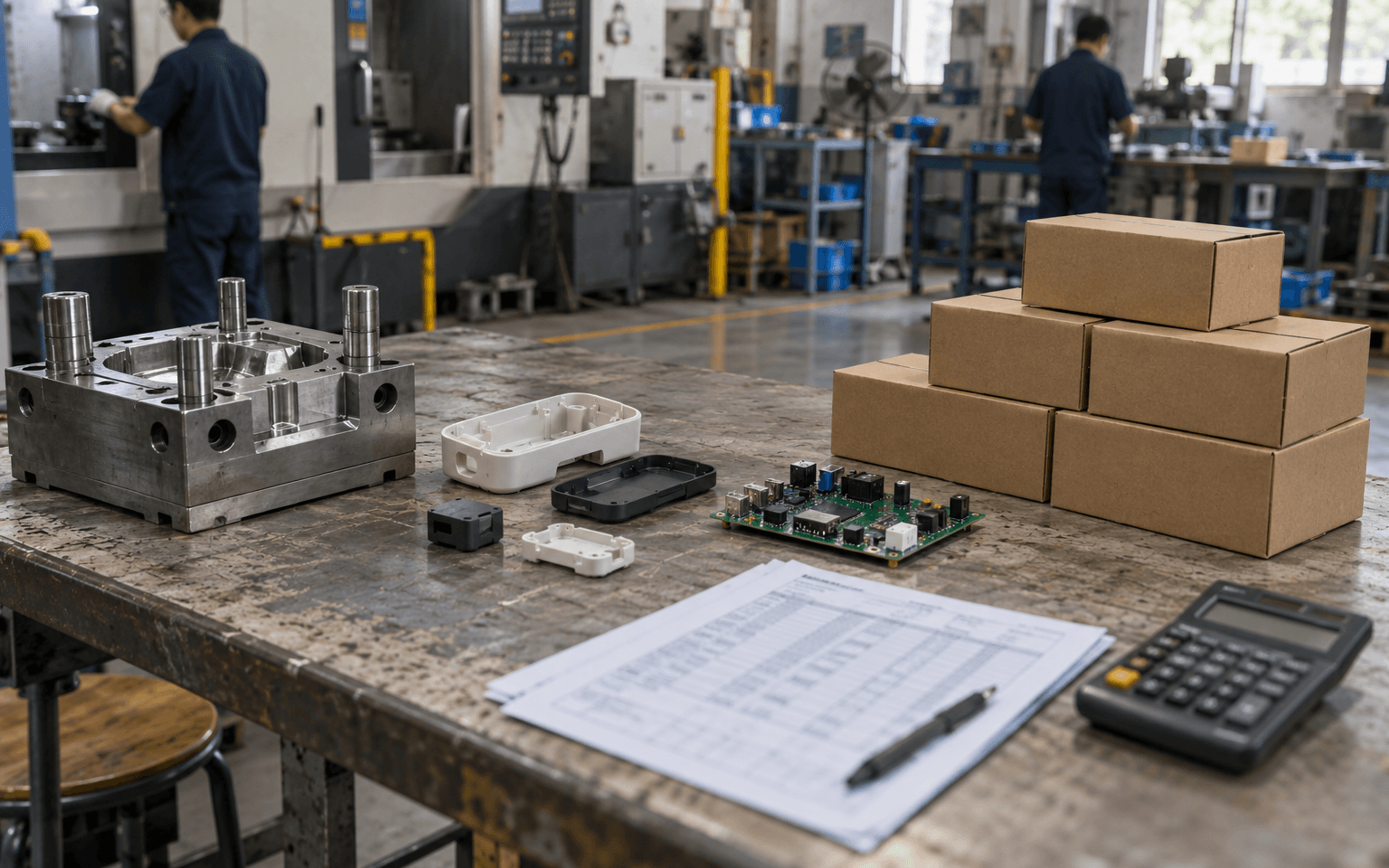
The cost buckets of developing and manufacturing a hardware product, explained for first-timers. Design, prototypes, tooling, certification and the first production order, with typical ranges where they're widely published, plus the costs people forget.
 09Basics · 9 min
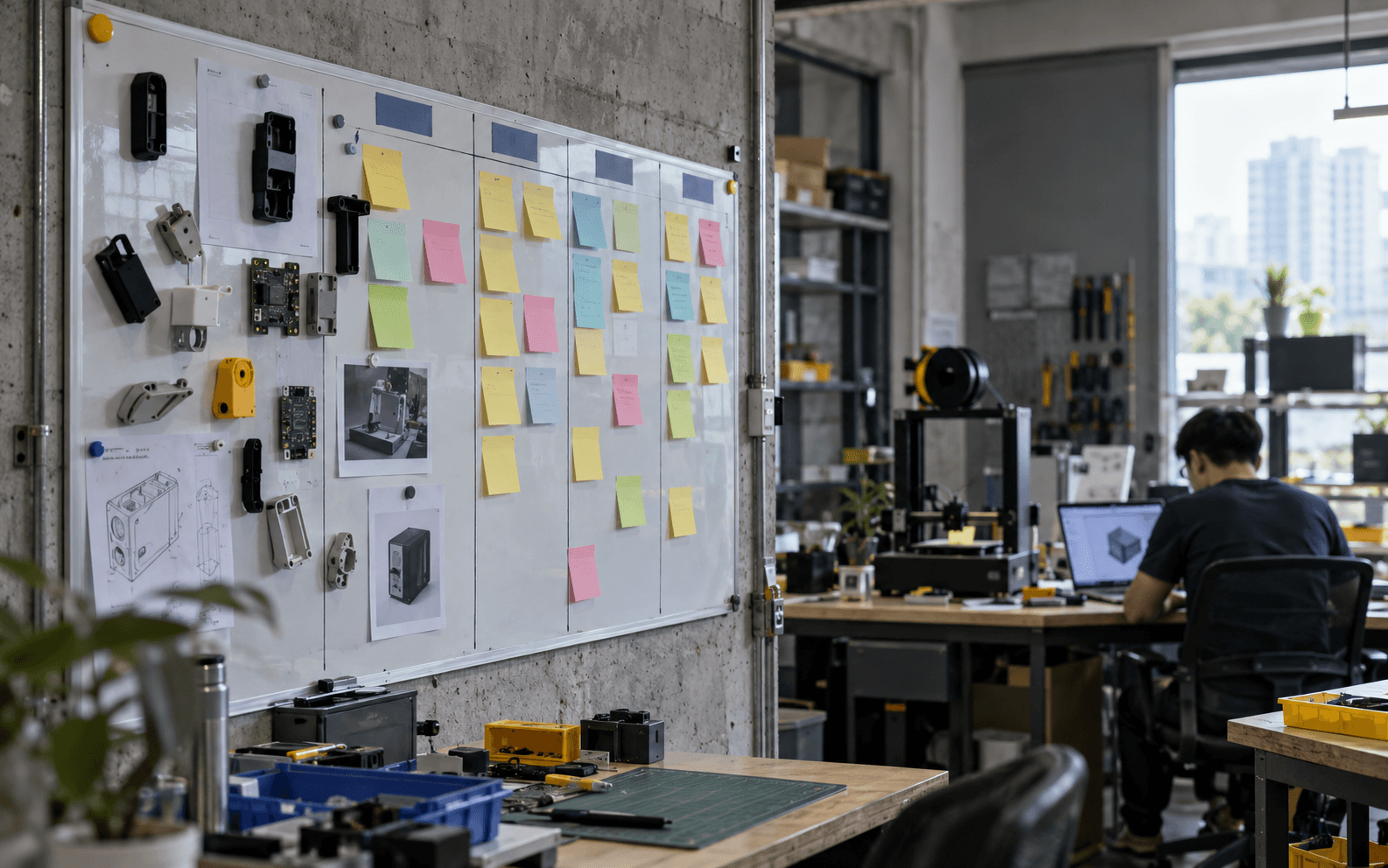
A realistic timeline for bringing a hardware product to market, stage by stage, for first-time founders. Where the time actually goes, what slows projects down in Shenzhen, and how to save weeks.
 10Working in China · 18 min
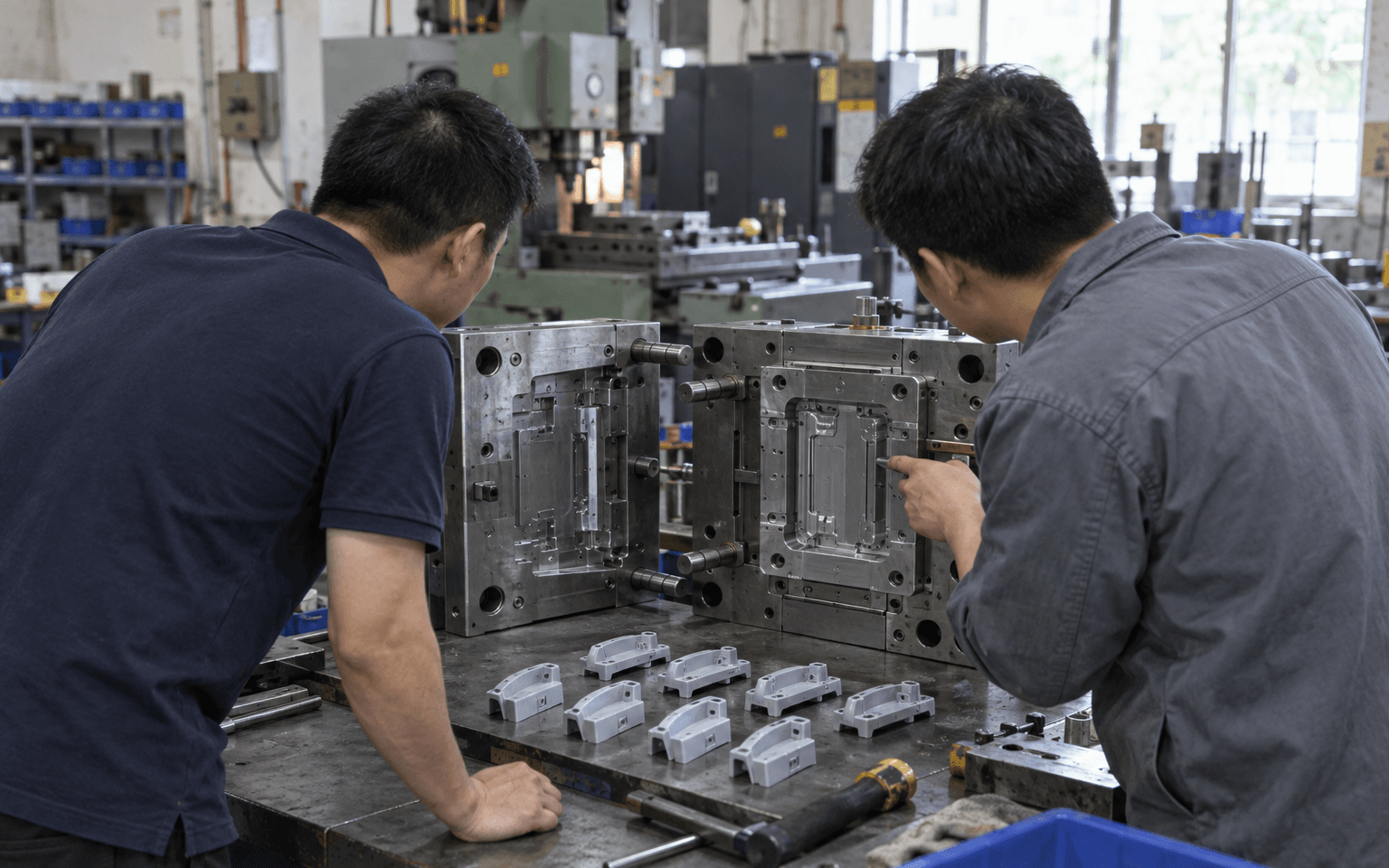
A plain-English walkthrough for first-timers. What an injection mold is, when you need one, what it costs, how long it takes, and how to make sure the mold belongs to you.
 11Basics · 11 min
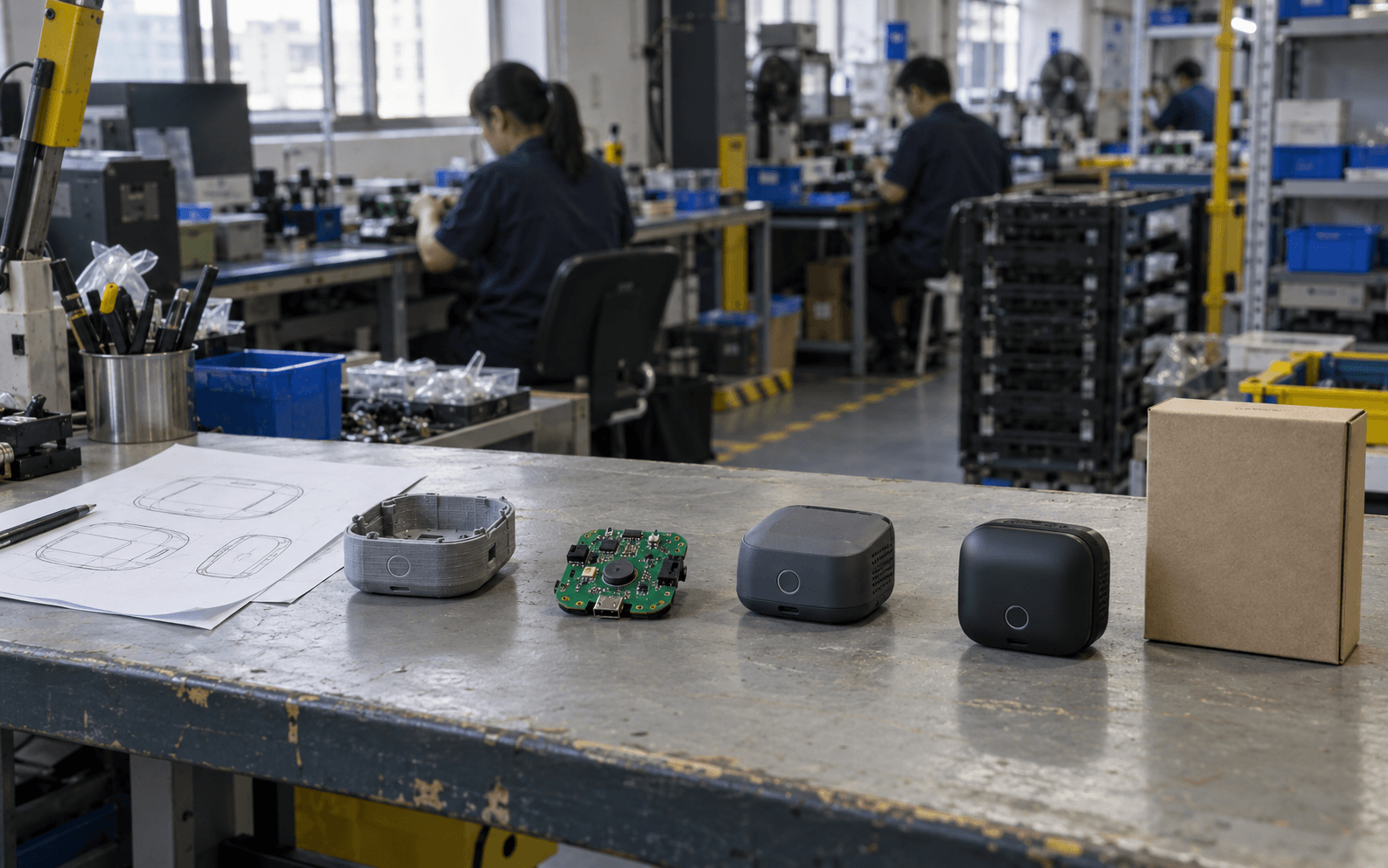
The stages of making a physical product, from first sketch to boxes on a ship, explained for first-timers. What happens at each stage, why it matters, what you get out of it, and who in Shenzhen helps.
A 手板 is made with prototype processes (CNC, printing, casting), so materials and tolerances can differ from molded parts. Use it to validate design, not production quality.
Most 手板厂 offer CNC, SLA and vacuum casting in-house, and outsource painting or plating locally.