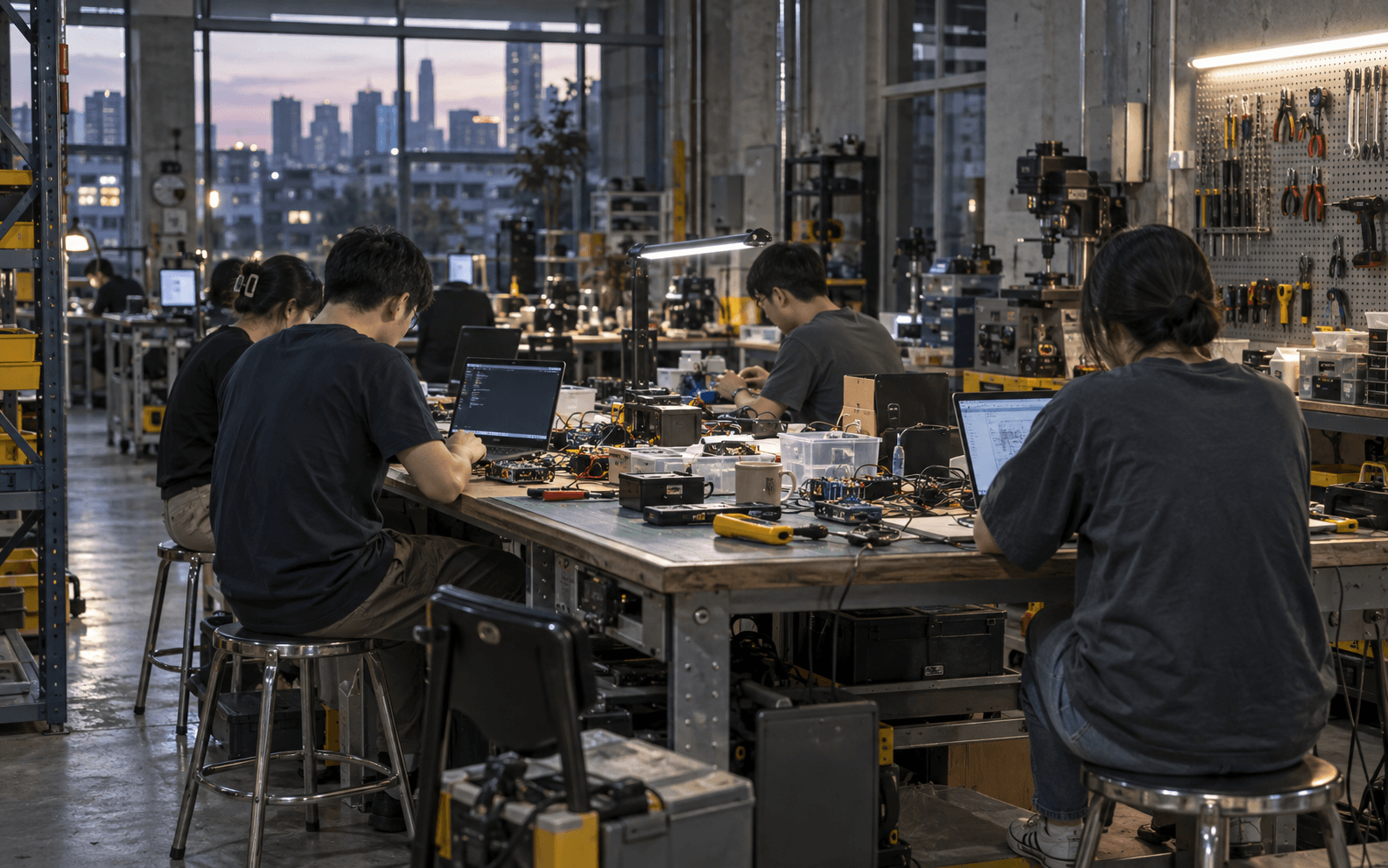
Sino-British founders (CEO Vader Yu and James Murphy) and English-speaking project managers
Shenzhen · Bao'anStation 02 / 10
Prototyping 手板
What happens at this stage
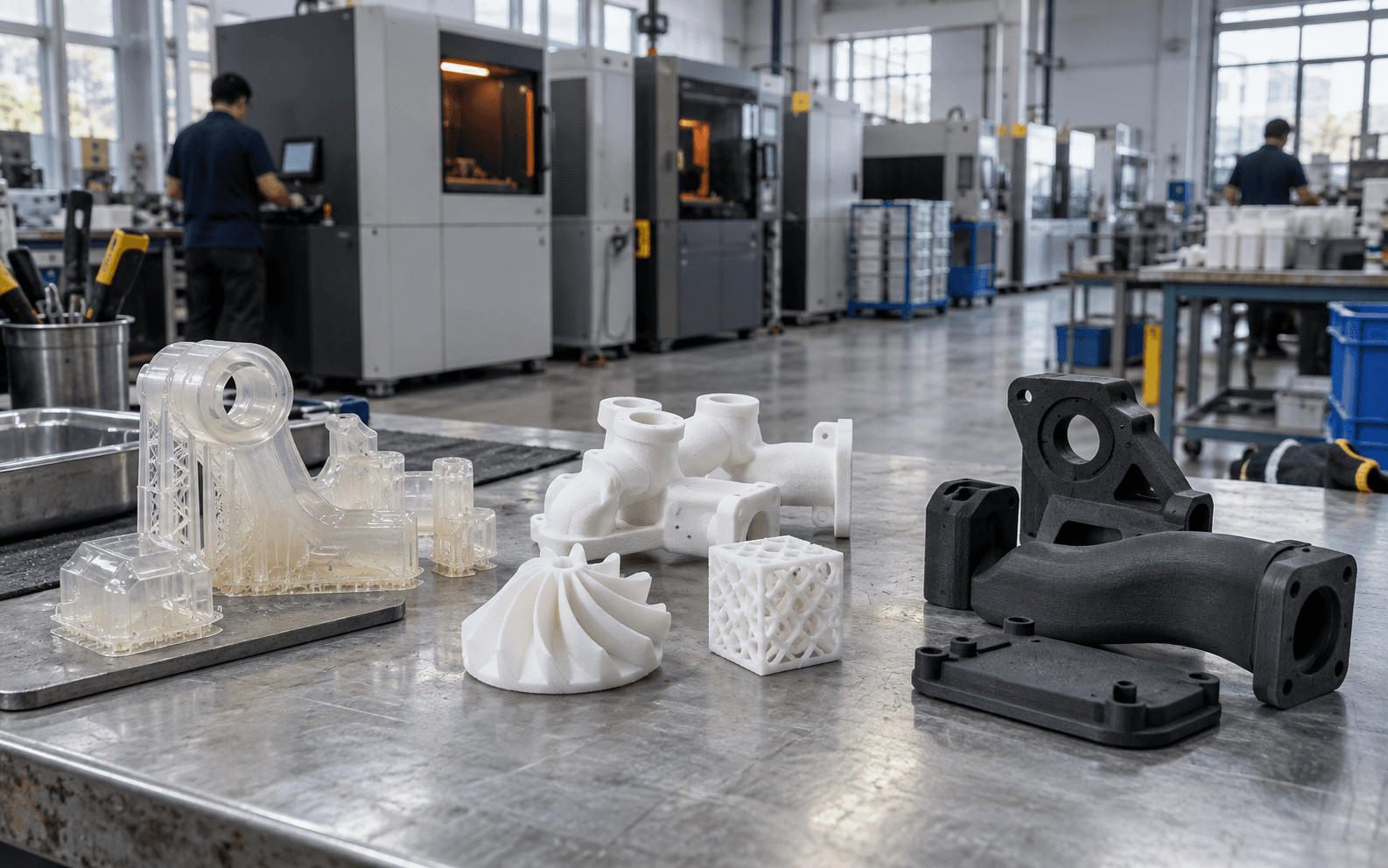
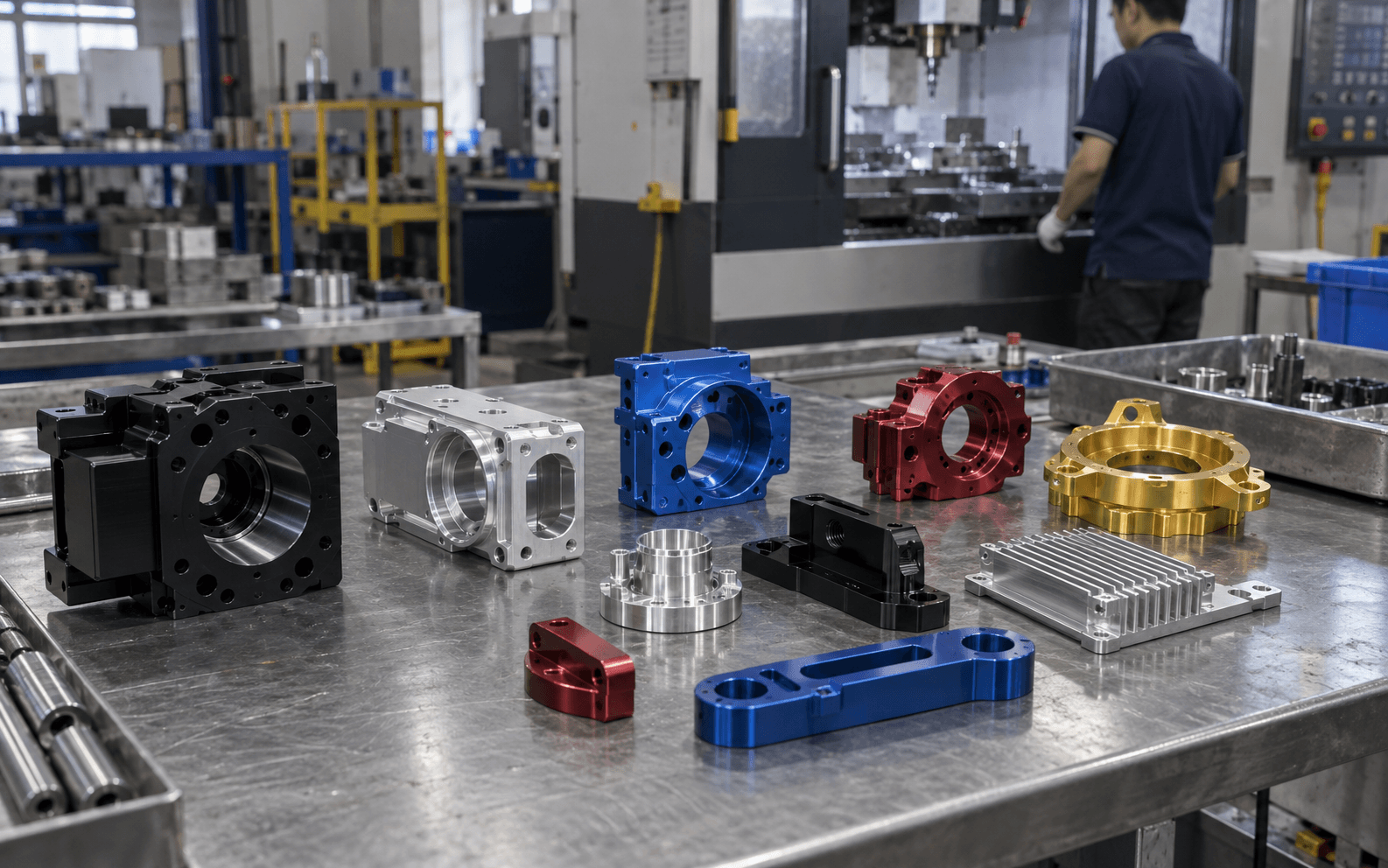
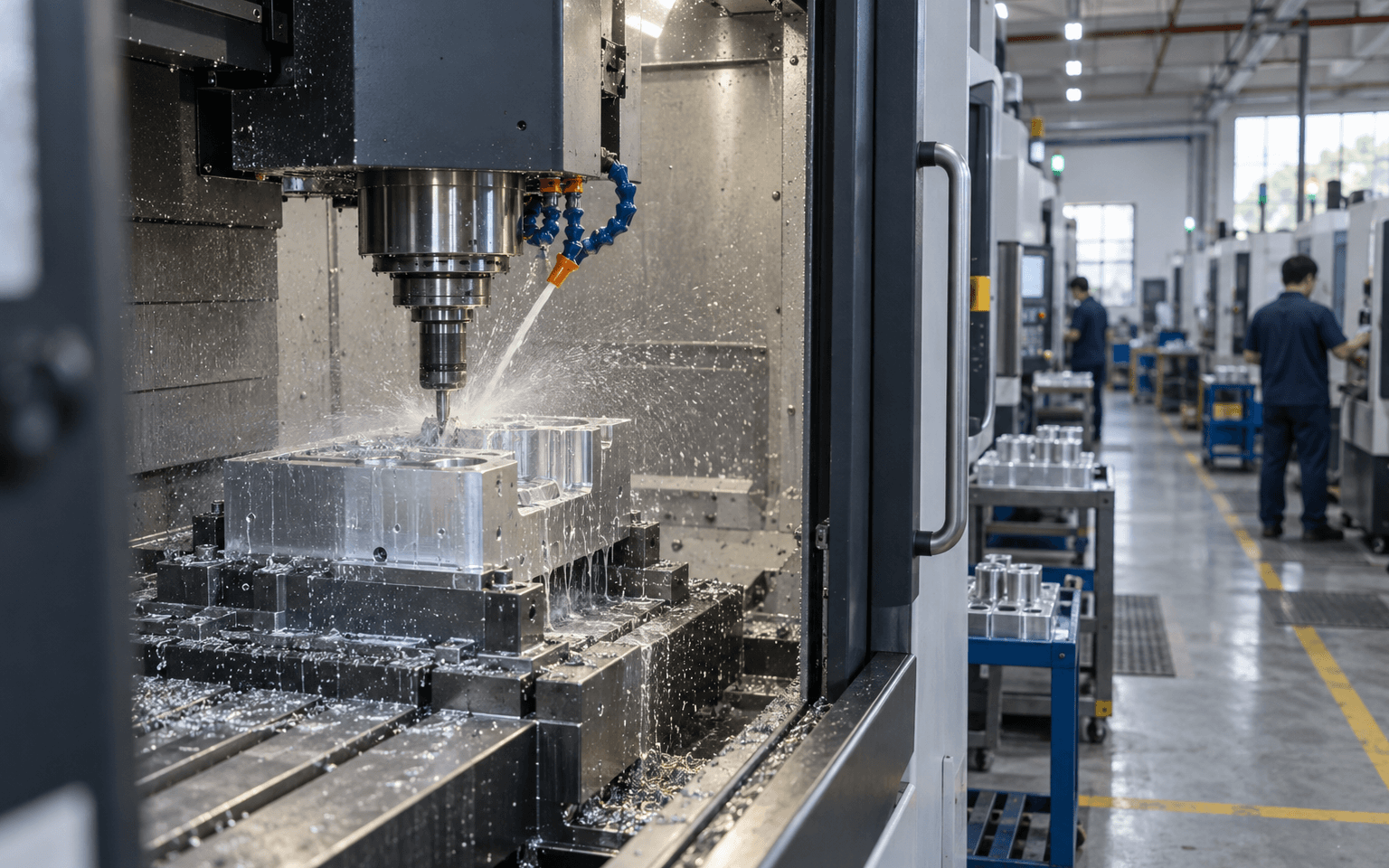
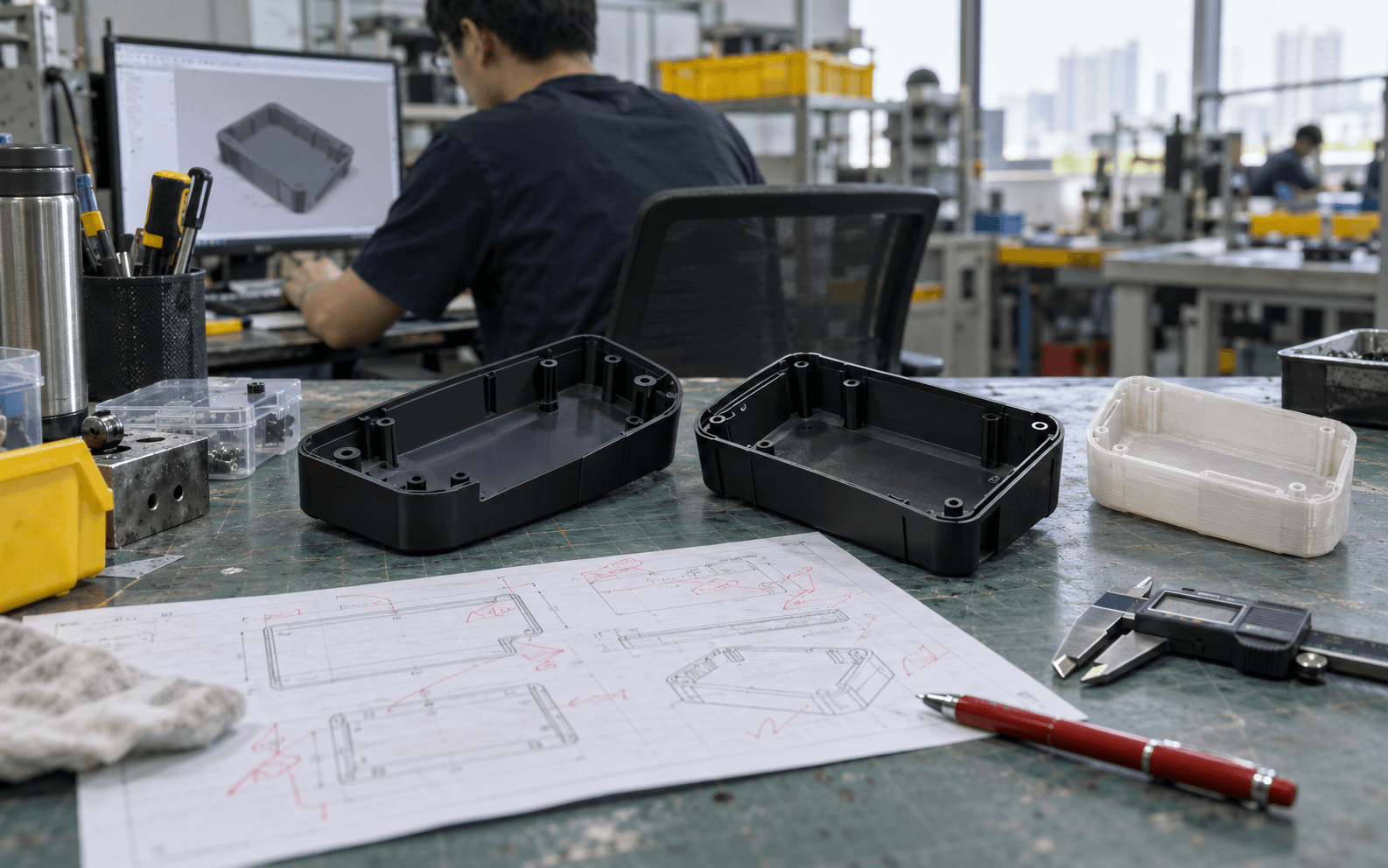
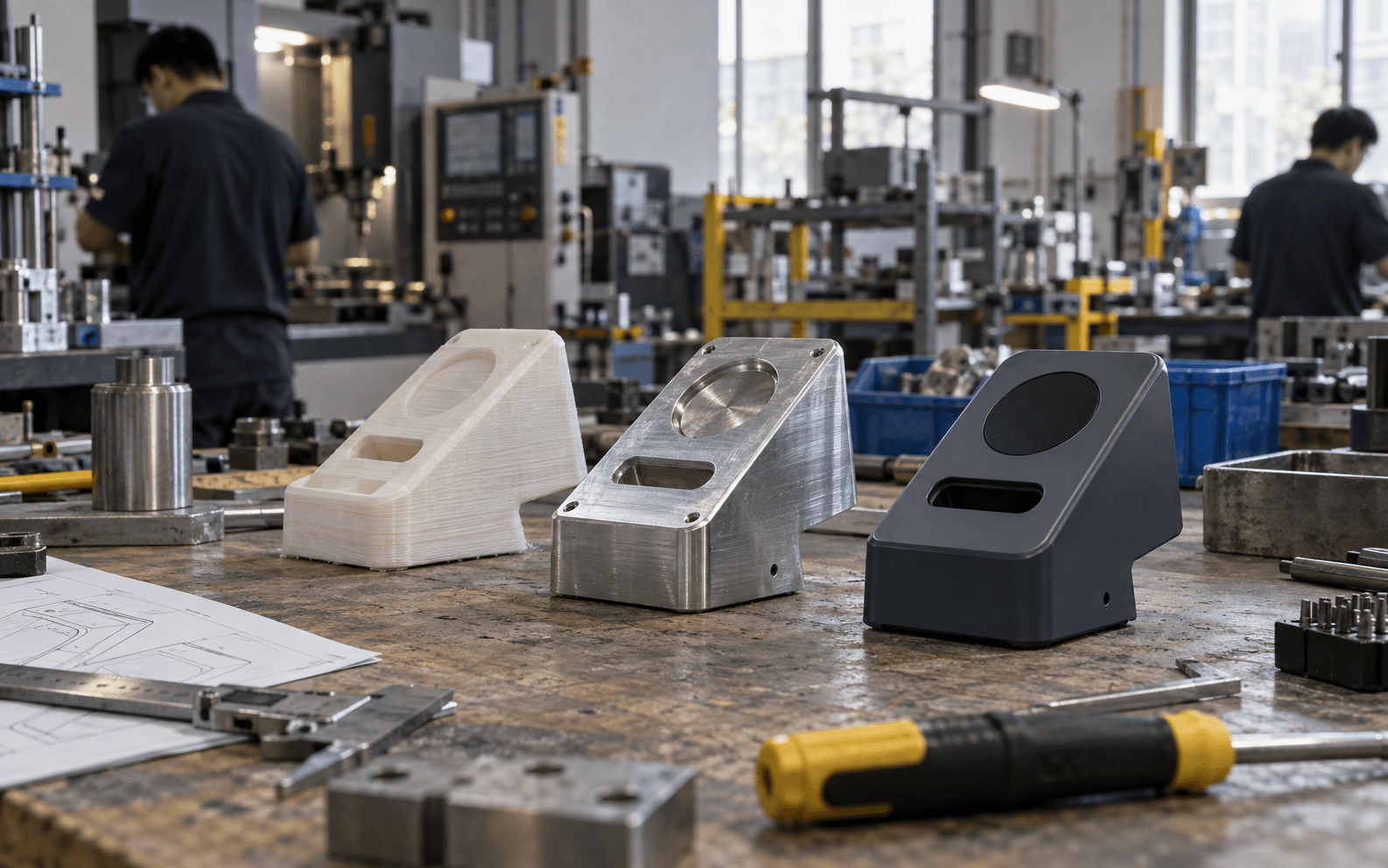
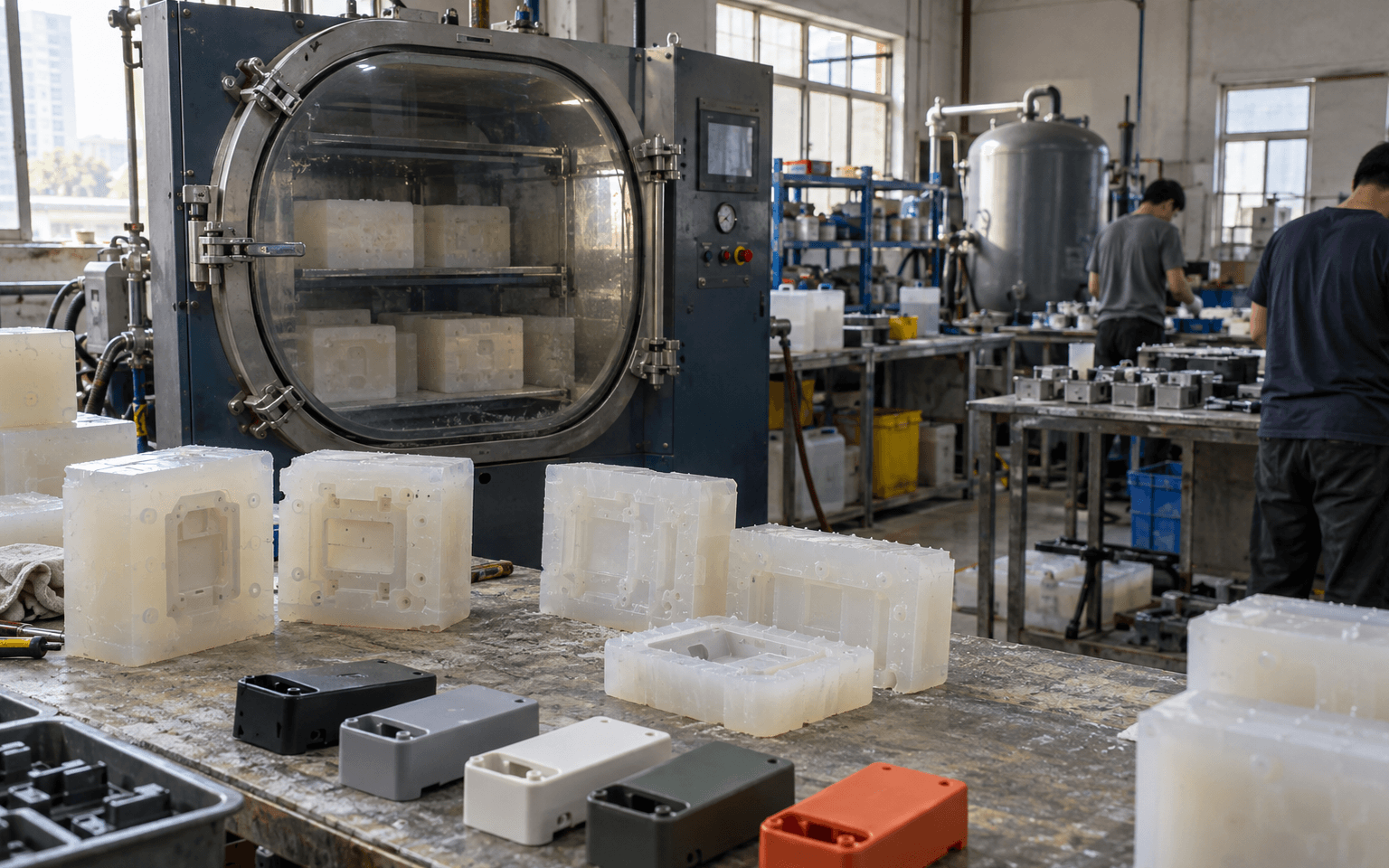
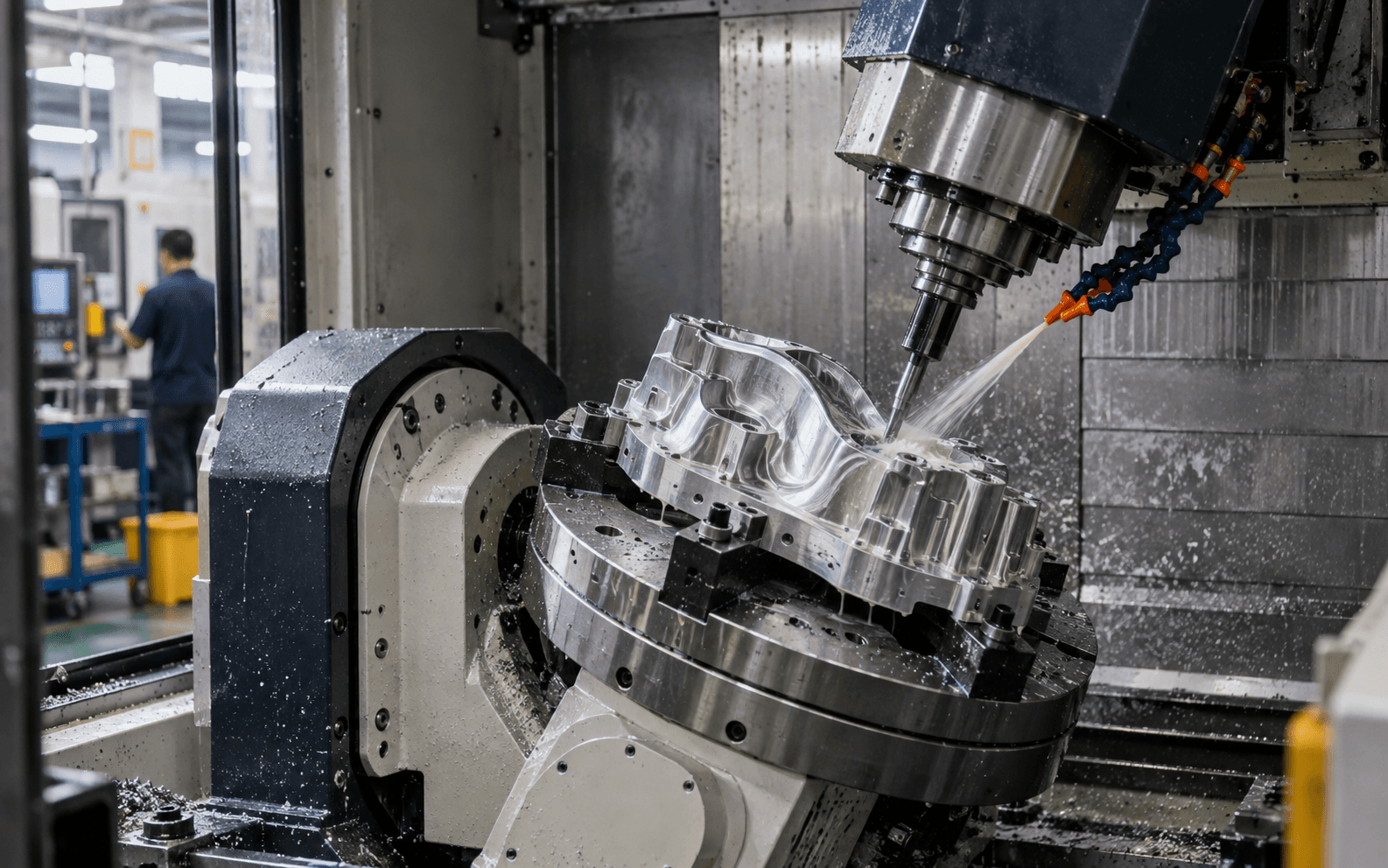
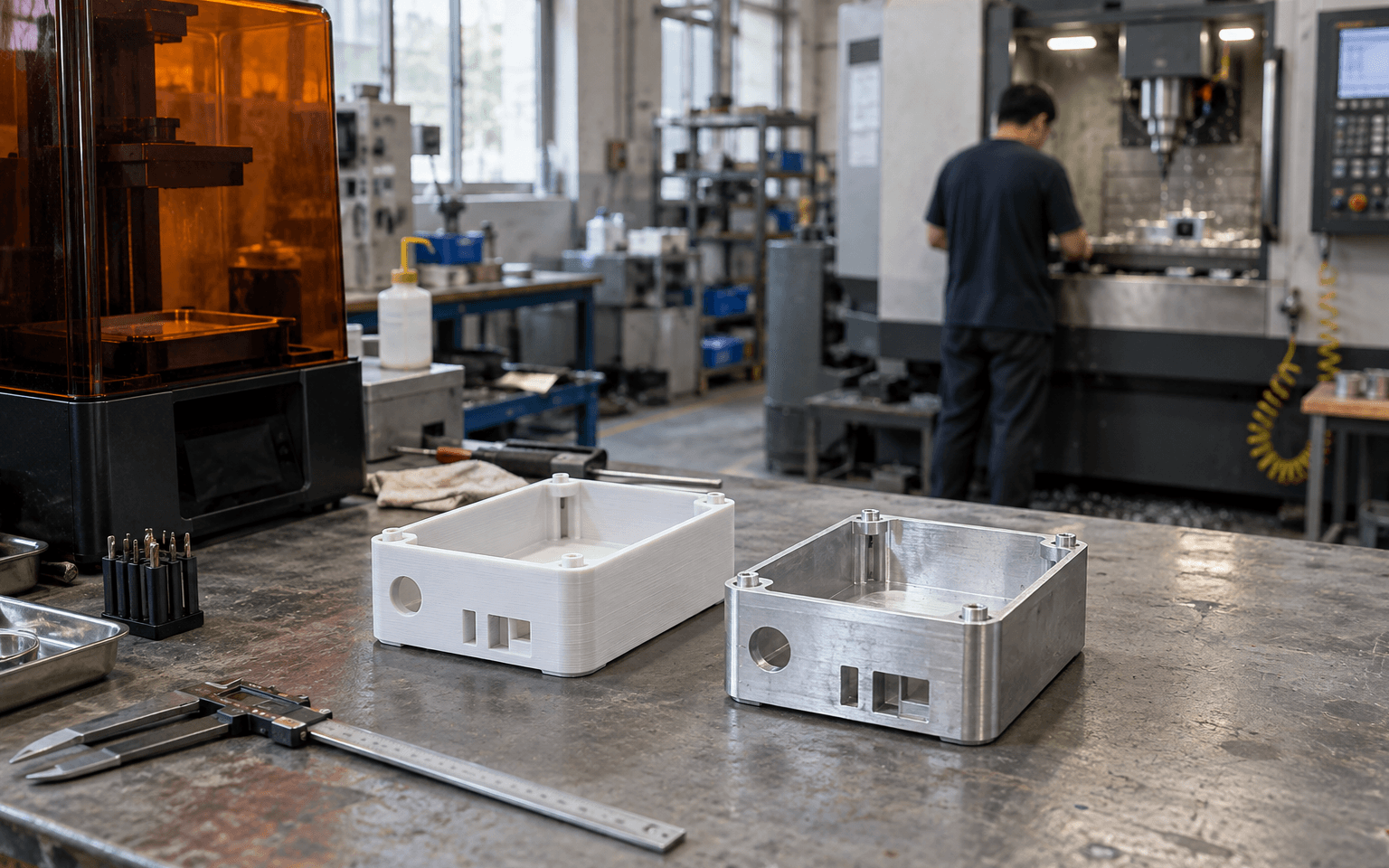
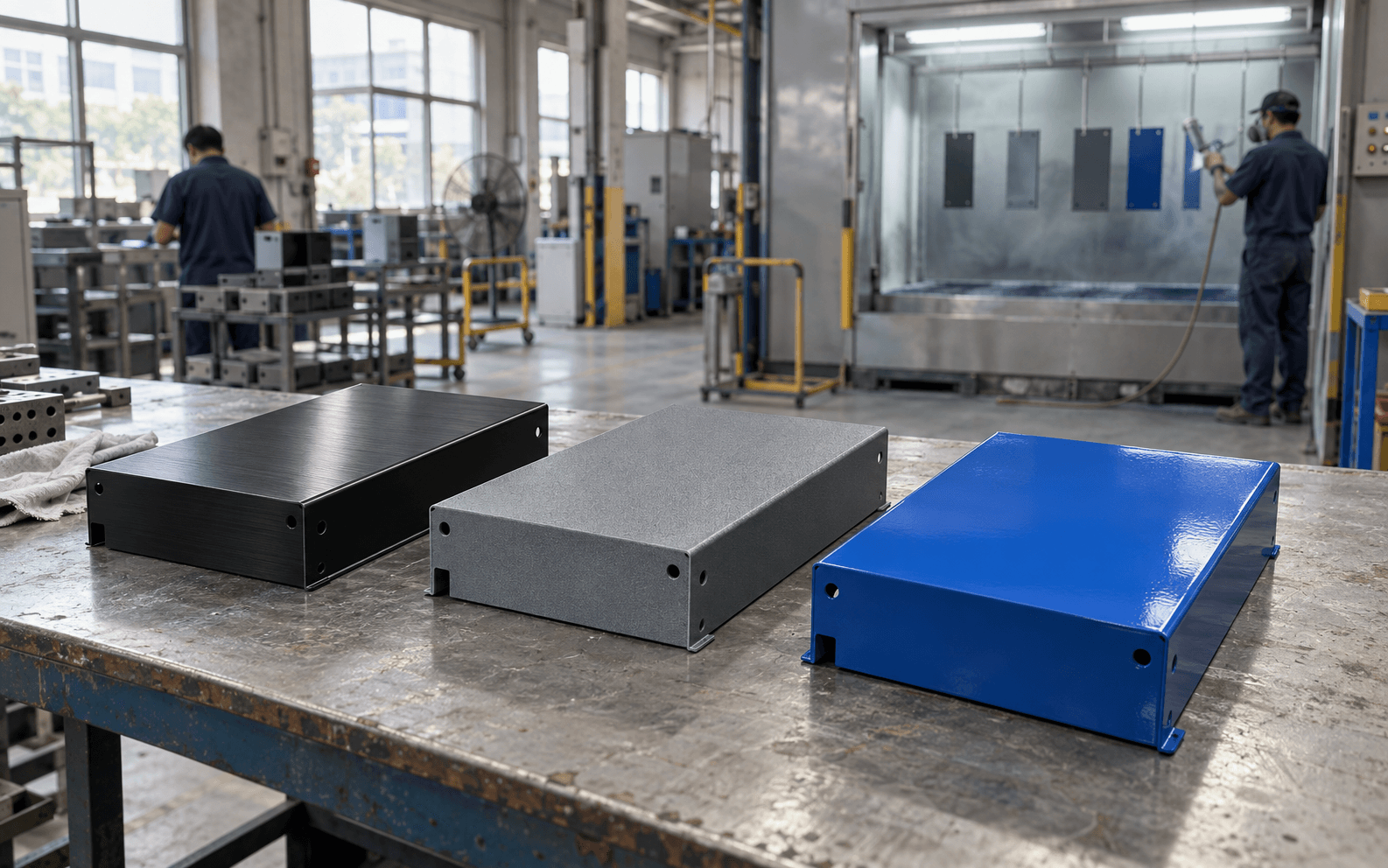
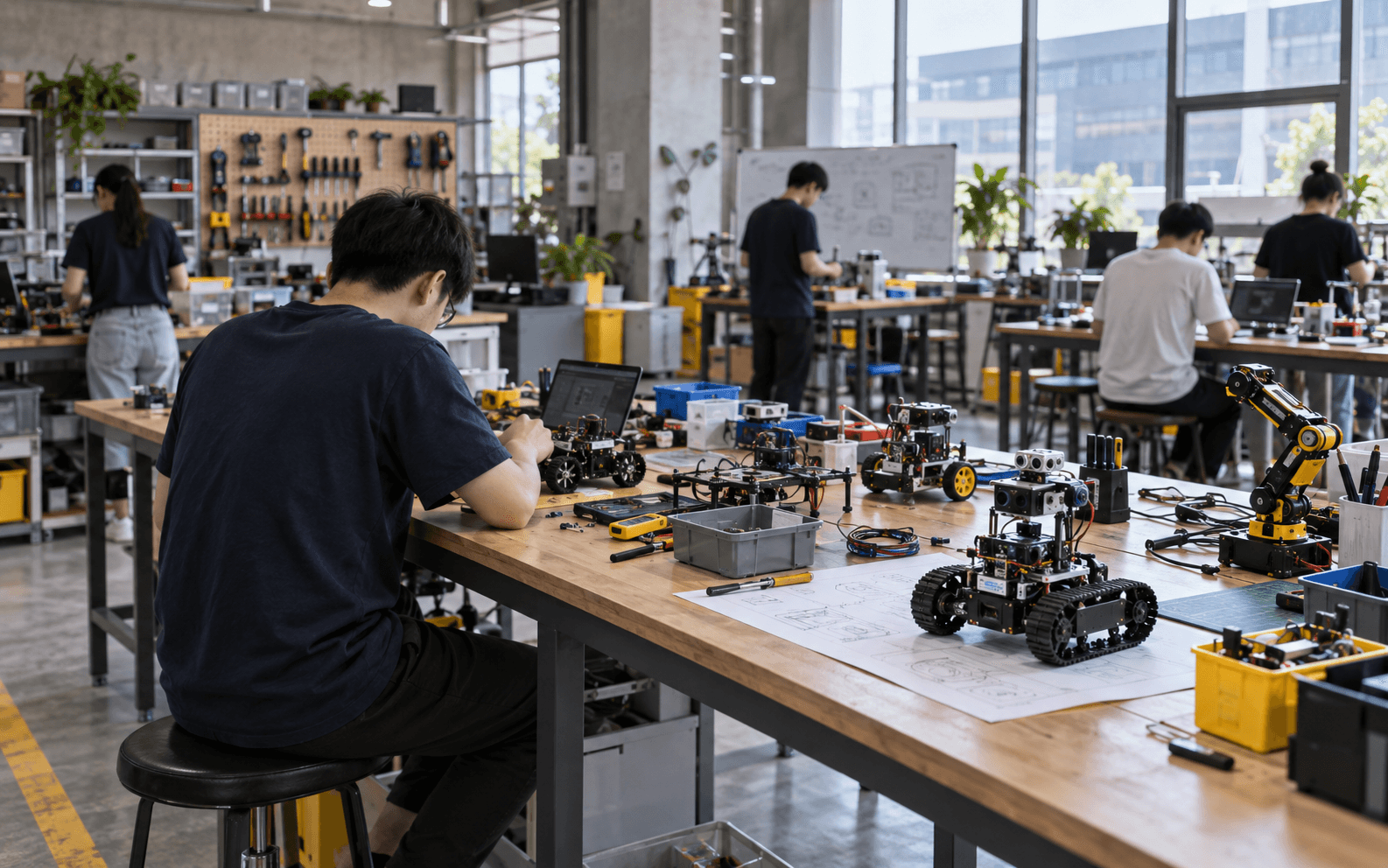
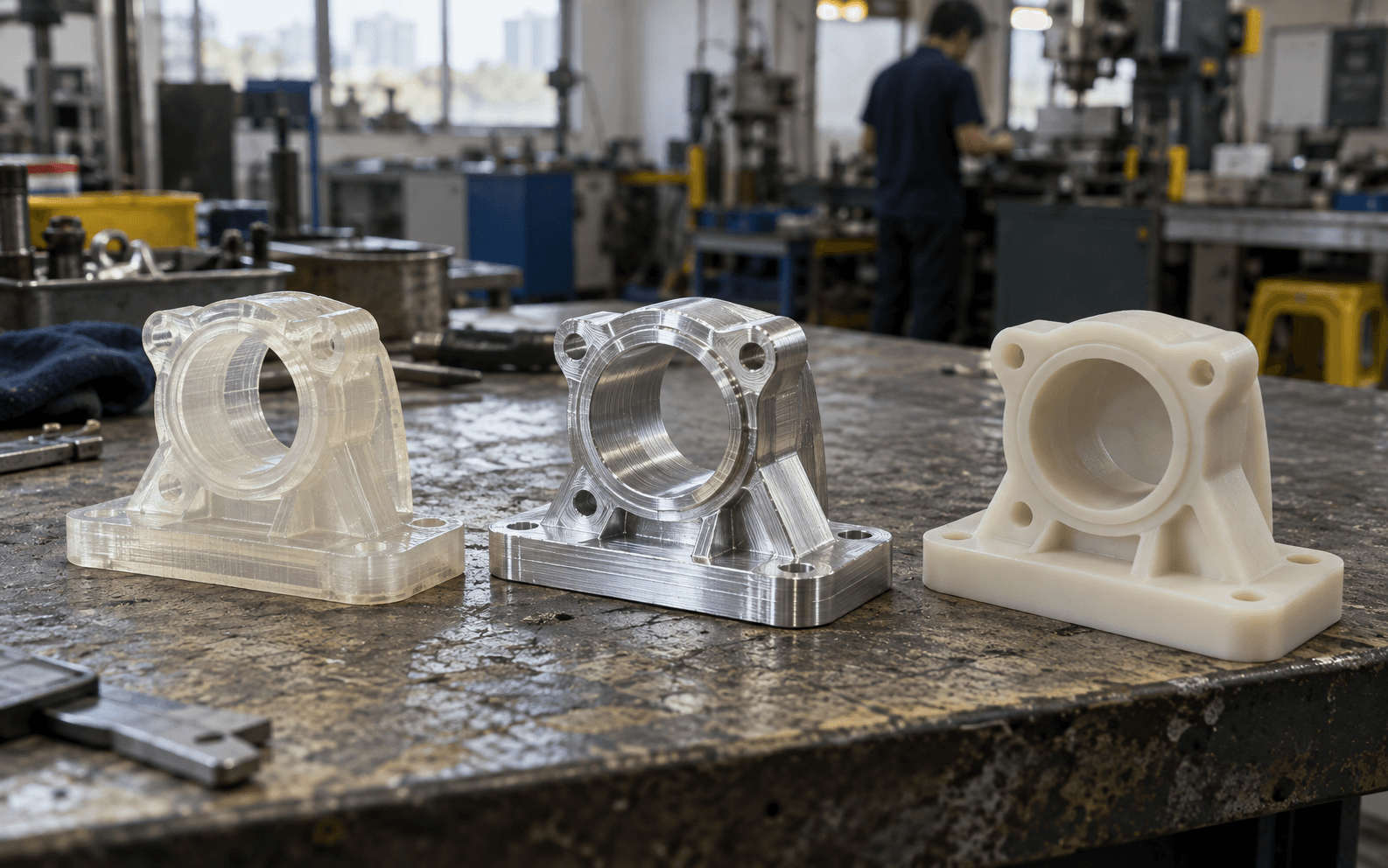
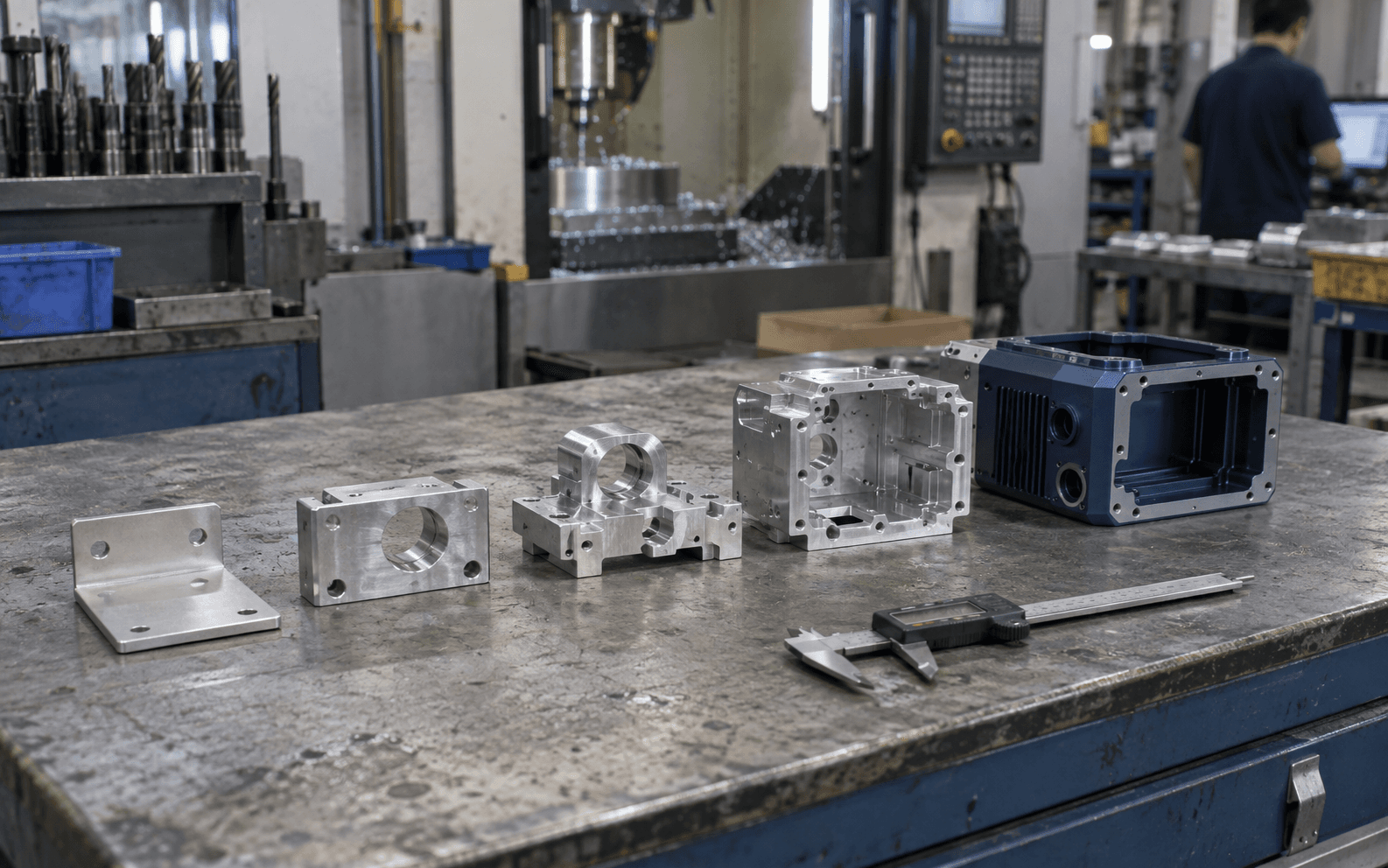
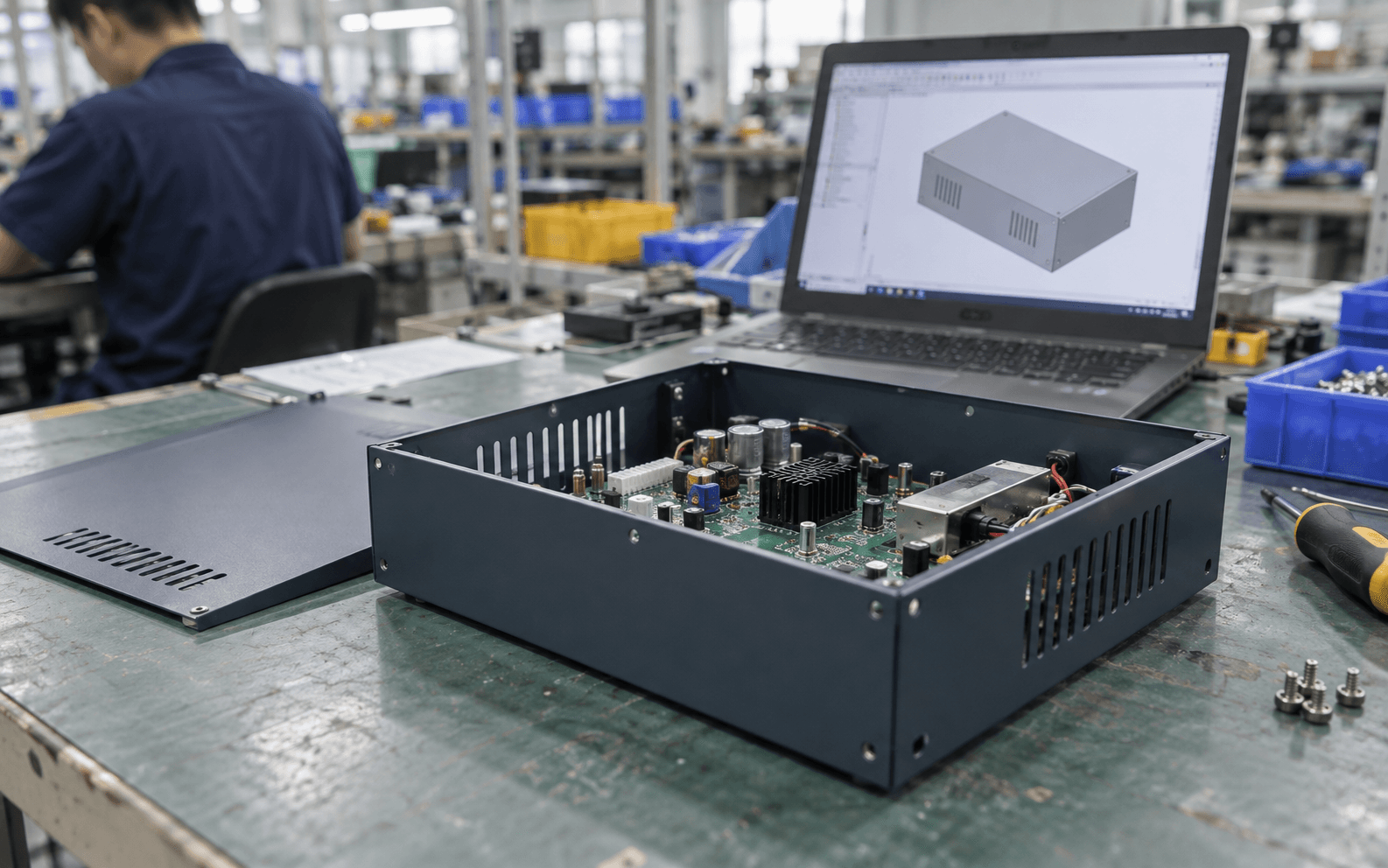
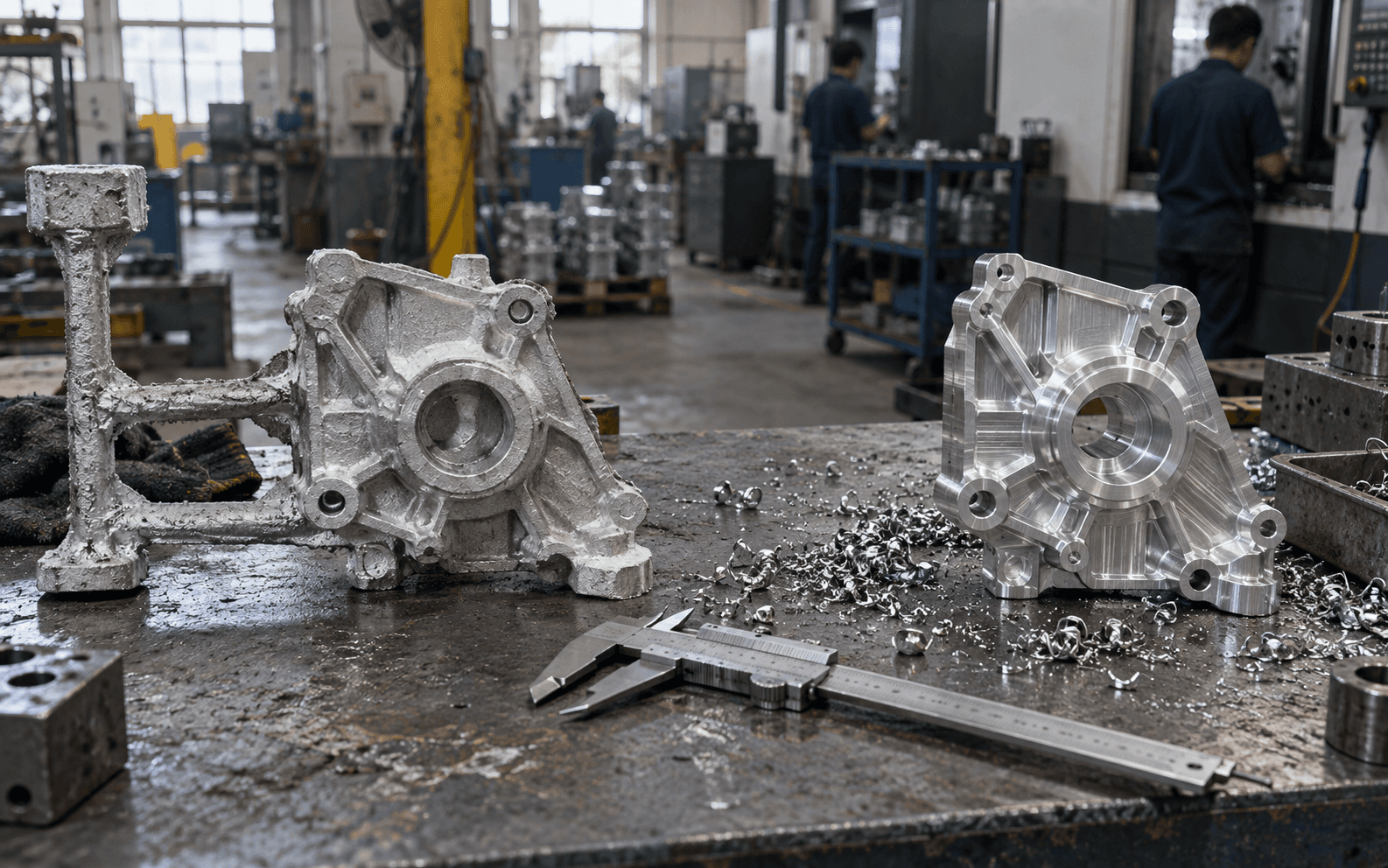
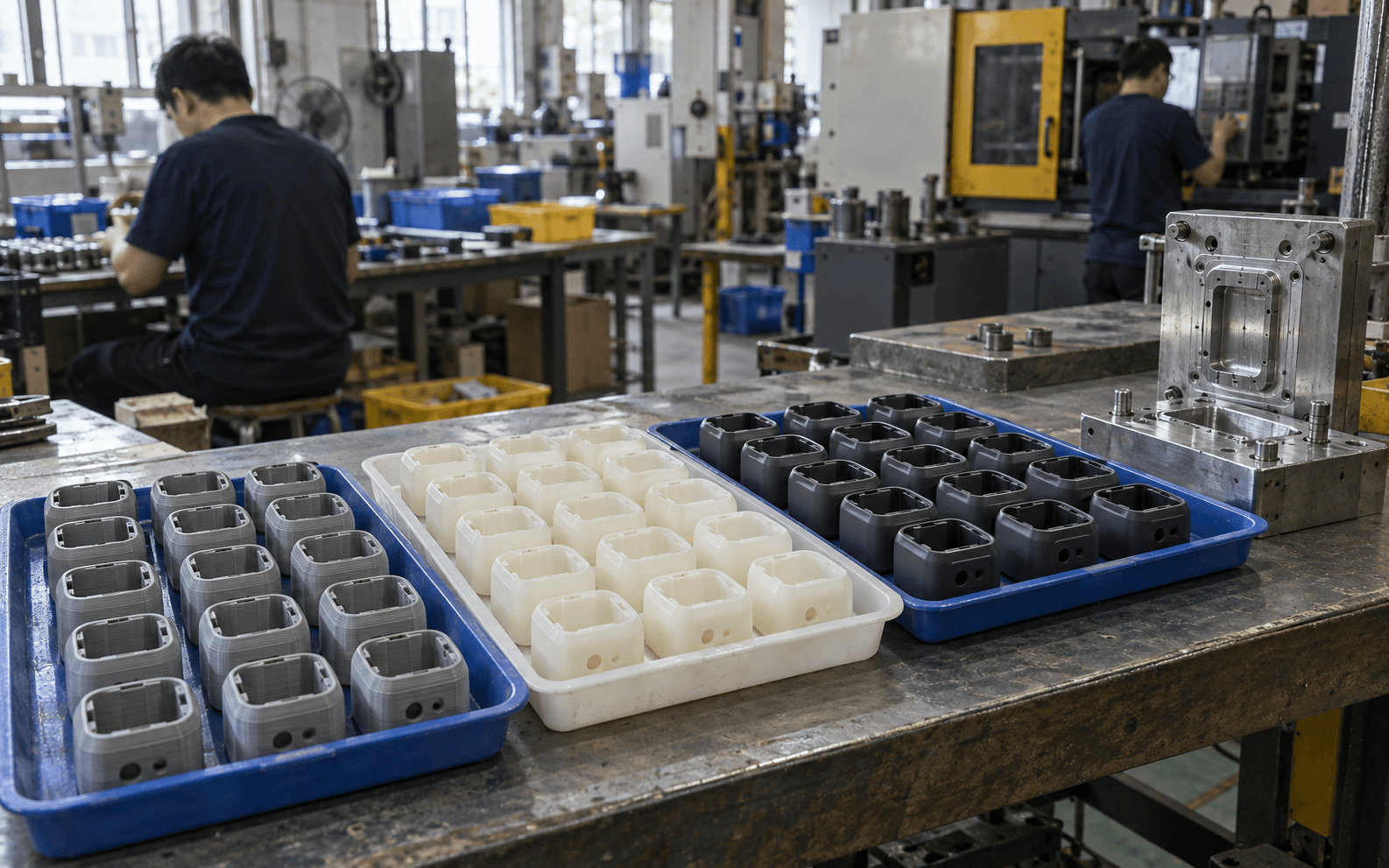
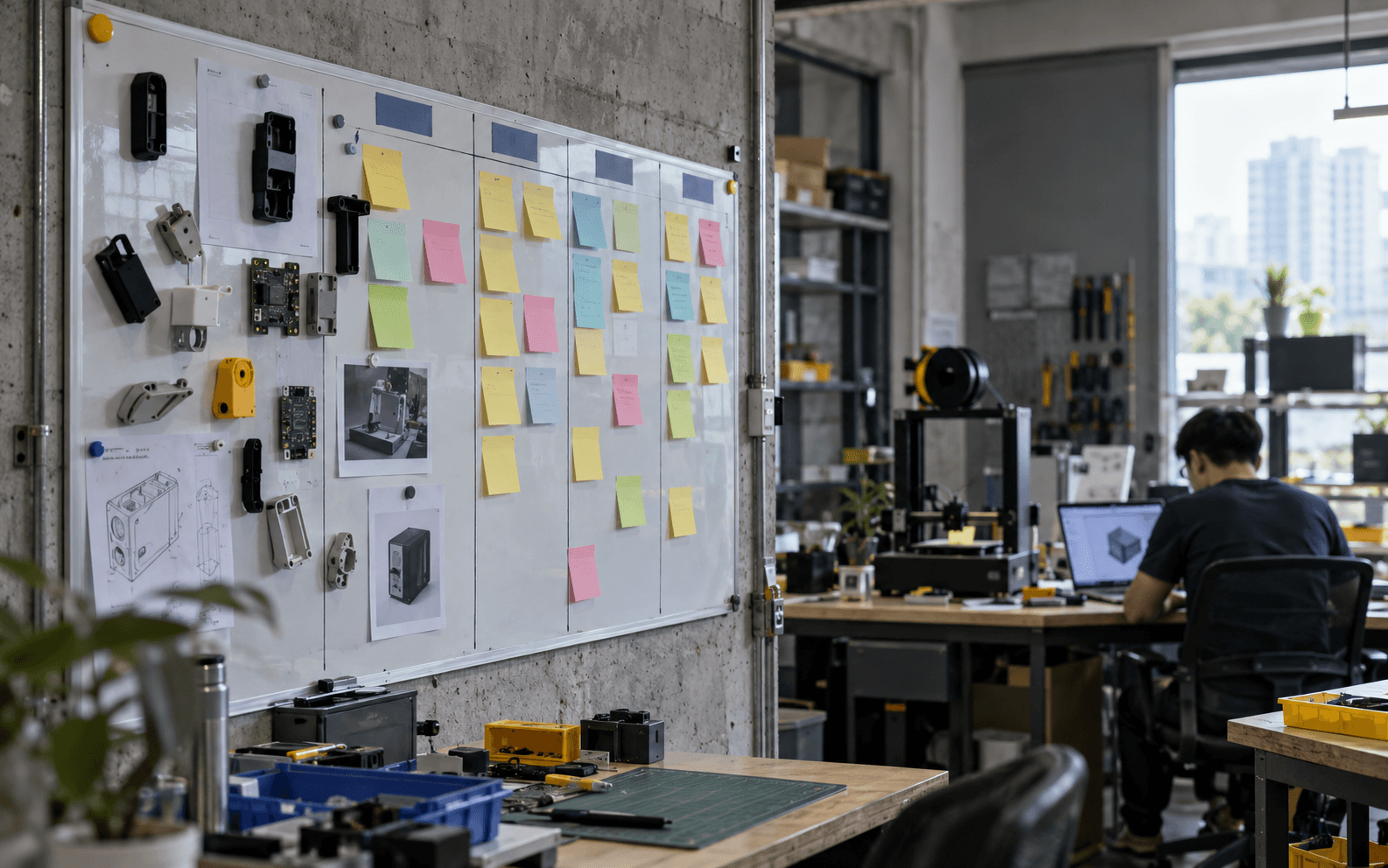
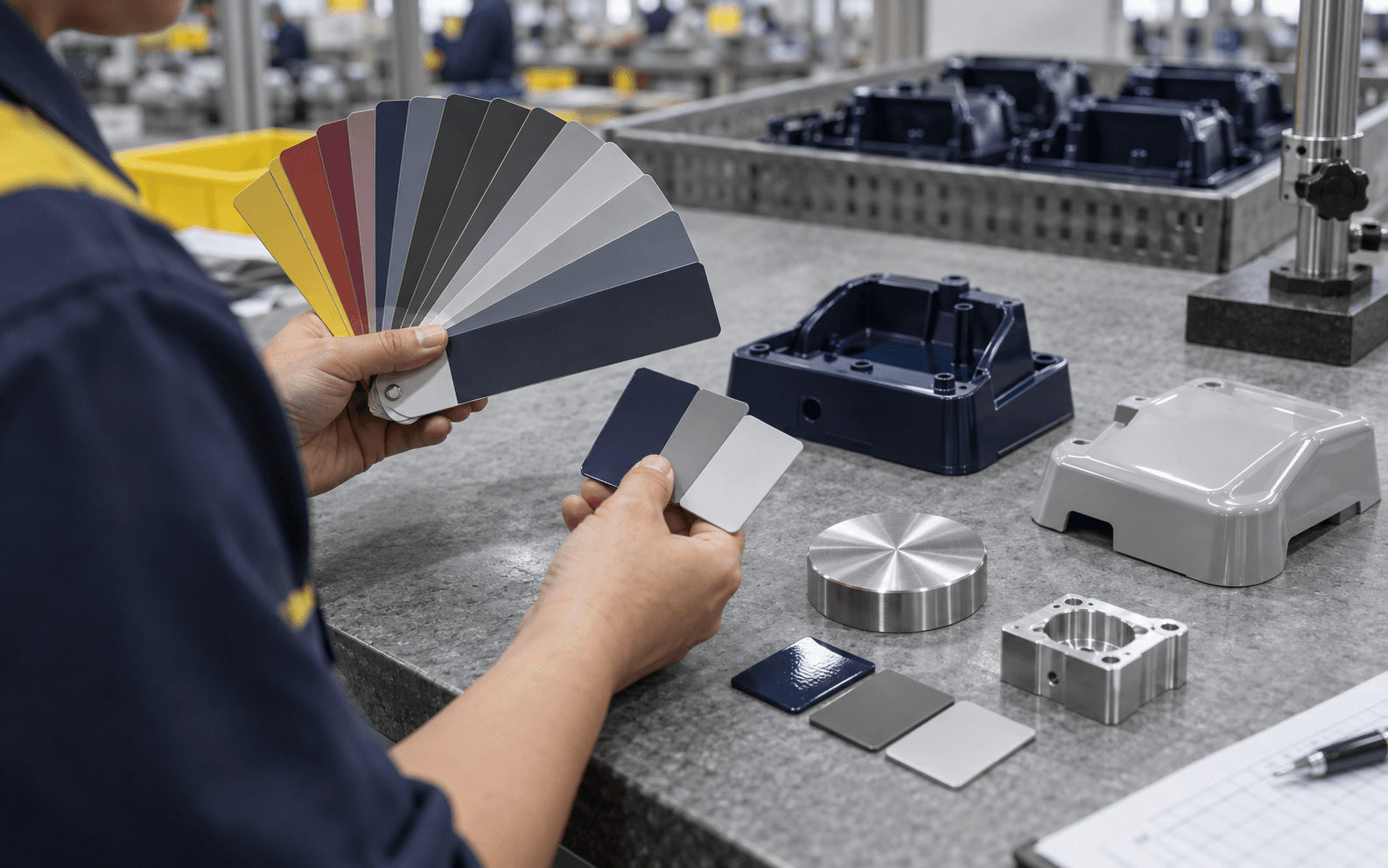
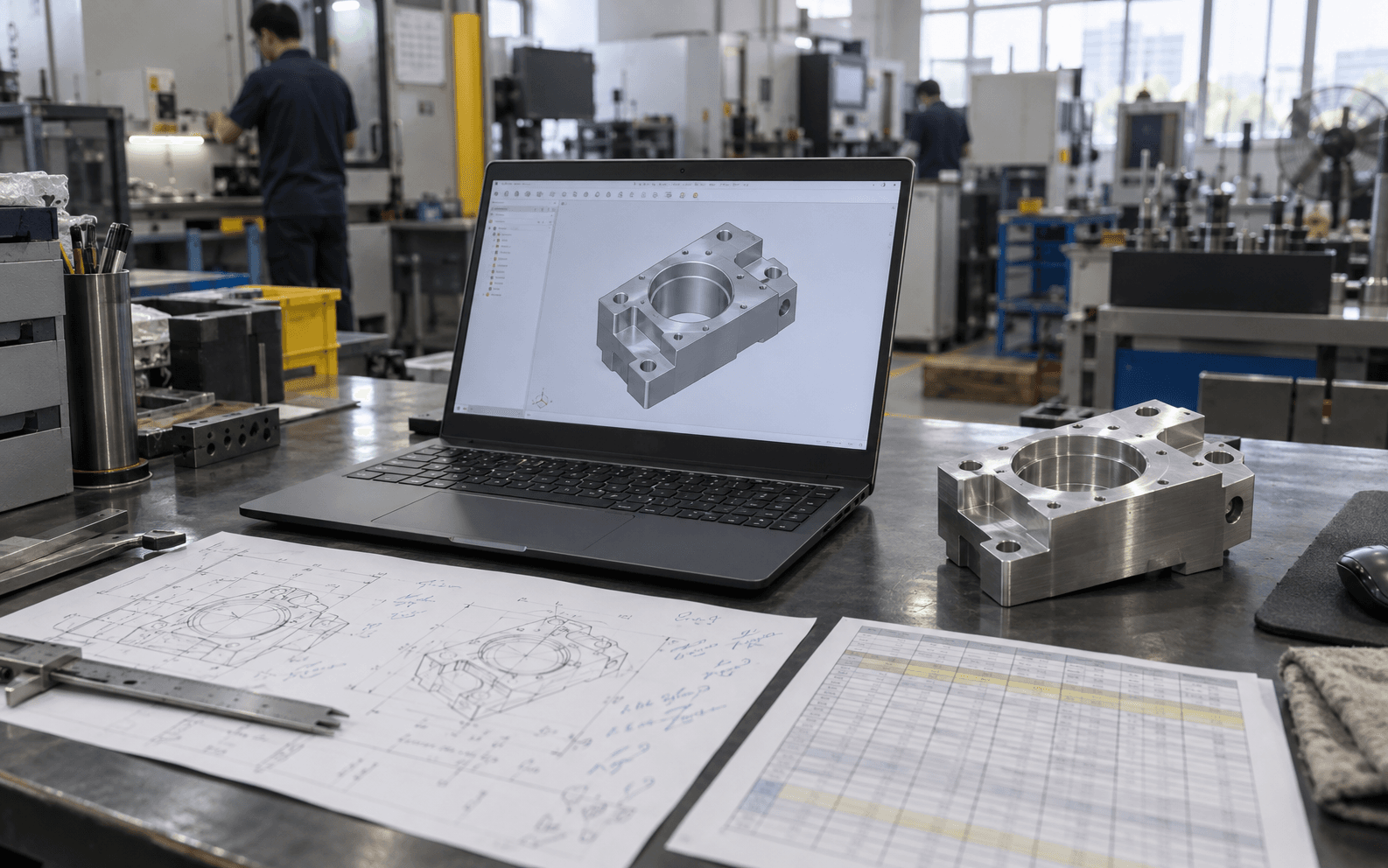
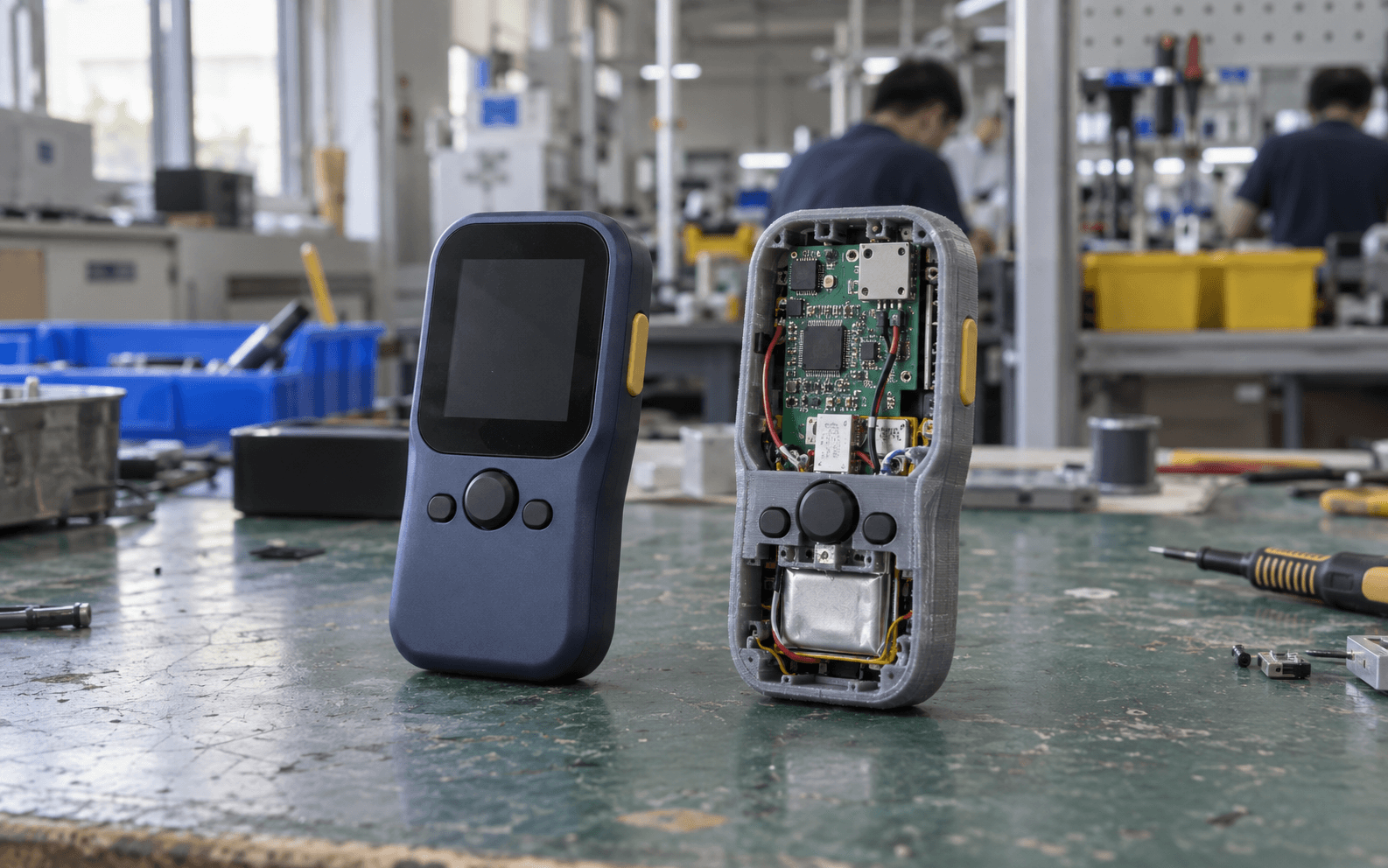
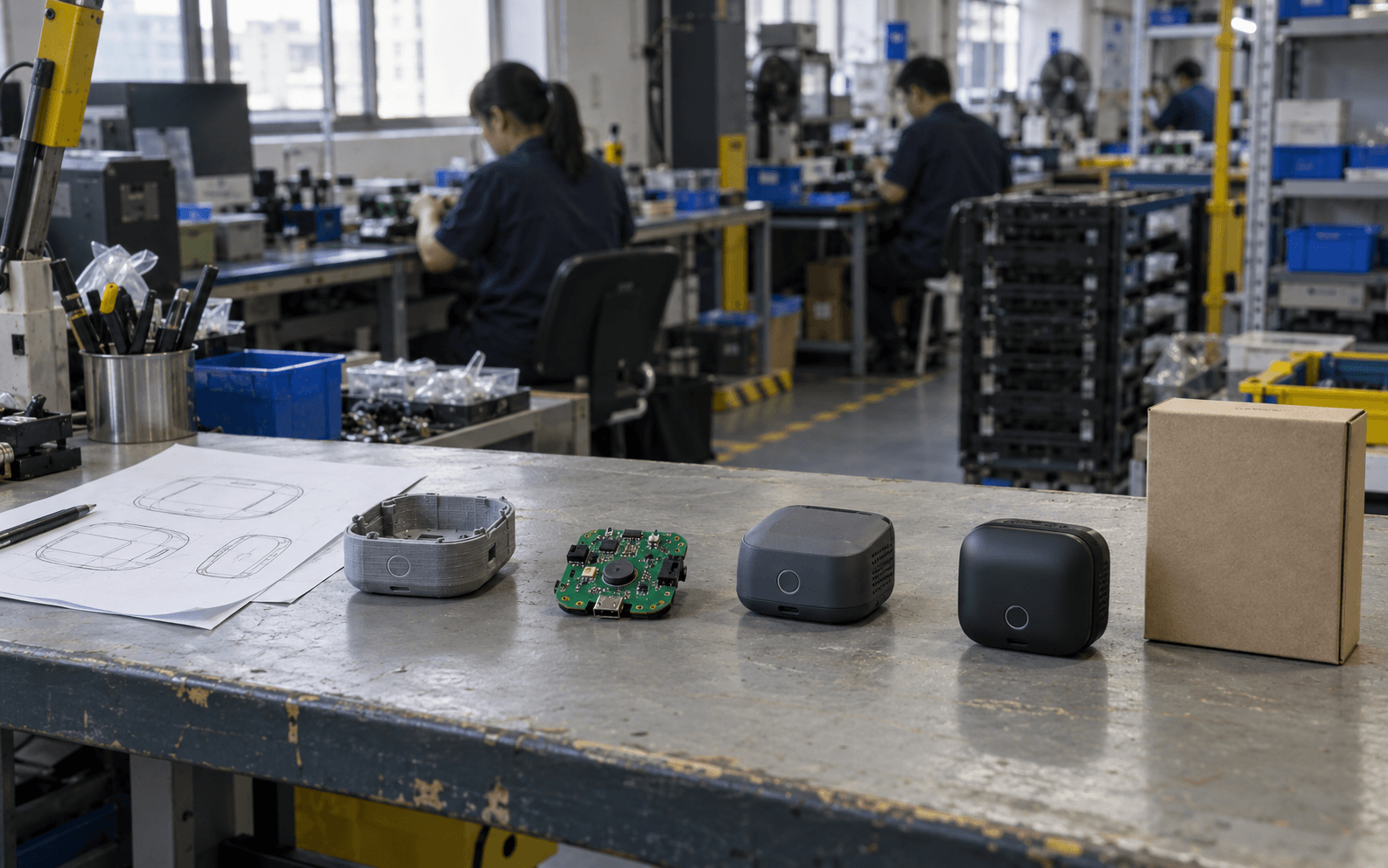
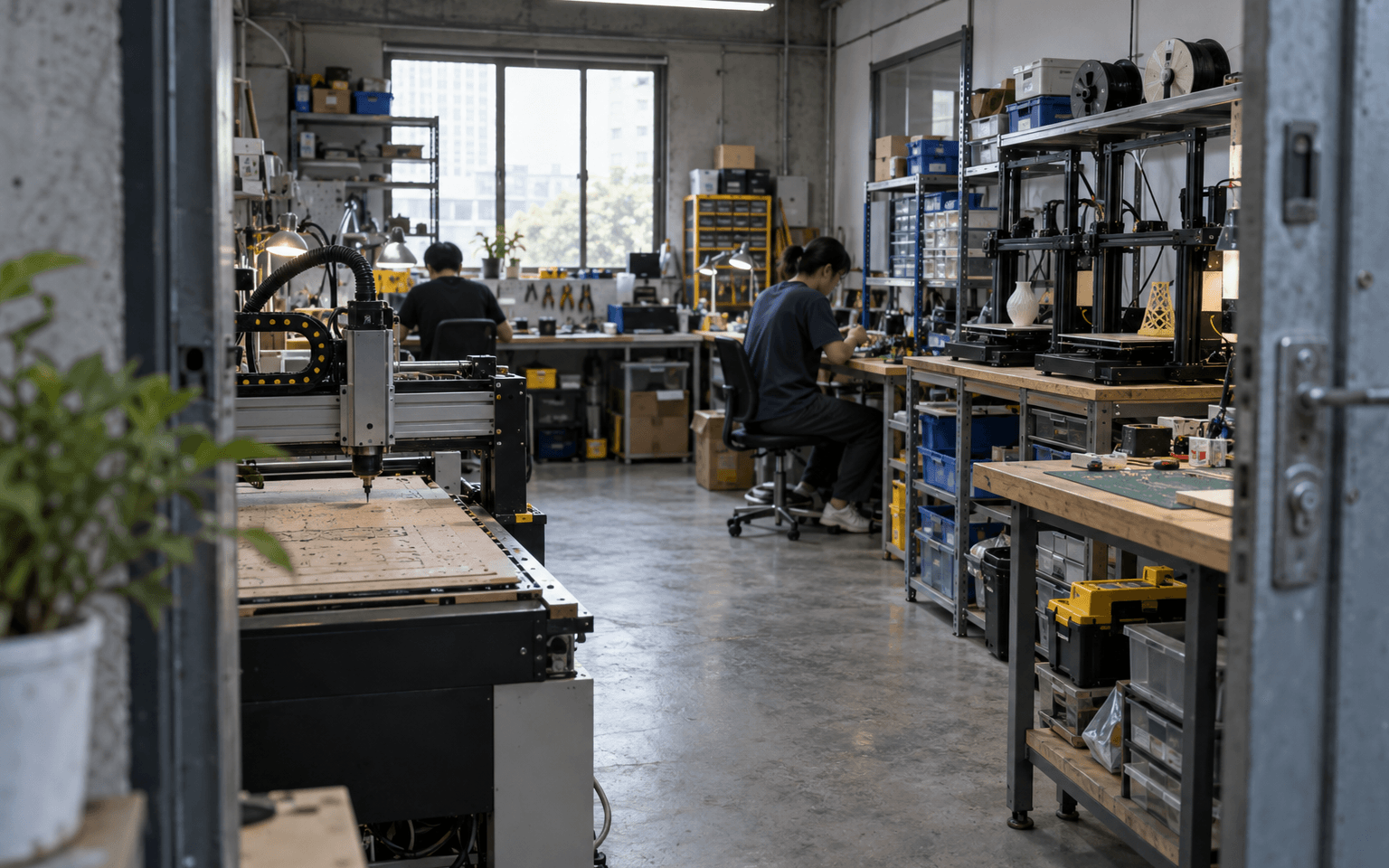
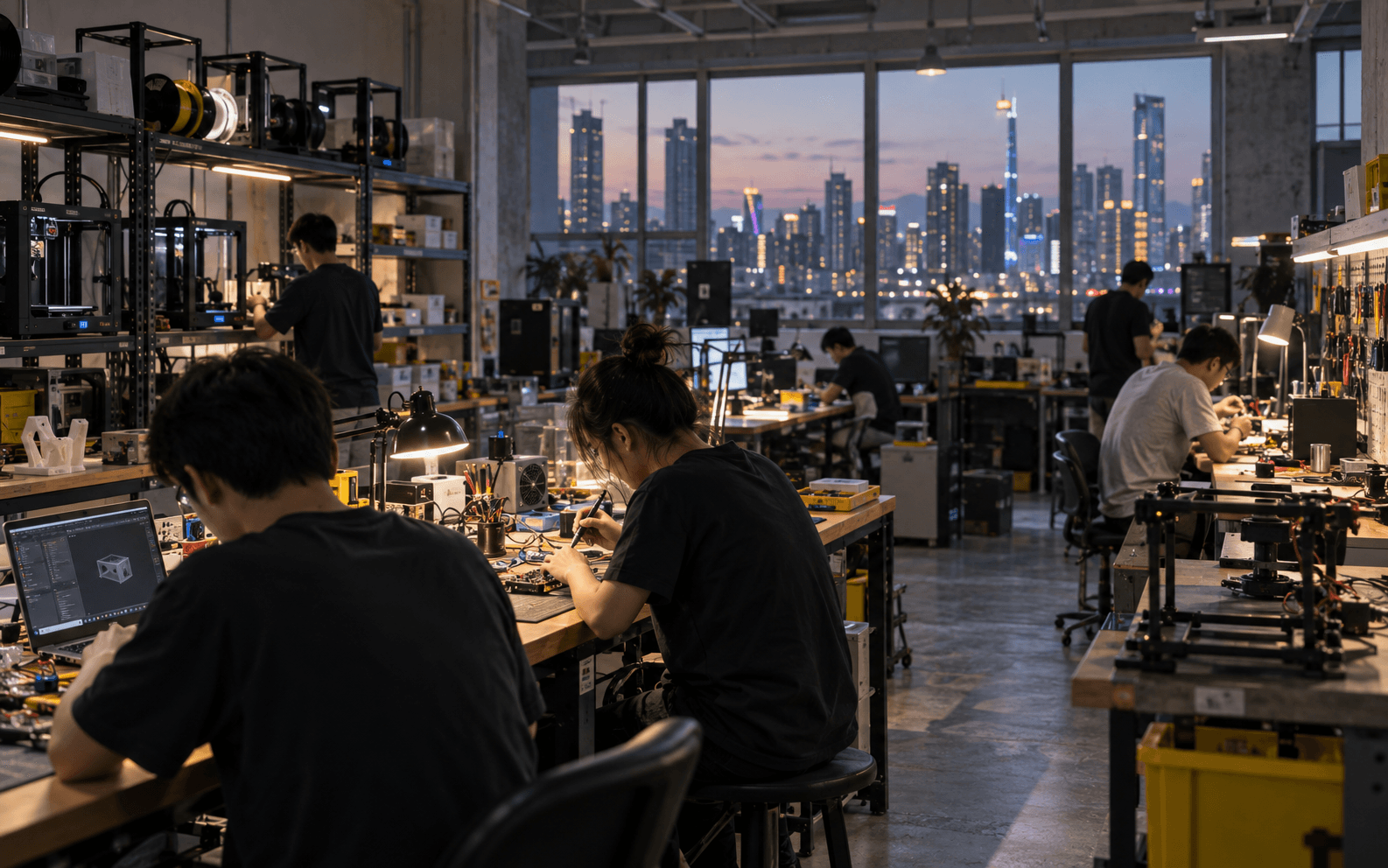
You make prototypes: early physical versions of your product, built without expensive production tooling. A "looks-like" prototype shows the appearance; a "works-like" prototype proves the function. Shenzhen prototype shops (手板厂) use CNC machining, 3D printing and urethane casting, then paint and finish parts so they look real.
Why it matters
Holding the product in your hand shows problems no screen can: parts that don't fit, buttons that feel wrong, a case that's too big. Fixing these now is cheap. Fixing them after a steel mold is made is not.
What it costs and how long
Single parts can cost from tens to hundreds of dollars depending on size and finish. Shenzhen shops often turn prototypes around in 3–10 days. Expect several rounds.
Common mistakes
- Treating a prototype as proof the production version will behave the same (prototype materials differ)
- Ordering one part at a time instead of the whole assembly together
- Not telling the shop which surfaces are cosmetic
Who helps
Prototype shops, 3D printing bureaus and CNC shops. Filter the directory by process. Read the process hubs for what each method is good for.
Companies at this station
Five-axis machining, including a new 800 mm-travel five-axis centre
Shenzhen · Bao'anAdvanced boards: up to 64 layers, HDI, rigid-flex, RF and ceramic
Shenzhen · Bao'anInstant online PCB quotes, prototypes from US$5 for 10 boards
Shenzhen · Bao'anInstant online quotes with automated DFM feedback for mechanical parts
Shenzhen · Bao'anKaierwo
凯尔沃New-energy prototypes: battery packs, charger housings, inverters, cooling modules
Shenzhen · GuangmingJLCPCB
嘉立创Started in 2006 at a one-metre counter in Huaqiangbei; listed on the Shenzhen main board in 2026 (001232)
Shenzhen · FutianAutomotive white-body stamping prototypes and full-size show-car models
Shenzhen · Bao'anGrew from 6 CNC machines in 2006 to 100+ today
Shenzhen · LonghuaTuowei Precision
拓维模型130+ CNC centres, SLA printers, vacuum casting and molding on a 10,000 m² site
Shenzhen · Bao'anSeeed Studio
矽递科技Open Parts Library of 150,000+ in-stock components for turnkey PCBA
Shenzhen · NanshanDMG 5-axis and rows of 3-axis CNC in a 5,000 m² Chang'an base
Dongguan · Chang'anGuides
01Community · 10 minThe Shenzhen maker community: a newcomer's guide (2026)
Where makers and hardware founders actually meet in Shenzhen in 2026: makerspaces, the weekly hackerspace night, factory tours, incubators and the big annual events, plus what has quietly gone dormant.
02Choosing · 10 minWhich 3D printing process? SLA vs SLS vs MJF
The three 3D printing processes most used for professional prototypes and small batches, explained in plain words. How each works, how the parts look and behave, and which one to choose.
03Basics · 9 minWhat is anodizing? A plain-English guide
How anodizing works, why it looks and wears the way it does, the difference between Type II and hard anodizing, and how to order anodized parts in Shenzhen. Written for first-timers.
04Basics · 11 minWhat is CNC machining? A plain-English guide
How CNC machining works, what it's good (and not good) for, what it costs, and how to get CNC parts made in Shenzhen. Written for first-timers.
05Design · 9 minWhat is DFM? Design for manufacturing explained
What design for manufacturing (DFM) means, why it decides most of your product's cost, the core rules, when to do a DFM review, and how DFM feedback from Shenzhen suppliers works.
06Basics · 10 minWhat is rapid prototyping? A plain-English guide
What rapid prototyping means, the main methods (3D printing, CNC machining, urethane casting), how many rounds to expect, and how Shenzhen's prototype shops work.
07Basics · 10 minWhat is sheet metal fabrication? A plain-English guide
How flat metal sheets are cut, bent and joined into brackets, chassis and enclosures, which materials to use, what it costs, and how to get sheet metal parts made in Shenzhen. Written for first-timers.
08Basics · 9 minWhat is vacuum casting? A plain-English guide
How vacuum casting (urethane casting) works, why it's used for 10 to 50 molded-looking parts, what materials and finishes it offers, and how to order it in Shenzhen. Written for first-timers.
09Choosing · 6 min3-axis vs 5-axis CNC: which does your part need?
What "axes" means on a CNC machine, when 5-axis machining is worth paying for, and how to tell from your design which one a shop will use.
10Choosing · 7 min3D printing vs CNC for prototypes
Should your prototype be 3D printed or CNC machined? A plain-English comparison of cost, speed, strength, materials, looks and design freedom, with a simple decision guide.
11Choosing · 8 minAnodizing vs powder coating vs painting
Three common ways to finish a part, compared in plain words. What each one is, which materials it works on, how it looks and wears, and how to choose for your product.
12Community · 6 minChaihuo Makerspace and Seeed: where Shenzhen's maker movement started
The story and current activity of Chaihuo Makerspace (柴火创客空间), Shenzhen's first makerspace, and its links to Seeed Studio, Maker Faire Shenzhen and MakerCamp.
13Choosing · 7 minChoosing a prototyping method: 3D printing vs CNC vs urethane casting
A simple comparison of the three main prototyping methods by speed, cost, strength, look and quantity, plus a quick way to pick the right one for each part.
14Cost · 9 minHow much does CNC machining cost? (and how to lower your quote)
What actually drives the price of a CNC part, rough price ranges for first-timers, and simple design and ordering changes that make quotes cheaper.
15Design · 8 minChoosing a material for CNC parts
A beginner's guide to the most common CNC materials (aluminum, steel, brass and engineering plastics), what each is good for, and how they affect price.
16Design · 8 minHow to prepare files for a CNC quote
Exactly what to send a CNC shop to get a fast, accurate quote. 3D files, 2D drawings, and the details first-timers forget.
17Design · 7 minTolerances explained for first-timers
What "±0.05 mm" means, why tighter tolerances cost more, and how to decide which features of your part actually need them.
18Design · 9 minDesigning a sheet-metal enclosure
Practical design rules for a first sheet-metal enclosure, explained in plain words. Bends, flanges, holes, hardware, vents, grounding and finishing, so your first quote comes back without surprises.
19Choosing · 7 minDie casting vs CNC machining
When should a metal part be CNC machined, and when is it worth paying for a die-casting tool? A plain-English comparison of cost, quantity, quality and finish, with a simple break-even method.
20Cost · 8 min50 parts: casting vs printing vs molding
You need around 50 plastic parts. Should you 3D print them, vacuum cast them, or make a mold? A plain-English comparison of cost, speed, looks and material, with a simple way to compare quotes.
21Cost · 10 minHow much does it cost to develop a hardware product?
The cost buckets of developing and manufacturing a hardware product, explained for first-timers. Design, prototypes, tooling, certification and the first production order, with typical ranges where they're widely published, plus the costs people forget.
22Basics · 9 minHow long does it take to develop a hardware product?
A realistic timeline for bringing a hardware product to market, stage by stage, for first-time founders. Where the time actually goes, what slows projects down in Shenzhen, and how to save weeks.
23Design · 8 minHow to specify colour and finish
How to tell a factory exactly what colour, gloss and texture you want, using colour codes, physical samples, texture standards and a simple written spec. For first-time hardware teams.
24Choosing · 8 minHow to write an RFQ
What a request for quotation (RFQ) is, what to put in it, and how to write one that gets clear, comparable quotes from Shenzhen suppliers. With a checklist you can copy.
25Working in China · 12 minHuaqiangbei for hardware makers
A first-timer's guide to Shenzhen's famous electronics market district. What it is, what it's good for, how to get there, how to buy, and what to watch out for.
26Basics · 6 minLooks-like vs works-like prototypes
Why most hardware teams build two different kinds of prototype, what each one is for, and when to combine them into a single "looks-like, works-like" build.
27Community · 5 minMaker Faire Shenzhen 2026: dates, venue and what to expect
Maker Faire Shenzhen 2026 runs 12–13 December at Vanke Design Commune, organised by Seeed. What it is, who goes, and tips for makers and founders.
28Basics · 11 minProduct development stages: how to make a physical product from idea to finished product
The stages of making a physical product, from first sketch to boxes on a ship, explained for first-timers. What happens at each stage, why it matters, what you get out of it, and who in Shenzhen helps.
29Community · 5 minShenzhen hardware meetups in 2026: what's active
An honest status check on Shenzhen's hardware and maker meetups (SZDIY, Chaihuo, Hardware Massive, AI Tinkerers, Hardware Meetup) and where to find the next one.
30Community · 5 minSZDIY: Shenzhen's weekly open hackerspace night
SZDIY (深圳DIY) is a volunteer-run free-software and open-hardware community with an open meetup every Thursday evening in Nanshan. Here's what to expect and how to go.
31Community · 4 minTech in the Tropics: Shenzhen's monthly tech meetup at Brasshouse
A monthly, relaxed tech and hardware meetup at Brasshouse bar in Futian, started by Joshua Woodard of The Sparrows. What it is and how to go.
32Community · 6 minTroubleMaker: Huaqiangbei's international makerspace
What TroubleMaker offers hardware founders and makers in Shenzhen: the workshop, memberships, manufacturing-readiness programs, where it is, and how to visit.